What is the Triumph Spitfire?
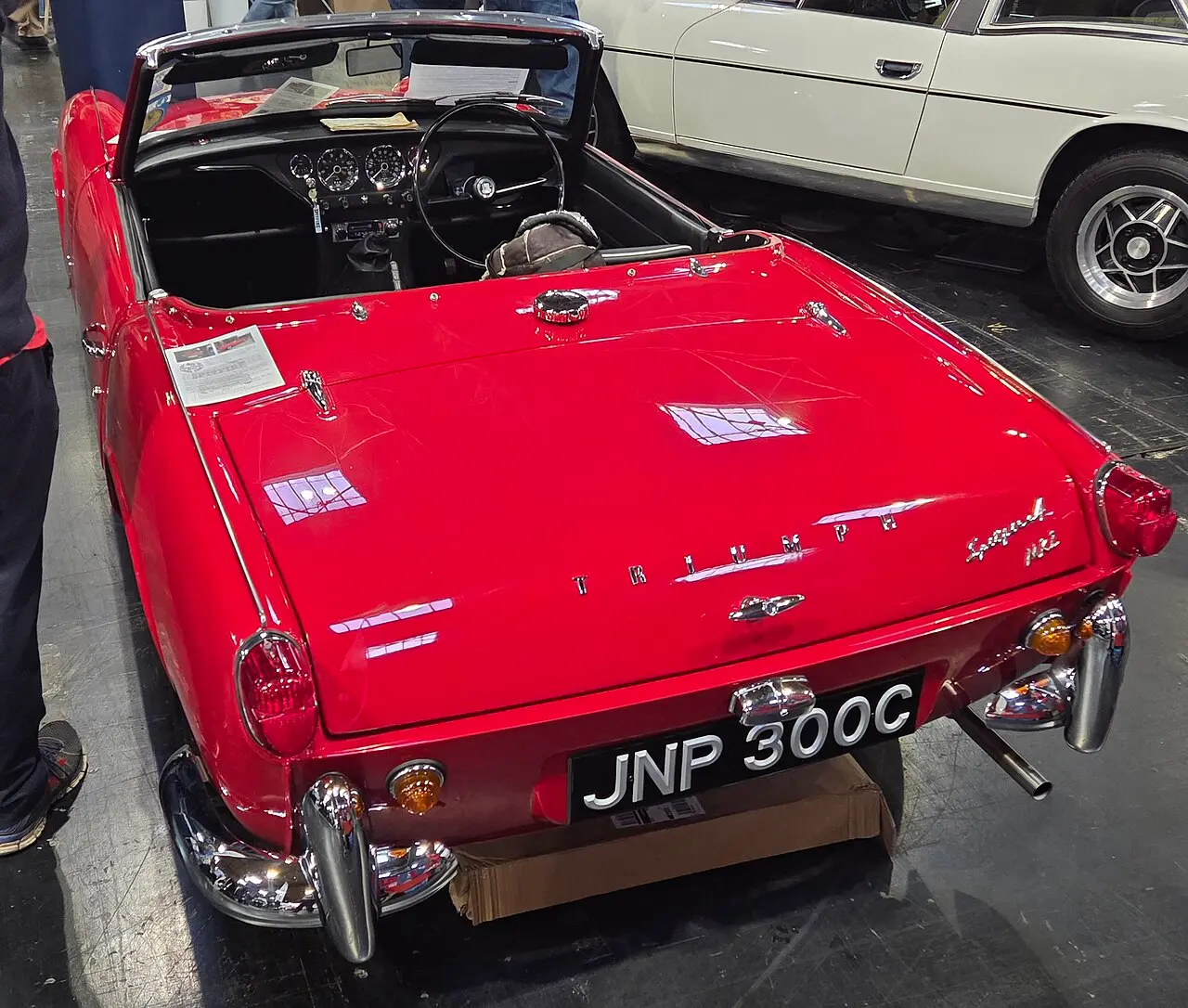
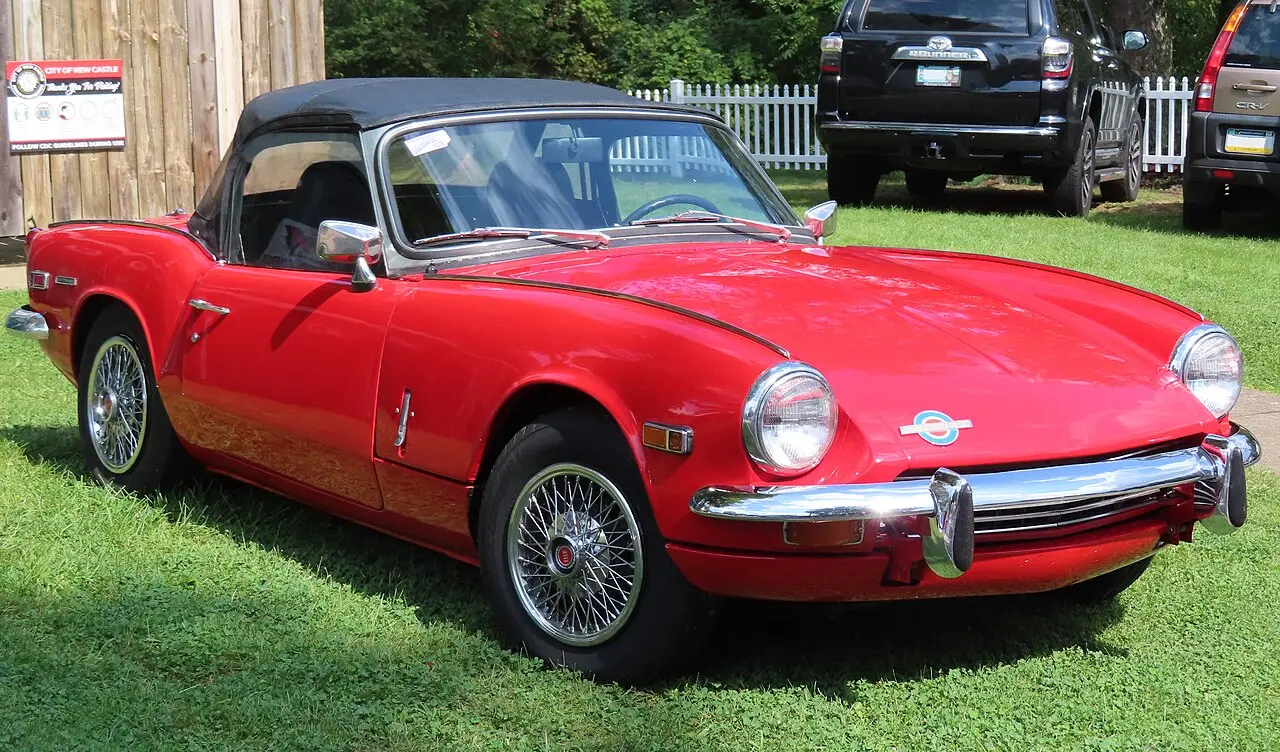
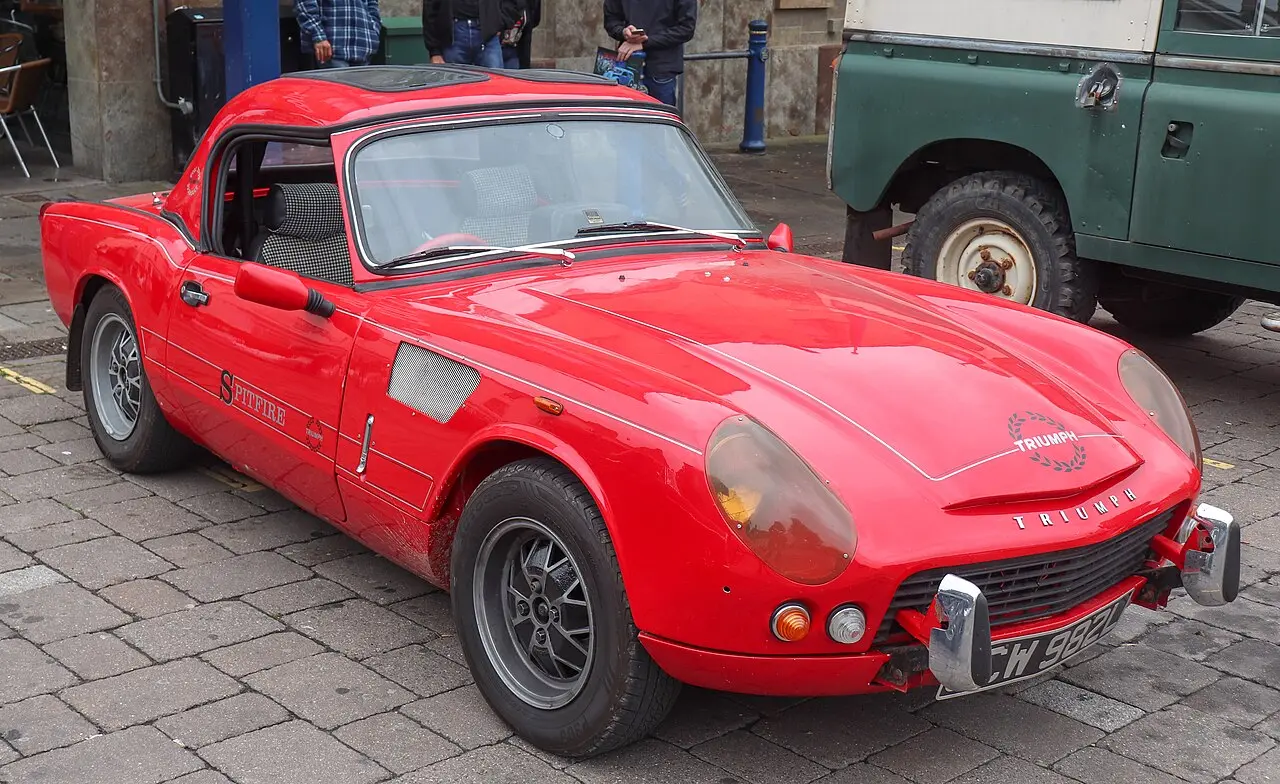
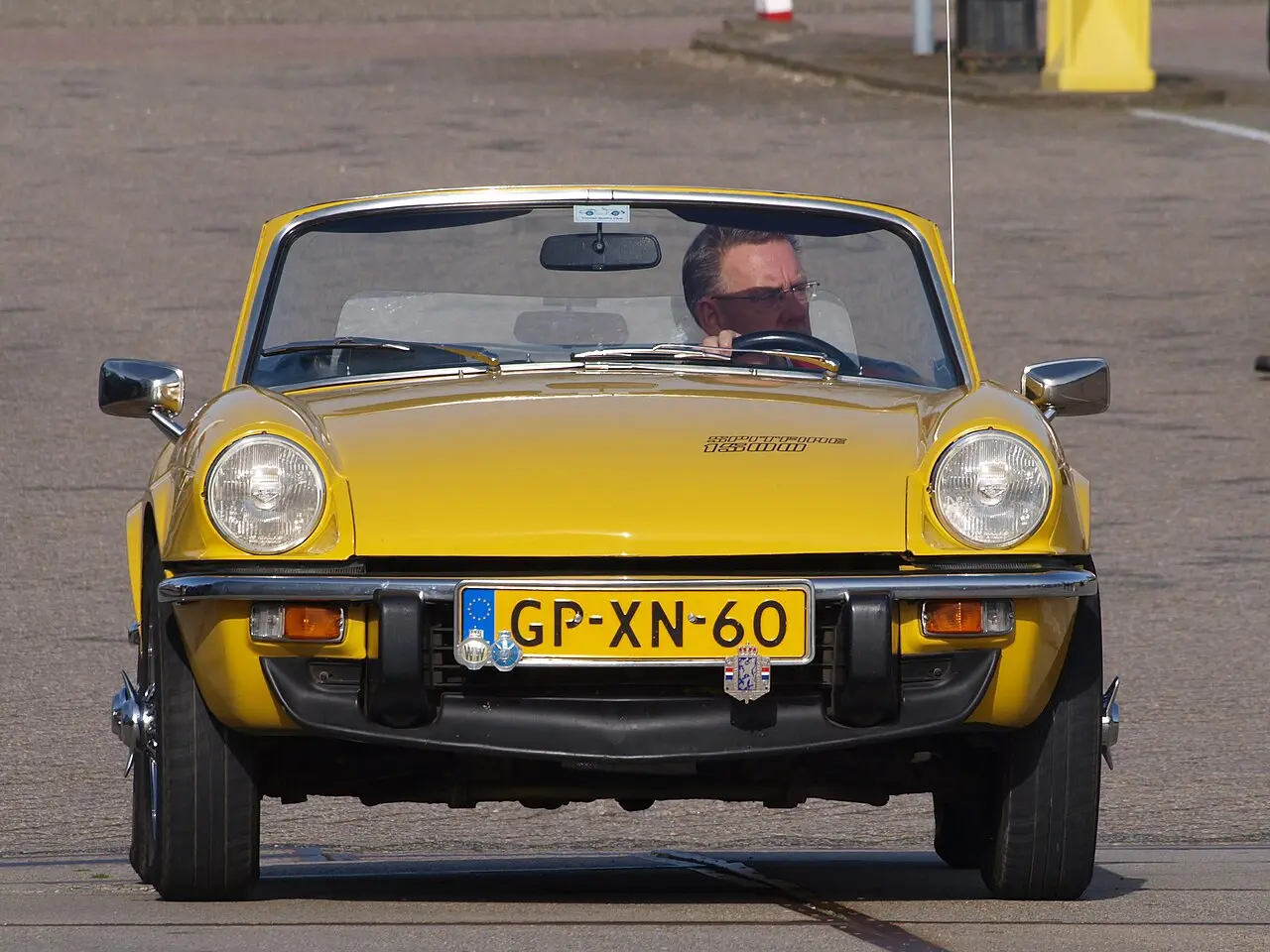
The Triumph Spitfire is a small, open two-seat sports car. Its compact shape and simple cabin give it an easygoing roadster character, with room for a passenger and little luggage. Giovanni Michelotti designed it, and Triumph based its engineering on the Herald.
Generations and engines
The Spitfire evolved through the Spitfire 4, Mark II, Mark III, Mark IV and 1500. The Mark II brought detail refinements, while the Mark III introduced revised front styling and a larger four-cylinder engine. The Mark IV received a more substantial redesign, including a squared-off rear, and the 1500 was the final version. The range used petrol four-cylinder engines, with specifications varying between versions and markets.
Fuel consumption and CO₂
Fuel consumption and CO₂ figures depend on the version and the test method used. European WLTP and NEDC procedures differ from the US EPA method and Canada’s five-cycle test, so results from different markets are not directly comparable.
Questions and answers
What kind of car is the Triumph Spitfire?
It is a small, two-seat open sports car.
What engine did the Spitfire use?
The range used petrol four-cylinder engines, with specifications varying by version and market.
Which Spitfire versions were made?
The main versions were the Spitfire 4, Mark II, Mark III, Mark IV and 1500.
How much fuel does the Spitfire use, and what are its CO₂ emissions?
Figures vary by version and test method. European WLTP and NEDC results, US EPA ratings and Canadian five-cycle results use different procedures.