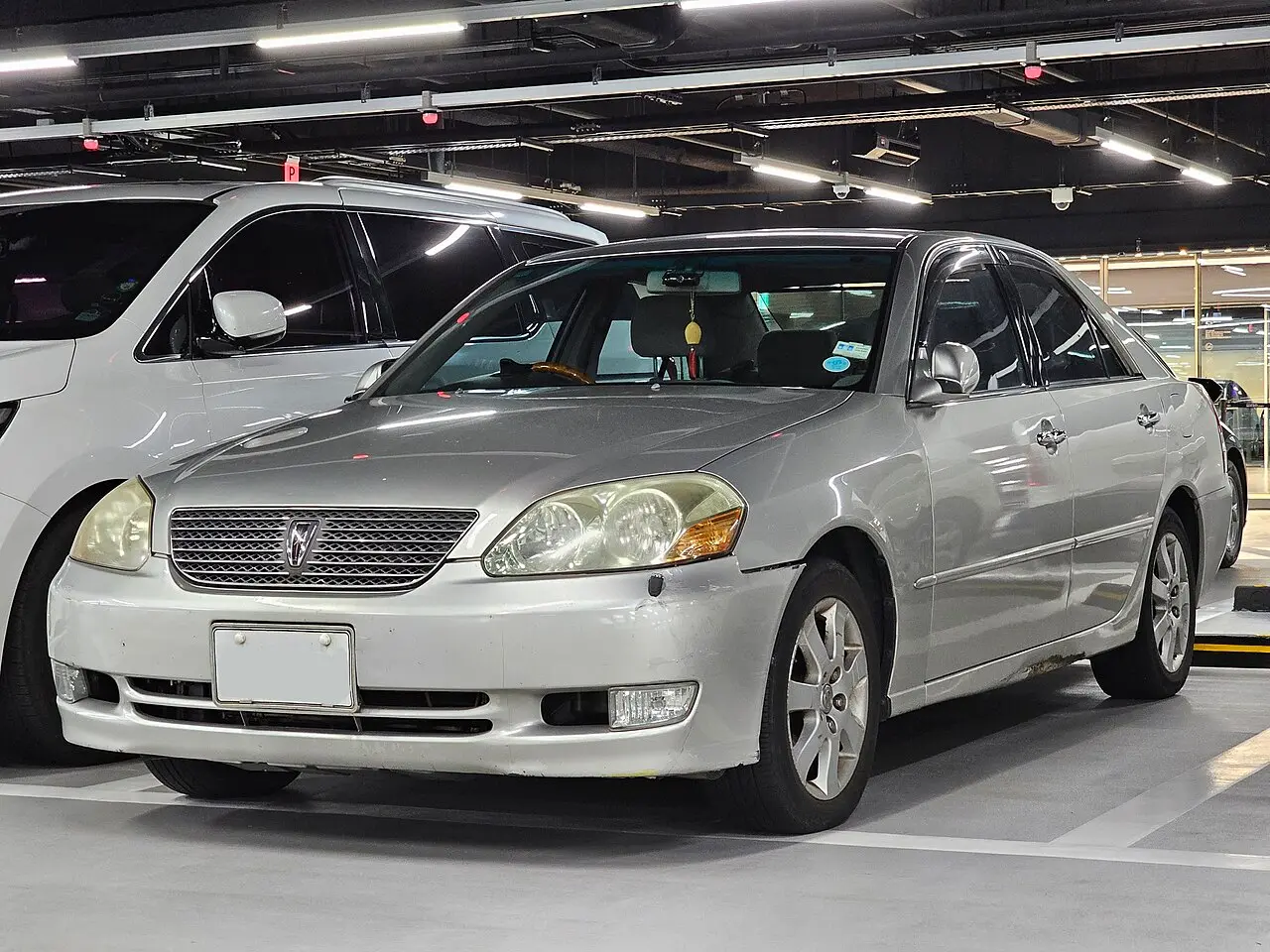
What is the Toyota Mark II?
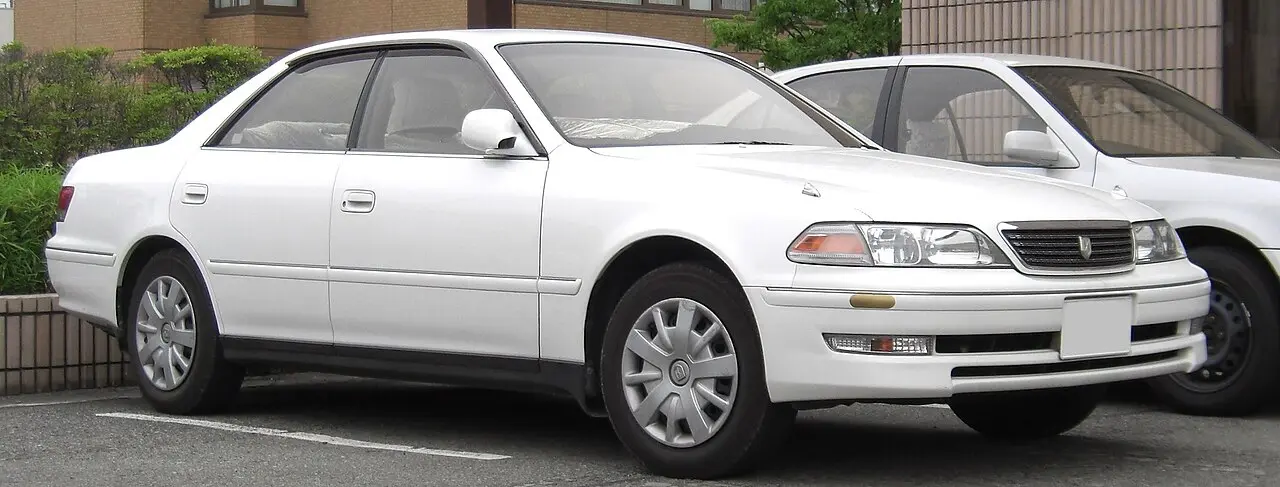
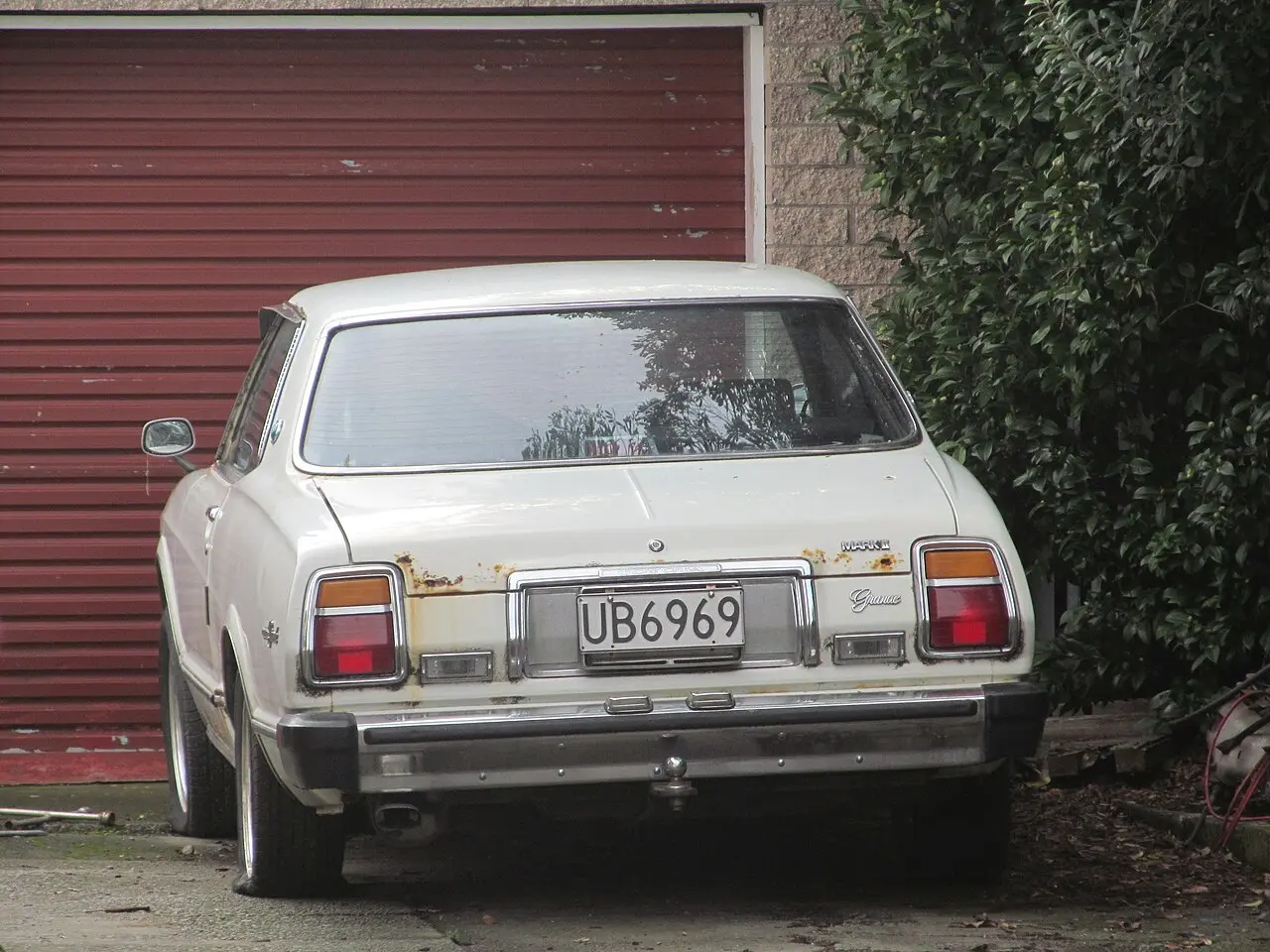
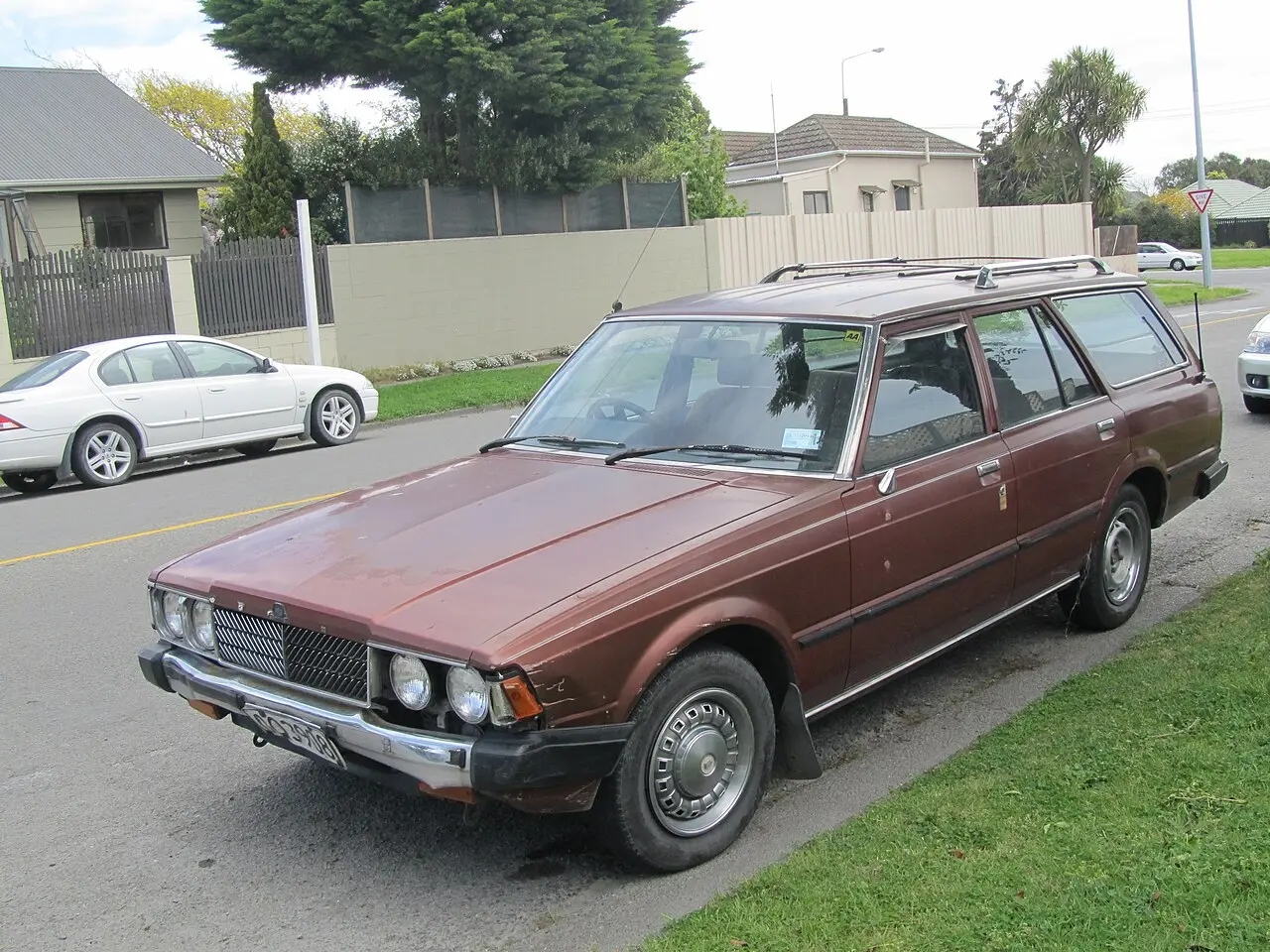
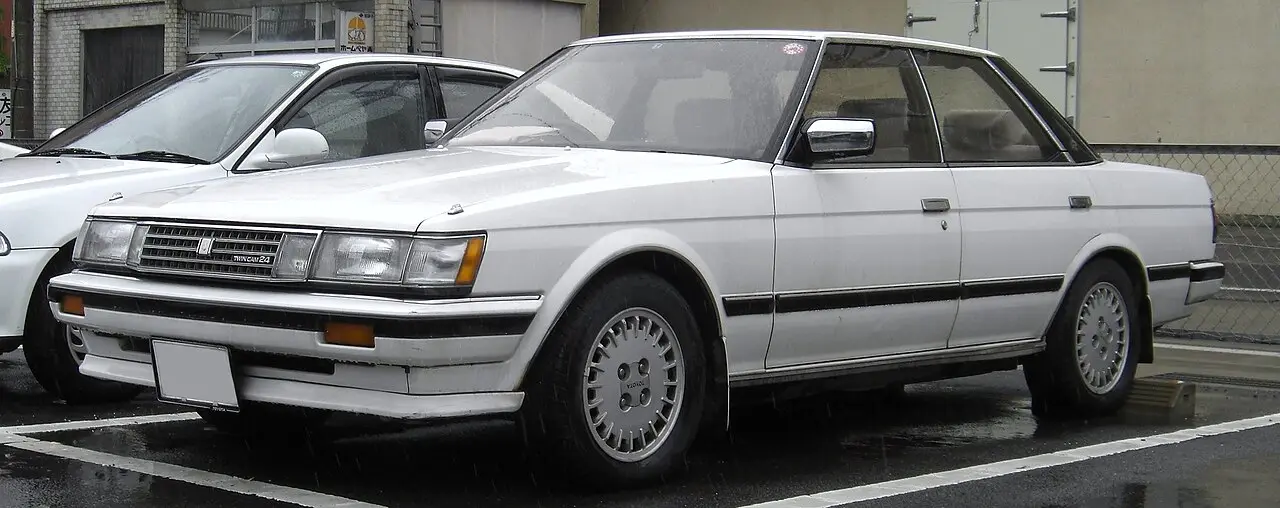
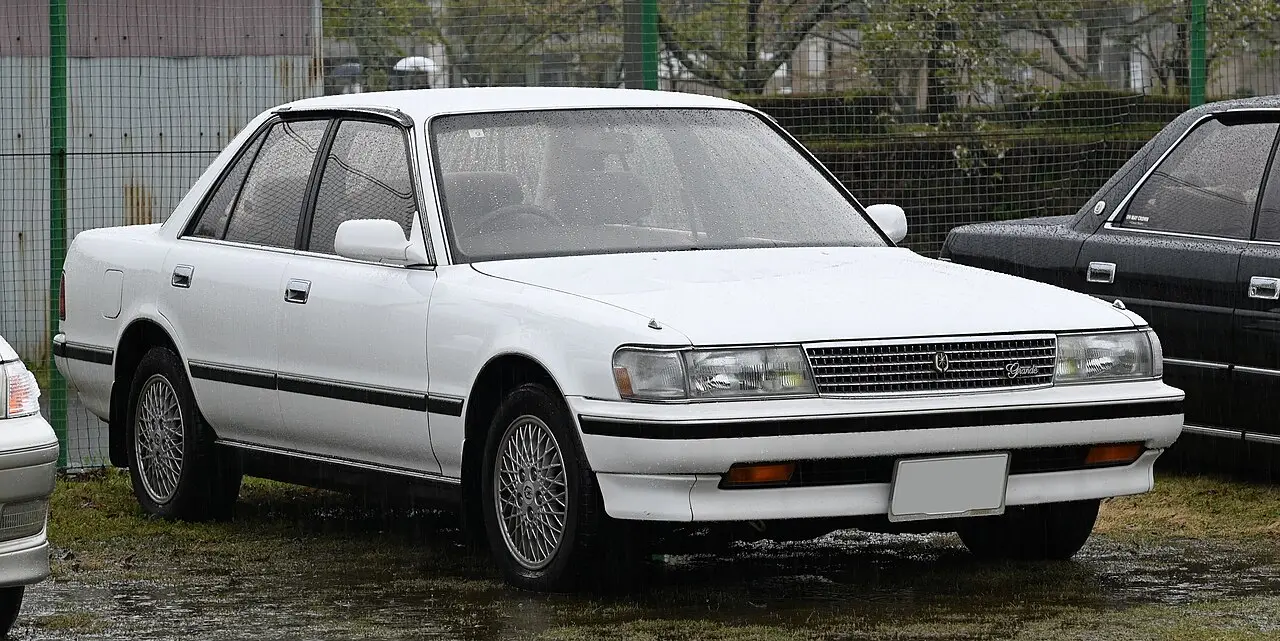
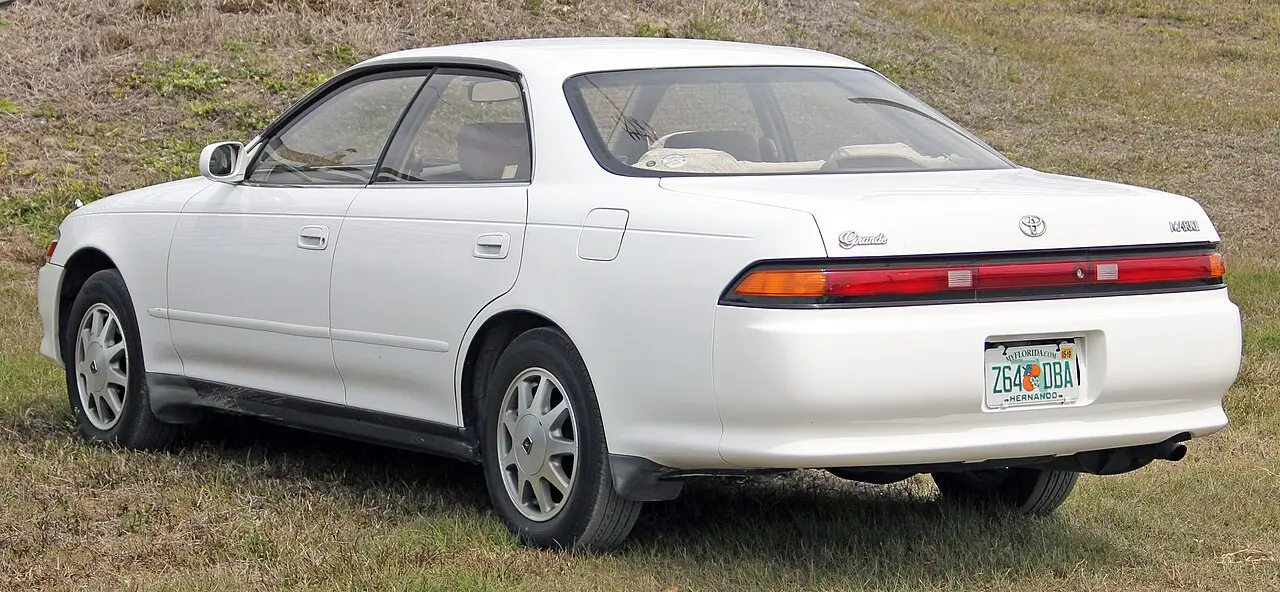
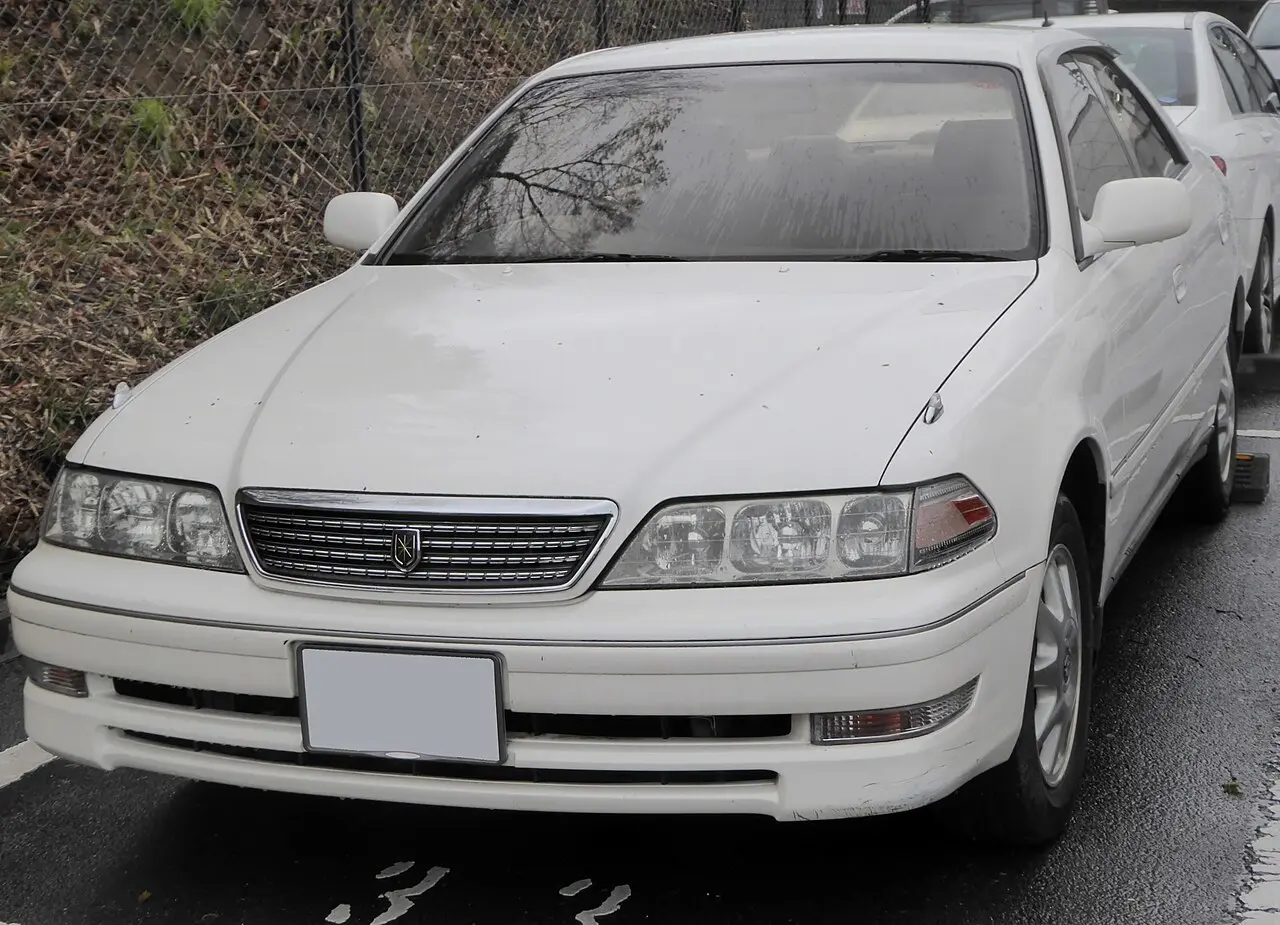
The Toyota Mark II began as the Corona Mark II, a car positioned between Toyota’s Corona and Crown. It became a long-running part of the company’s Japanese passenger-car range, taking the form of a sedan and, at points in its history, a hardtop. Toyota’s own descriptions of later models emphasize comfort and a more luxurious driving experience.
The Mark II’s place in the range changed over time, as its shape and character evolved. Its history includes both upright sedan designs and sleeker hardtop forms, reflecting different approaches to comfort and style.
Generations and changes
Early versions carried the Corona Mark II name, which Toyota later shortened to Mark II. Across successive redesigns, the model appeared as both a sedan and a hardtop. Toyota’s lineage history also records a later shift toward a taller four-door sedan after a hardtop-focused predecessor.
Related Toyota models were sold in some export markets under the Cressida name. This gives the Mark II a place in both Toyota’s domestic sedan history and the story of the company’s export models.
Engines, economy and markets
Toyota offered the Mark II with petrol engines. Fuel consumption and CO₂ emissions depend on the version and the test procedure used. European figures can use WLTP or the older NEDC procedure; the USA uses EPA ratings, while Canada uses a five-cycle test. Results from these different procedures are not directly interchangeable.
Questions and answers
What kind of car is the Toyota Mark II?
It is a Toyota sedan that was also offered in hardtop form during parts of its history.
Was the Mark II always called the Mark II?
No. Early versions used the Corona Mark II name before Toyota shortened it to Mark II.
Was the Mark II sold outside Japan?
Related cars were sold in some export markets under the Cressida name.
How do official fuel figures for the Mark II vary by market?
They depend on the version and test procedure. European figures can use WLTP or NEDC testing; the USA uses EPA ratings, and Canada uses a five-cycle test.