Toyota

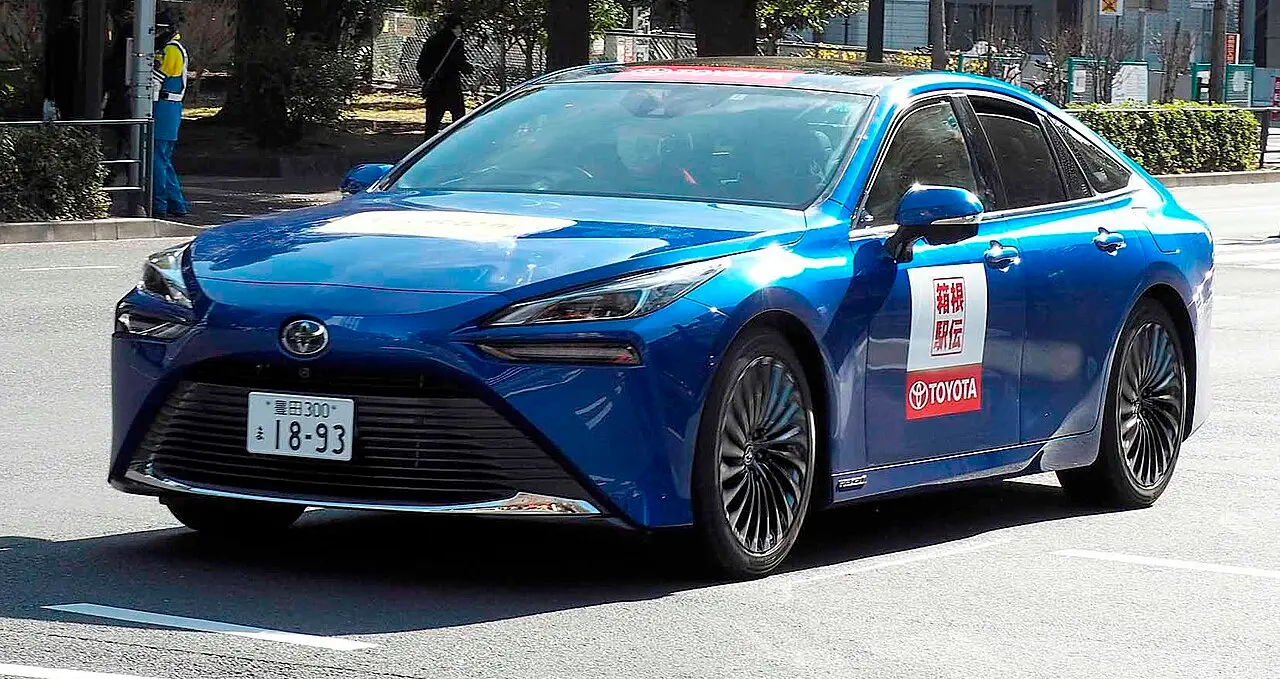
Toyota Mirai

Toyota Mirai
Photo: Comyu / Wikimedia Commons · CC BY-SA 4.0

The official data lists 26 versions of the Toyota Mirai (2015–2026), in the European Union and the United States. Each market publishes its own figures, measured on its own test procedure.

At a glance

Years in the data
2015–2026
Markets
European Union, United States
Power
48 kW (65 PS) to 134 kW (182 PS)
Fuels
Hydrogen, Electric
Lowest consumption (European Union)
0.8 L/100 km (WLTP)
Lowest consumption (United States)
3.2 L/100 km (EPA)
New registrations in the EU
5,628

What is the Toyota Mirai?

The Mirai is a Toyota sedan powered by hydrogen fuel-cell technology. Its fuel cell generates electricity onboard to drive an electric motor, so it runs electrically while using hydrogen as fuel. The name means “future” in Japanese.

Toyota introduced the first Mirai as a production fuel-cell electric vehicle. The second generation brought a marked change in design: it moved from a front-wheel-drive layout to a lower, longer rear-wheel-drive sedan.

Generations and power

The first generation, code J10, ran from 2016 to 2020 in the listed market years. The second generation, code J20, began in 2021 and continues in the listings. Toyota describes the newer model as a design and technology flagship.

EU versions list power from 48 kW (65 PS) to 134 kW (182 PS). The first-generation hydrogen configuration with the most registrations is listed at 55 kW (75 PS); second-generation entries include 134 kW (182 PS). The US listings cover hydrogen versions.

Fuel consumption and registrations

The lowest stated EU consumption is 0.8 L/100 km on WLTP. In the United States, the lowest stated figure is 3.2 L/100 km under EPA testing, with a best combined rating of 74 MPG. WLTP and EPA procedures differ, so the market figures are not directly comparable.

EU registration figures record 5,628 Mirais across the listed years. Hydrogen versions rated at 55 kW (75 PS) recorded 1,198 registrations from 2018 to 2020. The 134 kW (182 PS) version recorded 913 registrations in 2021 and 699 in 2024.

Where was the Mirai sold?

The Mirai appears in EU registration figures from 2015 to 2025 and US EPA figures from 2016 to 2026. The EU listings include 22 versions and the US listings include 4.

Questions and answers

Is the Toyota Mirai a battery electric car?

The Mirai is an electric car powered by a hydrogen fuel cell, which generates electricity onboard. The US listings identify hydrogen as its fuel.

When did the second-generation Mirai begin?

The second generation, code J20, began in 2021 in the listed market years.

What is the lowest stated Mirai consumption figure?

The lowest stated figure is 0.8 L/100 km on the EU WLTP test. The US EPA listing gives 3.2 L/100 km; the procedures differ.
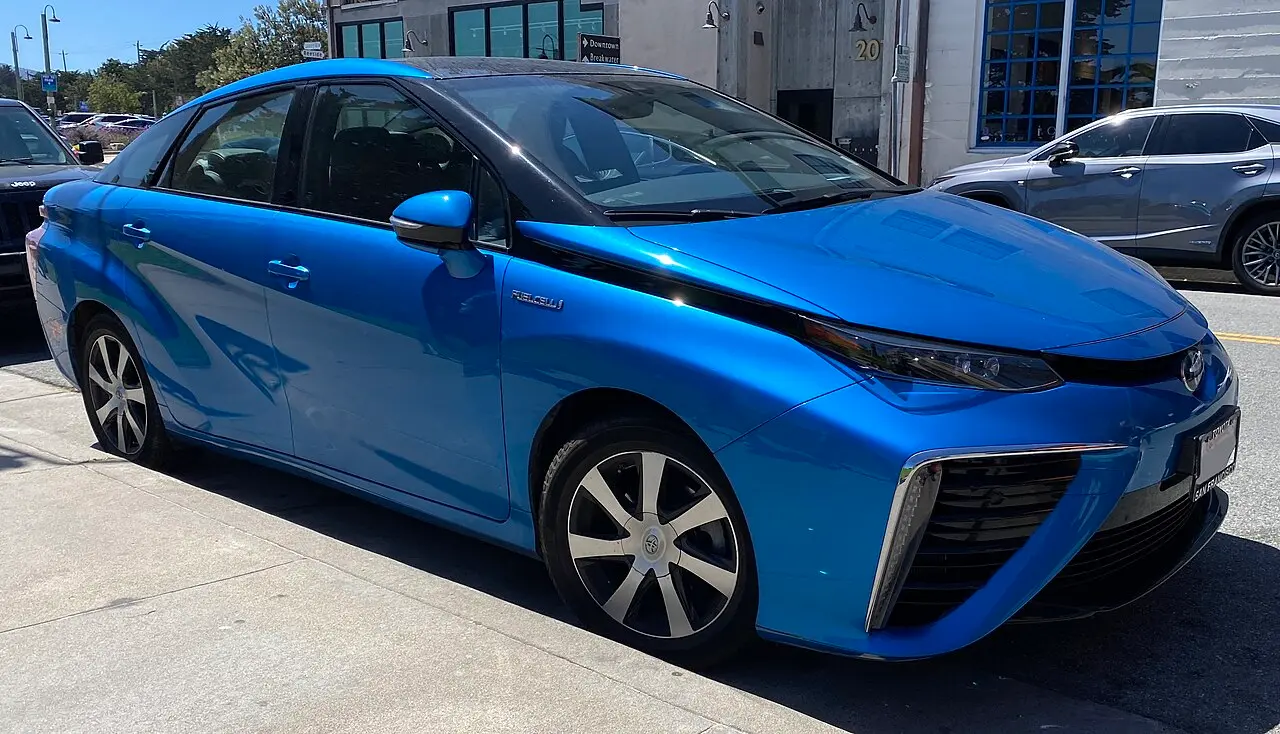
Mirai first generation (2016–2020)

Toyota Mirai first generation
Photo: Cutlass / Wikimedia Commons · CC0

Model codes: J10 · Sold in: United States and European Union · References: pressroom.toyota.com, en.wikipedia.org

Show all 11 versions

Mirai second generation (since 2021)

Toyota Mirai second generation
Photo: Comyu / Wikimedia Commons · CC BY-SA 4.0

Model codes: J20 · Sold in: United States and European Union · References: pressroom.toyota.com, newsroom.toyota.eu

European Union 11 versions

New cars registered in the EU (plus Norway and Iceland), from the European Environment Agency. Figures on the NEDC procedure until 2020 and on WLTP from 2021; versions are grouped by engine and power, with their number of registrations.

Years and versionEnginePowerFuelConsumption (combined)CO₂EU registrations
2025–134 kW (182 PS)Hydrogen–0 g/km373
2025–48 kW (65 PS)Hydrogen0.8 L/100 km WLTP0 g/km65
2024–134 kW (182 PS)Hydrogen–0 g/km699
2023–134 kW (182 PS)Hydrogen–0 g/km596
2022–134 kW (182 PS)Hydrogen0.8 L/100 km WLTP0 g/km432
2021–2022–48 kW (65 PS)Hydrogen0.9 L/100 km WLTP0 g/km243
2021–134 kW (182 PS)Hydrogen0.9 L/100 km WLTP0 g/km913
2021Electric motor48 kW (65 PS)Electric0.9 L/100 km WLTP0 g/km310
2021–113 kW (154 PS)Hydrogen0.9 L/100 km WLTP0 g/km28
2021Electric motor134 kW (182 PS)Electric–0 g/km17
2021–55 kW (75 PS)Hydrogen–0 g/km16

United States 3 versions

Model years sold in the USA, from the EPA and the Department of Energy (fueleconomy.gov). MPG on the EPA test; litres per 100 km = 235.215 ÷ MPG.

Years and versionEngineFuelGearboxDriveConsumption (combined)CO₂
2026PEFC–HydrogenContinuously variable (CVT)Rear-wheel drive72 MPG (3.3 L/100 km) EPA0 g/km
2021–2025PEFC–HydrogenContinuously variable (CVT)Rear-wheel drive74 MPG (3.2 L/100 km) EPA0 g/km
2021–2024PEFC–HydrogenContinuously variable (CVT)Rear-wheel drive65 MPG (3.6 L/100 km) EPA0 g/km

Versions outside these generations

European Union 1 version

New cars registered in the EU (plus Norway and Iceland), from the European Environment Agency. Figures on the NEDC procedure until 2020 and on WLTP from 2021; versions are grouped by engine and power, with their number of registrations.

Years and versionEnginePowerFuelCO₂EU registrations
2015–2018–113 kW (154 PS)Hydrogen0 g/km56

Official figures are measured on standard test procedures and differ between markets. Your consumption depends on how, where and in what conditions you drive.