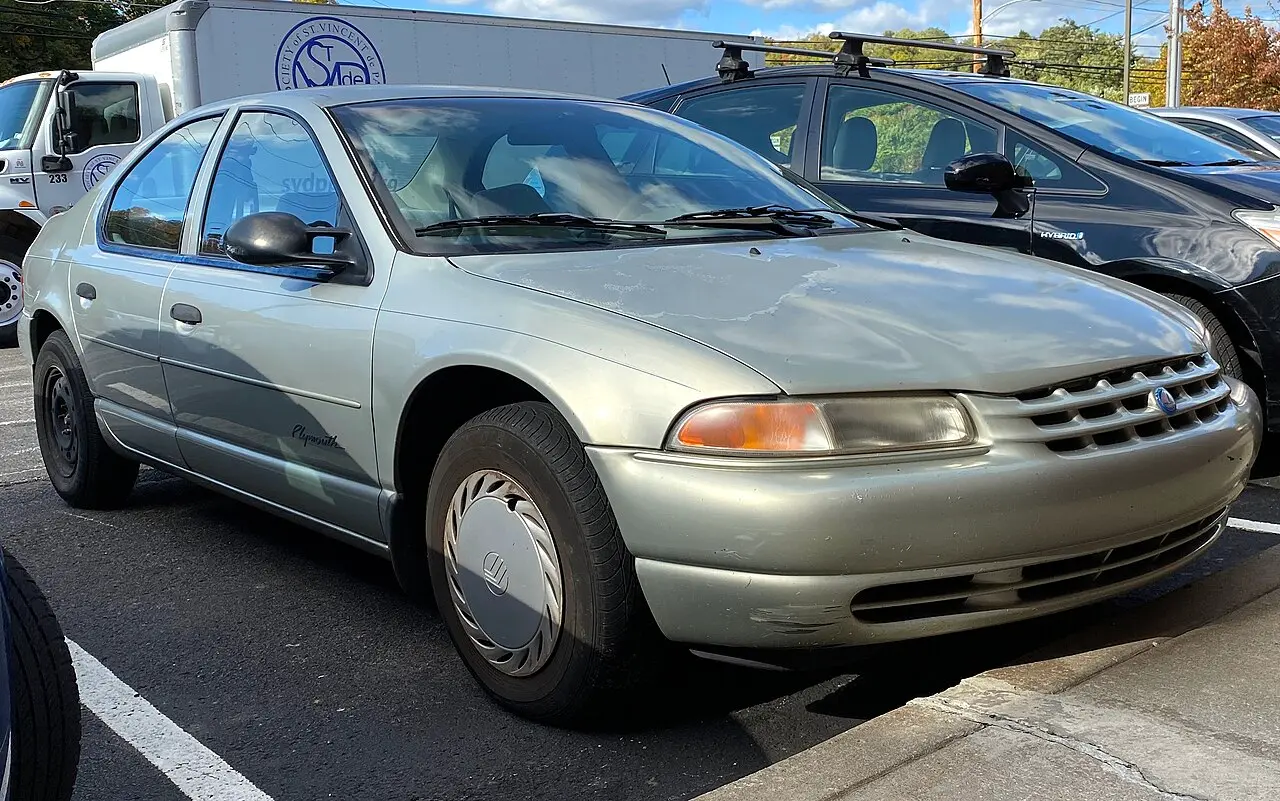
Plymouth Breeze

Plymouth Breeze
Photo: Cutlass / Wikimedia Commons · CC0

The official data lists 9 versions of the Plymouth Breeze (1996 - 2000), in the United States and Canada. Each market publishes its own figures, measured on its own test procedure.

At a glance

Years in the data
1996 - 2000
Markets
United States, Canada
Engines
2.0 L to 2.4 L
Fuels
Petrol
Lowest consumption (United States)
8.7 L/100 km (EPA)
Lowest consumption (Canada)
8.7 L/100 km (5-cycle)

What is the Plymouth Breeze?

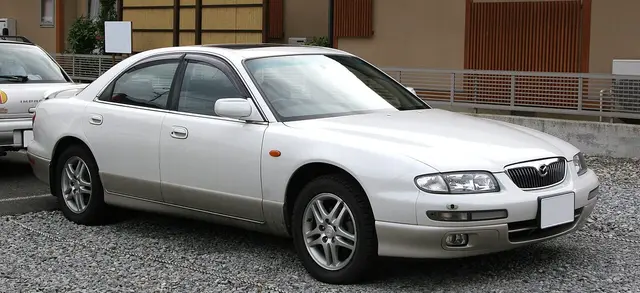
The Plymouth Breeze was a four-door, front-wheel-drive midsize sedan and part of Chrysler’s Cloud Cars family, alongside the Chrysler Cirrus and Dodge Stratus. It took the place of the Acclaim in Plymouth’s range. Its cab-forward design, with the cabin pushed forward and the wheels set near the corners, gave it a roomy feel.

Generations

The Breeze had one generation, built on Chrysler’s JA platform. Its rounded shape followed the cab-forward design used across the Cloud Cars. The Breeze shared its basic architecture with the Cirrus and Stratus, while giving the family a Plymouth version.

Engines and power

In the United States and Canada, the Breeze was offered with petrol engines from 2.0 L to 2.4 L.

How economical is the Plymouth Breeze?

In the United States, the EPA’s best combined rating is 27 MPG, and the lowest listed consumption is 8.7 L/100 km. Canada’s lowest listed NRCan 5-cycle consumption is also 8.7 L/100 km. These results use different test procedures, so they are best considered within their own markets.

Questions and answers

What kind of car is the Plymouth Breeze?

It is a front-wheel-drive, four-door midsize sedan from Plymouth’s Cloud Cars family.

What engines were available?

The US and Canadian lineups included petrol engines from 2.0 L to 2.4 L.

What is its best official fuel economy figure?

The best listed US EPA combined rating is 27 MPG. Canada’s lowest listed NRCan 5-cycle consumption is 8.7 L/100 km.
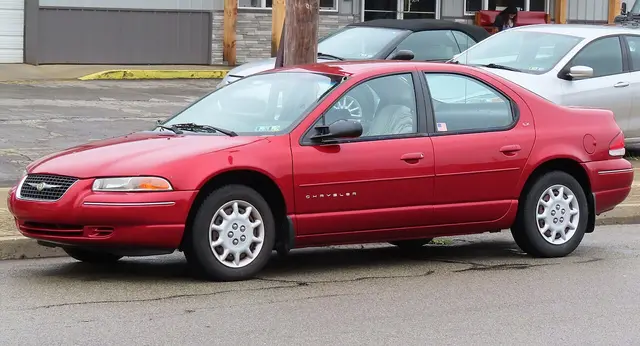
Breeze (1996 - 2000)

Plymouth Breeze
Photo: Cutlass / Wikimedia Commons · CC0

Model codes: JA · References: en.wikipedia.org, cars.com

At a glance: Length 4,724 - 4,742 mm · Kerb weight 1,320 - 1,443 kg Specifications, reliability and all versions

United States 6 versions

Model years sold in the USA, from the EPA and the Department of Energy (fueleconomy.gov). MPG on the EPA test; litres per 100 km = 235.215 ÷ MPG.

Years and versionEngineFuelGearboxDriveConsumption (combined)CO₂
1998 - 20002.0 LPetrol5-speed manualFront-wheel drive27 MPG (8.7 L/100 km) EPA205 g/km
1998 - 2000CLKUP2.0 LPetrol4-speed automaticFront-wheel drive22 - 23 MPG (10.2 - 10.7 L/100 km) EPA240 - 251 g/km
1998 - 2000CLKUP2.4 LPetrol4-speed automaticFront-wheel drive20 - 22 MPG (10.7 - 11.8 L/100 km) EPA251 - 276 g/km
1996 - 1997(FFS), CLKUP2.0 LPetrol4-speed automaticFront-wheel drive22 - 23 MPG (10.2 - 10.7 L/100 km) EPA240 - 251 g/km
1996 - 1997(FFS)2.0 LPetrol5-speed manualFront-wheel drive26 - 27 MPG (8.7 - 9.0 L/100 km) EPA205 - 212 g/km
1996(FFS), CLKUP2.4 LPetrol4-speed automaticFront-wheel drive21 MPG (11.2 L/100 km) EPA263 g/km

Canada 3 versions

Model years sold in Canada, from Natural Resources Canada fuel consumption ratings (5-cycle test).

Years and versionEngineFuelGearboxConsumption (combined)CO₂
1996 - 1999Mid-size2.4 LPetrol4-speed automatic10.8 - 11.2 L/100 km 5-cycle248 - 258 g/km
1996 - 1998Mid-size2.0 LPetrol4-speed automatic10.0 - 13.6 L/100 km 5-cycle230 - 313 g/km
1996 - 1998Mid-size2.0 LPetrol5-speed manual8.7 - 9.0 L/100 km 5-cycle200 - 207 g/km

Plymouth Breeze recalls

12 official safety recalls for the Plymouth Breeze from NHTSA (United States), DVSA (United Kingdom) and the EU Safety Gate, newest first. Recall repairs are normally free at the maker’s dealers.

  • Power steering hose may leak1999 - 2000
  • Floor shifter interlock may fail, allowing vehicle to roll1996 - 1999
  • Child seat tether instructions may be missing2000
  • Brake hose bracket weld may fail2000
  • Fuel tank straps may corrode and loosen2000

See all 12 recalls

Official figures are measured on standard test procedures and differ between markets. Your consumption depends on how, where and in what conditions you drive.