Chrysler

Chrysler Cirrus

Chrysler Cirrus
Photo: MercurySable99 / Wikimedia Commons · CC BY-SA 4.0

The official data lists 14 versions of the Chrysler Cirrus (1995–2000), in the United States and Canada. Each market publishes its own figures, measured on its own test procedure.

At a glance

Years in the data
1995–2000
Markets
United States, Canada
Engines
2.4 L to 2.5 L
Fuels
Petrol
Lowest consumption (United States)
10.7 L/100 km (EPA)
Lowest consumption (Canada)
10.8 L/100 km (5-cycle)

What kind of car is the Chrysler Cirrus?

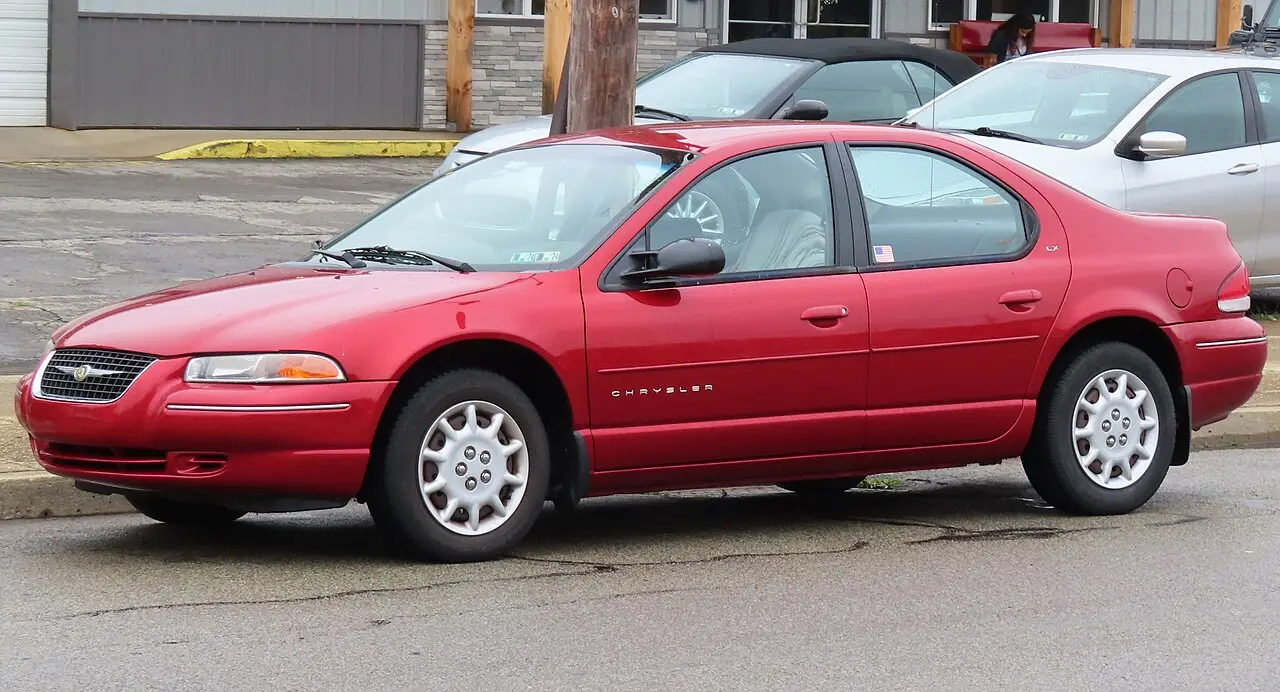
The Cirrus is a four-door midsize sedan from Chrysler, shaped around the brand’s cab-forward design. Its passenger cabin sits prominently in the overall profile, giving the car a roomier look than its short nose might suggest. The Cirrus brought this design approach into Chrysler’s midsize sedan range.

The Cirrus was sold in the United States and Canada from 1995 to 2000. It had one generation, identified by the JA platform code.

Engines and fuel economy

The North American Cirrus range used petrol engines from 2.4 L to 2.5 L. It was offered as a sedan.

In the United States, the EPA’s best combined rating was 22 MPG. Canada’s lowest listed consumption was 10.8 L/100 km on the NRCan five-cycle test. The EPA and Canadian figures use different test procedures, so they are not direct like-for-like comparisons.

Where was the Cirrus sold?

The Cirrus was listed in the United States and Canada, with both market listings covering 1995–2000. The US EPA and Canadian NRCan listings each include seven versions.

The Cirrus brought Chrysler’s cab-forward design to its midsize sedan range, with a passenger-focused shape suited to everyday family use.

Questions and answers

When was the Chrysler Cirrus sold?

It was sold in the United States and Canada from 1995 to 2000.

How many generations of Cirrus were there?

The Cirrus had one generation, from 1995 to 2000.

What engines did the Cirrus use?

Its North American listings show petrol engines from 2.4 L to 2.5 L.

What was its official fuel economy?

The EPA’s best combined rating was 22 MPG in the United States. Canada’s lowest listed consumption was 10.8 L/100 km on the NRCan five-cycle test.

Cirrus first generation (1995–2000)

Chrysler Cirrus first generation
Photo: MercurySable99 / Wikimedia Commons · CC BY-SA 4.0

Model codes: JA · Sold in: United States and Canada · References: en.wikipedia.org, en.wikipedia.org

United States 7 versions

Model years sold in the USA, from the EPA and the Department of Energy (fueleconomy.gov). MPG on the EPA test; litres per 100 km = 235.215 ÷ MPG.

Years and versionEngineFuelGearboxDriveConsumption (combined)CO₂
2000CLKUP2.4 LPetrol4-speed automaticFront-wheel drive20 MPG (11.8 L/100 km) EPA276 g/km
1998–2000CLKUP · VMODE CLKUP2.5 LPetrol4-speed automaticFront-wheel drive20 MPG (11.8 L/100 km) EPA276 g/km
2000VMODE CLKUP2.5 LPetrol4-speed automaticFront-wheel drive19 MPG (12.4 L/100 km) EPA291 g/km
1998CLKUP2.4 LPetrol4-speed automaticFront-wheel drive22 MPG (10.7 L/100 km) EPA251 g/km
1997(FFS), CLKUP2.4 LPetrol4-speed automaticFront-wheel drive21 MPG (11.2 L/100 km) EPA263 g/km
1995–1997(FFS), CLKUP · (FFS), VMODE CLKUP2.5 LPetrol4-speed automaticFront-wheel drive21 MPG (11.2 L/100 km) EPA263 g/km
1995–1996(FFS), CLKUP2.4 LPetrol4-speed automaticFront-wheel drive21 MPG (11.2 L/100 km) EPA263 g/km

Canada 7 versions

Model years sold in Canada, from Natural Resources Canada fuel consumption ratings (5-cycle test).

Years and versionEngineFuelGearboxConsumption (combined)CO₂
2000Mid-size2.4 LPetrol4-speed automatic11.5 L/100 km 5-cycle265 g/km
2000Mid-size2.5 LPetrol4-speed automatic11.7 L/100 km 5-cycle269 g/km
1999Mid-size2.4 LPetrol4-speed automatic10.8 L/100 km 5-cycle248 g/km
1999Mid-size2.5 LPetrol4-speed automatic11.8 L/100 km 5-cycle271 g/km
1998Mid-size2.5 LPetrol4-speed automatic11.7 L/100 km 5-cycle269 g/km
1997Mid-size2.5 LPetrol4-speed automatic11.4 L/100 km 5-cycle262 g/km
1995Mid-size2.5 LPetrol4-speed automatic11.3 L/100 km 5-cycle260 g/km

Official figures are measured on standard test procedures and differ between markets. Your consumption depends on how, where and in what conditions you drive.