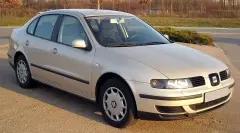
I dati ufficiali indicano 674 versioni della Škoda Octavia (2000–2026), nei mercati nell'Unione europea, nel Regno Unito e in Francia. Ogni mercato pubblica i propri dati, misurati secondo la propria procedura di prova.
In breve
Anni coperti dai dati
2000–2026
Mercati
Unione europea, Regno Unito e Francia
Motori
da 1,0 L a 2,0 L
Potenza
da 60 kW (81 PS) a 180 kW (245 PS)
Carburanti
Ibrida, Benzina, Diesel, Ibrida plug-in, Gas naturale, Carburante flessibile (E85) e GPL
Consumo più basso (Unione europea)
1,2 L/100 km (WLTP)
Consumo più basso (Francia)
3,2 L/100 km (NEDC)
Consumo più basso (Regno Unito)
3,2 L/100 km (NEDC)
Ibrida plug-in, ponderata (Unione europea)
1,0 L/100 km (WLTP)
Nuove immatricolazioni nell'UE
4.816.968
Cos’è Škoda Octavia?
Octavia è un’auto per famiglie disponibile con carrozzeria hatchback e station wagon. Abbina un abitacolo spazioso a un bagagliaio capiente e occupa una posizione centrale nella gamma Škoda, tra la più piccola Fabia e l’ammiraglia Superb. La Octavia moderna è arrivata nel 1996, pochi anni dopo l’ingresso di Škoda nel Gruppo Volkswagen. Il pratico design liftback e l’ampio spazio a bordo l’hanno resa un modello fondamentale per il marchio.
Generazioni di Octavia
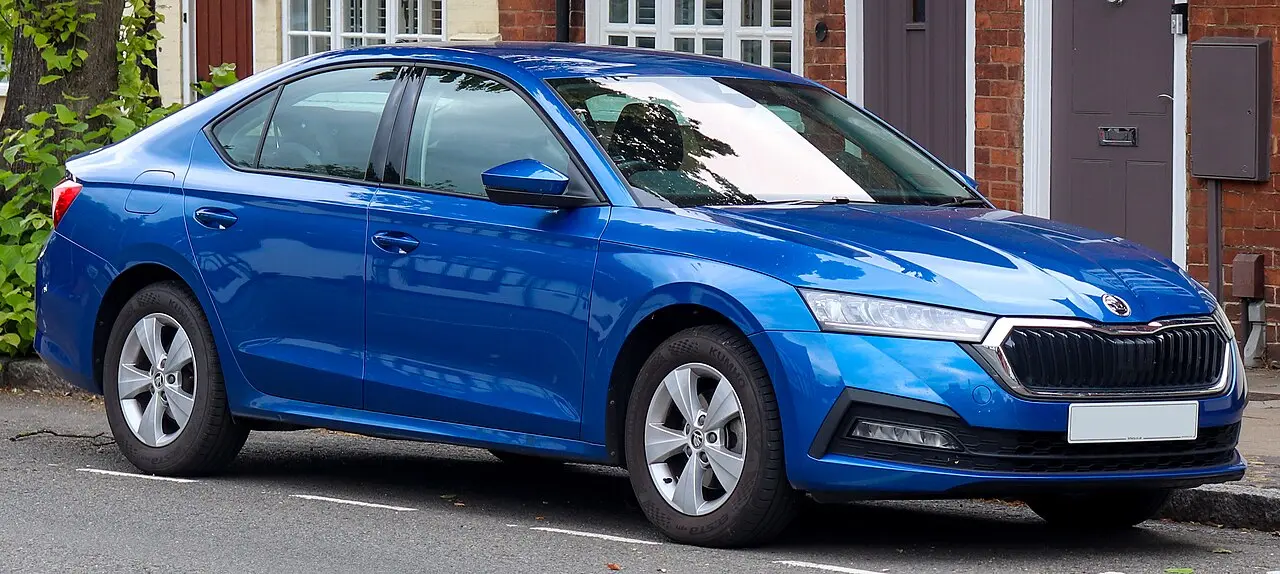
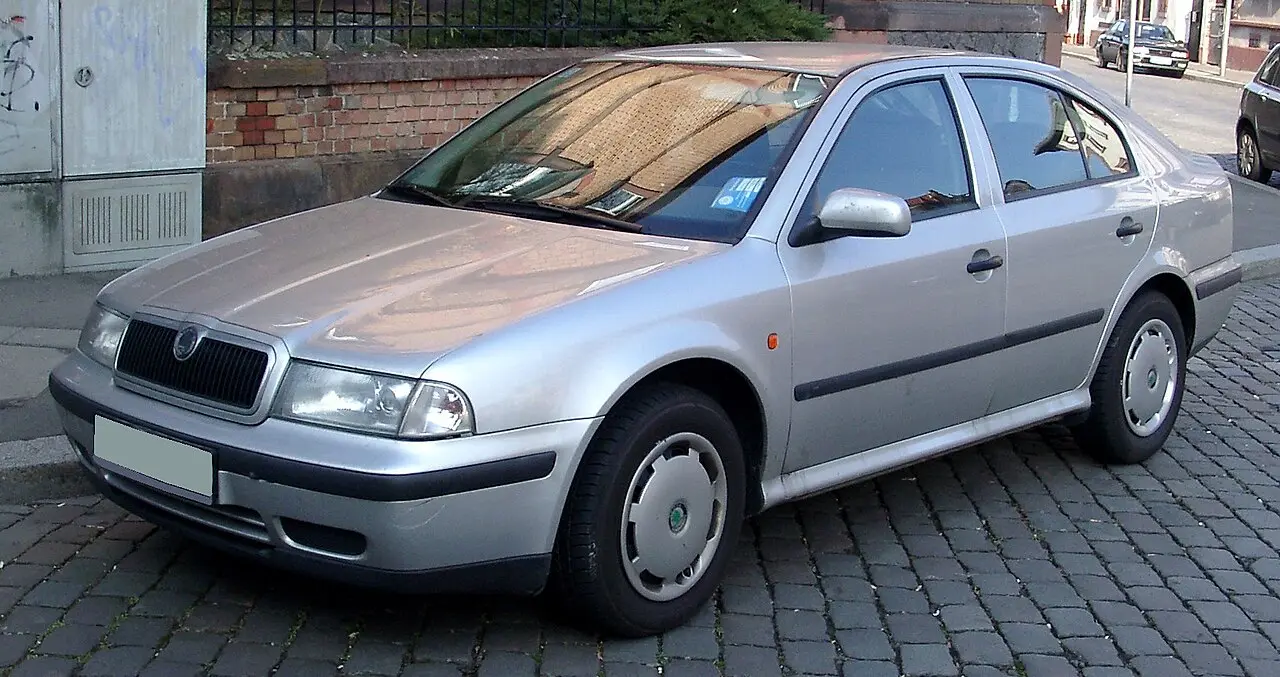
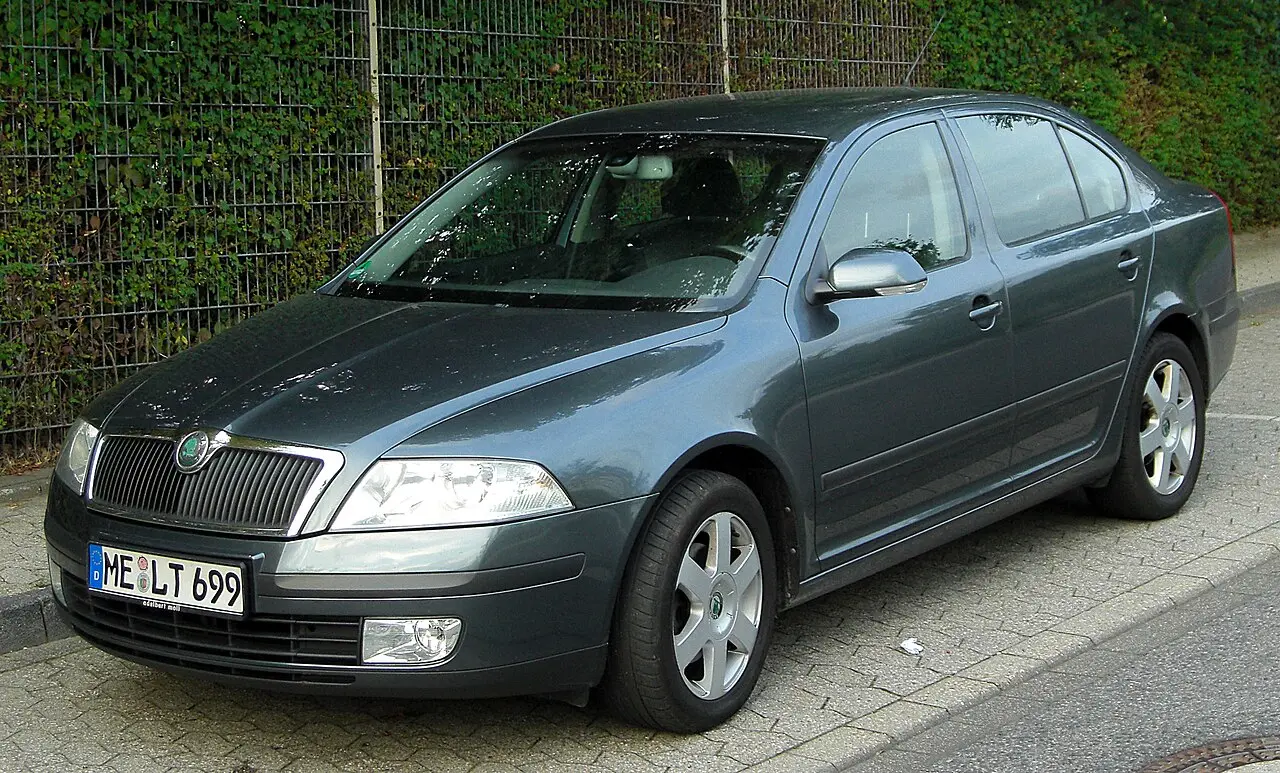
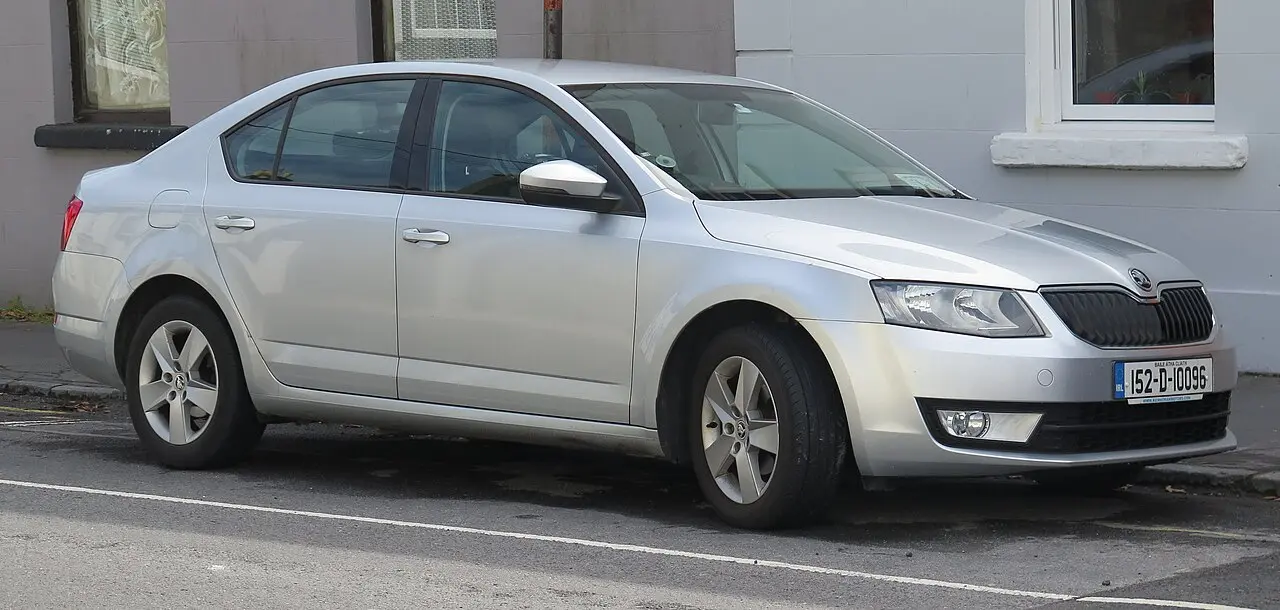
La generazione I (2000–2010) ha definito il carattere spazioso e pratico della Octavia moderna; alla hatchback si è affiancata una station wagon. La generazione II (2004–2013) ha introdotto un nuovo design, mantenendo entrambe le carrozzerie. La generazione III (2012–2020) ha offerto più spazio e tecnologie più recenti per l’assistenza alla guida e l’infotainment. La generazione IV (2019–oggi) ha introdotto nella gamma la motorizzazione ibrida plug-in, insieme a funzioni digitali aggiornate. Le date delle generazioni si sovrappongono perché le nuove versioni sono arrivate in momenti diversi nei vari mercati.
Motori, potenza e consumi ufficiali
Nelle immatricolazioni UE dal 2010 al 2025, Octavia comprende motori da 1.0 a 2.0 litri e potenze da 63 kW (86 PS) a 195 kW (265 PS). I carburanti registrati includono benzina, diesel, ibrido, ibrido plug-in, metano, flex fuel E85 e GPL. Il consumo minimo indicato nell’UE per le versioni a benzina, diesel e ibride è di 1,2 L/100 km secondo il WLTP. Per l’ibrida plug-in il valore minimo è 1 L/100 km WLTP: un dato ufficiale ponderato che presuppone una parte di guida in modalità elettrica.
I dati UK VCA dal 2000 al 2026 mostrano motori da 1.0 a 2.0 litri, potenze da 59 kW (80 PS) a 169 kW (230 PS) e un consumo minimo indicato di 3,2 L/100 km secondo il NEDC. I dati dell’ADEME francese dal 2012 al 2026 riportano potenze da 63 kW (86 PS) a 162 kW (220 PS), con lo stesso valore minimo NEDC. WLTP e NEDC sono cicli di prova europei diversi: è quindi opportuno considerare i risultati insieme al ciclo e al mercato di riferimento.
Dove è stata venduta Octavia?
Dal 2010 al 2025 le immatricolazioni nell’UE ammontano a 4.816.968. Tra le versioni più diffuse in questi dati spiccano i diesel da 1.6 litri. La scelta di carrozzerie e motori ha reso Octavia un’auto per famiglie e flotte molto diffusa in tutta Europa.
Domande e risposte
Quali carrozzerie sono disponibili per Octavia?
La Octavia moderna è stata proposta con carrozzeria hatchback e station wagon.
Qual è la Octavia più efficiente nei dati UE?
Il valore minimo indicato per le versioni a benzina, diesel e ibride è 1,2 L/100 km WLTP. Per l’ibrida plug-in il minimo è 1 L/100 km WLTP, un dato ponderato che presuppone una parte di guida elettrica.
Quanta potenza ha Octavia?
I dati UE coprono da 63 kW (86 PS) a 195 kW (265 PS); gli intervalli nel Regno Unito e in Francia sono diversi.
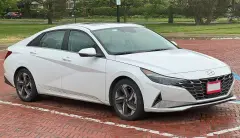
In breve: Lunghezza 4510–4570 mm · Massa a vuoto 1195–1390 kg · Velocità massima 188–238 km/h · Superamento della revisione MOT al primo tentativo a 13 anni e oltre: 68,6% (Media del Regno Unito 69,2%) Specifiche, affidabilità e tutte le versioni →
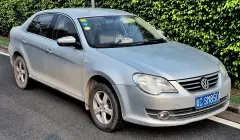
In breve: Lunghezza 4570–4690 mm · Massa a vuoto 1170–1275 kg · Velocità massima 191–204 km/h · Superamento della revisione MOT al primo tentativo a 9–12 anni: 79,8% (Media del Regno Unito 77,9%) Specifiche, affidabilità e tutte le versioni →
Codici modello: 5E · In vendita in: Unione europea, Regno Unito e Francia · Riferimenti: skoda.co.uk, en.wikipedia.org
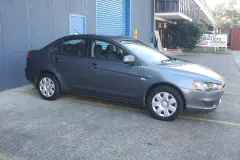
In breve: Lunghezza 4660–4670 mm · Massa a vuoto 1147–1285 kg · Velocità massima 193–222 km/h · Superamento della revisione MOT al primo tentativo a 6–8 anni: 89,7% (Media del Regno Unito 86,4%) Specifiche, affidabilità e tutte le versioni →
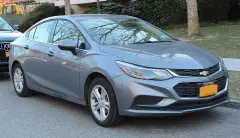
In breve: Lunghezza 4670–4750 mm · Massa a vuoto 1213–1553 kg · Velocità massima 201–228 km/h · Superamento della revisione MOT al primo tentativo a 3 anni: 93,1% (Media del Regno Unito 92,2%) Specifiche, affidabilità e tutte le versioni →
Mostra tutte le 141 versioni
Unione europea 115 versioni
Auto nuove immatricolate nell'UE (oltre che in Norvegia e Islanda), dati dell'Agenzia europea dell'ambiente. Cifre secondo la procedura NEDC fino al 2020 e WLTP dal 2021; le versioni sono raggruppate per motore e potenza, con il relativo numero di immatricolazioni.
Anni e versione
Motore
Potenza
Carburante
Consumo (combinato)
CO₂
Autonomia elettrica
Immatricolazioni UE
2021–2025
2,0 L
110 kW (150 PS)
Diesel
4,4–4,7 L/100 km WLTP
120–122 g/km
–
213.430
2022–2025
1,5 L
110 kW (150 PS)
Ibrida
5,1–5,5 L/100 km WLTP
116–125 g/km
–
89.535
2024–2025
1,5 L
85 kW (116 PS)
Benzina
5,4–5,5 L/100 km WLTP
122 g/km
–
17.974
2024–2025
2,0 L
195 kW (265 PS)
Benzina
6,6–6,9 L/100 km WLTP
158 g/km
–
14.636
2023–2025
1,5 L
85 kW (116 PS)
Ibrida
5,1–5,4 L/100 km WLTP
115–119 g/km
–
16.201
2021–2025
2,0 L
85 kW (116 PS)
Diesel
4,1–4,5 L/100 km WLTP
113–115 g/km
–
118.348
2021–2025
1,5 L
110 kW (150 PS)
Benzina
5,3–5,6 L/100 km WLTP
123–127 g/km
–
78.949
2025
2,0 L
150 kW (204 PS)
Benzina
7,0 L/100 km WLTP
159 g/km
–
2048
2024–2025
1,5 L
110 kW (150 PS)
Ibrida plug-in
5,0–5,3 L/100 km WLTP
113–120 g/km
–
956
2024–2025
1,5 L
85 kW (116 PS)
Ibrida plug-in
5,0–5,1 L/100 km WLTP
113–115 g/km
–
658
2021–2025
1,4 L
110 kW (150 PS)
Ibrida plug-in
1,0–8,4 L/100 km WLTP14,4–14,8 kWh/100 km WLTP
23–26 g/km
63–70 km
55.977
2021–2025
2,0 L
147 kW (200 PS)
Diesel
5,3–5,4 L/100 km WLTP
142–143 g/km
–
42.571
2021–2025
1,0 L
81 kW (110 PS)
Ibrida
4,7–5,4 L/100 km WLTP
119–120 g/km
–
25.973
2021–2025
1,5 L
96 kW (131 PS)
Gas naturale
5,5–6,8 L/100 km WLTP
105–106 g/km
–
13.134
2021–2025
2,0 L
180 kW (245 PS)
Benzina
6,9–7,1 L/100 km WLTP
159–162 g/km
–
24.218
2021–2025
1,0 L
81 kW (110 PS)
Benzina
4,9–5,5 L/100 km WLTP
120–122 g/km
–
26.385
2021–2024
2,0 L
140 kW (190 PS)
Benzina
6,8–7,2 L/100 km WLTP
161–165 g/km
–
7039
2024
1,0 L
81 kW (110 PS)
Ibrida plug-in
5,2 L/100 km WLTP
119 g/km
–
208
2024
1,4 L
110 kW (150 PS)
Benzina
5,2 L/100 km WLTP
127 g/km
–
119
2023
2,0 L
110 kW (150 PS)
Diesel
4,6 L/100 km WLTP16,0 kWh/100 km WLTP
121 g/km
–
47.337
2023
2,0 L
67 kW (91 PS)
Diesel
4,4 L/100 km WLTP
116 g/km
–
340
2023
1,5 L
67 kW (91 PS)
Ibrida
5,4 L/100 km WLTP
122 g/km
–
164
2023
2,0 L
81 kW (110 PS)
Diesel
4,4 L/100 km WLTP
117 g/km
–
107
2023
2,0 L
84 kW (114 PS)
Diesel
4,4 L/100 km WLTP
117 g/km
–
82
2023
2,0 L
95 kW (129 PS)
Diesel
4,4 L/100 km WLTP
117 g/km
–
72
2023
1,5 L
67 kW (91 PS)
Benzina
5,5 L/100 km WLTP
123 g/km
–
68
2023
1,5 L
81 kW (110 PS)
Ibrida
5,4 L/100 km WLTP
122 g/km
–
51
2023
2,0 L
96 kW (131 PS)
Diesel
4,4 L/100 km WLTP
116 g/km
–
51
2023
2,0 L
68 kW (92 PS)
Diesel
4,4 L/100 km WLTP
116 g/km
–
46
2023
2,0 L
72 kW (98 PS)
Diesel
4,4 L/100 km WLTP
117 g/km
–
40
2023
2,0 L
91 kW (124 PS)
Diesel
4,4 L/100 km WLTP
116 g/km
–
40
2023
2,0 L
112 kW (152 PS)
Diesel
4,4 L/100 km WLTP
117 g/km
–
38
2023
2,0 L
140 kW (190 PS)
Diesel
4,4 L/100 km WLTP
117 g/km
–
33
2023
2,0 L
132 kW (179 PS)
Diesel
4,4 L/100 km WLTP
117 g/km
–
32
2023
2,0 L
61 kW (83 PS)
Diesel
4,4 L/100 km WLTP
116 g/km
–
30
2023
2,0 L
90 kW (122 PS)
Diesel
4,4 L/100 km WLTP
118 g/km
–
30
2023
1,5 L
84 kW (114 PS)
Ibrida
5,4 L/100 km WLTP
122 g/km
–
28
2023
2,0 L
69 kW (94 PS)
Diesel
4,4 L/100 km WLTP
116 g/km
–
28
2023
1,5 L
72 kW (98 PS)
Ibrida
5,4 L/100 km WLTP
122 g/km
–
27
2023
1,5 L
95 kW (129 PS)
Ibrida
5,4 L/100 km WLTP
122 g/km
–
27
2023
2,0 L
70 kW (95 PS)
Diesel
4,4 L/100 km WLTP
114 g/km
–
27
2023
2,0 L
120 kW (163 PS)
Diesel
4,4 L/100 km WLTP
115 g/km
–
27
2023
2,0 L
131 kW (178 PS)
Diesel
4,4 L/100 km WLTP
116 g/km
–
27
2023
1,0 L
67 kW (91 PS)
Benzina
5,2 L/100 km WLTP
118 g/km
–
26
2023
2,0 L
150 kW (204 PS)
Diesel
4,4 L/100 km WLTP
115 g/km
–
26
2023
2,0 L
116 kW (158 PS)
Diesel
4,5 L/100 km WLTP
117 g/km
–
25
2023
2,0 L
210 kW (286 PS)
Diesel
4,4 L/100 km WLTP
115 g/km
–
24
2023
1,5 L
96 kW (131 PS)
Ibrida
5,4 L/100 km WLTP
122 g/km
–
22
2023
1,0 L
67 kW (91 PS)
Ibrida
5,1 L/100 km WLTP
116 g/km
–
21
2023
1,0 L
110 kW (150 PS)
Ibrida
5,1 L/100 km WLTP
116 g/km
–
19
2023
1,5 L
81 kW (110 PS)
Benzina
5,4 L/100 km WLTP
123 g/km
–
19
2023
2,0 L
74 kW (101 PS)
Diesel
4,5 L/100 km WLTP
117 g/km
–
19
2023
2,0 L
80 kW (109 PS)
Diesel
4,5 L/100 km WLTP
118 g/km
–
18
2023
1,0 L
110 kW (150 PS)
Benzina
5,2 L/100 km WLTP
118 g/km
–
17
2023
2,0 L
117 kW (159 PS)
Diesel
4,4 L/100 km WLTP
115 g/km
–
16
2023
1,5 L
61 kW (83 PS)
Ibrida
5,4 L/100 km WLTP
122 g/km
–
15
2023
1,5 L
70 kW (95 PS)
Ibrida
5,4 L/100 km WLTP
123 g/km
–
15
2023
1,5 L
96 kW (131 PS)
Benzina
5,4 L/100 km WLTP
122 g/km
–
15
2023
1,5 L
90 kW (122 PS)
Ibrida
5,4 L/100 km WLTP
122 g/km
–
14
2023
1,5 L
91 kW (124 PS)
Ibrida
5,4 L/100 km WLTP
122 g/km
–
14
2023
1,5 L
84 kW (114 PS)
Benzina
5,4 L/100 km WLTP
123 g/km
–
13
2023
1,5 L
112 kW (152 PS)
Ibrida
5,4 L/100 km WLTP
122 g/km
–
13
2023
1,5 L
140 kW (190 PS)
Ibrida
5,4 L/100 km WLTP
121 g/km
–
12
2021–2023
2,0 L
135 kW (184 PS)
Diesel
4,3–5,4 L/100 km WLTP
114–163 g/km
–
84
2023
2,0 L
250 kW (340 PS)
Diesel
4,4 L/100 km WLTP
115 g/km
–
12
2023
1,5 L
69 kW (94 PS)
Ibrida
5,4 L/100 km WLTP
123 g/km
–
11
2023
1,5 L
95 kW (129 PS)
Benzina
5,4 L/100 km WLTP
123 g/km
–
11
2023
1,5 L
132 kW (179 PS)
Ibrida
5,4 L/100 km WLTP
122 g/km
–
11
2023
2,0 L
49 kW (67 PS)
Diesel
4,6 L/100 km WLTP
122 g/km
–
11
2023
2,0 L
92 kW (125 PS)
Diesel
4,4 L/100 km WLTP
115 g/km
–
11
2023
1,5 L
68 kW (92 PS)
Ibrida
5,4 L/100 km WLTP
123 g/km
–
10
2023
1,5 L
72 kW (98 PS)
Benzina
5,5 L/100 km WLTP
123 g/km
–
10
2023
1,5 L
131 kW (178 PS)
Ibrida
5,4 L/100 km WLTP
122 g/km
–
10
2023
2,0 L
53 kW (72 PS)
Diesel
4,3 L/100 km WLTP
114 g/km
–
10
2023
2,0 L
143 kW (194 PS)
Diesel
4,4 L/100 km WLTP
115 g/km
–
10
2022
–
96 kW (131 PS)
Gas naturale
5,9 L/100 km WLTP
106 g/km
–
16
2021
1,5 L
110 kW (150 PS)
Ibrida
5,0 L/100 km WLTP0,5 kWh/100 km WLTP
124 g/km
–
17.777
2021
1,0 L
85 kW (116 PS)
Benzina
4,9 L/100 km WLTP
125 g/km
–
560
2021
1,6 L
85 kW (116 PS)
Diesel
4,2 L/100 km WLTP
132 g/km
–
418
2021
1,4 L
110 kW (150 PS)
Benzina
14,4 kWh/100 km WLTP
126 g/km
64 km
280
2021
1,5 L
110 kW (150 PS)
Diesel
–
124 g/km
–
126
2021
2,0 L
85 kW (116 PS)
Benzina
–
121 g/km
–
94
2021
1,4 L
110 kW (150 PS)
Ibrida
1,2 L/100 km WLTP11,4 kWh/100 km WLTP
33 g/km
76 km
61
2021
1,5 L
110 kW (150 PS)
Ibrida plug-in
14,4 kWh/100 km WLTP
47 g/km
66 km
49
2021
–
96 kW (131 PS)
Gas naturale
–
106 g/km
–
40
2021
2,0 L
110 kW (150 PS)
Benzina
–
126 g/km
–
40
2021
2,0 L
85 kW (116 PS)
Ibrida
–
118 g/km
–
24
2021
2,0 L
110 kW (150 PS)
Ibrida
–
120 g/km
–
16
2021
2,0 L
180 kW (245 PS)
Diesel
–
137 g/km
–
16
2021
2,0 L
110 kW (150 PS)
Ibrida plug-in
14,4 kWh/100 km WLTP
25 g/km
66 km
14
2019–2020
1,5 L
110 kW (150 PS)
Benzina
–
113–117 g/km
–
210.117
2019–2020
2,0 L
110 kW (150 PS)
Diesel
–
104–117 g/km
–
190.305
2019–2020
1,6 L
85 kW (116 PS)
Diesel
–
105–109 g/km
–
142.101
2019–2020
1,0 L
85 kW (116 PS)
Benzina
–
110–111 g/km
–
70.205
2019–2020
2,0 L
85 kW (116 PS)
Diesel
–
93–99 g/km
–
22.324
2019–2020
2,0 L
135 kW (184 PS)
Diesel
–
132–134 g/km
–
43.505
2019–2020
1,5 L
96 kW (131 PS)
Gas naturale
–
96 g/km
–
31.821
2019–2020
2,0 L
180 kW (245 PS)
Benzina
–
145 g/km
–
34.082
2020
1,4 L
110 kW (150 PS)
Ibrida plug-in
17,6 kWh/100 km NEDC
31 g/km
71 km
6294
2020
1,0 L
81 kW (110 PS)
Benzina
–
107 g/km
–
3744
2020
1,0 L
81 kW (110 PS)
Ibrida
–
98 g/km
–
2418
2019–2020
2,0 L
140 kW (190 PS)
Benzina
–
144–150 g/km
–
17.349
2020
2,0 L
147 kW (200 PS)
Diesel
–
126 g/km
–
726
2020
1,4 L
55 kW (75 PS)
Ibrida plug-in
14,4 kWh/100 km NEDC
31 g/km
76 km
142
2019–2020
1,4 L
110 kW (150 PS)
Benzina
–
52–121 g/km
–
1440
2020
1,5 L
110 kW (150 PS)
Ibrida
–
107 g/km
–
54
2020
1,6 L
81 kW (110 PS)
Benzina
–
169 g/km
–
22
2020
1,4 L
110 kW (150 PS)
Ibrida
–
70 g/km
–
14
2020
2,0 L
105 kW (143 PS)
Diesel
–
159 g/km
–
14
2019
1,6 L
66 kW (90 PS)
Diesel
–
106 g/km
–
184
2019
1,8 L
132 kW (179 PS)
Benzina
–
144 g/km
–
114
2019
2,0 L
169 kW (230 PS)
Benzina
–
149 g/km
–
94
2019
1,4 L
81 kW (110 PS)
Gas naturale
–
109 g/km
–
56
2019
1,2 L
63 kW (86 PS)
Benzina
–
114 g/km
–
20
2019
1,5 L
110 kW (150 PS)
Carburante flessibile (E85)
–
115 g/km
–
10
Regno Unito 20 versioni
Auto nuove in vendita nel Regno Unito, dati della Vehicle Certification Agency. Cifre NEDC fino al 2018 e WLTP in seguito; gli anni indicano le edizioni in cui è comparsa una versione.
Anni e versione
Motore
Potenza
Carburante
Cambio
Consumo (combinato)
CO₂
2025–2026SE Technology 1.5 TSI 116 PS 6G Man
1,5 L
85 kW (116 PS)
Benzina
Manuale a 6 marce
5,4–5,5 L/100 km WLTP
122–125 g/km
2025–2026SE Technology 1.5 TSI e-TEC 116 PS DSG
1,5 L
85 kW (116 PS)
Ibrida
Automatica a 7 marce
4,9–5,1 L/100 km WLTP
111–116 g/km
2025–2026SE Technology 1.5 TSI 116PS ACT
1,5 L
85 kW (116 PS)
Benzina
Manuale a 6 marce
5,2–5,3 L/100 km WLTP
119–121 g/km
2025–2026SE L 1.5 TSI 150 PS 6G Man
1,5 L
110 kW (150 PS)
Benzina
Manuale a 6 marce
5,3–5,8 L/100 km WLTP
121–133 g/km
2025–2026SE L 1.5 TSI e-TEC 150 PS DSG
1,5 L
110 kW (150 PS)
Ibrida
Automatica a 7 marce
4,9–5,3 L/100 km WLTP
112–120 g/km
2025–2026SE L 1.5 TSI e-TEC 150 PS DSG · SportLine 1.5 TSI e-TEC 150 PS DSG
1,5 L
110 kW (150 PS)
Ibrida
Automatica a 7 marce
5,4 L/100 km WLTP
123 g/km
2025–2026SportLine 1.5 TSI 150 PS 6G Man
1,5 L
110 kW (150 PS)
Benzina
Manuale a 6 marce
5,6–5,9 L/100 km WLTP
128–133 g/km
2025–2026SportLine 1.5 TSI e-TEC 150 PS DSG
1,5 L
110 kW (150 PS)
Ibrida
Automatica a 7 marce
5,2 L/100 km WLTP
119 g/km
2025–2026SportLine 1.5 TSI 150PS ACT
1,5 L
110 kW (150 PS)
Benzina
Manuale a 6 marce
5,5–5,8 L/100 km WLTP
126–131 g/km
2025–2026SportLine 1.5 TSI e-TEC 150PS DSG ACT
1,5 L
110 kW (150 PS)
Ibrida
Automatica a 7 marce
5,1–5,4 L/100 km WLTP
117–122 g/km
2025–2026SE L 2.0 TDI 116 PS 6G Man
2,0 L
85 kW (116 PS)
Diesel
Manuale a 6 marce
4,4–4,7 L/100 km WLTP
116–123 g/km
2025–2026SE Technology 2.0 TDI 116 PS 6G Man
2,0 L
85 kW (116 PS)
Diesel
Manuale a 6 marce
4,3–4,5 L/100 km WLTP
113–118 g/km
2025–2026SE L 2.0 TDI 116PS SCR
2,0 L
85 kW (116 PS)
Diesel
Manuale a 6 marce
–
113–120 g/km
2025–2026SE L 2.0 TDI 150 PS DSG
2,0 L
110 kW (150 PS)
Diesel
Automatica a 7 marce
4,6–4,9 L/100 km WLTP
121–128 g/km
2025–2026SE Technology 2.0 TDI 150 PS DSG
2,0 L
110 kW (150 PS)
Diesel
Manuale a 6 marce
4,6–4,7 L/100 km WLTP
120–123 g/km
2025–2026SportLine 2.0 TDI 150 PS DSG
2,0 L
110 kW (150 PS)
Diesel
Automatica a 7 marce
4,7–4,9 L/100 km WLTP
124–129 g/km
2025–2026SE L 2.0 TDI 150 PS DSG · SE Technology 2.0 TDI 150PS DSG SCR
2,0 L
110 kW (150 PS)
Diesel
Automatica a 7 marce
4,5 L/100 km WLTP
118 g/km
2025–2026SE Technology 2.0 TDI 150PS DSG SCR
2,0 L
110 kW (150 PS)
Diesel
Automatica a 7 marce
4,6 L/100 km WLTP
120 g/km
2025–2026SportLine 2.0 TDI 150PS DSG SCR
2,0 L
110 kW (150 PS)
Diesel
Automatica a 7 marce
4,7–4,8 L/100 km WLTP
122–127 g/km
2025–2026vRS 2.0 TSI 265 PS DSG
2,0 L
195 kW (265 PS)
Benzina
Automatica a 7 marce
6,9–7,1 L/100 km WLTP
158–162 g/km
Francia 6 versioni
Auto nuove in vendita in Francia, dati di ADEME Car Labelling. Cifre NEDC fino al 2015 e WLTP nel catalogo attuale.
Anni e versione
Motore
Potenza
Carburante
Cambio
Consumo (combinato)
CO₂
2026OCTAVIA Combi 1.0 TSI (110ch) DSG7 mHEV famille A
1,0 L
81 kW (110 PS)
Ibrida
Automatica a 7 marce
4,7 L/100 km WLTP
107 g/km
2026OCTAVIA Berline 1.0 TSI (110ch) DSG7 mHEV famille A
1,0 L
81 kW (110 PS)
Ibrida
Automatica a 7 marce
4,7 L/100 km WLTP
107 g/km
2026OCTAVIA Combi 1.0 TSI (110ch) BVM6
1,0 L
81 kW (110 PS)
Benzina
Manuale a 6 marce
5,0 L/100 km WLTP
112 g/km
2026OCTAVIA Combi 1.5 TSI (150ch) DSG7 mHEV famille A
1,5 L
110 kW (150 PS)
Ibrida
Automatica a 7 marce
4,9 L/100 km WLTP
112 g/km
2026OCTAVIA Berline 1.5 TSI (150ch) DSG7 mHEV
1,5 L
110 kW (150 PS)
Ibrida
Automatica a 7 marce
4,9 L/100 km WLTP
112 g/km
2026OCTAVIA Berline 2.0 TDI (150ch) DSG7
2,0 L
110 kW (150 PS)
Diesel
Automatica a 7 marce
4,2 L/100 km WLTP
110 g/km
Richiami Škoda Octavia
27 richiami ufficiali per la sicurezza della Škoda Octavia, da NHTSA (Stati Uniti), DVSA (Regno Unito) e EU Safety Gate, dal più recente al meno recente. Le riparazioni previste dai richiami sono di norma gratuite presso i concessionari della casa.
Il generatore di gas dell'airbag lato guida potrebbe esplodere2016–2017
L'inflator dell'airbag del conducente potrebbe rompersi2013–2015
La vaschetta del liquido freni potrebbe fondersi e perdere2020–2023
L'alloggiamento del cuscinetto della ruota posteriore potrebbe presentare cavità2023
La copertura dell'airbag del guidatore potrebbe danneggiarsi durante l'apertura2013–2017
I dati ufficiali sono misurati secondo procedure di prova standard e variano da un mercato all'altro. Il consumo dipende da come, dove e in quali condizioni guidi.