What is the Zastava 750?
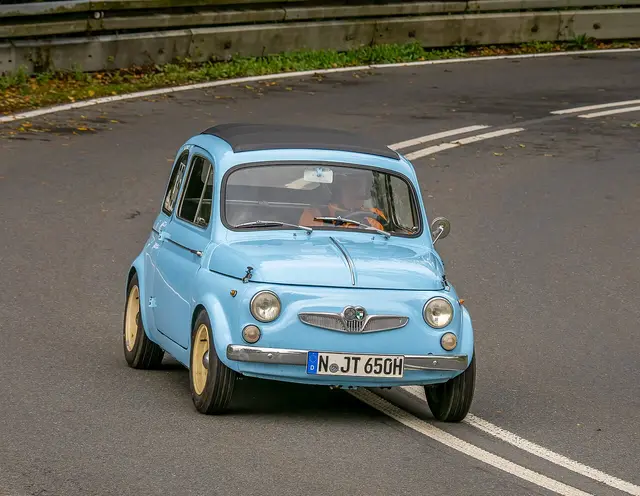
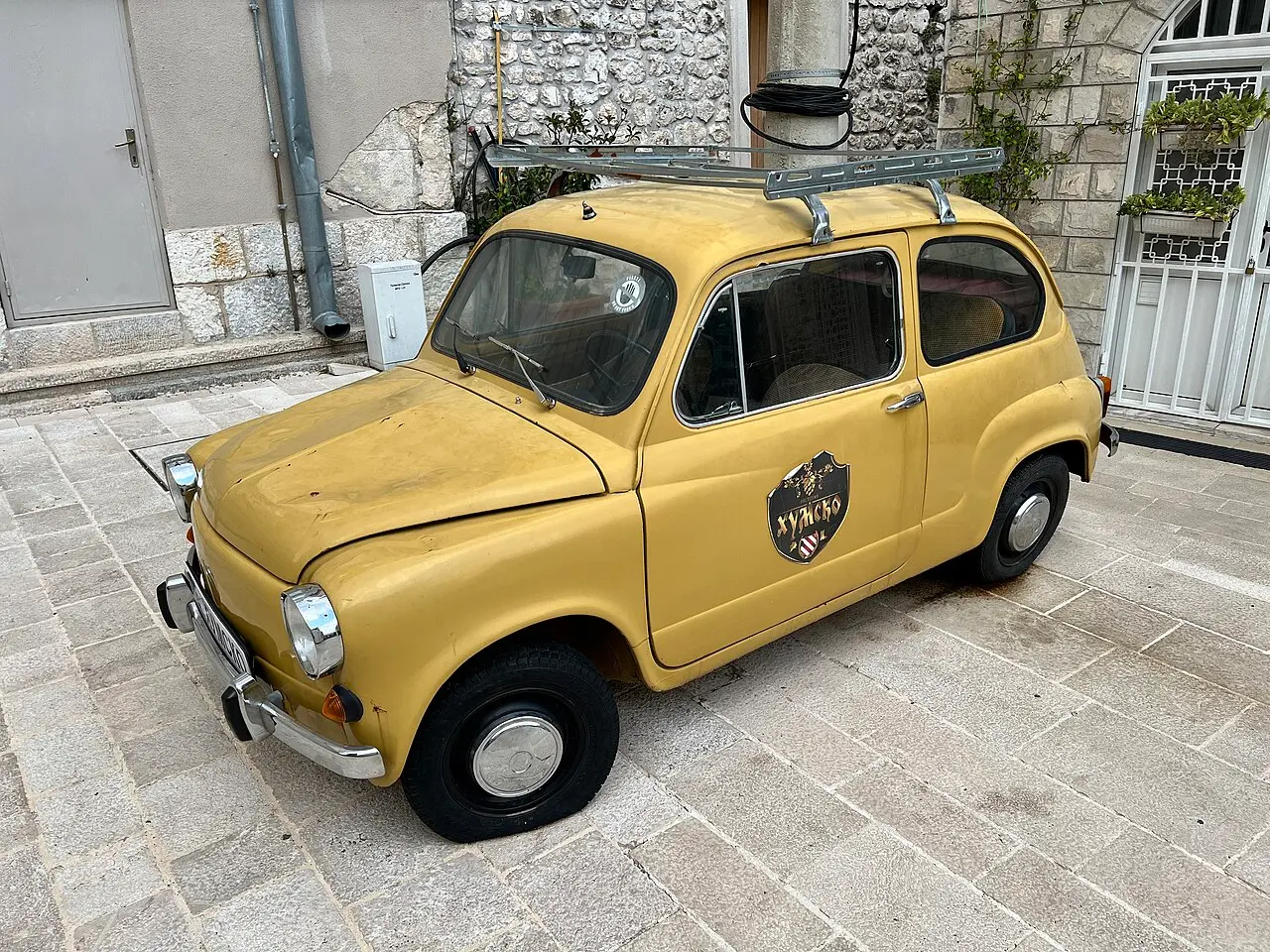
The Zastava 750 was a small, two-door car built in Yugoslavia by Zastava. Its compact size and rear-engine layout made it suited to everyday travel, including city streets. It became widely known by the affectionate nickname Fića.
Zastava built the 750 under licence from Fiat, adapting the Fiat 600 for local production. The car became one of the best-known models in Zastava’s history and a familiar sight in Yugoslav daily life.
Engine and layout
The Zastava 750 had its engine at the back and drove the rear wheels. That simple layout was shared with the Fiat 600 on which the car was based.
The 750 retained the basic character of a compact everyday car through changes to the model. Its small footprint and straightforward design suited urban travel and shorter journeys.
Fuel consumption, CO₂ and markets
The Zastava 750 dates from an era before today’s standardised fuel-consumption and CO₂ tests. Modern WLTP, NEDC, EPA or Canadian 5-cycle ratings therefore do not describe how the original car was measured.
Zastava built the car in Yugoslavia. Its Fiat connection gave it a place in a wider story of licensed car production, while the model is especially associated with everyday motoring in its home country.
Questions and answers
Was the Zastava 750 based on the Fiat 600?
Yes. Zastava built it under licence from Fiat, based on the Fiat 600.
Where was the Zastava 750 made?
Zastava built the car in Yugoslavia.
What were its official fuel consumption and CO₂ figures?
The car predates today’s standardised fuel-consumption and CO₂ tests.
What kind of car was the Zastava 750?
It was a compact, rear-engined car designed for everyday travel.