What is the Steyr-Puch 500?
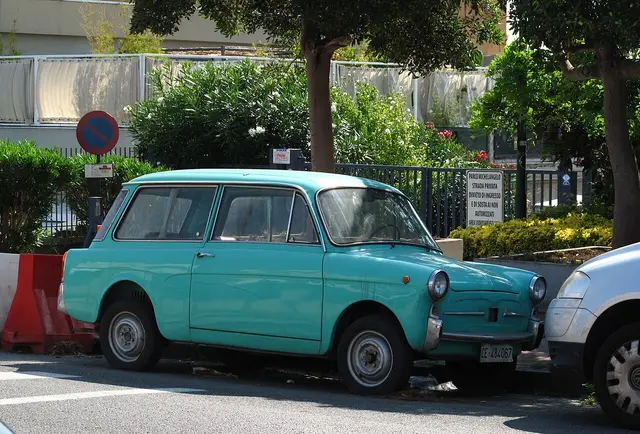
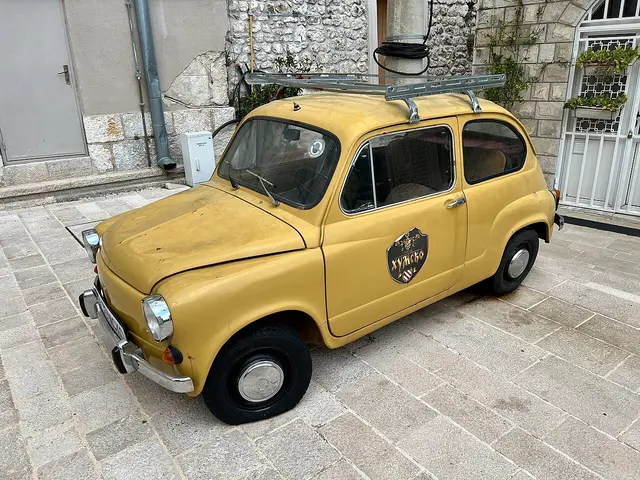
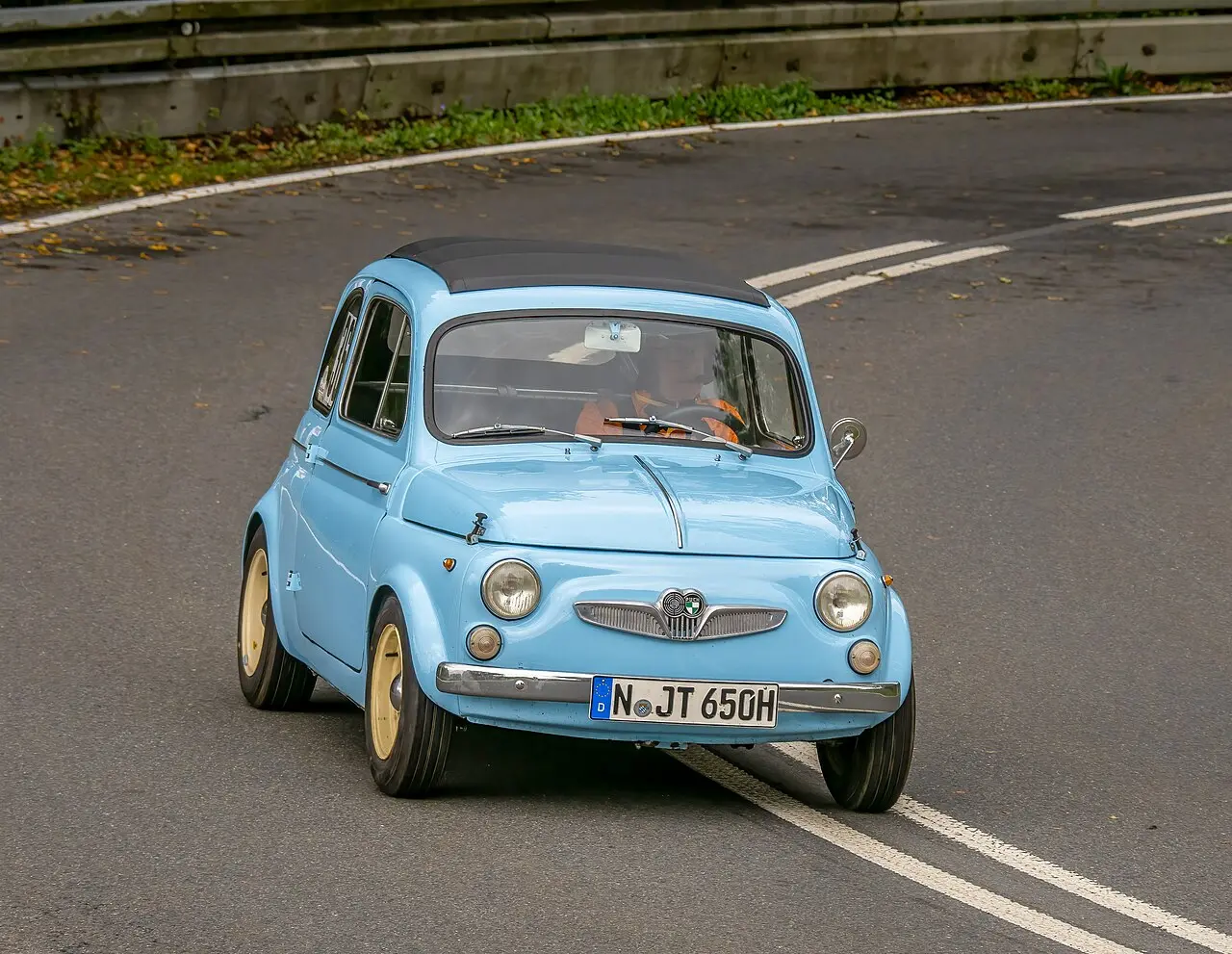
The Steyr-Puch 500 was a small car made by Austrian company Steyr-Daimler-Puch. It used the body of the Fiat 500, with Steyr-Puch engineering underneath. Its compact size and folding fabric roof gave it an easygoing character suited to everyday motoring.
Design and development
The Steyr-Puch 500 was based on the Fiat 500, but the two cars differed mechanically. Steyr-Daimler-Puch developed its own engine and transmission for the Austrian model. The partnership brought together Fiat’s body design and Steyr-Puch’s experience making vehicles in Austria.
Engine
The standard Steyr-Puch 500 had an air-cooled, horizontally opposed two-cylinder engine. This layout set it apart from the Fiat 500’s engine.
Fuel consumption and CO₂
Official fuel-consumption and CO₂ figures vary with the market and test procedure. European figures use WLTP or NEDC methods, while the USA uses EPA testing and Canada uses a five-cycle procedure.
Questions and answers
What was the Steyr-Puch 500?
It was a small Austrian car based on the Fiat 500, with its own engine and transmission developed by Steyr-Daimler-Puch.
Was the Steyr-Puch 500 a Fiat?
It shared the Fiat 500’s body, but Steyr-Daimler-Puch supplied its own mechanical parts.
What kind of engine did it have?
The standard 500 had an air-cooled, horizontally opposed two-cylinder engine.
Where was the Steyr-Puch 500 made?
It was made by Steyr-Daimler-Puch in Austria.