What is the Austin Seven?
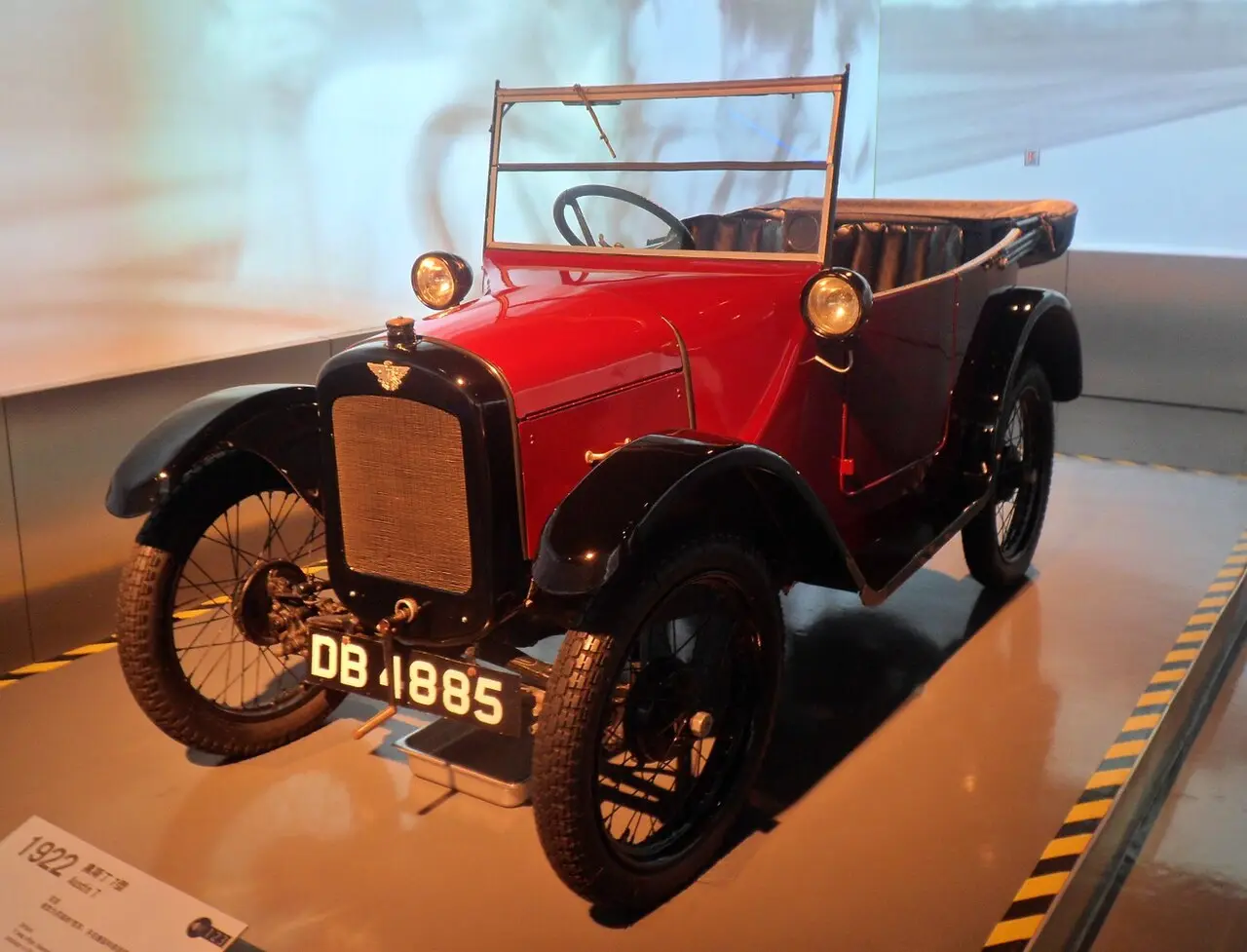
The Austin Seven was a small British car designed to bring motoring within reach of more people. Introduced in 1922, it offered a compact, straightforward alternative to the larger cars of its day. The British Motor Museum describes it as Britain’s cheapest “real” car when it arrived.
The Seven came in body styles including open tourers and saloons, giving owners a choice of practical family transport or open air motoring. Its influence spread beyond Austin, and it became one of the defining small cars of its era.
Development and changes
The Austin Seven was produced from 1922 to 1939. It was not divided into formal generations, but Austin developed the car over that time, with changes to its body styles and equipment. Its central idea remained the same: a small car that made everyday motoring accessible to more people.
Engine and design
The Seven used a small four-cylinder engine. Its name referred to its tax rating, not its engine power. The car evolved during its production life, with improvements including a longer chassis, revised suspension and a four-speed gearbox with synchromesh.
Where was the Austin Seven sold?
The Austin Seven was introduced in Britain. Its design also inspired licensed versions built abroad, extending its influence beyond the UK.
Questions and answers
When was the Austin Seven produced?
The Austin Seven was produced from 1922 to 1939.
What kind of car was the Austin Seven?
It was a small British car offered in body styles including tourers and saloons.
What engine did the Austin Seven use?
It used a small four-cylinder engine.
Why was it called the Seven?
The name referred to its tax rating, not its engine power.