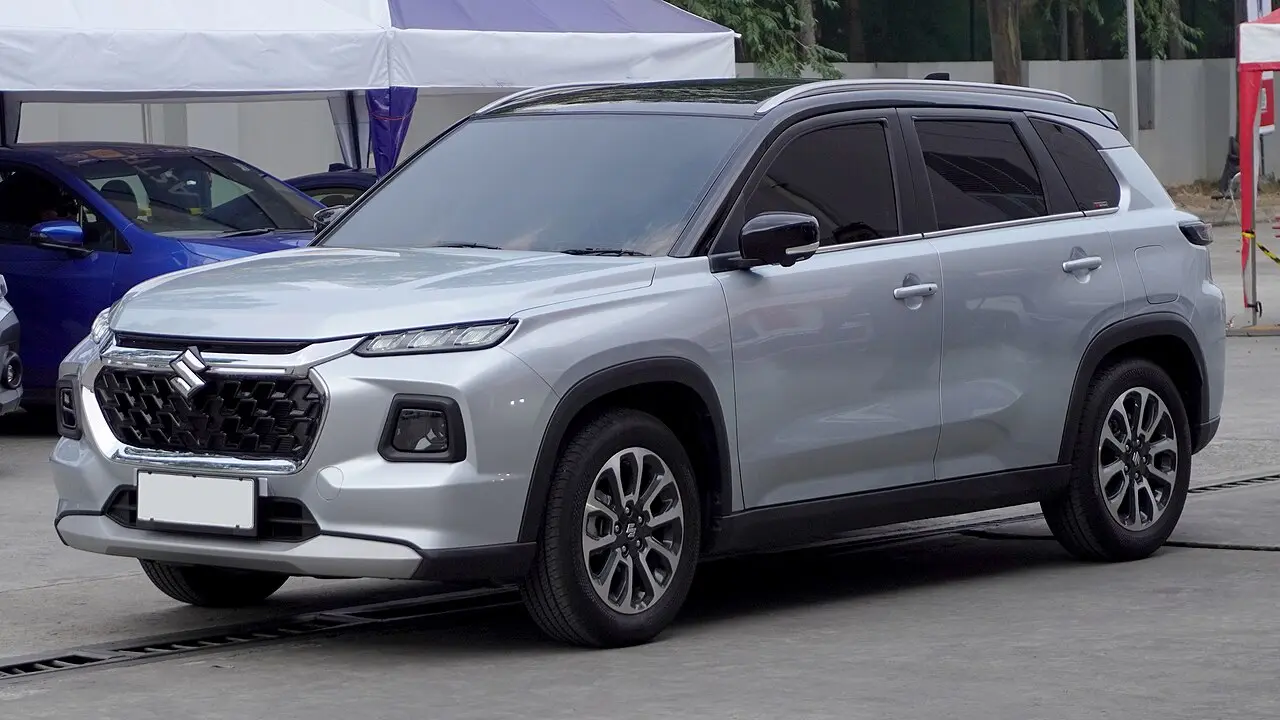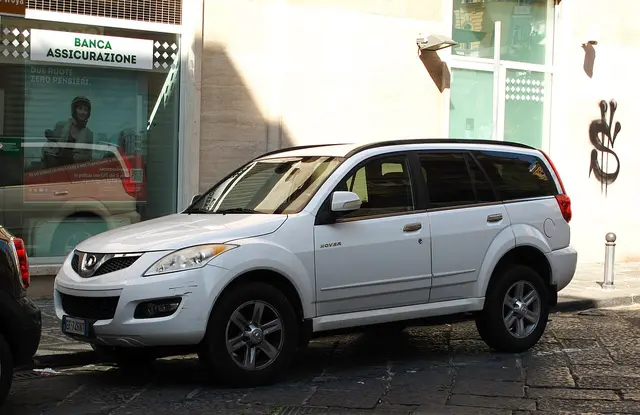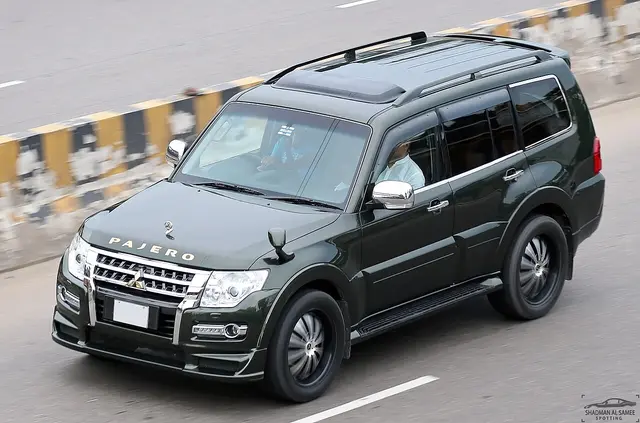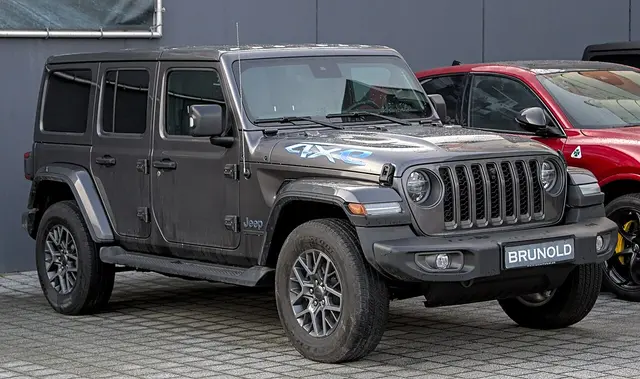
Suzuki Grand Vitara

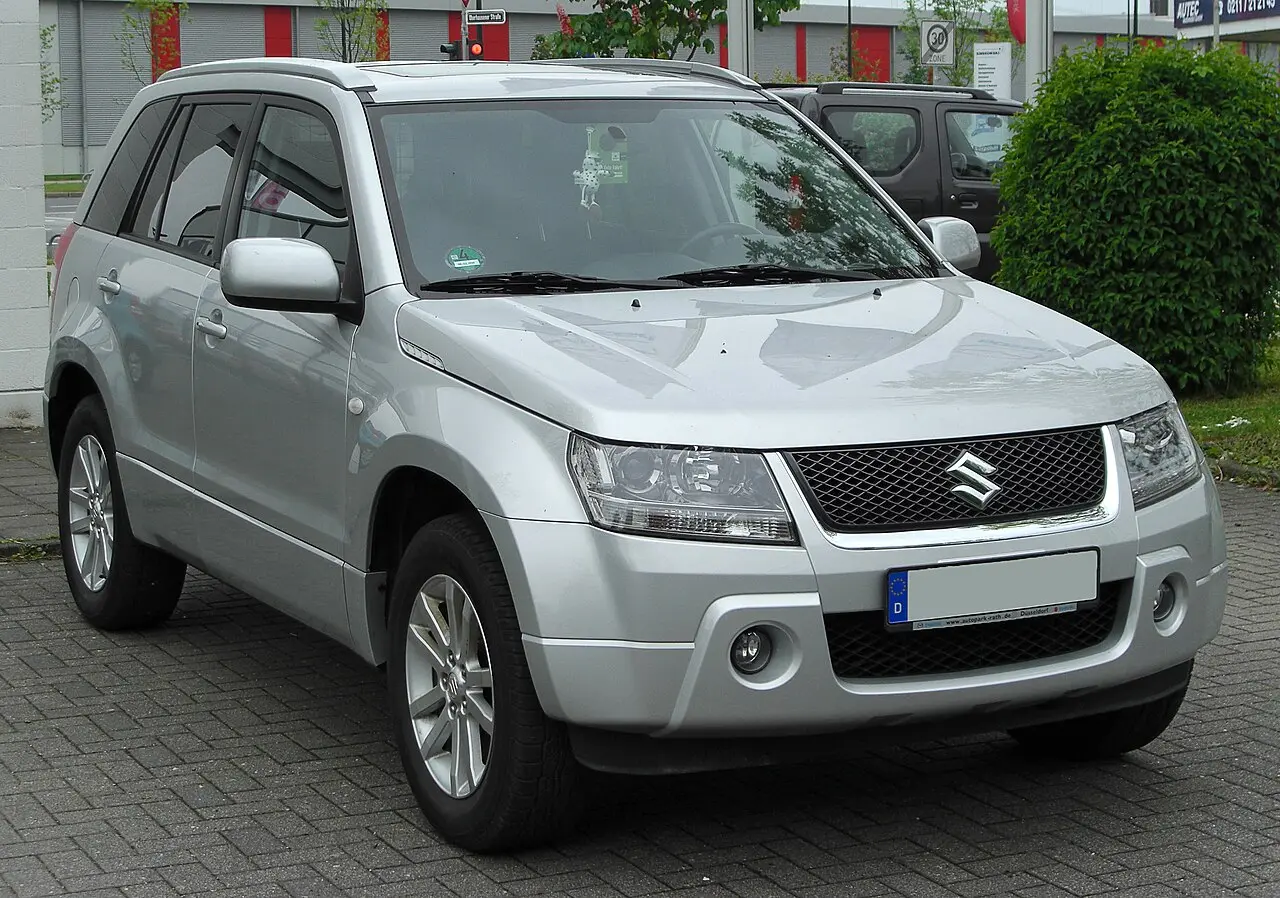
Suzuki Grand Vitara
Photo: M 93 / Wikimedia Commons · Attribution

The official data lists 106 versions of the Suzuki Grand Vitara (1999 - 2016), in the European Union, the United Kingdom, France, the United States, and Canada. Each market publishes its own figures, measured on its own test procedure.

At a glance

Years in the data
1999 - 2016
Markets
European Union, United Kingdom, France, United States, Canada
Engines
1.6 L to 3.2 L
Power
78 kW (106 PS) to 124 kW (169 PS)
Fuels
Diesel, Petrol, LPG
Lowest consumption (France)
6.6 L/100 km (NEDC)
Lowest consumption (United Kingdom)
6.6 L/100 km (NEDC)
Lowest consumption (United States)
10.7 L/100 km (EPA)
New registrations in the EU
105,654

What is the Suzuki Grand Vitara?

The Grand Vitara is a compact SUV from Suzuki’s long-running four-wheel-drive line. It combines a family-friendly cabin with the ability to travel beyond paved roads, reflecting the brand’s experience with compact 4x4 vehicles. The name became part of the Vitara series in 1998, and the Grand Vitara developed into a roomier, more substantial SUV.

The first generation retained a rugged four-wheel-drive character while offering more space and comfort. The generation introduced in 2005 kept an integrated ladder frame and added a four-mode four-wheel-drive system, balancing off-road ability with more composed road manners.

Generations and changes

The first generation ran from 1999 to 2005 in the market-year record. It was Suzuki’s compact 4x4, offered in shorter and longer body styles across different markets.

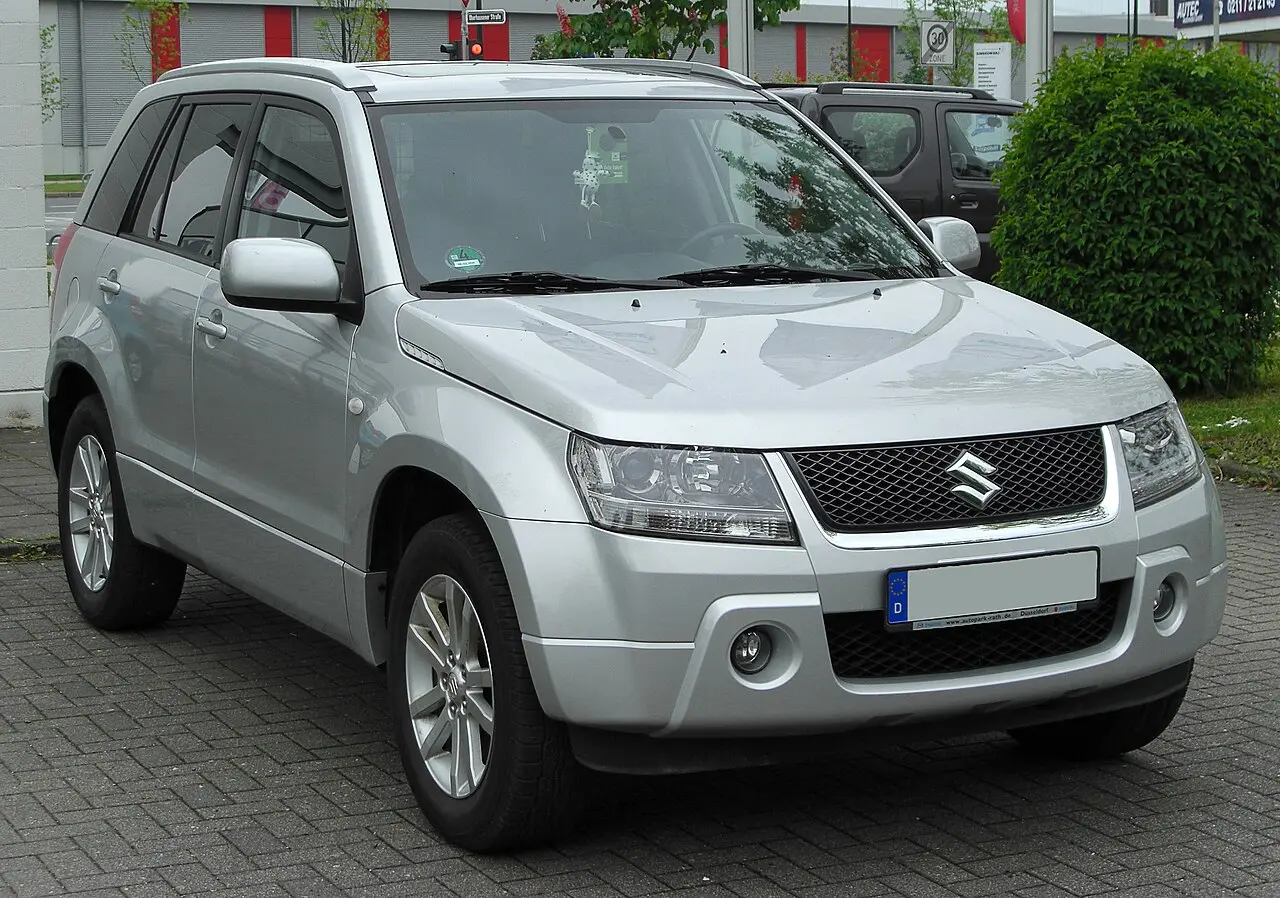
The second generation began in 2006. It continued in North America through 2013, while European and UK model years extended through 2015. It brought a four-mode four-wheel-drive system and independent suspension while retaining the model’s SUV character.

Engines, power and fuel consumption

The EU range recorded from 2010 to 2016 covers 1.6 L to 3.2 L engines, with power from 78 kW (106 PS) to 124 kW (169 PS). The listed fuel types include diesel, petrol, LPG and other. UK versions from 2000 to 2015 span 1.6 L to 2.7 L engines. France’s versions from 2012 to 2014 are diesel, with 95 kW (129 PS).

The lowest stated UK and French consumption figures are both 6.6 L/100 km on NEDC. In the United States, the lowest EPA figure is 10.7 L/100 km, or 22 MPG combined. Canada’s lowest figure is 11.3 L/100 km on the NRCan 5-cycle test. European NEDC, US EPA and Canadian 5-cycle procedures differ, so the results are not directly comparable.

Where was the Grand Vitara sold?

The Grand Vitara was sold in the European Union, the UK, France, the United States and Canada. The listed years begin in 1999 in North America and in 2000 in the UK. EU registrations show diesel among the model’s popular versions, while US and Canadian entries cover petrol versions.

Questions and answers

How many Grand Vitara generations are listed?

Two: the first generation ran from 1999 to 2005, and the second began in 2006. The second generation’s end year differs by market.

What engine sizes appear in EU Grand Vitara records?

The EU range spans 1.6 L to 3.2 L, with power from 78 kW (106 PS) to 124 kW (169 PS).

What is the lowest stated Grand Vitara fuel consumption?

The UK and French NEDC figures each reach 6.6 L/100 km. The lowest US EPA figure is 10.7 L/100 km, and Canada’s lowest NRCan 5-cycle figure is 11.3 L/100 km.
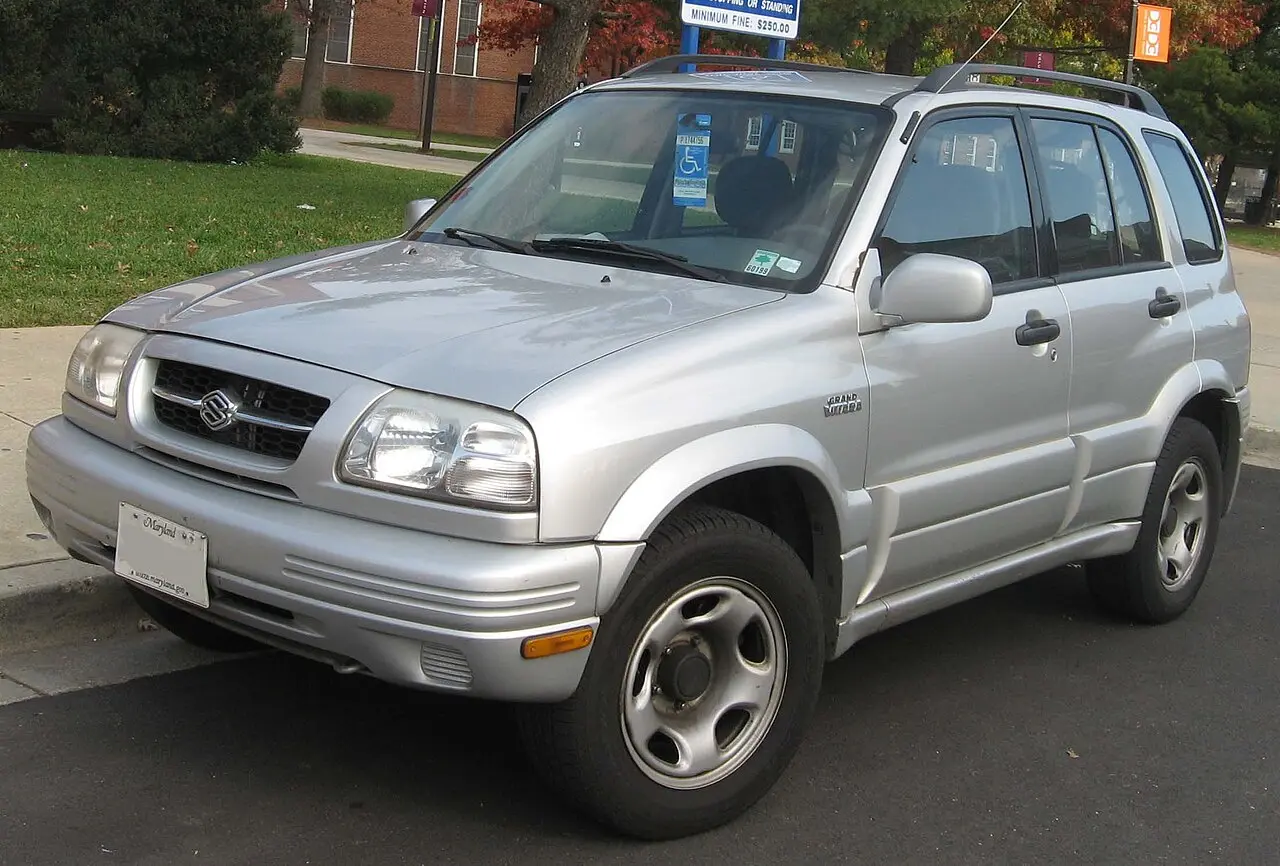
Grand Vitara first generation (1999 - 2005)

Suzuki Grand Vitara first generation
Photo: IFCAR / Wikimedia Commons · Public domain

Model codes: FT, GT · Sold in: United States, Canada, European Union, United Kingdom, and France · References: suzuki.co.jp, automobile-catalog.com

At a glance: Length 3,890 - 4,700 mm · Kerb weight 1,190 - 1,380 kg · Top speed 155 - 175 km/h · MOT first-time pass at 13 years and older: 63.8% (UK average 69.2%) Specifications, reliability and all versions

Show all 25 versions

Grand Vitara second generation (2006 - 2015)

Suzuki Grand Vitara second generation
Photo: M 93 / Wikimedia Commons · Attribution

Model codes: JT · Sold in: European Union, United Kingdom, and France · References: presse.suzuki.fr, cars-data.com

At a glance: Length 4,010 - 4,500 mm · Kerb weight 1,345 - 1,559 kg · Top speed 160 - 185 km/h · MOT first-time pass at 13 years and older: 70.6% (UK average 69.2%) Specifications, reliability and all versions

Show all 62 versions

Grand Vitara second generation (2006 - 2013)

Suzuki Grand Vitara second generation
Photo: M 93 / Wikimedia Commons · Attribution

Model codes: JT · Sold in: United States and Canada · References: suzuki.com, automobile-catalog.com

At a glance: Length 4,010 - 4,500 mm · Kerb weight 1,345 - 1,559 kg · Top speed 160 - 185 km/h · MOT first-time pass at 13 years and older: 70.6% (UK average 69.2%) Specifications, reliability and all versions

Show all 19 versions

Grand Vitara third generation (2022 - 2024)

Suzuki Grand Vitara third generation
Photo: Andra Febrian / Wikimedia Commons · CC BY-SA 4.0

Sold in: European Union, United Kingdom, and France · References: en.wikipedia.org

At a glance: Length 3,865 - 4,500 mm · Kerb weight 1,150 - 1,310 kg · Top speed 160 - 180 km/h Specifications, reliability and all versions

Versions outside these generations

European Union 1 version

New cars registered in the EU (plus Norway and Iceland), from the European Environment Agency. Figures on the NEDC procedure until 2020 and on WLTP from 2021; versions are grouped by engine and power, with their number of registrations.

Years and versionEnginePowerFuelCO₂EU registrations
20161.9 L95 kW (129 PS)Diesel192 g/km10

Suzuki Grand Vitara recalls

26 official safety recalls for the Suzuki Grand Vitara from NHTSA (United States), DVSA (United Kingdom) and the EU Safety Gate, newest first. Recall repairs are normally free at the maker’s dealers.

  • Driver airbag may deploy slowly or rupture1998 - 1999
  • Passenger seat sensor may misclassify occupant2006 - 2013
  • Power steering pulley may break apart2006
  • Gear shift rear shaft may break2008 - 2013
  • Manual transmission shift shaft may break2009 - 2013

See all 26 recalls

Official figures are measured on standard test procedures and differ between markets. Your consumption depends on how, where and in what conditions you drive.