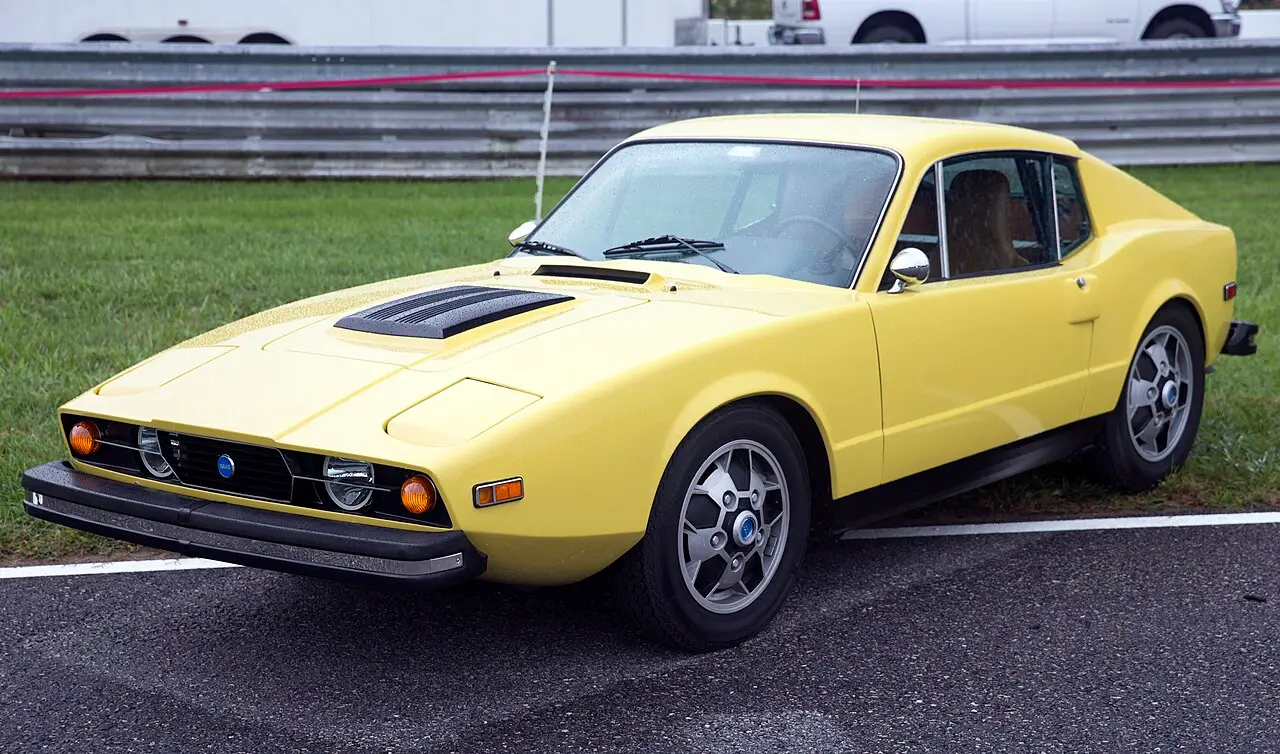
What is the Saab Sonett?
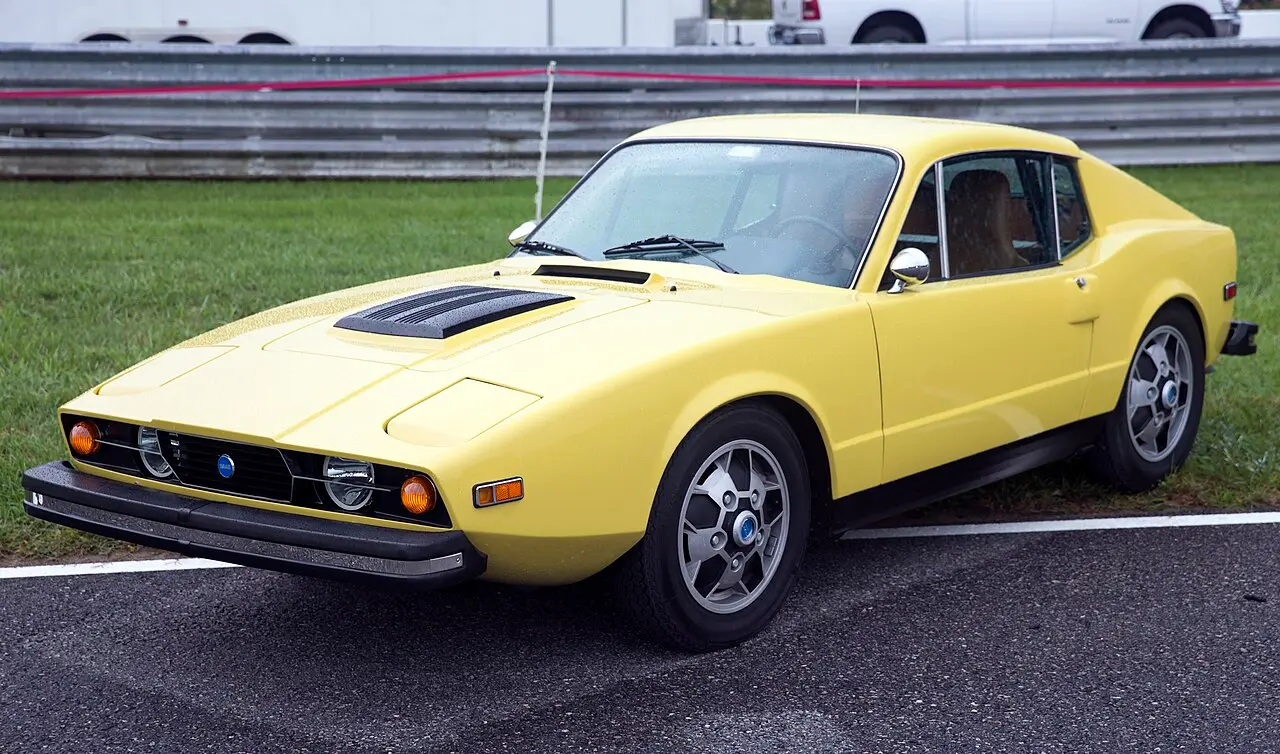
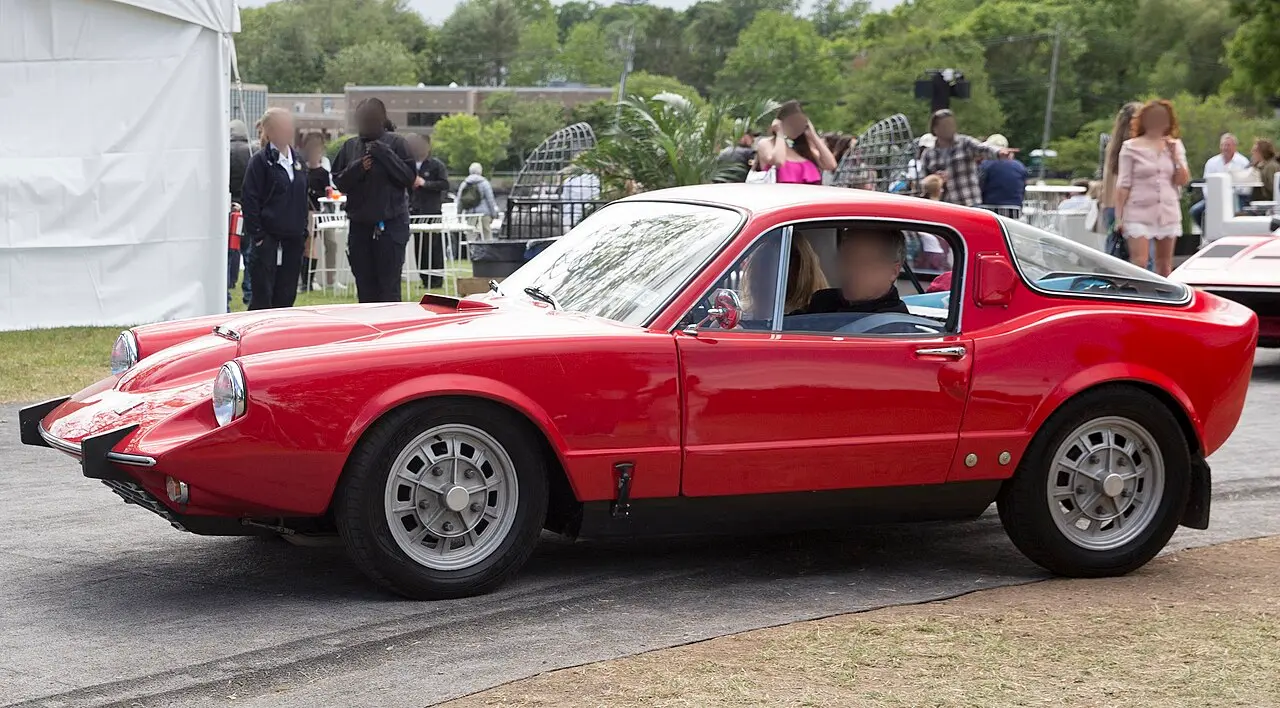
The Saab Sonett was a sports car that sat apart from the Swedish maker’s practical road cars. Its compact coupé shape gave it a more focused character, while its open prototype showed another side of Saab’s design history. The Sonett remains an unusual chapter in the company’s story.
The name was used for distinct designs, from an open prototype to production coupés. The later cars brought a fresh exterior style while keeping the Sonett’s sporting character.
Engines and power
The Sonett’s engine changed over its production life. Early production cars used a two-stroke engine, while later versions adopted a Ford V4. The change reflected Saab’s shift away from two-stroke engines in its road cars.
The Sonett’s character varied with its engine and body design, but it remained a compact sports car within Saab’s wider range.
Fuel consumption, CO₂ and markets
Official fuel-consumption and CO₂ figures depend on the test procedure used. European WLTP and NEDC tests, the US EPA procedure and Canada’s five-cycle test differ, so results from different markets are not directly comparable.
Saab developed the Sonett in Sweden, and the production cars were closely associated with North America. Their coupé design and distinctive engineering set them apart from Saab’s more practical models.
Questions and answers
Was the Saab Sonett a roadster?
The early Sonett was an open prototype. The production cars were coupés.
Which engines were used in the Sonett?
Early production cars used a two-stroke engine; later versions used a Ford V4.
Where was the Sonett sold?
Saab developed the Sonett in Sweden, and its production cars were closely associated with North America.