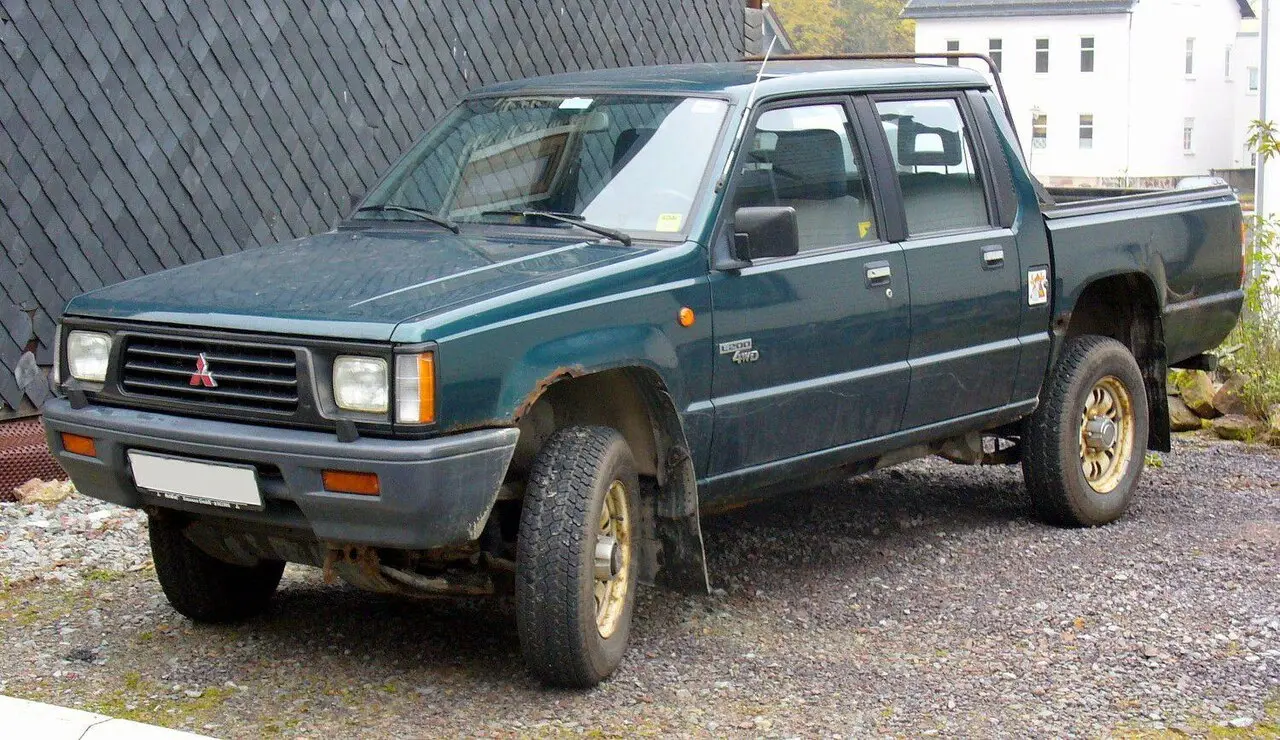
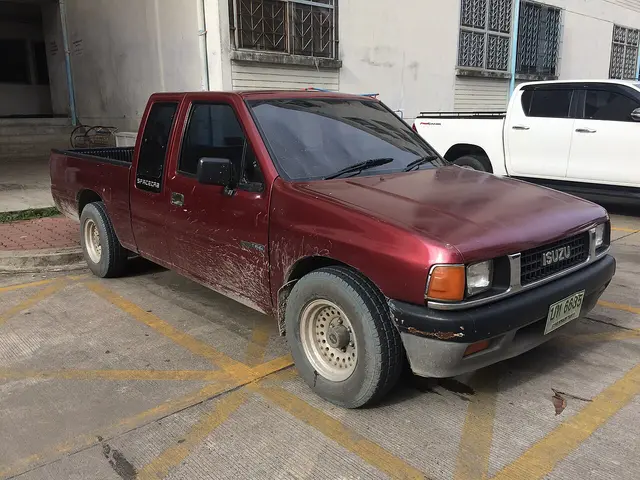
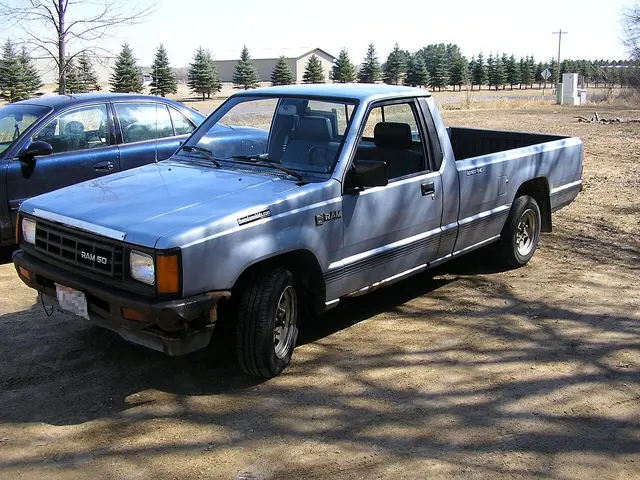
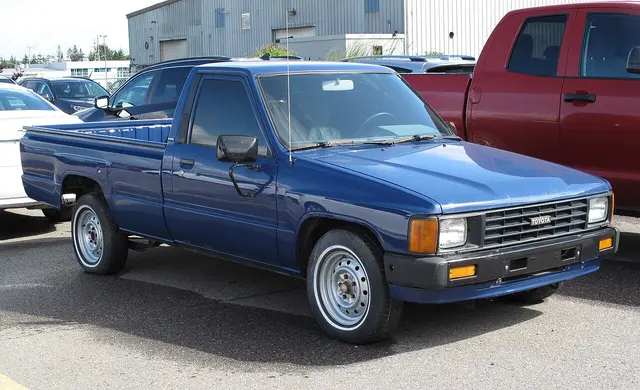
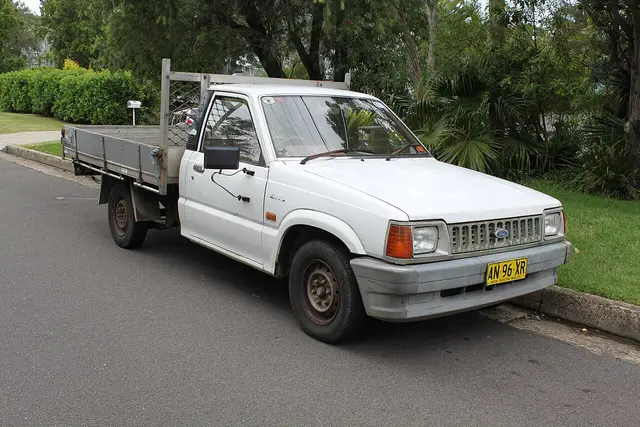
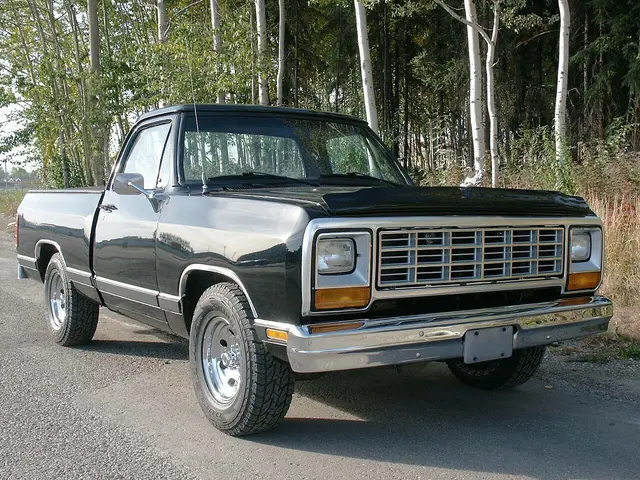
The official data lists 43 versions of the Mitsubishi Mighty Max (1984 - 1996), in the United States. Each market publishes its own figures, measured on its own test procedure.
At a glance
Years in the data
1984 - 1996
Markets
United States
Engines
2.0 L to 3.0 L
Fuels
Petrol, Diesel
Lowest consumption (United States)
8.4 L/100 km (EPA)
What is the Mitsubishi Mighty Max?
The Mighty Max was Mitsubishi’s compact pickup in North America, suited to everyday driving as well as carrying cargo in its open bed. It was part of a pickup line that began with the Forte in Japan and was sold under names including L200 and Triton in other markets.
In the United States, the Mighty Max was sold from 1984 to 1996. Its compact pickup format offered an open cargo bed in a smaller footprint than a full-size truck.
Generations and engines
The first generation, codes L020 and L030, ran from 1984 to 1986. The second generation, codes K00, K10, K20 and K30, followed from 1987 to 1996.
US versions had petrol or diesel engines ranging from 2.0 to 2.6 litres.
Fuel consumption and markets
For US versions, the best combined EPA rating is 28 MPG. The lowest listed consumption is 8.4 L/100 km. The EPA uses its own test procedure, so these figures are not directly comparable with European WLTP or NEDC results or Canada’s 5-cycle ratings.
Mitsubishi used the Mighty Max name in the United States from 1984 to 1996. Related pickups were sold under names including L200 and Triton in other markets.
Questions and answers
When was the Mitsubishi Mighty Max sold in the United States?
It was sold in the United States from 1984 to 1996.
How many generations did the Mighty Max have?
Two: the first generation ran from 1984 to 1986, and the second from 1987 to 1996.
What engines were available?
US versions had petrol or diesel engines from 2.0 to 2.6 litres.
What is its best EPA fuel economy figure?
The best combined EPA rating is 28 MPG. The lowest listed consumption is 8.4 L/100 km.
Official figures are measured on standard test procedures and differ between markets. Your consumption depends on how, where and in what conditions you drive.