The official data lists 479 versions of the Land Rover Range Rover (1987–2027), in the European Union, the United Kingdom, France, the United States, and Canada. Each market publishes its own figures, measured on its own test procedure.
At a glance
Years in the data
1987–2027
Markets
European Union, United Kingdom, France, United States, Canada
The Range Rover is Land Rover’s full-size luxury SUV, combining a spacious cabin and road comfort with the brand’s all-terrain character. It suits drivers who want a roomy vehicle for daily journeys and longer trips, with petrol, diesel and electrified versions in later generations. Launched in 1970, it brought together the comfort of a road car and the off-road ability associated with Land Rover.
Range Rover generations
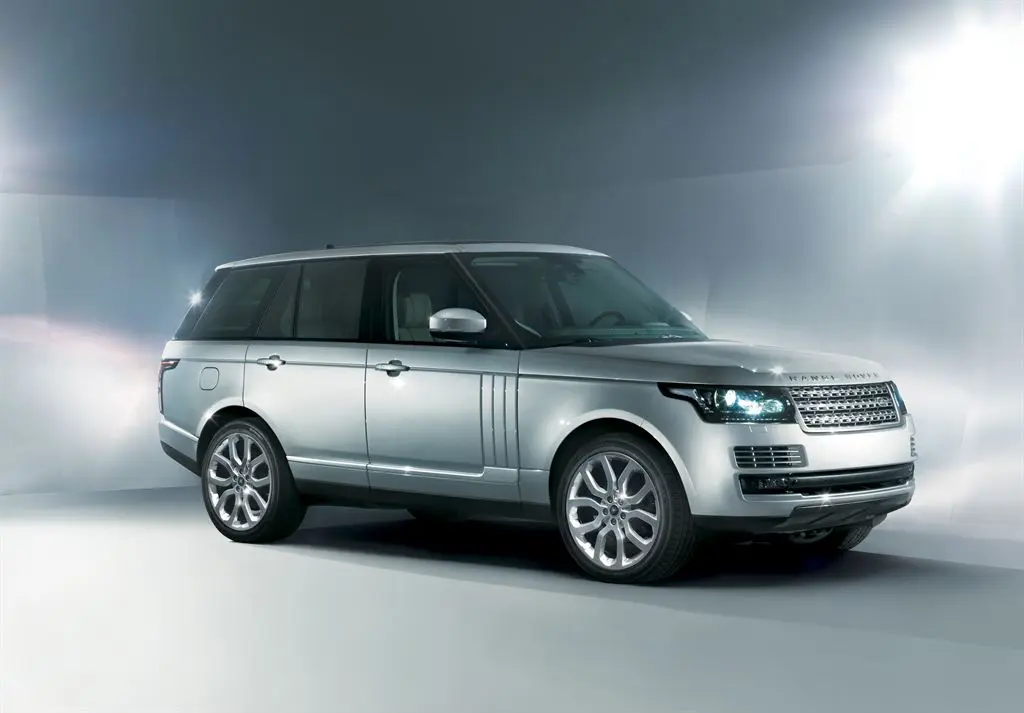
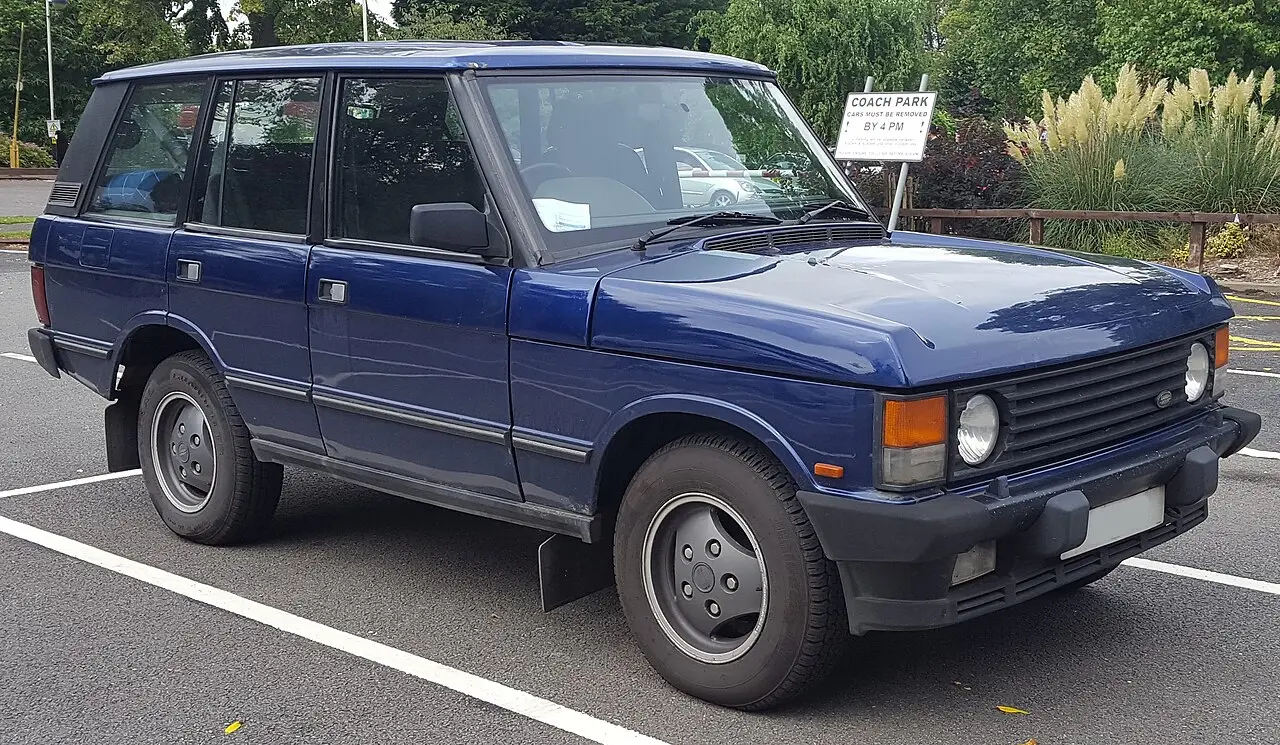
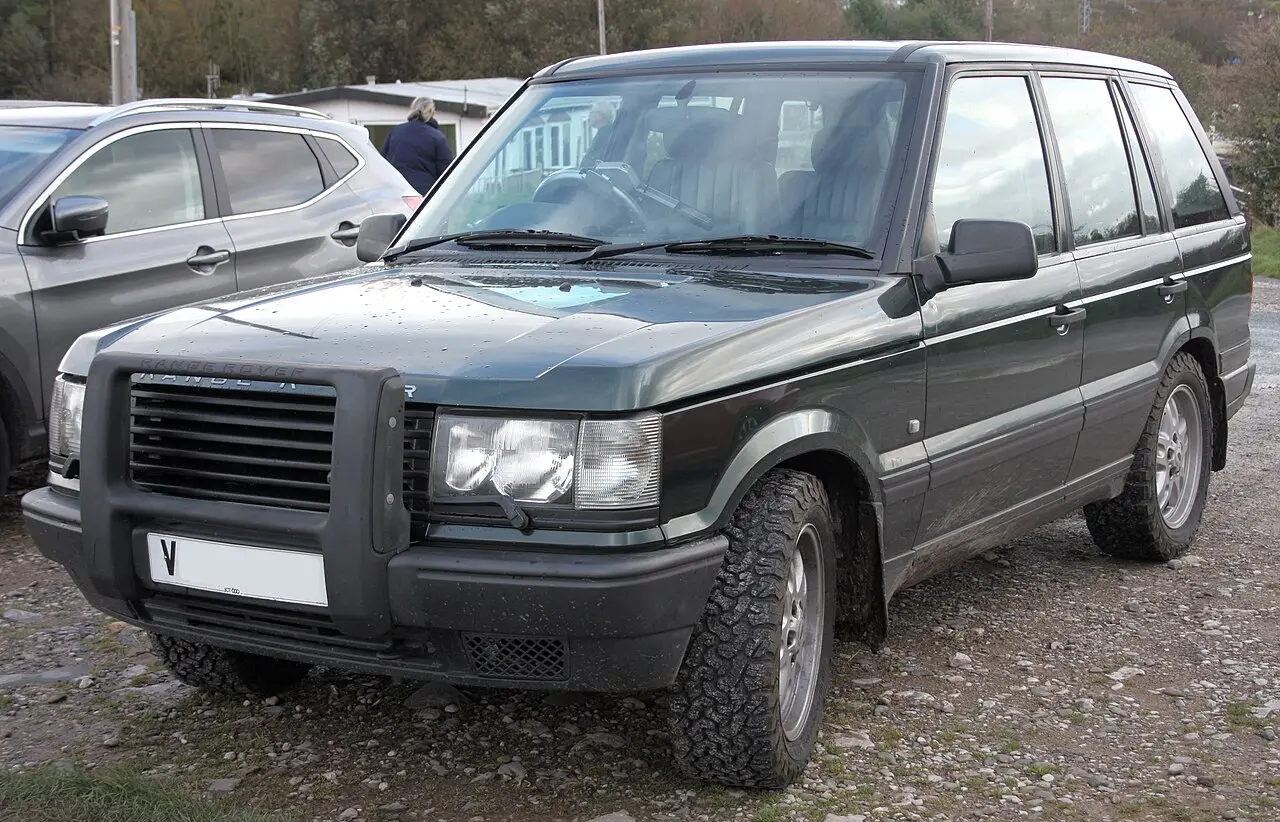
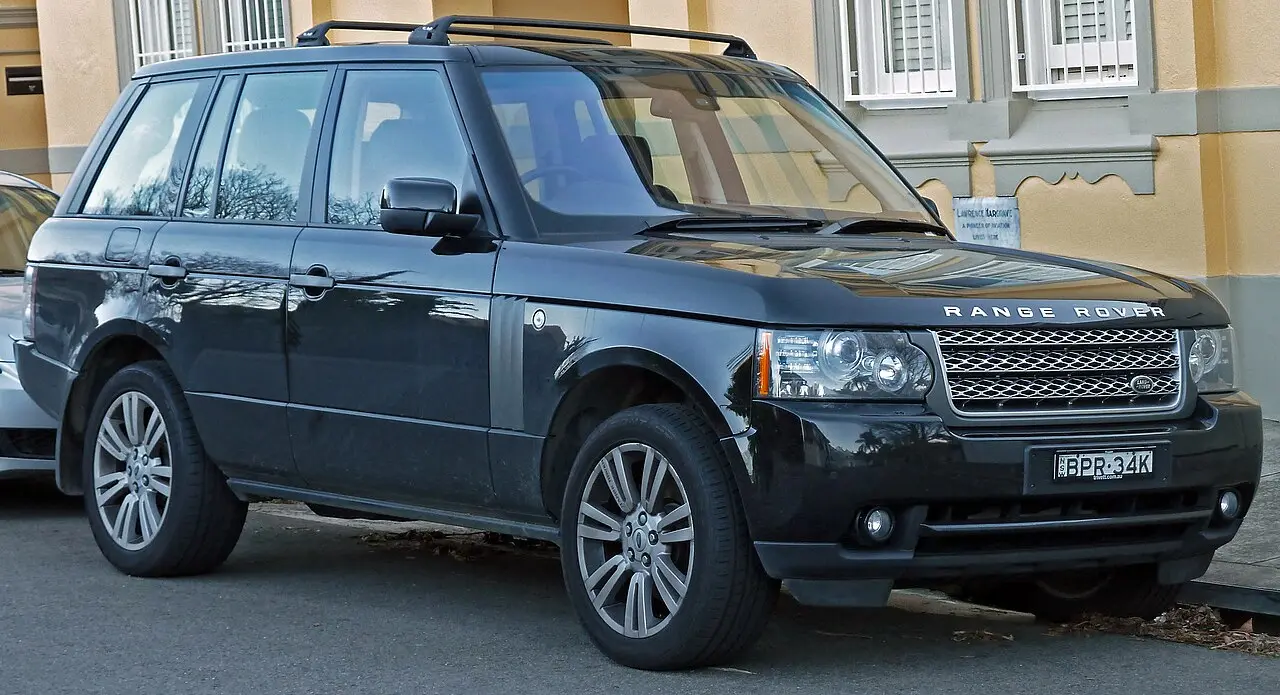
The generations are Classic (1987–1995), P38A (1995–2002), L322 (2003–2012), IV (2013–2021) and V (2022–today). The Classic first appeared in 1970. Across later generations, the Range Rover developed into a more comfort-focused luxury SUV while retaining its off-road character. The fourth-generation L405 introduced an all-aluminium body structure, and the fifth generation continued with a clean, modern design.
Engines and power
In the EU, UK and US, engine sizes range from 2.0 L to 5.0 L; in Canada, they range from 3.0 L to 5.0 L. EU power figures run from 110 kW (150 PS) to 415 kW (564 PS). The UK and US ranges start at 183 kW (249 PS), while France’s recorded range starts at 110 kW (150 PS) and reaches 375 kW (510 PS). Depending on the market, versions include petrol, diesel, hybrid and plug-in hybrid powertrains. US figures also include flex-fuel E85 versions.
Fuel consumption and CO₂
Official consumption figures vary by market, engine and test procedure. In the EU, the lowest listed figure for petrol, diesel and hybrid versions is 6.5 L/100 km on WLTP. The plug-in hybrid’s weighted WLTP figure is 0.8 L/100 km, assuming some driving is electric. The UK’s lowest listed figure is 2.8 L/100 km on NEDC, and France’s is 4.9 L/100 km on NEDC. The lowest listed figures are 9.8 L/100 km on the US EPA test and 9.4 L/100 km on Canada’s 5-cycle test. For plug-in hybrids, the weighted figures are 11.2 L/100 km on EPA and 11 L/100 km on Canada’s 5-cycle test. WLTP and NEDC in Europe, EPA in the US and the 5-cycle procedure in Canada use different methods, so figures are best compared within the same market. CO₂ figures also vary by version and test procedure.
Where was it sold?
The Range Rover appears in official figures for the EU, UK, France, the US and Canada. The year spans are 2010–2025 for EU registrations, 2000–2024 in the UK, 2012–2014 in France, 1987–2027 in the US and 1995–2026 in Canada. In EU registration figures, the most common entries include 3.0 L diesel versions rated at 190 kW (258 PS) in 2016 and 2017.
Questions and answers
Is the Range Rover a four-wheel-drive SUV?
Yes. It is a full-size Land Rover SUV, combining road comfort with the brand’s off-road character.
Does the Range Rover have hybrid versions?
Yes. Hybrid and plug-in hybrid versions are available in several markets.
Why do fuel-consumption figures differ between countries?
Test procedures vary by market: Europe uses WLTP or, for older figures, NEDC; the US uses EPA testing; and Canada uses the 5-cycle procedure.
New cars registered in the EU (plus Norway and Iceland), from the European Environment Agency. Figures on the NEDC procedure until 2020 and on WLTP from 2021; versions are grouped by engine and power, with their number of registrations.
Years and version
Engine
Power
Fuel
Consumption (combined)
CO₂
Electric range
EU registrations
2025
3.0 L
294 kW (400 PS)
Plug-in hybrid
1.3 L/100 km WLTP28.7 kWh/100 km WLTP
25 g/km
116 km
2,746
2025
3.0 L
258 kW (351 PS)
Hybrid
7.7 L/100 km WLTP
202 g/km
–
1,133
2025
4.4 L
390 kW (530 PS)
Hybrid
11.7 L/100 km WLTP
266 g/km
–
707
2025
4.4 L
452 kW (615 PS)
Hybrid
11.8 L/100 km WLTP
267 g/km
–
230
2025
3.0 L
183 kW (249 PS)
Hybrid
7.5 L/100 km WLTP
198 g/km
–
169
2025
3.0 L
221 kW (300 PS)
Hybrid
7.6 L/100 km WLTP
199 g/km
–
133
2025
3.0 L
258 kW (351 PS)
Diesel
7.6 L/100 km WLTP
201 g/km
–
77
2025
3.0 L
258 kW (351 PS)
Plug-in hybrid
7.6 L/100 km WLTP
201 g/km
–
47
2025
4.4 L
390 kW (530 PS)
Petrol
11.7 L/100 km WLTP
266 g/km
–
40
2025
3.0 L
294 kW (400 PS)
Hybrid
10.0 L/100 km WLTP
226 g/km
–
28
2025
4.4 L
390 kW (530 PS)
Plug-in hybrid
11.8 L/100 km WLTP
266 g/km
–
16
2024
3.0 L
294 kW (400 PS)
Plug-in hybrid
0.8 L/100 km WLTP29.0 kWh/100 km WLTP
18 g/km
113 km
4,620
2024
3.0 L
258 kW (351 PS)
Hybrid
7.9 L/100 km WLTP
208 g/km
–
1,303
2024
4.4 L
390 kW (530 PS)
Hybrid
11.8 L/100 km WLTP
267 g/km
–
782
2024
4.4 L
452 kW (615 PS)
Hybrid
11.8 L/100 km WLTP
268 g/km
–
398
2024
3.0 L
183 kW (249 PS)
Hybrid
7.8 L/100 km WLTP
205 g/km
–
246
2024
3.0 L
221 kW (300 PS)
Hybrid
7.8 L/100 km WLTP
205 g/km
–
200
2024
3.0 L
294 kW (400 PS)
Hybrid
9.7 L/100 km WLTP
223 g/km
–
127
2024
4.4 L
390 kW (530 PS)
Petrol
11.7 L/100 km WLTP
266 g/km
–
123
2023
3.0 L
294 kW (400 PS)
Plug-in hybrid
0.9 L/100 km WLTP29.3 kWh/100 km WLTP
20 g/km
111 km
3,961
2023
4.4 L
390 kW (530 PS)
Petrol
11.7 L/100 km WLTP
266 g/km
–
1,299
2023
3.0 L
258 kW (351 PS)
Hybrid
8.0 L/100 km WLTP
209 g/km
–
1,251
2023
3.0 L
221 kW (300 PS)
Hybrid
7.8 L/100 km WLTP
205 g/km
–
389
2023
3.0 L
183 kW (249 PS)
Hybrid
7.8 L/100 km WLTP
206 g/km
–
324
2023
3.0 L
294 kW (400 PS)
Hybrid
9.9 L/100 km WLTP
224 g/km
–
125
2023
3.0 L
294 kW (400 PS)
Plug-in hybrid
0.9 L/100 km WLTP29.1 kWh/100 km WLTP
19 g/km
112 km
67
2023
4.4 L
390 kW (530 PS)
Hybrid
11.7 L/100 km WLTP
266 g/km
–
60
2023
4.4 L
452 kW (615 PS)
Hybrid
11.8 L/100 km WLTP
268 g/km
–
53
2023
2.0 L
221 kW (300 PS)
Plug-in hybrid
2.2 L/100 km WLTP22.4 kWh/100 km WLTP
49 g/km
53 km
22
2023
3.0 L
258 kW (351 PS)
Hybrid
8.0 L/100 km WLTP
209 g/km
–
18
2023
3.0 L
67 kW (91 PS)
Hybrid
7.9 L/100 km WLTP
206 g/km
–
11
2022
3.0 L
258 kW (351 PS)
Hybrid
8.1 L/100 km WLTP
211 g/km
–
892
2022
4.4 L
390 kW (530 PS)
Petrol
11.7 L/100 km WLTP
265 g/km
–
869
2022
3.0 L
294 kW (400 PS)
Plug-in hybrid
2.4 L/100 km WLTP29.4 kWh/100 km WLTP
20 g/km
111 km
349
2022
3.0 L
294 kW (400 PS)
Hybrid
10.3 L/100 km WLTP
233 g/km
–
244
2022
3.0 L
183 kW (249 PS)
Hybrid
7.9 L/100 km WLTP
208 g/km
–
198
2022
3.0 L
221 kW (300 PS)
Hybrid
8.1 L/100 km WLTP
214 g/km
–
184
2022
2.0 L
221 kW (300 PS)
Plug-in hybrid
4.9 L/100 km WLTP25.7 kWh/100 km WLTP
79 g/km
42 km
70
2022
5.0 L
386 kW (525 PS)
Petrol
13.7 L/100 km WLTP
319 g/km
–
51
2022
2.0 L
184 kW (250 PS)
Petrol
7.7 L/100 km WLTP
224 g/km
–
16
2022
3.0 L
258 kW (351 PS)
Hybrid
–
208 g/km
–
15
2022
3.0 L
258 kW (351 PS)
Diesel
8.0 L/100 km WLTP
215 g/km
–
15
2022
3.0 L
294 kW (400 PS)
Petrol
10.0 L/100 km WLTP
226 g/km
–
14
2022
5.0 L
423 kW (575 PS)
Petrol
12.7 L/100 km WLTP
331 g/km
–
14
2022
5.0 L
415 kW (564 PS)
Petrol
14.8 L/100 km WLTP
335 g/km
–
11
2022
2.0 L
150 kW (204 PS)
Hybrid
5.3 L/100 km WLTP
178 g/km
–
10
United Kingdom 4 versions
New cars on sale in the UK, from the Vehicle Certification Agency. NEDC figures until 2018 and WLTP figures after; years are the editions a version appeared in.
Years and version
Engine
Power
Fuel
Gearbox
Consumption (combined)
CO₂
20243.0 i6 Petrol 400PS AWD Auto SWB
3.0 L
400 kW (544 PS)
Petrol
8-speed automatic
10.6 L/100 km WLTP
240 g/km
20243.0 i6 Petrol 400PS AWD Auto LWB
3.0 L
400 kW (544 PS)
Petrol
8-speed automatic
10.8 L/100 km WLTP
245 g/km
20243.0 i6 Petrol 400PS AWD Auto SWB
3.0 L
400 kW (544 PS)
Petrol
8-speed automatic
11.3 L/100 km WLTP
255 g/km
20243.0 i6 Petrol 400PS AWD Auto LWB
3.0 L
400 kW (544 PS)
Petrol
8-speed automatic
11.4 L/100 km WLTP
258 g/km
United States 12 versions
Model years sold in the USA, from the EPA and the Department of Energy (fueleconomy.gov). MPG on the EPA test; litres per 100 km = 235.215 ÷ MPG.
Years and version
Engine
Fuel
Gearbox
Drive
Consumption (combined)
CO₂
2025–2027SIDI; Mild Hybrid
3.0 L
Hybrid
8-speed automatic
Four-wheel drive
21 MPG (11.2 L/100 km) EPA
266 g/km
2024–2027SIDI; Mild Hybrid
4.4 L
Hybrid
8-speed automatic
Four-wheel drive
19 MPG (12.4 L/100 km) EPA
296 g/km
2024–2027SIDI; Mild Hybrid
4.4 L
Hybrid
8-speed automatic
Four-wheel drive
18 MPG (13.1 L/100 km) EPA
311 g/km
2026–2027SIDI; Mild Hybrid
4.4 L
Hybrid
8-speed automatic
Four-wheel drive
18 MPG (13.1 L/100 km) EPA
303 g/km
2025SIDI; PHEV
3.0 L
Plug-in hybrid
8-speed automatic
Four-wheel drive
21 MPG (11.2 L/100 km) EPA
63 g/km
2024SIDI; Mild Hybrid
3.0 L
Hybrid
8-speed automatic
Four-wheel drive
20 MPG (11.8 L/100 km) EPA
277 g/km
2024SIDI; Mild Hybrid
3.0 L
Hybrid
8-speed automatic
Four-wheel drive
20 MPG (11.8 L/100 km) EPA
277 g/km
2022–2023SIDI; Mild Hybrid
3.0 L
Hybrid
8-speed automatic
Four-wheel drive
21 MPG (11.2 L/100 km) EPA
265 g/km
2023SIDI; Mild Hybrid
3.0 L
Hybrid
8-speed automatic
Four-wheel drive
22 MPG (10.7 L/100 km) EPA
254 g/km
2023SIDI; PHEV
3.0 L
Plug-in hybrid
8-speed automatic
Four-wheel drive
21 MPG (11.2 L/100 km) EPA
66 g/km
2022–2023SIDI · SIDI; SV
4.4 L
Petrol
8-speed automatic
Four-wheel drive
18 MPG (13.1 L/100 km) EPA
316 g/km
2022–2023SIDI · SIDI; SV
4.4 L
Petrol
8-speed automatic
Four-wheel drive
18 MPG (13.1 L/100 km) EPA
314 g/km
Canada 11 versions
Model years sold in Canada, from Natural Resources Canada fuel consumption ratings (5-cycle test).
Years and version
Engine
Fuel
Gearbox
Consumption (combined)
CO₂
Electric range
2024–2026Sport utility vehicle: Standard
4.4 L
Petrol
8-speed automatic
12.6 L/100 km 5-cycle
296 g/km
–
2024–2026Sport utility vehicle: Standard
4.4 L
Petrol
8-speed automatic
13.2 L/100 km 5-cycle
311 g/km
–
2026Sport utility vehicle: Standard
4.4 L
Petrol
8-speed automatic
12.9 L/100 km 5-cycle
303 g/km
–
2025Sport utility vehicle: Standard
3.0 L
Plug-in hybrid
8-speed automatic
11.0 L/100 km 5-cycle
63 g/km
85 km
2025Sport utility vehicle: Standard
3.0 L
Petrol
8-speed automatic
11.3 L/100 km 5-cycle
266 g/km
–
2024Sport utility vehicle: Standard
3.0 L
Petrol
8-speed automatic
11.7 L/100 km 5-cycle
276 g/km
–
2023Sport utility vehicle: Standard
3.0 L
Petrol
8-speed automatic
11.3 L/100 km 5-cycle
265 g/km
–
2022–2023Sport utility vehicle: Standard
4.4 L
Petrol
8-speed automatic
13.3 L/100 km 5-cycle
316 g/km
–
2022–2023Sport utility vehicle: Standard
4.4 L
Petrol
8-speed automatic
13.3 L/100 km 5-cycle
314 g/km
–
2022Sport utility vehicle: Standard
3.0 L
Petrol
8-speed automatic
11.3 L/100 km 5-cycle
265 g/km
–
2022Sport utility vehicle: Standard
5.0 L
Petrol
8-speed automatic
15.5 L/100 km 5-cycle
365 g/km
–
Versions outside these generations
United Kingdom 6 versions
New cars on sale in the UK, from the Vehicle Certification Agency. NEDC figures until 2018 and WLTP figures after; years are the editions a version appeared in.
Official figures are measured on standard test procedures and differ between markets. Your consumption depends on how, where and in what conditions you drive.