What is the Ford Model A?
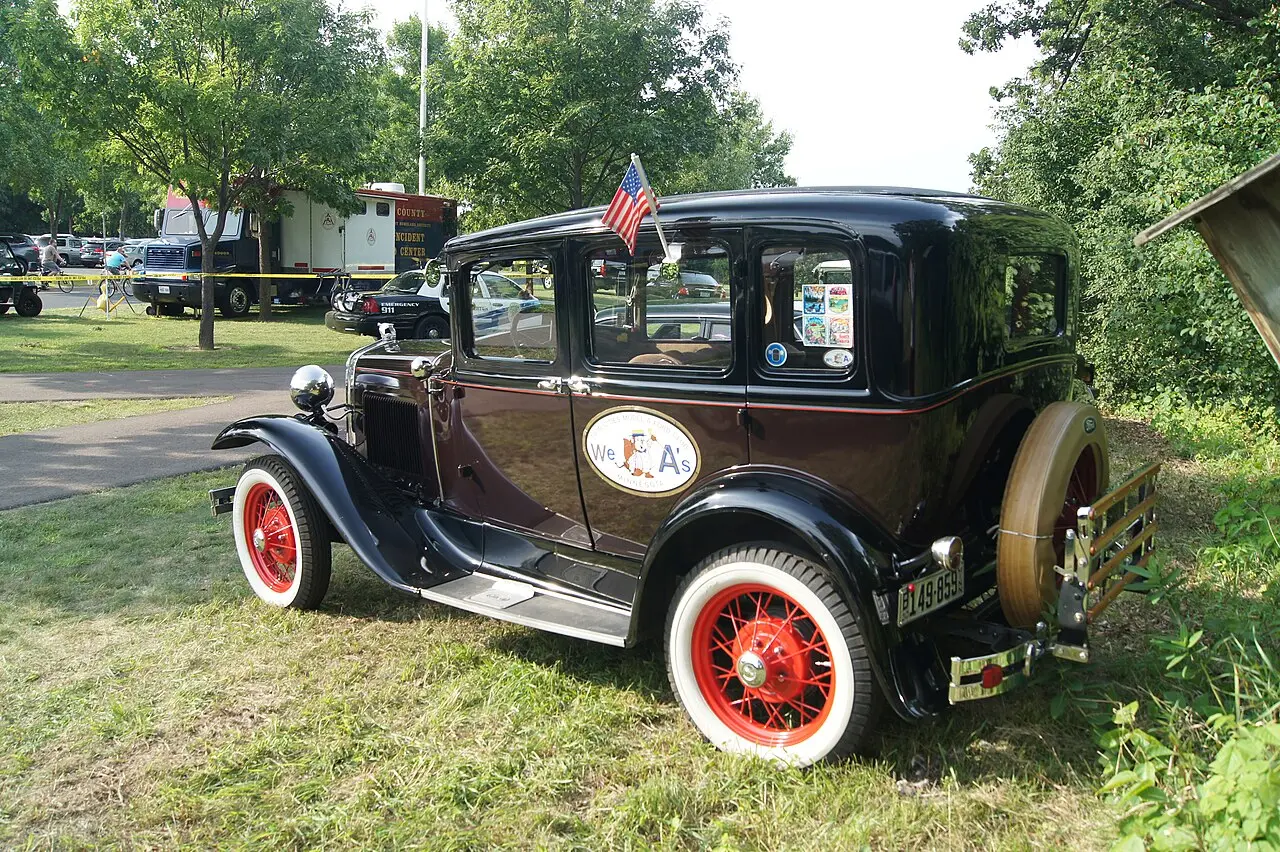
Ford used the Model A name for two distinct early cars. The first belonged to the company’s beginnings; the later Model A replaced the Model T. The name alone can therefore refer to different designs and specifications.
The later car marked a major change after the Model T, with a more modern appearance and a wider range of body styles. It is part of Ford’s early history and the company’s effort to make cars for a broad public.
Design and engines
The early Model A and the car that succeeded the Model T had different designs and specifications. Body and equipment choices also varied, so the name alone does not identify a particular engine or output.
These historic cars predate today’s standardized fuel-economy and emissions tests. Their fuel use depended on the particular car and its condition; modern WLTP, NEDC, EPA and Canadian five-cycle ratings do not apply.
Where was it sold?
The Model A is closely tied to Ford’s early American history. The later car was also sold beyond the United States, as Ford expanded its reach internationally. The name refers to two separate cars, so the market and specification depend on which one is meant.
Questions and answers
Does Ford Model A refer to just one car?
No. Ford used the name for an early car and later for the car that succeeded the Model T.
What engine did the Model A have?
The name covers two different cars, so an engine specification depends on which Model A is meant.
How economical was the Ford Model A?
Fuel use varied by car and condition. These historic models were not tested under today’s standardized consumer procedures.