

BMW iX3 second generation
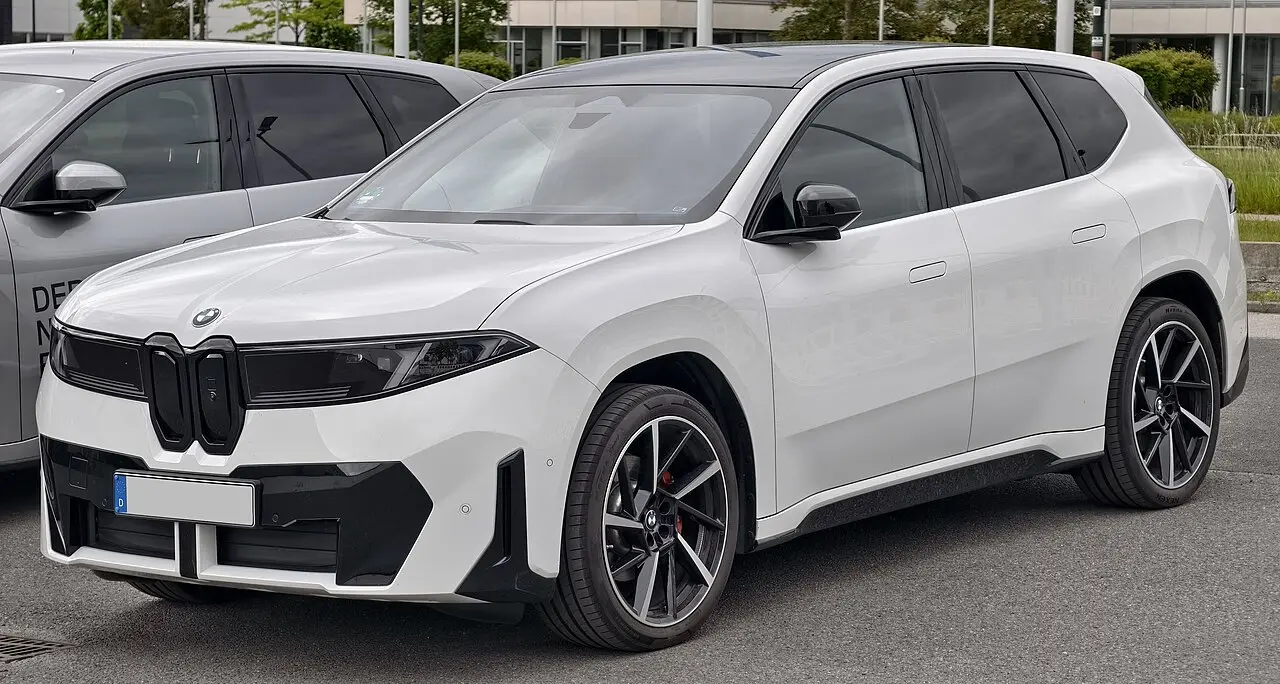
The BMW iX3 second generation (since 2027): dimensions, weights, reliability and the official figures of its 1 version in the United States.
Model codes: NA5 · Sold in: United States and Canada
Dimensions, weights and capacity
| Specification | Europe | North America | Wikipedia |
|---|---|---|---|
| Dimensions | |||
| Length | 4,780 mm RDW | – | 4,782–4,885 mm |
| Width | 1,900 mm RDW | – | 1,895 mm |
| Height | 1,640 mm RDW | – | 1,635 mm |
| Wheelbase | 2,900 mm RDW | – | 2,897–3,005 mm |
| Weights and towing | |||
| Kerb weight | 2,060–2,260 kg RDW | – | 2,285 kg |
| Mass in running order | 2,160–2,360 kg RDW | – | – |
| Gross vehicle weight | 2,625–2,825 kg RDW | – | – |
| Towing, braked trailer | 2,000 kg RDW | – | – |
| Towing, unbraked trailer | 750 kg RDW | – | – |
| Seats and space | |||
| Seats | 5 RDW | – | – |
| Doors | 4 RDW | – | – |
| Boot space | 620–861 L EV DB | – | – |
| Performance | |||
| Top speed | 200–210 km/h RDW | – | – |
| 0–100 km/h | 4.9 s EV DB | – | – |
| Torque | 645 Nm EV DB | – | – |
| Electric | |||
| Battery capacity (usable) | 108.7–112.2 kWh EV DB | – | 77.0–113.4 kWh |
| Battery capacity (gross) | 115.0 kWh EV DB | – | – |
| Range (WLTP) | 742 km EV DB | – | – |
| Range (EPA/NRCan) | – | 616–698 km EPA | – |
| Energy use | 151 Wh/km EV DB | – | – |
| AC charging power | 11–19 kW EV DB | – | – |
| DC fast charging power | 400 kW EV DB | – | – |
| Charging time at 240 V | – | 8.0 h EPA | – |
Tyre sizes (most common first): 255/40R21, 255/45R20, 255/35R22, 275/35R22, 275/40R21
Ranges cover the generation’s versions and body styles; European and North American versions can differ. Sources: RDW type approvals (Netherlands), Wikipedia, open EV databases (EV Compare, Open EV Data, Gaia EVDB), US EPA fuel economy data, Traficom type approvals (Finland). Wikipedia figures are used under CC BY-SA 4.0.
The BMW iX3 second generation’s 1 version
United States 1 version
Model years sold in the USA, from the EPA and the Department of Energy (fueleconomy.gov). MPG on the EPA test; litres per 100 km = 235.215 ÷ MPG.
| Years and version | Engine | Fuel | Gearbox | Drive | Consumption (combined) | CO₂ | Electric range |
|---|---|---|---|---|---|---|---|
| 2027 | Electric motor | Electric | Automatic | All-wheel drive | 102–118 MPGe EPA | 0 g/km | 616–698 km |
Similar models from other brands
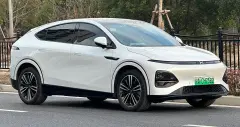
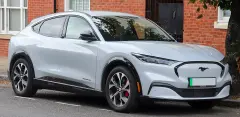
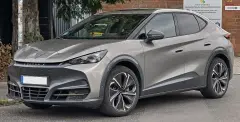
Official figures are measured on standard test procedures and differ between markets. Your consumption depends on how, where and in what conditions you drive.