Saab

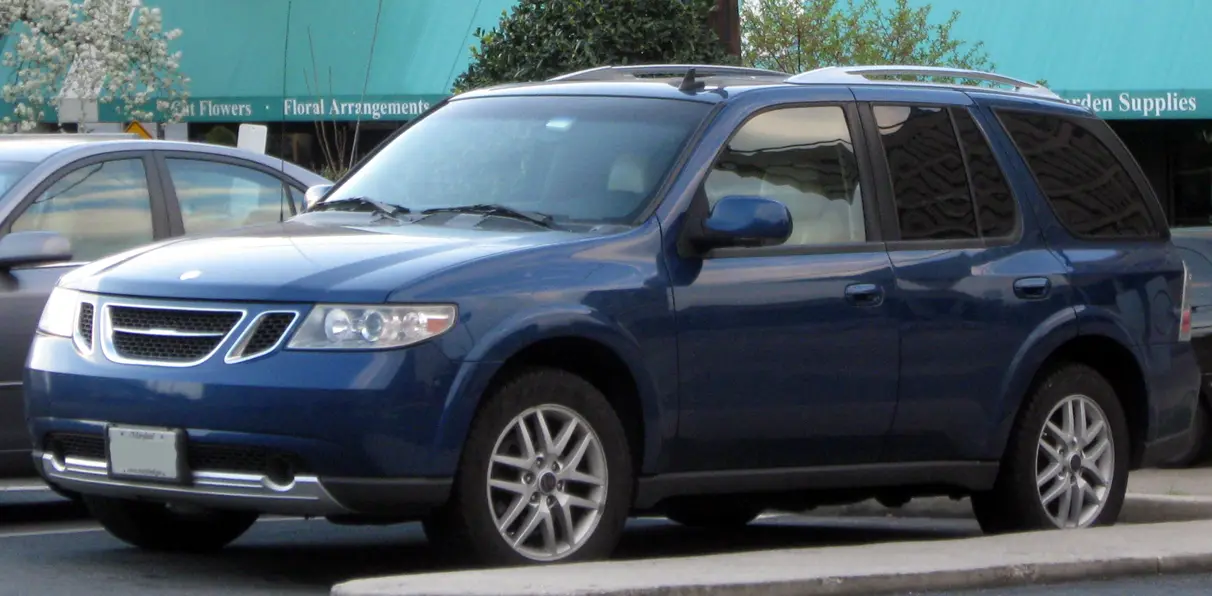
Saab 9-7X

Saab 9-7X
Photo: IFCAR / Wikimedia Commons · Public domain

The official data lists 15 versions of the Saab 9-7X (2005–2009), in the United States and Canada. Each market publishes its own figures, measured on its own test procedure.

At a glance

Years in the data
2005–2009
Markets
United States, Canada
Engines
4.2 L to 6.0 L
Fuels
Petrol
Lowest consumption (Canada)
14.3 L/100 km (5-cycle)
Lowest consumption (United States)
14.7 L/100 km (EPA)

What is the Saab 9-7X?

The Saab 9-7X was a mid-size SUV that brought the badge to a larger, more utility-focused vehicle. It stood apart from Saab’s saloons, hatchbacks and estates, with a high-riding body and SUV-style cabin.

Built on General Motors’ GMT360 platform, the 9-7X reflected Saab’s place within the wider GM group at the time.

Generation and engines

The 9-7X had one generation, sold from 2005 to 2009. US versions used petrol engines from 4.2 L to 6.0 L. Canadian versions covered the same engine-size range and also used petrol.

Its engines were larger than those found in many of Saab’s passenger cars of the period.

Fuel consumption and markets

US EPA figures give the lowest listed combined consumption as 14.7 L/100 km, with a best rating of 16 MPG combined. Canada’s NRCan figure is 14.3 L/100 km on the 5-cycle test. The EPA and Canadian procedures differ, so these are market-specific ratings.

The 9-7X appears in US and Canadian figures for 2005–2009. Its SUV body added a more utility-focused shape to Saab’s range.

Questions and answers

How many generations of 9-7X were made?

One generation, covering 2005–2009.

What engines did the Saab 9-7X use?

Petrol engines from 4.2 L to 6.0 L are listed in both the US and Canadian ranges.

What is its official fuel consumption?

The lowest listed US EPA figure is 14.7 L/100 km, with a best rating of 16 MPG combined. Canada’s NRCan 5-cycle figure is 14.3 L/100 km.

Where was the 9-7X sold?

The market figures cover the United States and Canada from 2005 to 2009.

9-7X first generation (2005–2009)

Saab 9-7X first generation
Photo: IFCAR / Wikimedia Commons · Public domain

Model codes: GMT360 · Sold in: United States and Canada · References: en.wikipedia.org, esaabparts.com

United States 7 versions

Model years sold in the USA, from the EPA and the Department of Energy (fueleconomy.gov). MPG on the EPA test; litres per 100 km = 235.215 ÷ MPG.

Years and versionEngineFuelGearboxDriveConsumption (combined)CO₂
2006–2009CLKUP4.2 LPetrol4-speed automaticFour- or all-wheel drive16 MPG (14.7 L/100 km) EPA345 g/km
2009CLKUP5.3 LPetrol4-speed automaticFour- or all-wheel drive16 MPG (14.7 L/100 km) EPA345 g/km
2008–2009CLKUP6.0 LPetrol4-speed automaticFour- or all-wheel drive13 MPG (18.1 L/100 km) EPA425 g/km
2007–2008CLKUP5.3 LPetrol4-speed automaticFour- or all-wheel drive16 MPG (14.7 L/100 km) EPA345 g/km
2006CLKUP5.3 LPetrol4-speed automaticFour- or all-wheel drive16 MPG (14.7 L/100 km) EPA345 g/km
2005CLKUP4.2 LPetrol4-speed automaticFour- or all-wheel drive16 MPG (14.7 L/100 km) EPA345 g/km
2005CLKUP5.3 LPetrol4-speed automaticFour- or all-wheel drive15 MPG (15.7 L/100 km) EPA368 g/km

Canada 8 versions

Model years sold in Canada, from Natural Resources Canada fuel consumption ratings (5-cycle test).

Years and versionEngineFuelGearboxConsumption (combined)CO₂
2009Sport utility vehicle4.2 LPetrol4-speed automatic14.7 L/100 km 5-cycle338 g/km
2009Sport utility vehicle5.3 LPetrol4-speed automatic14.3 L/100 km 5-cycle329 g/km
2008–2009Sport utility vehicle6.0 LPetrol4-speed automatic17.8 L/100 km 5-cycle409 g/km
2007–2008Sport utility vehicle4.2 LPetrol4-speed automatic14.7 L/100 km 5-cycle338 g/km
2008Sport utility vehicle5.3 LPetrol4-speed automatic14.6 L/100 km 5-cycle336 g/km
2006–2007Sport utility vehicle5.3 LPetrol4-speed automatic14.8 L/100 km 5-cycle340 g/km
2006Sport utility vehicle4.2 LPetrol4-speed automatic15.5 L/100 km 5-cycle357 g/km
2005Sport utility vehicle5.3 LPetrol4-speed automatic16.0 L/100 km 5-cycle368 g/km

Official figures are measured on standard test procedures and differ between markets. Your consumption depends on how, where and in what conditions you drive.