Opel

Opel Combo

Opel Combo
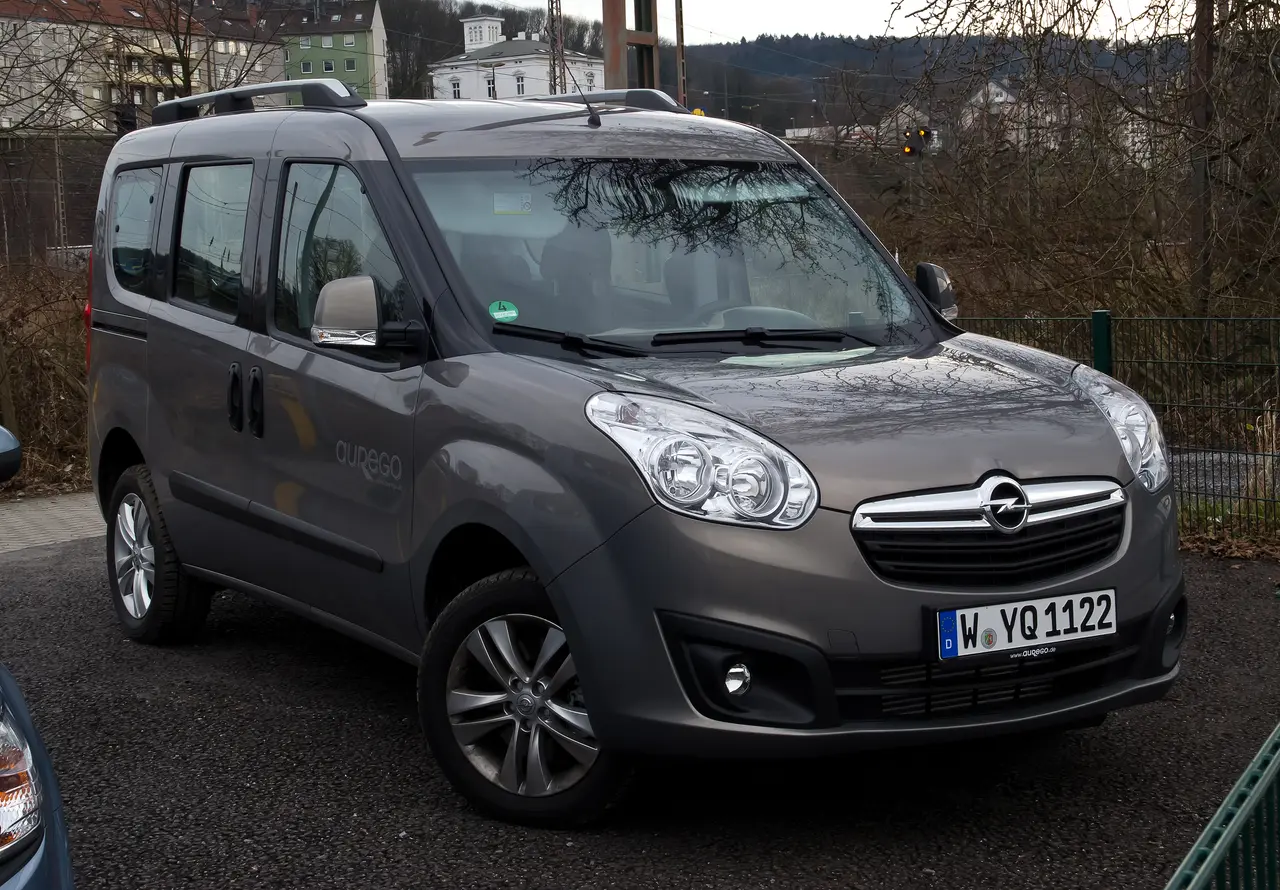
Photo: Alexander Migl / Wikimedia Commons · CC BY-SA 4.0

The official data lists 99 versions of the Opel Combo (2010–2025), in the European Union and France. Each market publishes its own figures, measured on its own test procedure.

At a glance

Years in the data
2010–2025
Markets
European Union, France
Engines
1.2 L to 2.0 L
Power
56 kW (76 PS) to 99 kW (135 PS)
Fuels
Diesel, Petrol, Electric, Natural gas
Lowest consumption (France)
5.0 L/100 km (NEDC)
Lowest consumption (European Union)
5.2 L/100 km (WLTP)
New registrations in the EU
58,279

What is the Opel Combo?

The Opel Combo is a high-roof van made for work and everyday life. In passenger form, it gives families and other passengers a roomy cabin; in Cargo form, it is set up for carrying goods. Its upright shape and sliding-door layout make it practical when people or bulky items need to get in and out.

The name began with the Kadett Combo in 1985, and became a separate model line in 1993. The Combo Tour brought a family-focused version, followed later by the passenger-oriented Combo Life. Opel’s long history with commercial vehicles also includes the Combo Cargo.

Combo generations

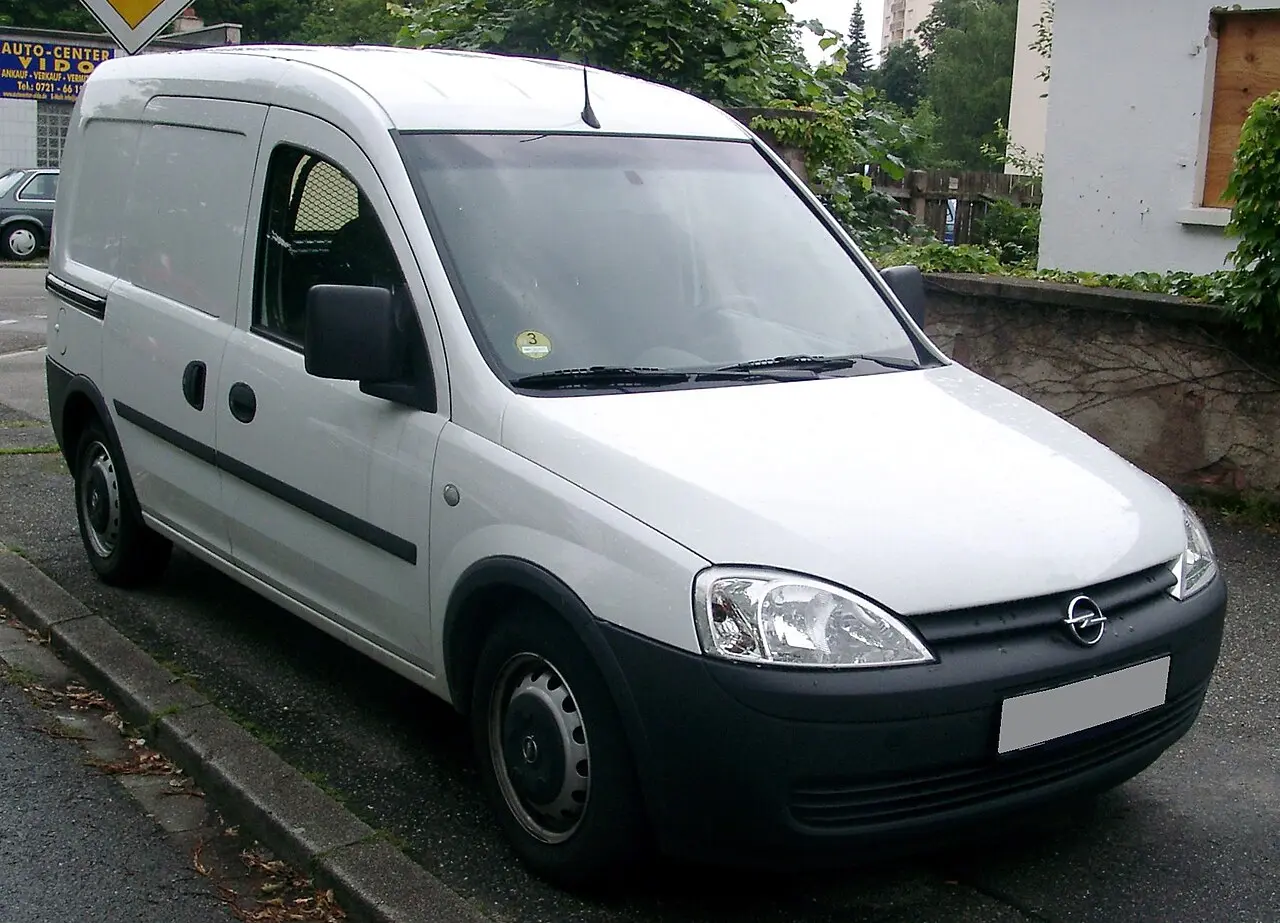
The Combo C ran from 2001 to 2011. It served both commercial users and families, with the Combo Tour aimed at passengers. The Combo D followed from 2011 to 2017, offering different body lengths and configurations for passenger and load space.

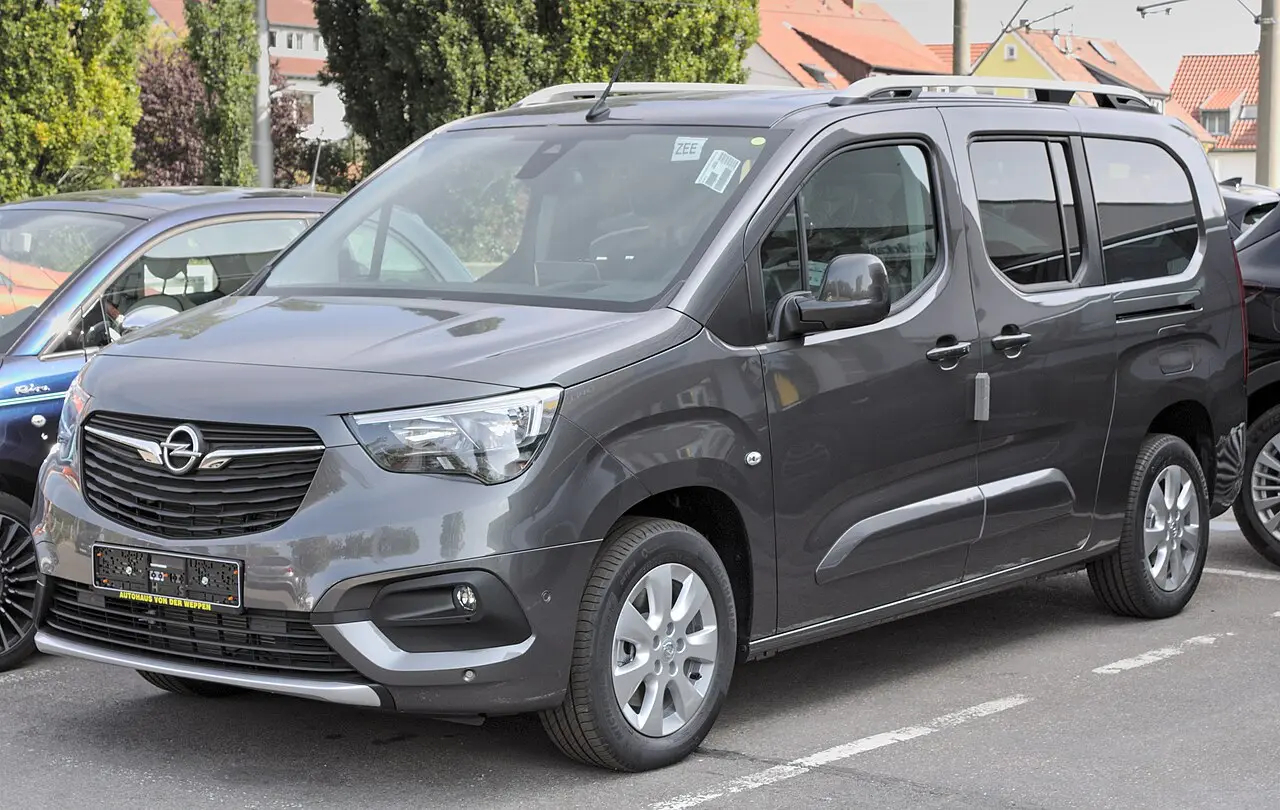
The Combo E began in 2018, continuing the choice between work-focused Combo Cargo and passenger-oriented Combo Life. Its high-roof design carries on the practical approach that has defined the name.

Engines, power and fuel consumption

Across EU versions from 2010–2025, engines range from 1.2 L to 2.0 L, with power from 56 kW (76 PS) to 99 kW (135 PS). Listed fuels include diesel, electric, petrol, natural gas and other. The lowest listed consumption is 5.2 L/100 km on the WLTP test.

France’s ADEME figures cover 2012–2015, with petrol and diesel engines producing 66 kW (90 PS) to 99 kW (135 PS). The lowest listed French figure is 5 L/100 km on NEDC. WLTP and NEDC are different European test procedures, so their results are best read separately.

Where was the Combo sold?

In official EU registration figures, the Combo spans 2010–2025, with 58,279 registrations in total. The most registered listed configuration was the 1.5 L diesel with 75 kW (102 PS), appearing among the leading versions in 2019, 2020 and 2021.

France’s ADEME figures cover 2012–2015.

Questions and answers

What kind of vehicle is the Opel Combo?

It is a high-roof van offered for commercial use and, in passenger form, as a practical family vehicle.

Which Combo generations are covered?

The named generations are C (2001–2011), D (2011–2017) and E (2018–today).

What is the Combo’s lowest listed fuel consumption?

The lowest listed EU figure is 5.2 L/100 km on WLTP. France’s lowest listed figure is 5 L/100 km on NEDC for 2012–2015.

What engines and power are listed for the Combo?

EU versions range from 1.2 L to 2.0 L and from 56 kW (76 PS) to 99 kW (135 PS).
Combo C (2001–2011)

Opel Combo C
Photo: Rudolf Stricker / Wikimedia Commons · Attribution

References: en.wikipedia.org

Show all 11 versions

Combo D (2011–2017)

Opel Combo D
Photo: M 93 / Wikimedia Commons · CC BY-SA 3.0

References: en.wikipedia.org

Show all 70 versions

Combo E (since 2018)

Opel Combo E
Photo: Alexander Migl / Wikimedia Commons · CC BY-SA 4.0

References: en.wikipedia.org, media.stellantis.com

European Union 22 versions

New cars registered in the EU (plus Norway and Iceland), from the European Environment Agency. Figures on the NEDC procedure until 2020 and on WLTP from 2021; versions are grouped by engine and power, with their number of registrations.

Years and versionEnginePowerFuelConsumption (combined)CO₂Electric rangeEU registrations
20251.5 L75 kW (102 PS)Diesel5.5 L/100 km WLTP140 g/km–640
20251.5 L96 kW (131 PS)Diesel–150 g/km–384
2025Electric motor62 kW (84 PS)Electric18.2 kWh/100 km WLTP0 g/km340 km30
20221.5 L75 kW (102 PS)Diesel5.4 L/100 km WLTP142 g/km–35
20211.5 L75 kW (102 PS)Diesel5.2 L/100 km WLTP137 g/km–5,492
20211.5 L96 kW (131 PS)Diesel5.4 L/100 km WLTP141 g/km–650
20211.2 L81 kW (110 PS)Petrol6.5 L/100 km WLTP148 g/km–443
20211.2 L96 kW (131 PS)Petrol6.9 L/100 km WLTP154 g/km–169
2021Electric motor100 kW (136 PS)Electric19.8 kWh/100 km WLTP0 g/km280 km122
20201.5 L75 kW (102 PS)Diesel–107 g/km–4,854
20201.5 L96 kW (131 PS)Diesel–112 g/km–1,556
2019–20201.5 L56 kW (76 PS)Diesel–108 g/km–988
20201.2 L81 kW (110 PS)Petrol–123 g/km–634
20201.2 L96 kW (131 PS)Petrol–121 g/km–28
20191.5 L75 kW (102 PS)Diesel–111 g/km–4,042
20191.5 L96 kW (131 PS)Diesel–115 g/km–1,946
20191.2 L81 kW (110 PS)Petrol–125 g/km–1,820
20181.6 L88 kW (120 PS)Diesel–131 g/km–148
20181.4 L70 kW (95 PS)Petrol–168 g/km–140
20181.6 L70 kW (95 PS)Diesel–131 g/km–104
20181.4 L88 kW (120 PS)Petrol–169 g/km–98
20181.4 L88 kW (120 PS)Natural gas–149 g/km–16

Official figures are measured on standard test procedures and differ between markets. Your consumption depends on how, where and in what conditions you drive.