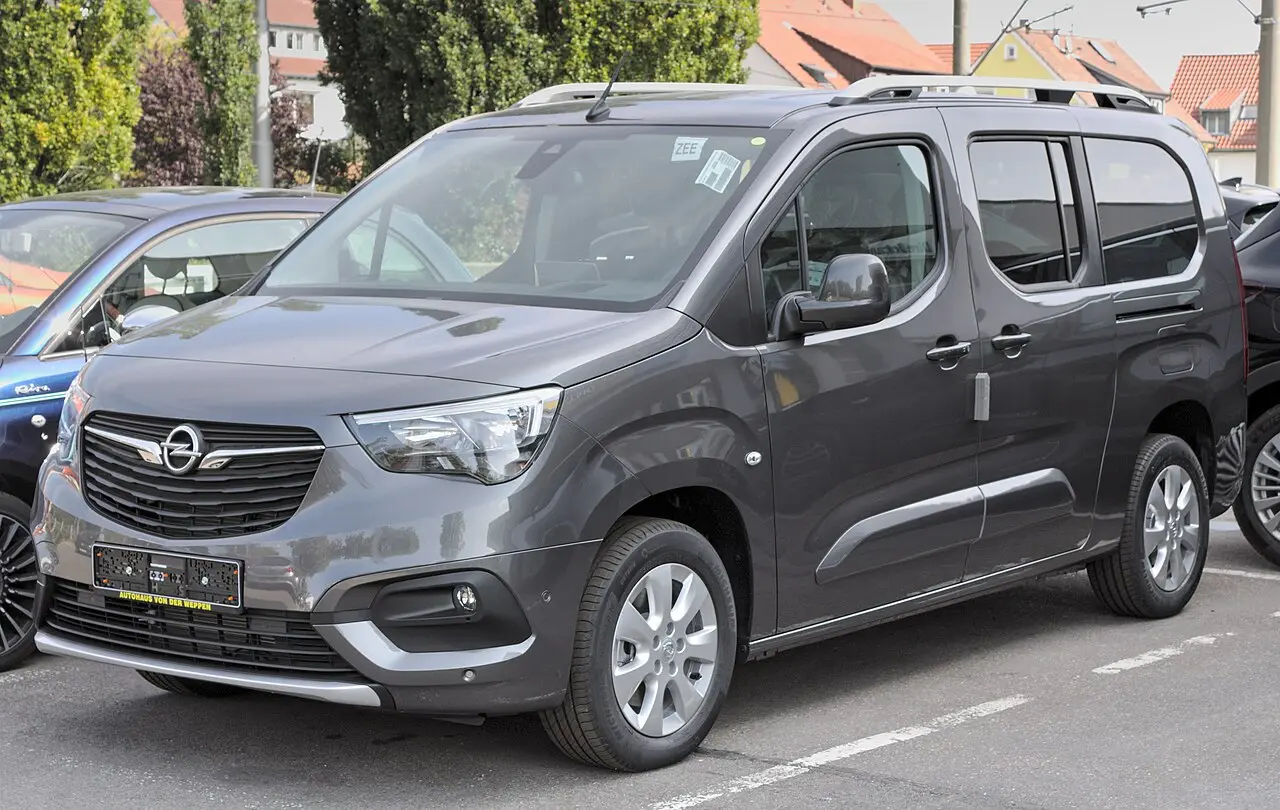
Opel

Opel Combo Life

Opel Combo Life
Photo: Alexander Migl / Wikimedia Commons · CC BY-SA 4.0

The official data lists 45 versions of the Opel Combo Life (2018–2025), in the European Union. Each market publishes its own figures, measured on its own test procedure.

At a glance

Years in the data
2018–2025
Markets
European Union
Engines
1.2 L to 1.5 L
Power
56 kW (76 PS) to 100 kW (136 PS)
Fuels
Electric, Diesel, Petrol
Lowest consumption (European Union)
5.0 L/100 km (WLTP)
New registrations in the EU
99,161

What is the Opel Combo Life?

The Combo Life is the passenger version of Opel’s compact, van-shaped Combo. Its upright body and flexible cabin make it suited to carrying passengers and everyday luggage. It brings a people-carrier feel to Opel’s passenger range, with an emphasis on interior space.

The fifth-generation Combo, designated E, began in 2018. Opel offered it as the passenger-focused Combo Life and as the commercial Combo, giving the name both family and work roles.

Engines and power

European Union registration figures cover the Combo Life from 2018 to 2025. They list 1.2-litre to 1.5-litre engines and power from 56 kW (76 PS) to 100 kW (136 PS), alongside electric and other fuel entries. The leading combinations include a 1.2-litre petrol version with 81 kW (110 PS) and a 1.5-litre diesel with 75 kW (102 PS).

Specifications vary across versions. The range includes electric models as well as petrol and diesel options.

How economical is the Opel Combo Life?

The lowest listed consumption is 5 L/100 km on the WLTP test for petrol, diesel or hybrid versions. This is an official test result; everyday consumption can differ. European WLTP and NEDC procedures differ, and neither gives a direct match for EPA ratings in the USA or the 5-cycle test in Canada.

The 5 L/100 km figure applies to the listed petrol, diesel or hybrid versions. It does not describe the energy use of an electric model.

Where was the Combo Life sold?

European Union registration figures cover the Combo Life from 2018 to 2025. As the passenger-focused version of the fifth-generation Combo, it paired a van-shaped body with a cabin designed for everyday passenger use.

Questions and answers

Which generation is the Combo Life?

It is part of the fifth-generation Combo, designated E, which began in 2018.

What engine sizes and power appear in EU figures?

EU figures list 1.2-litre to 1.5-litre engines and power from 56 kW (76 PS) to 100 kW (136 PS), alongside electric and other fuel entries.

What is the lowest listed consumption figure?

The lowest listed figure is 5 L/100 km on the WLTP test for petrol, diesel or hybrid versions.

Combo Life E (since 2018)

Opel Combo Life E
Photo: Alexander Migl / Wikimedia Commons · CC BY-SA 4.0

References: media.stellantis.com, en.wikipedia.org

European Union 45 versions

New cars registered in the EU (plus Norway and Iceland), from the European Environment Agency. Figures on the NEDC procedure until 2020 and on WLTP from 2021; versions are grouped by engine and power, with their number of registrations.

Years and versionEnginePowerFuelConsumption (combined)CO₂Electric rangeEU registrations
2025Electric motor100 kW (136 PS)Electric18.7 kWh/100 km WLTP0 g/km327 km822
20251.5 L96 kW (131 PS)Diesel5.7 L/100 km WLTP149 g/km–727
20251.2 L81 kW (110 PS)Petrol6.4 L/100 km WLTP145 g/km–548
20251.5 L75 kW (102 PS)Diesel5.3 L/100 km WLTP140 g/km–85
2025Electric motor62 kW (84 PS)Electric18.4 kWh/100 km WLTP0 g/km337 km53
2025Electric motor57 kW (77 PS)Electric19.7 kWh/100 km WLTP0 g/km282 km27
20241.5 L96 kW (131 PS)Diesel5.6 L/100 km WLTP148 g/km–1,725
2024Electric motor100 kW (136 PS)Electric19.9 kWh/100 km WLTP0 g/km290 km759
20241.2 L81 kW (110 PS)Petrol6.4 L/100 km WLTP144 g/km–361
20241.5 L75 kW (102 PS)Diesel5.3 L/100 km WLTP139 g/km–132
2024Electric motor57 kW (77 PS)Electric20.1 kWh/100 km WLTP0 g/km279 km126
2024Electric motor62 kW (84 PS)Electric18.4 kWh/100 km WLTP0 g/km339 km24
20241.2 L96 kW (131 PS)Petrol6.8 L/100 km WLTP153 g/km–13
2022–20231.5 L96 kW (131 PS)Diesel5.3 L/100 km WLTP139 g/km–3,151
2023Electric motor100 kW (136 PS)Electric20.0 kWh/100 km WLTP0 g/km277 km1,708
20231.2 L96 kW (131 PS)Petrol6.9 L/100 km WLTP155 g/km–1,132
20231.2 L81 kW (110 PS)Petrol6.4 L/100 km WLTP145 g/km–497
20231.5 L75 kW (102 PS)Diesel5.2 L/100 km WLTP135 g/km–280
2023Electric motor57 kW (77 PS)Electric19.9 kWh/100 km WLTP0 g/km278 km202
20221.5 L75 kW (102 PS)Diesel5.1 L/100 km WLTP136 g/km–2,362
20221.2 L96 kW (131 PS)Petrol6.9 L/100 km WLTP155 g/km–1,810
20221.2 L81 kW (110 PS)Petrol6.4 L/100 km WLTP146 g/km–1,428
2022Electric motor57 kW (77 PS)Electric19.9 kWh/100 km WLTP0 g/km279 km953
2022Electric motor100 kW (136 PS)Electric19.9 kWh/100 km WLTP0 g/km279 km420
20211.2 L81 kW (110 PS)Petrol6.3 L/100 km WLTP148 g/km–5,473
20211.2 L96 kW (131 PS)Petrol6.8 L/100 km WLTP155 g/km–3,898
20211.5 L75 kW (102 PS)Diesel5.0 L/100 km WLTP137 g/km–3,665
20211.5 L96 kW (131 PS)Diesel5.3 L/100 km WLTP0.5 kWh/100 km WLTP141 g/km–3,329
2021Electric motor57 kW (77 PS)Electric20.1 kWh/100 km WLTP0 g/km277 km170
2021Electric motor100 kW (136 PS)Electric19.9 kWh/100 km WLTP0 g/km279 km77
20211.5 L–Petrol5.3 L/100 km WLTP120 g/km–13
2021–100 kW (136 PS)Other fuel4.1 L/100 km WLTP140 g/km245 km11
20211.2 L–Diesel5.2 L/100 km WLTP136 g/km–10
20201.2 L81 kW (110 PS)Petrol–123 g/km–9,902
20201.5 L96 kW (131 PS)Diesel–112 g/km–7,095
20201.5 L75 kW (102 PS)Diesel–108 g/km–5,062
20201.2 L96 kW (131 PS)Petrol–122 g/km–3,419
2018–20201.5 L56 kW (76 PS)Diesel–108 g/km–682
20191.2 L81 kW (110 PS)Petrol–126 g/km–14,416
20191.5 L75 kW (102 PS)Diesel–113 g/km–7,428
20191.5 L96 kW (131 PS)Diesel–115 g/km–6,812
20191.2 L96 kW (131 PS)Petrol–120 g/km–440
20181.5 L75 kW (102 PS)Diesel–116 g/km–4,324
20181.5 L96 kW (131 PS)Diesel–114 g/km–1,976
20181.2 L81 kW (110 PS)Petrol–126 g/km–1,614

Official figures are measured on standard test procedures and differ between markets. Your consumption depends on how, where and in what conditions you drive.