Nissan

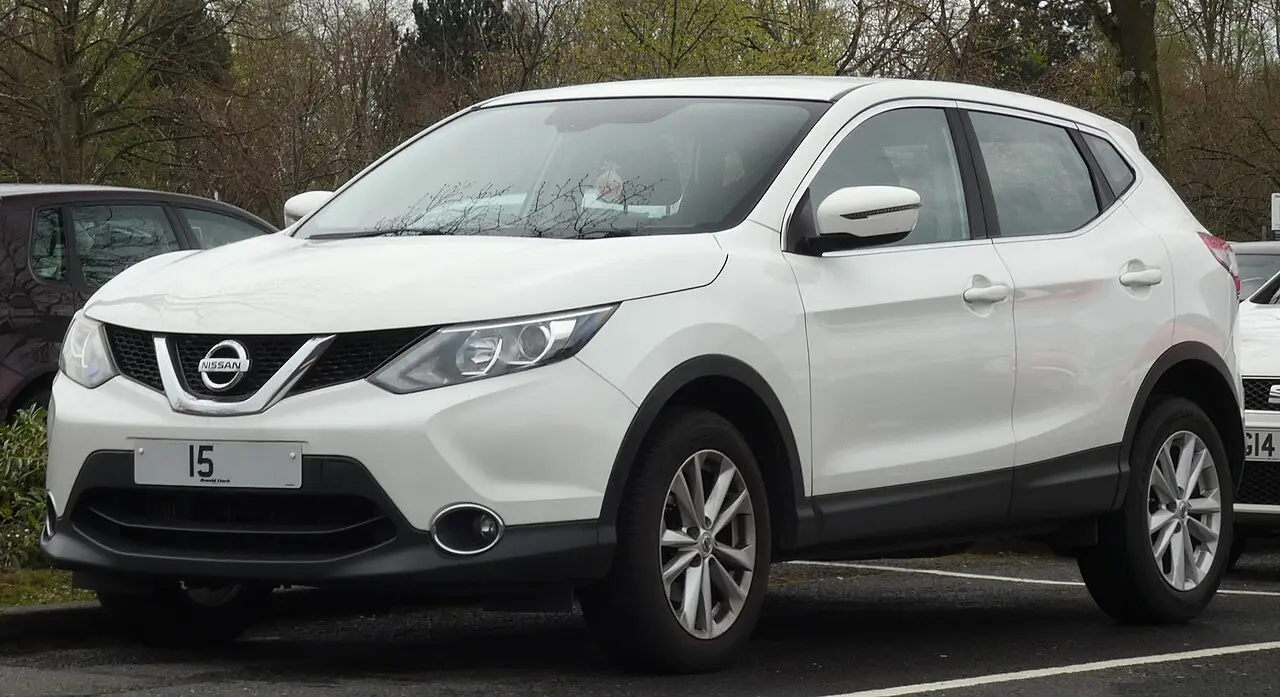
Nissan Rogue Sport

Nissan Rogue Sport
Photo: Harvey Bold / Wikimedia Commons · CC BY 4.0

The official data lists 9 versions of the Nissan Rogue Sport (2017–2022), in the United States. Each market publishes its own figures, measured on its own test procedure.

At a glance

Years in the data
2017–2022
Markets
United States
Engines
2.0 L
Fuels
Petrol
Lowest consumption (United States)
8.4 L/100 km (EPA)

What is the Nissan Rogue Sport?

The Rogue Sport was Nissan’s compact crossover for the US market. It was the American-market name for the Qashqai, Nissan’s compact crossover sold elsewhere. Its smaller size placed it below the Rogue in Nissan’s US range.

In the United States, the Rogue Sport was sold from 2017 through 2022. Its J11 generation was based on the second-generation Qashqai.

Generations and engines

The US Rogue Sport had one generation, J11, sold from 2017 to 2022. Its compact crossover shape and higher seating position suited everyday city and suburban driving.

US versions used a 2.0-litre petrol engine.

How economical is the Nissan Rogue Sport?

The best stated combined EPA rating is 28 MPG, or 8.4 L/100 km. The EPA procedure differs from the WLTP and older NEDC tests used in Europe, so ratings from those markets are not directly equivalent.

Questions and answers

What years was the Nissan Rogue Sport sold in the US?

The US model was sold from 2017 through 2022.

What engine did the Rogue Sport use?

US versions used a 2.0-litre petrol engine.

What is the Rogue Sport’s EPA fuel economy?

Its best stated combined EPA rating is 28 MPG, or 8.4 L/100 km.

Rogue Sport J11 (2017–2022)

Nissan Rogue Sport J11
Photo: Harvey Bold / Wikimedia Commons · CC BY 4.0

Model codes: J11 · Sold in: United States · References: automobile-catalog.com, en.wikipedia.org

United States 9 versions

Model years sold in the USA, from the EPA and the Department of Energy (fueleconomy.gov). MPG on the EPA test; litres per 100 km = 235.215 ÷ MPG.

Years and versionEngineFuelGearboxDriveConsumption (combined)CO₂
2022SIDI2.0 LPetrolContinuously variable (CVT)Front-wheel drive28 MPG (8.4 L/100 km) EPA198 g/km
2021–2022SIDI2.0 LPetrolContinuously variable (CVT)All-wheel drive27 MPG (8.7 L/100 km) EPA205 g/km
2021SIDI2.0 LPetrolContinuously variable (CVT)Front-wheel drive28 MPG (8.4 L/100 km) EPA198 g/km
2020SIDI2.0 LPetrolContinuously variable (CVT)All-wheel drive27 MPG (8.7 L/100 km) EPA204 g/km
2020SIDI2.0 LPetrolContinuously variable (CVT)Front-wheel drive28 MPG (8.4 L/100 km) EPA197 g/km
2019SIDI2.0 LPetrolContinuously variable (CVT)Front-wheel drive28 MPG (8.4 L/100 km) EPA198 g/km
2019SIDI2.0 LPetrolContinuously variable (CVT)All-wheel drive27 MPG (8.7 L/100 km) EPA205 g/km
2017–2018SIDI2.0 LPetrolContinuously variable (CVT)Front-wheel drive28 MPG (8.4 L/100 km) EPA198 g/km
2017–2018SIDI2.0 LPetrolContinuously variable (CVT)All-wheel drive27 MPG (8.7 L/100 km) EPA204 g/km

Official figures are measured on standard test procedures and differ between markets. Your consumption depends on how, where and in what conditions you drive.