What is the NSU Prinz?
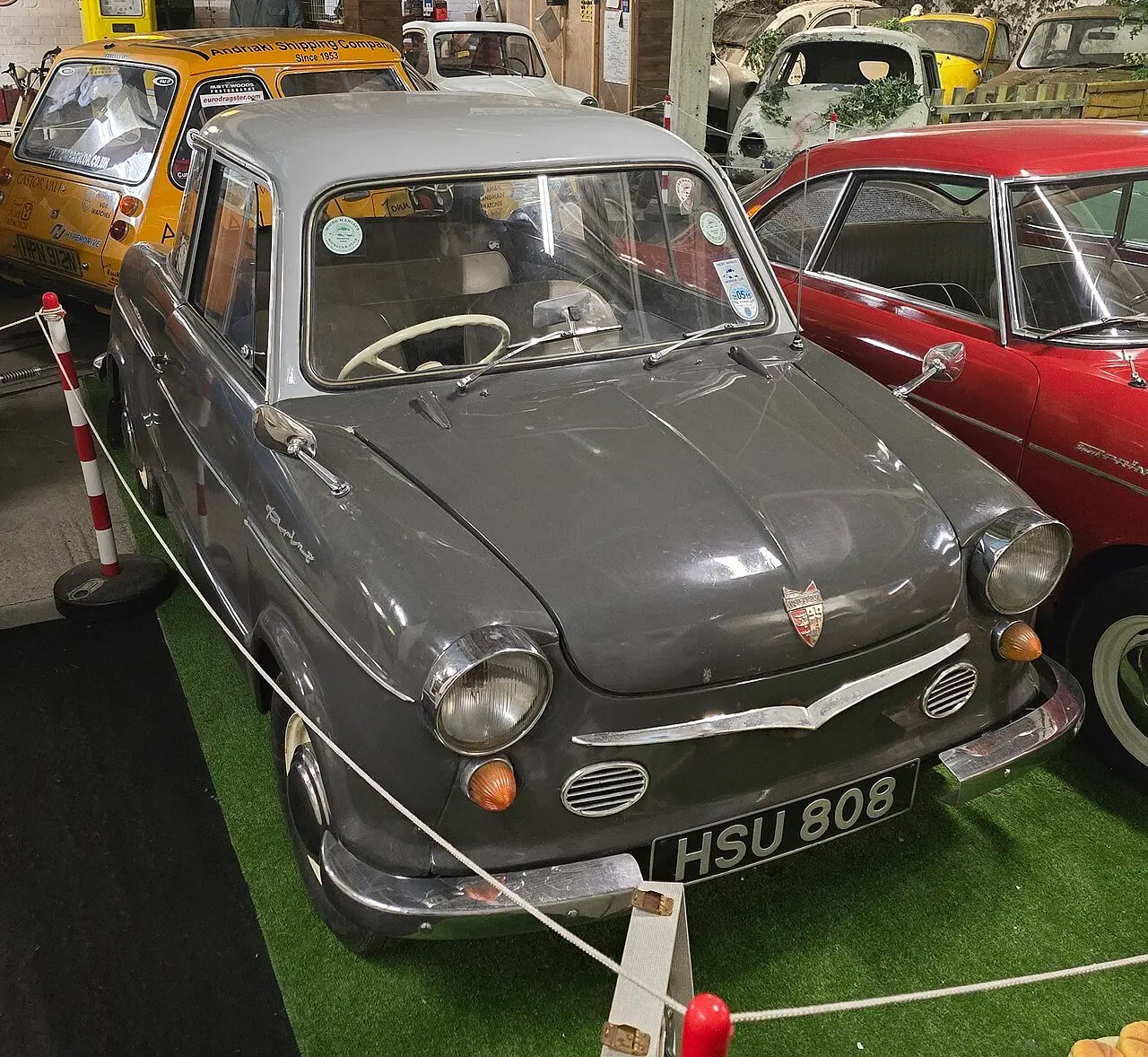
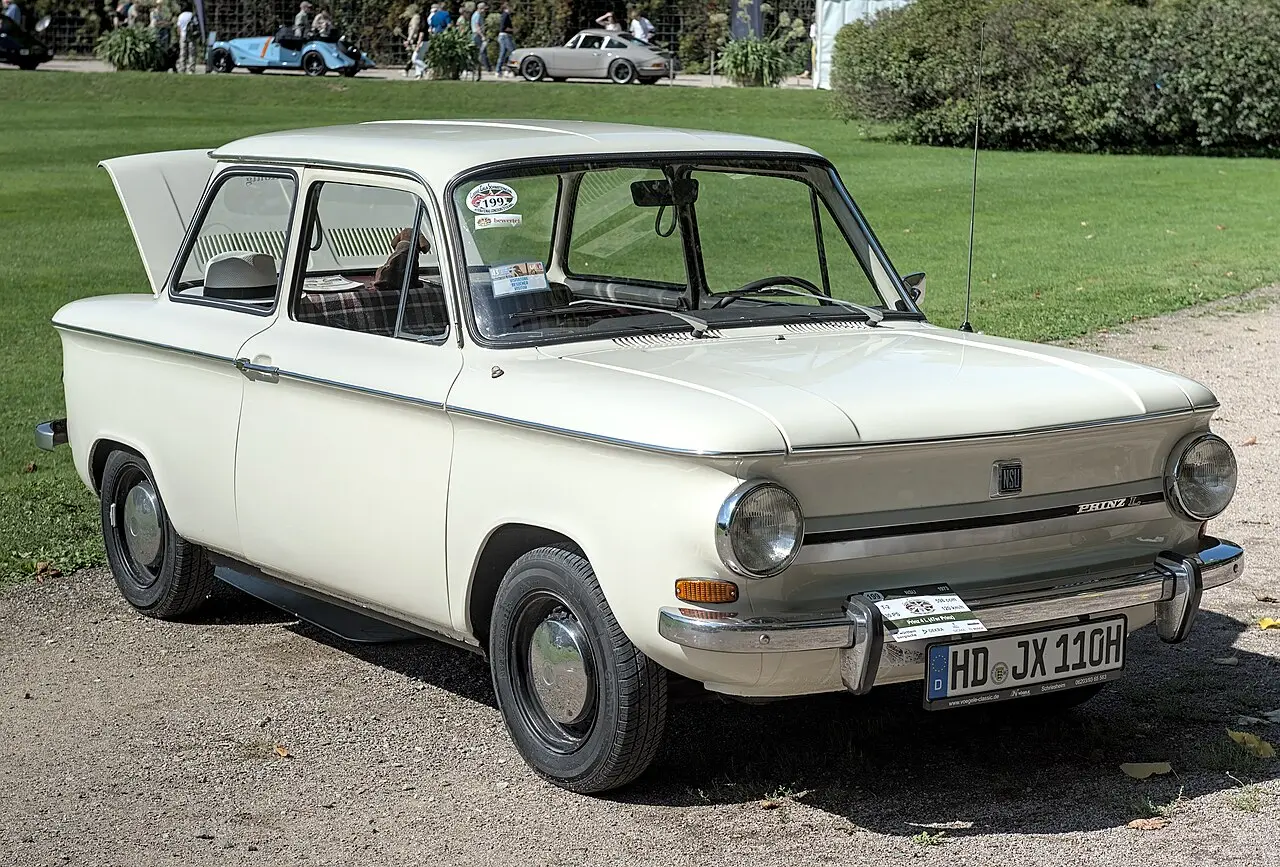
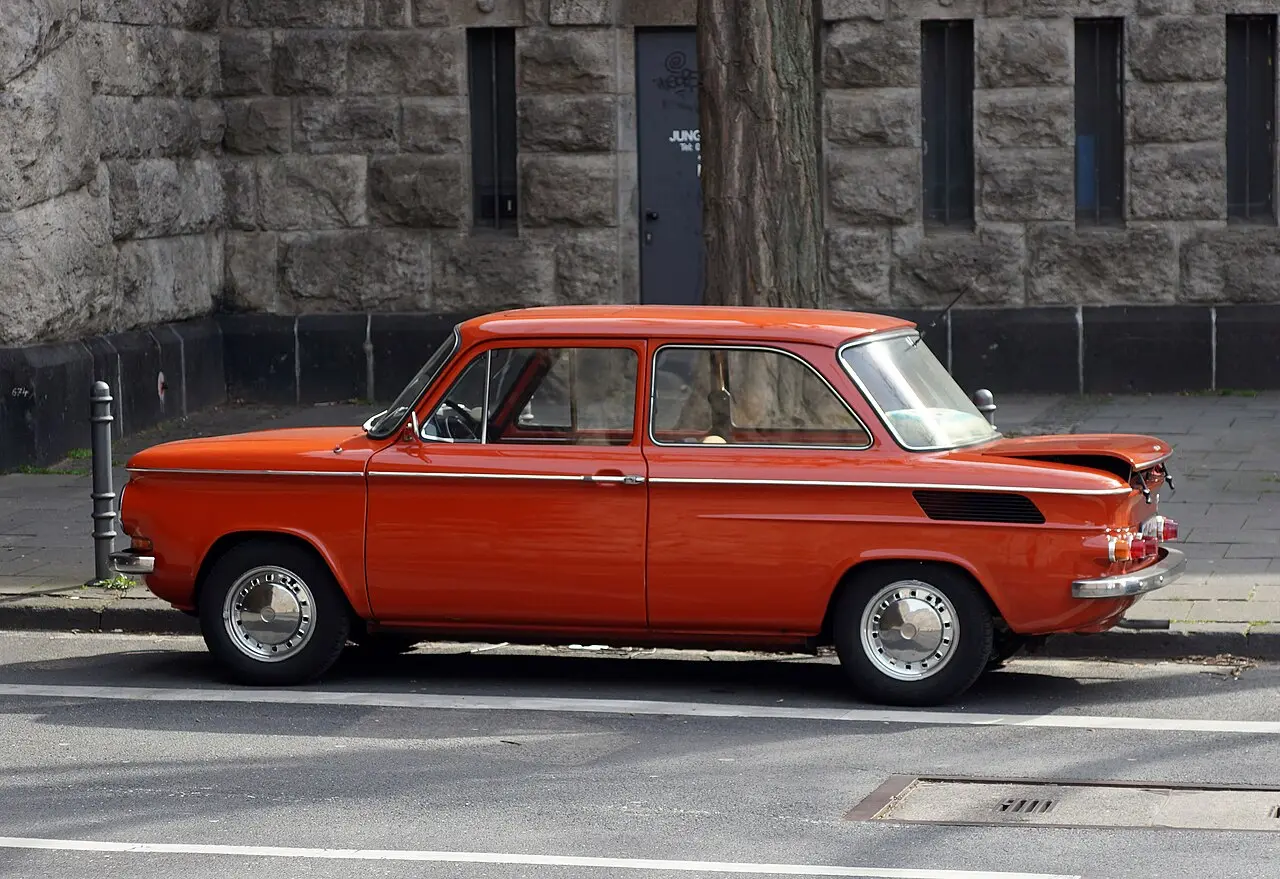
The NSU Prinz was a small two-door saloon that marked the Neckarsulm company’s return to carmaking. It sat at the compact end of the range, with a self-supporting steel body and a rear-mounted, air-cooled engine. Its modest footprint and simple layout suited everyday motoring, while the cabin was designed to accommodate four people.
NSU had built its identity around motorcycles before returning to cars with the Prinz. The model brought the firm’s practical engineering into a compact family car, and later versions helped NSU move into sportier and more upmarket territory.
Generations and design
The early Prinz was followed by the Prinz II and Prinz III, with changes to equipment and refinement. The Prinz 4 became the best-known version of the small-car line. Its rounded, upright body gave it a distinct look, while the rear-engine layout remained central to its character.
The Prinz family also included sportier and larger derivatives. The Sport Prinz had its own coupé body, while the Prinz 1000 broadened the range into a roomier class. NSU’s later TT and TTS models drew on the same rear-engine tradition for a more performance-focused role.
Engines and official economy figures
The Prinz used small petrol engines mounted at the rear. Early cars had an air-cooled, two-cylinder engine; later Prinz 4 versions continued with an air-cooled two-cylinder design. Larger NSU derivatives used four-cylinder engines, but they were separate models in the wider family rather than simply another Prinz 4 engine choice.
No official fuel-consumption or CO₂ figures are listed for the Prinz in the EU, UK, France, USA or Canada here. The model predates the modern standardized test systems used to publish comparable consumption and emissions ratings, so there is no market-specific test procedure to cite.
Where was it sold?
The Prinz was developed and built by NSU in Germany, and the company also made it available beyond its home market. Its compact size and conventional saloon body gave it a role as a small everyday car, while its rear-engine engineering made it recognizably different from many contemporaries. The Prinz name covers several stages of NSU’s return to car production and the company’s growth beyond two-wheelers.
Questions and answers
Was the NSU Prinz a saloon or a sports car?
The standard Prinz was a compact two-door saloon. NSU also offered sportier relatives, including the Sport Prinz coupé and the TT and TTS models.
Where was the Prinz engine mounted?
The Prinz used a rear-mounted engine, with early versions powered by an air-cooled two-cylinder petrol unit.
Are official fuel-consumption and CO₂ figures available?
No official market-specific consumption or CO₂ ratings are listed for the Prinz here.