The official data lists 854 versions of the MINI Hatch (2001–2027), in the European Union, the United Kingdom, France, the United States, and Canada. Each market publishes its own figures, measured on its own test procedure.
At a glance
Years in the data
2001–2027
Markets
European Union, United Kingdom, France, United States, Canada
Engines
1.2 L to 2.0 L
Power
55 kW (75 PS) to 170 kW (231 PS)
Fuels
Electric, Diesel, Petrol, Plug-in hybrid, Hybrid
Lowest consumption (France)
3.4 L/100 km (NEDC)
Lowest consumption (United Kingdom)
3.4 L/100 km (NEDC)
Lowest consumption (European Union)
5.0 L/100 km (WLTP)
Plug-in hybrid, weighted (European Union)
1.8 L/100 km (WLTP)
New registrations in the EU
3,367,884
What is the MINI Hatch?
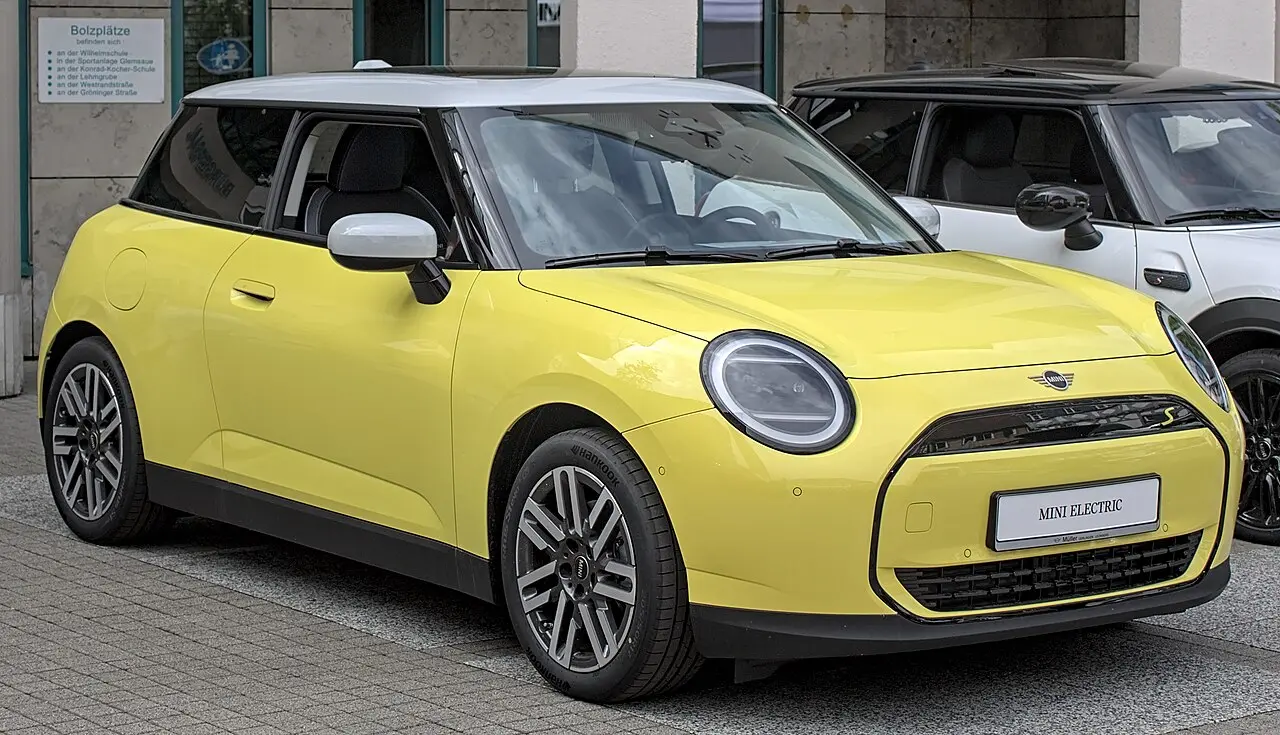
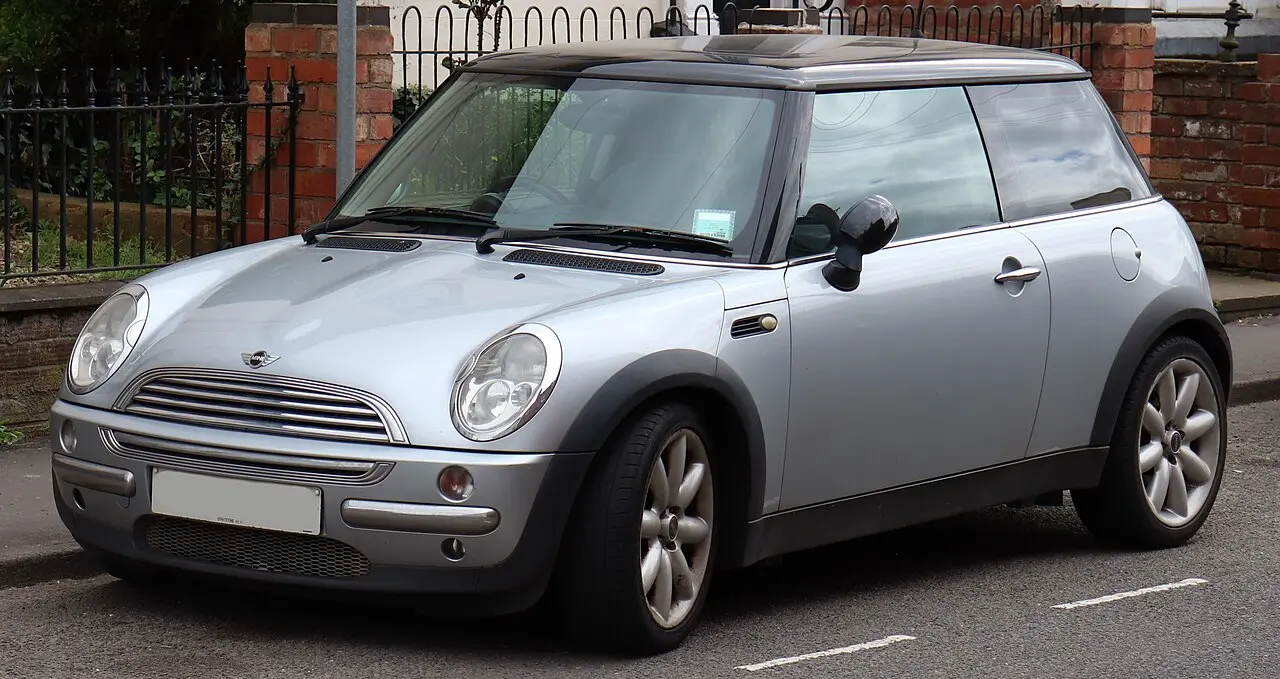
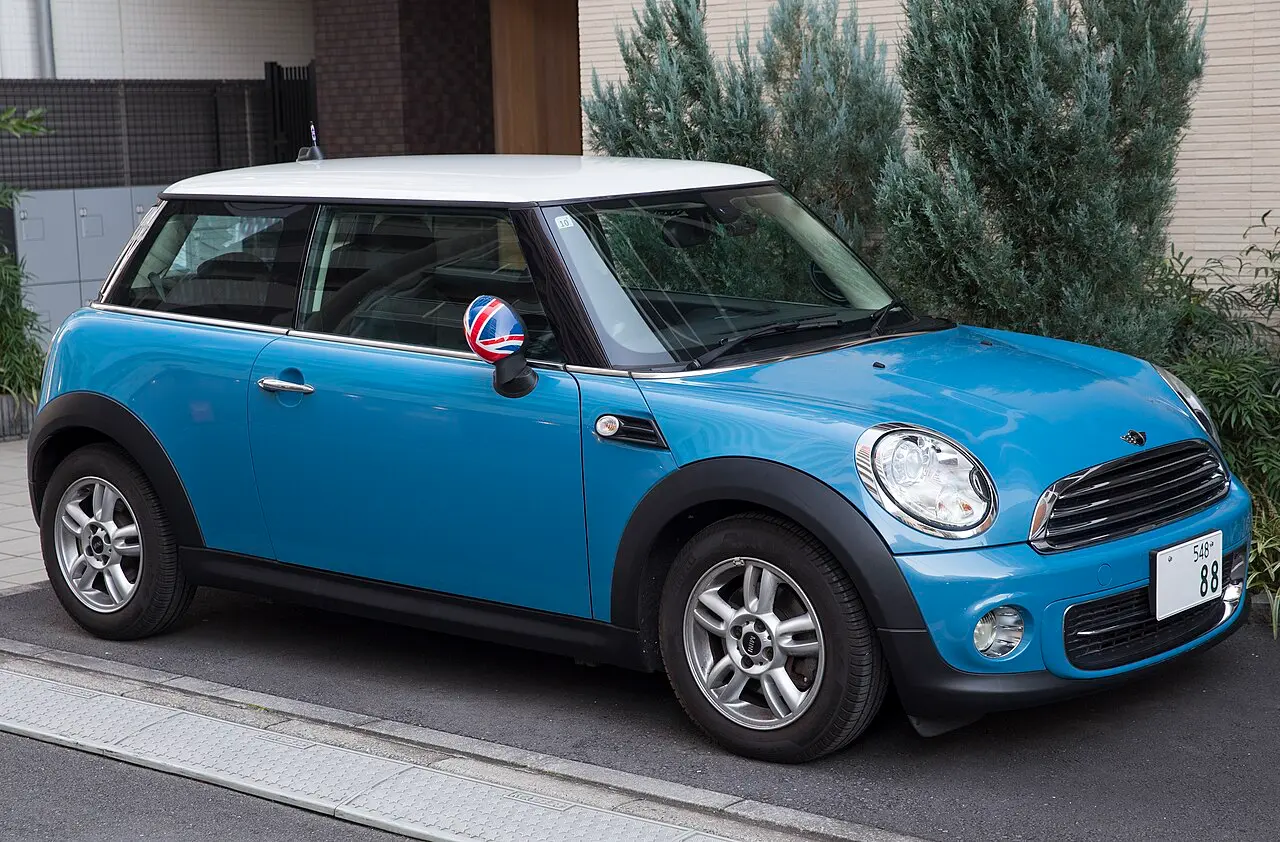
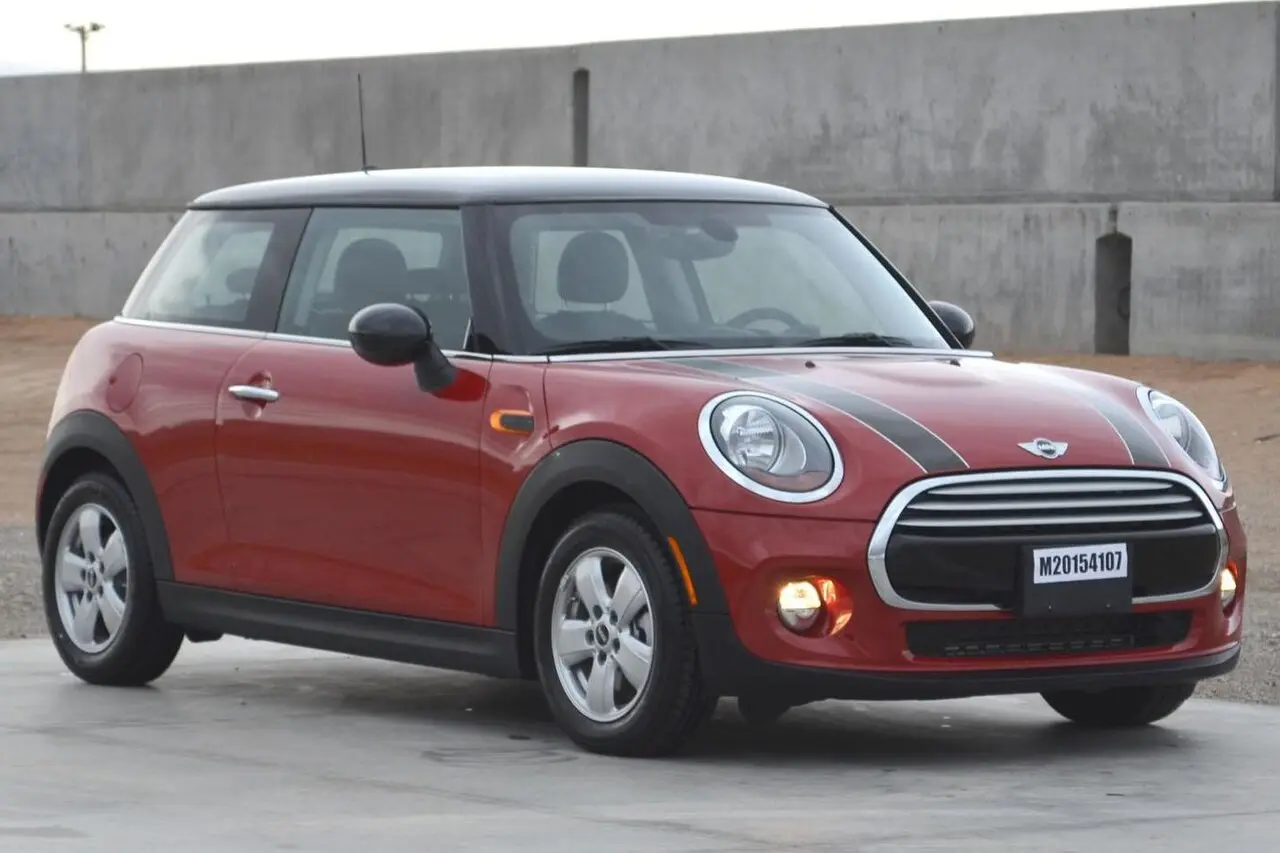
The MINI Hatch is the brand’s compact hatchback, with an upright shape and round headlights that echo the original Mini. It comes as a three-door or five-door, giving drivers a choice between the classic compact layout and easier rear-seat access. The short body makes it well suited to town driving, while later versions have broadened the range to include electric and plug-in hybrid power.
MINI Hatch generations
The modern Hatch began with the Mk I (2001–2006), in R50 and R53 form. The Mk II (2007–2013), known as the R56, kept the familiar shape while introducing a new generation. The Mk III (2014–2024), in F55 and F56 form, brought the five-door body alongside the three-door. The Mk IV (2024–today), coded F65 and F66, carries the Hatch into its latest generation. Through each update, MINI has retained the model’s distinctive outline while adapting its design and technology.
Engines, power and official economy
Across markets, the Hatch has been offered with 1.2 L to 2.0 L engines and petrol, diesel, hybrid, plug-in hybrid and electric power. In the EU, listed power runs from 55 kW (75 PS) to 190 kW (258 PS); in the UK, it ranges from 90 kW (122 PS) to 190 kW (258 PS). The lowest listed EU consumption for petrol, diesel or hybrid versions is 5 L/100 km on WLTP. For plug-in hybrids, the lowest official weighted figure is 1.8 L/100 km, assuming some driving is electric. The lowest listed figure in the UK and France is 3.4 L/100 km on NEDC. In the US, the lowest EPA figure is 7.1 L/100 km, and the best combined rating is 33 MPG. Canada’s lowest figure is 7.1 L/100 km on NRCan’s 5-cycle test. WLTP and NEDC in Europe, EPA in the US and the Canadian 5-cycle test use different methods, so figures are best read within their own market.
Where was it sold?
Official figures list the Hatch in the European Union, the UK, France, the United States and Canada. EU registrations span 2010–2025, with 3,367,884 recorded. The listed period is 2001–2026 in the UK, 2012–2026 in France, 2002–2027 in the US and 2003–2026 in Canada.
Questions and answers
When did the modern MINI Hatch begin?
The first modern generation, the Mk I, ran from 2001 to 2006.
Which MINI Hatch generation added a five-door body?
The Mk III generation (2014–2024) included the F55 five-door alongside the F56 three-door.
What is the lowest listed EU fuel consumption?
It is 5 L/100 km on WLTP for petrol, diesel or hybrid versions. The plug-in hybrid weighted figure is 1.8 L/100 km and assumes some driving is electric.
Why do official economy figures differ by country?
Test procedures differ: Europe uses WLTP or NEDC, the US uses EPA, and Canada uses NRCan’s 5-cycle test.
New cars registered in the EU (plus Norway and Iceland), from the European Environment Agency. Figures on the NEDC procedure until 2020 and on WLTP from 2021; versions are grouped by engine and power, with their number of registrations.
Years and version
Engine
Power
Fuel
Consumption (combined)
CO₂
Electric range
EU registrations
2025
1.5 L
115 kW (156 PS)
Petrol
6.1 L/100 km WLTP
137 g/km
–
23,562
2025
2.0 L
150 kW (204 PS)
Petrol
6.4 L/100 km WLTP
145 g/km
–
9,955
2025
Electric motor
160 kW (218 PS)
Electric
15.8 kWh/100 km WLTP
0 g/km
376 km
8,217
2025
Electric motor
135 kW (184 PS)
Electric
14.2 kWh/100 km WLTP
0 g/km
294 km
6,468
2025
2.0 L
120 kW (163 PS)
Petrol
6.5 L/100 km WLTP
148 g/km
–
6,137
2025
2.0 L
170 kW (231 PS)
Petrol
6.7 L/100 km WLTP
152 g/km
–
4,506
2024–2025
Electric motor
65 kW (88 PS)
Electric
14.5 kWh/100 km WLTP
0 g/km
391 km
2,204
2025
Electric motor
190 kW (258 PS)
Electric
15.8 kWh/100 km WLTP
0 g/km
362 km
938
2025
Electric motor
55 kW (75 PS)
Electric
14.0 kWh/100 km WLTP
0 g/km
297 km
580
2025
Electric motor
75 kW (102 PS)
Electric
15.5 kWh/100 km WLTP
0 g/km
362 km
157
2025
1.5 L
100 kW (136 PS)
Petrol
5.6 L/100 km WLTP
129 g/km
–
46
2025
2.0 L
131 kW (178 PS)
Petrol
6.0 L/100 km WLTP
137 g/km
–
18
2024
1.5 L
100 kW (136 PS)
Petrol
5.7 L/100 km WLTP
130 g/km
–
15,666
2024
1.5 L
115 kW (156 PS)
Petrol
6.1 L/100 km WLTP
135 g/km
–
13,904
2024
Electric motor
160 kW (218 PS)
Electric
14.5 kWh/100 km WLTP
0 g/km
391 km
9,031
2024
Electric motor
135 kW (184 PS)
Electric
14.5 kWh/100 km WLTP
0 g/km
281 km
6,492
2024
2.0 L
150 kW (204 PS)
Petrol
6.1 L/100 km WLTP
142 g/km
–
5,688
2024
2.0 L
131 kW (178 PS)
Petrol
6.1 L/100 km WLTP
140 g/km
–
5,402
2024
2.0 L
170 kW (231 PS)
Petrol
6.8 L/100 km WLTP
156 g/km
–
3,004
2024
Electric motor
55 kW (75 PS)
Electric
14.1 kWh/100 km WLTP
0 g/km
298 km
551
2024
Electric motor
75 kW (102 PS)
Electric
15.4 kWh/100 km WLTP
0 g/km
231 km
189
2024
2.0 L
120 kW (163 PS)
Petrol
6.4 L/100 km WLTP
145 g/km
–
122
2024
1.5 L
75 kW (102 PS)
Petrol
5.6 L/100 km WLTP
127 g/km
–
29
United Kingdom 32 versions
New cars on sale in the UK, from the Vehicle Certification Agency. NEDC figures until 2018 and WLTP figures after; years are the editions a version appeared in.
Years and version
Engine
Power
Fuel
Gearbox
Consumption (combined)
CO₂
Electric range
2025–2026E Sport · E Classic · E Exclusive
Electric motor
135 kW (184 PS)
Electric
Automatic
13.8 kWh/100 km WLTP
0 g/km
303 km
2025–2026E Classic · E Exclusive · E Sport and 1 more trim
Electric motor
135 kW (184 PS)
Electric
Automatic
14.3 kWh/100 km WLTP
0 g/km
289 km
2026E Exclusive · E Classic · E Sport and 2 more trims
Electric motor
135 kW (184 PS)
Electric
Automatic
13.8 kWh/100 km WLTP
0 g/km
300 km
2025–2026SE Sport · SE Classic · SE Exclusive
Electric motor
160 kW (218 PS)
Electric
Automatic
14.2 kWh/100 km WLTP
0 g/km
400 km
2026SE Classic · SE Exclusive · SE Paul Smith and 1 more trim
Electric motor
160 kW (218 PS)
Electric
Automatic
14.7 kWh/100 km WLTP
0 g/km
398 km
2026SE Sport
Electric motor
160 kW (218 PS)
Electric
Automatic
14.7 kWh/100 km WLTP
0 g/km
3,987 km
2026SE Monochrome · SE Paul Smith
Electric motor
160 kW (218 PS)
Electric
Automatic
14.2 kWh/100 km WLTP
0 g/km
398 km
2025–2026John Cooper Works
Electric motor
190 kW (258 PS)
Electric
Automatic
14.1 kWh/100 km WLTP
0 g/km
403 km
2026John Cooper Works
Electric motor
190 kW (258 PS)
Electric
Automatic
15.6 kWh/100 km WLTP
0 g/km
403 km
2026Cooper One
1.5 L
90 kW (122 PS)
Petrol
7-speed automatic
5.9 L/100 km WLTP
133 g/km
–
2026Cooper One
1.5 L
90 kW (122 PS)
Petrol
7-speed automatic
5.9 L/100 km WLTP
134 g/km
–
2026Cooper One
1.5 L
90 kW (122 PS)
Petrol
7-speed automatic
6.0 L/100 km WLTP
136 g/km
–
2026Cooper One
1.5 L
90 kW (122 PS)
Petrol
7-speed automatic
6.0 L/100 km WLTP
137 g/km
–
2025–2026C Classic · C Exclusive
1.5 L
115 kW (156 PS)
Petrol
7-speed automatic
6.1 L/100 km WLTP
137 g/km
–
2025–2026C Sport
1.5 L
115 kW (156 PS)
Petrol
7-speed automatic
6.2 L/100 km WLTP
140 g/km
–
2025–2026C Classic · C Exclusive
1.5 L
115 kW (156 PS)
Petrol
7-speed automatic
6.2 L/100 km WLTP
139 g/km
–
2025–2026C Sport
1.5 L
115 kW (156 PS)
Petrol
7-speed automatic
6.3 L/100 km WLTP
142 g/km
–
2025–2026S Classic
2.0 L
150 kW (204 PS)
Petrol
7-speed automatic
6.3 L/100 km WLTP
144 g/km
–
2025–2026S Exclusive · S Classic
2.0 L
150 kW (204 PS)
Petrol
7-speed automatic
6.3 L/100 km WLTP
142 g/km
–
2025–2026S Sport · S Classic · S Exclusive
2.0 L
150 kW (204 PS)
Petrol
7-speed automatic
6.4 L/100 km WLTP
144 g/km
–
2025–2026S Sport
2.0 L
150 kW (204 PS)
Petrol
7-speed automatic
6.5 L/100 km WLTP
147 g/km
–
2025–2026John Cooper Works
2.0 L
170 kW (231 PS)
Petrol
7-speed automatic
6.8 L/100 km WLTP
154 g/km
–
2025SE Sport · SE Classic · SE Exclusive
Electric motor
160 kW (218 PS)
Electric
Automatic
14.7 kWh/100 km WLTP
0 g/km
385 km
2025John Cooper Works
Electric motor
190 kW (258 PS)
Electric
Automatic
15.6 kWh/100 km WLTP
0 g/km
364 km
2025C Classic · C Exclusive
1.5 L
115 kW (156 PS)
Petrol
7-speed automatic
5.9 L/100 km WLTP
134 g/km
–
2025C Sport
1.5 L
115 kW (156 PS)
Petrol
7-speed automatic
6.1 L/100 km WLTP
138 g/km
–
2025C Classic · C Exclusive
1.5 L
115 kW (156 PS)
Petrol
7-speed automatic
6.0 L/100 km WLTP
136 g/km
–
2025S Classic
2.0 L
150 kW (204 PS)
Petrol
7-speed automatic
6.2 L/100 km WLTP
142 g/km
–
2025S Exclusive
2.0 L
150 kW (204 PS)
Petrol
7-speed automatic
6.2 L/100 km WLTP
140 g/km
–
2025S Sport
2.0 L
150 kW (204 PS)
Petrol
7-speed automatic
6.3 L/100 km WLTP
143 g/km
–
2025S Sport
2.0 L
150 kW (204 PS)
Petrol
7-speed automatic
6.4 L/100 km WLTP
145 g/km
–
2025John Cooper Works
2.0 L
170 kW (231 PS)
Petrol
7-speed automatic
6.5 L/100 km WLTP
147 g/km
–
France 41 versions
New cars on sale in France, from ADEME Car Labelling. NEDC figures until 2015, WLTP figures in the current catalogue.
Years and version
Engine
Power
Fuel
Gearbox
Consumption (combined)
CO₂
Electric range
2026MINI Cooper SE Hatch 3P (F56)
Electric motor
75 kW (102 PS)
Electric
Continuously variable (CVT)
15.2 kWh/100 km WLTP
–
234 km
2026MINI One D Countryman (F60)
1.5 L
85 kW (116 PS)
Diesel
7-speed automatic
4.8 L/100 km WLTP
127 g/km
–
2026MINI One D Countryman (F60)
1.5 L
85 kW (116 PS)
Diesel
6-speed manual
4.9 L/100 km WLTP
127 g/km
–
2026MINI One 75 Hatch 5P (F55)
1.5 L
55 kW (75 PS)
Petrol
6-speed manual
5.4 L/100 km WLTP
122 g/km
–
2026MINI One 75 Hatch 3P (F56)
1.5 L
55 kW (75 PS)
Petrol
6-speed manual
5.4 L/100 km WLTP
122 g/km
–
2026MINI One Countryman (F60)
1.5 L
75 kW (102 PS)
Petrol
6-speed manual
6.1 L/100 km WLTP
139 g/km
–
2026MINI One 102 Hatch 3P (F56)
1.5 L
75 kW (102 PS)
Petrol
7-speed automatic
5.4 L/100 km WLTP
123 g/km
–
2026MINI One Countryman (F60)
1.5 L
75 kW (102 PS)
Petrol
7-speed automatic
6.2 L/100 km WLTP
140 g/km
–
2026MINI One Clubman (F54)
1.5 L
75 kW (102 PS)
Petrol
6-speed manual
5.9 L/100 km WLTP
135 g/km
–
2026MINI One 102 Hatch 5P (F55)
1.5 L
75 kW (102 PS)
Petrol
7-speed automatic
5.4 L/100 km WLTP
123 g/km
–
2026MINI One 102 Hatch 5P (F55)
1.5 L
75 kW (102 PS)
Petrol
6-speed manual
5.3 L/100 km WLTP
121 g/km
–
2026MINI One Clubman (F54)
1.5 L
75 kW (102 PS)
Petrol
7-speed automatic
6.0 L/100 km WLTP
138 g/km
–
2026MINI One Cabrio (F57)
1.5 L
75 kW (102 PS)
Petrol
6-speed manual
5.3 L/100 km WLTP
121 g/km
–
2026MINI One 102 Hatch 3P (F56)
1.5 L
75 kW (102 PS)
Petrol
6-speed manual
5.3 L/100 km WLTP
121 g/km
–
2026MINI Cooper Hatch 5P (F55)
1.5 L
100 kW (136 PS)
Petrol
7-speed automatic
5.4 L/100 km WLTP
124 g/km
–
2026MINI Cooper Hatch 5P (F55)
1.5 L
100 kW (136 PS)
Petrol
6-speed manual
5.4 L/100 km WLTP
123 g/km
–
2026MINI Cooper Cabrio (F57)
1.5 L
100 kW (136 PS)
Petrol
6-speed manual
5.4 L/100 km WLTP
123 g/km
–
2026MINI Cooper Countryman (F60)
1.5 L
100 kW (136 PS)
Petrol
7-speed automatic
6.3 L/100 km WLTP
143 g/km
–
2026MINI Cooper Hatch 3P (F56)
1.5 L
100 kW (136 PS)
Petrol
7-speed automatic
5.4 L/100 km WLTP
124 g/km
–
2026MINI Cooper ALL4 Countryman (F60)
1.5 L
100 kW (136 PS)
Petrol
8-speed automatic
6.9 L/100 km WLTP
156 g/km
–
2026MINI Cooper Cabrio (F57)
1.5 L
100 kW (136 PS)
Petrol
7-speed automatic
5.4 L/100 km WLTP
124 g/km
–
2026MINI Cooper Hatch 3P (F56)
1.5 L
100 kW (136 PS)
Petrol
6-speed manual
5.4 L/100 km WLTP
123 g/km
–
2026MINI Cooper D ALL4 Countryman (F60)
2.0 L
110 kW (150 PS)
Diesel
8-speed automatic
5.3 L/100 km WLTP
138 g/km
–
2026MINI Cooper D Countryman (F60)
2.0 L
110 kW (150 PS)
Diesel
8-speed automatic
4.9 L/100 km WLTP
130 g/km
–
2026MINI Cooper D Countryman (F60)
2.0 L
110 kW (150 PS)
Diesel
6-speed manual
4.7 L/100 km WLTP
123 g/km
–
2026MINI Cooper SD ALL4 Countryman (F60)
2.0 L
140 kW (190 PS)
Diesel
8-speed automatic
5.4 L/100 km WLTP
142 g/km
–
2026MINI Cooper SD Countryman (F60)
2.0 L
140 kW (190 PS)
Diesel
8-speed automatic
5.1 L/100 km WLTP
134 g/km
–
2026MINI Cooper S Hatch 3P (F56)
2.0 L
131 kW (178 PS)
Petrol
7-speed automatic
5.8 L/100 km WLTP
132 g/km
–
2026MINI Cooper S Clubman (F54)
2.0 L
131 kW (178 PS)
Petrol
7-speed automatic
6.3 L/100 km WLTP
143 g/km
–
2026MINI Cooper S Hatch 5P (F55)
2.0 L
131 kW (178 PS)
Petrol
7-speed automatic
5.8 L/100 km WLTP
132 g/km
–
2026MINI Cooper S Countryman (F60)
2.0 L
131 kW (178 PS)
Petrol
6-speed manual
6.6 L/100 km WLTP
150 g/km
–
2026MINI Cooper S Countryman (F60)
2.0 L
131 kW (178 PS)
Petrol
7-speed automatic
6.4 L/100 km WLTP
145 g/km
–
2026MINI Cooper S Cabrio (F57)
2.0 L
131 kW (178 PS)
Petrol
7-speed automatic
5.8 L/100 km WLTP
132 g/km
–
2026MINI Cooper S Cabrio (F57)
2.0 L
131 kW (178 PS)
Petrol
6-speed manual
6.1 L/100 km WLTP
140 g/km
–
2026MINI Cooper S Hatch 3P (F56)
2.0 L
131 kW (178 PS)
Petrol
6-speed manual
6.1 L/100 km WLTP
140 g/km
–
2026MINI Cooper S Hatch 5P (F55)
2.0 L
131 kW (178 PS)
Petrol
6-speed manual
6.1 L/100 km WLTP
140 g/km
–
2026MINI John Cooper Works Hatch 3P (F56)
2.0 L
170 kW (231 PS)
Petrol
8-speed automatic
6.5 L/100 km WLTP
149 g/km
–
2026MINI John Cooper Works Cabrio (F57)
2.0 L
170 kW (231 PS)
Petrol
6-speed manual
6.8 L/100 km WLTP
154 g/km
–
2026MINI John Cooper Works Cabrio (F57)
2.0 L
170 kW (231 PS)
Petrol
8-speed automatic
6.5 L/100 km WLTP
149 g/km
–
2026MINI John Cooper Works Hatch 3P (F56)
2.0 L
170 kW (231 PS)
Petrol
6-speed manual
6.8 L/100 km WLTP
154 g/km
–
2026MINI John Cooper Works ALL4 Countryman (F60)
2.0 L
225 kW (306 PS)
Petrol
8-speed automatic
7.6 L/100 km WLTP
173 g/km
–
United States 10 versions
Model years sold in the USA, from the EPA and the Department of Energy (fueleconomy.gov). MPG on the EPA test; litres per 100 km = 235.215 ÷ MPG.
Years and version
Engine
Fuel
Gearbox
Drive
Consumption (combined)
CO₂
2027SIDI & PFI
2.0 L
Petrol
7-speed automated manual
Front-wheel drive
31 MPG (7.6 L/100 km) EPA
173 g/km
2027SIDI & PFI
2.0 L
Petrol
7-speed automated manual
Front-wheel drive
30 MPG (7.8 L/100 km) EPA
181 g/km
2025–2026SIDI & PFI
2.0 L
Petrol
7-speed automated manual
Front-wheel drive
32 MPG (7.4 L/100 km) EPA
171 g/km
2025–2026SIDI & PFI
2.0 L
Petrol
7-speed automated manual
Front-wheel drive
32 MPG (7.4 L/100 km) EPA
170 g/km
2025–2026SIDI & PFI
2.0 L
Petrol
7-speed automated manual
Front-wheel drive
30 MPG (7.8 L/100 km) EPA
179 g/km
2026SIDI & PFI
2.0 L
Petrol
7-speed automated manual
Front-wheel drive
32 MPG (7.4 L/100 km) EPA
173 g/km
2024SIDI
1.5 L
Petrol
6-speed manual
Front-wheel drive
31 MPG (7.6 L/100 km) EPA
176 g/km
2024SIDI
2.0 L
Petrol
6-speed manual
Front-wheel drive
27 MPG (8.7 L/100 km) EPA
205 g/km
2024SIDI
2.0 L
Petrol
8-speed automatic
Front-wheel drive
29 MPG (8.1 L/100 km) EPA
186 g/km
2024SIDI
2.0 L
Petrol
6-speed manual
Front-wheel drive
26 MPG (9.0 L/100 km) EPA
214 g/km
Canada 9 versions
Model years sold in Canada, from Natural Resources Canada fuel consumption ratings (5-cycle test).
Years and version
Engine
Fuel
Gearbox
Consumption (combined)
CO₂
2025–2026Subcompact · Compact
2.0 L
Petrol
7-speed automated manual
7.4 L/100 km 5-cycle
171 g/km
2025–2026Subcompact
2.0 L
Petrol
7-speed automated manual
7.4 L/100 km 5-cycle
171 g/km
2025–2026Compact
2.0 L
Petrol
7-speed automated manual
7.3 L/100 km 5-cycle
170 g/km
2025–2026Subcompact
2.0 L
Petrol
7-speed automated manual
7.7 L/100 km 5-cycle
179 g/km
2026Subcompact
2.0 L
Petrol
7-speed automated manual
7.4 L/100 km 5-cycle
173 g/km
2024Subcompact
1.5 L
Petrol
6-speed manual
7.5 L/100 km 5-cycle
176 g/km
2024Subcompact
2.0 L
Petrol
6-speed manual
8.8 L/100 km 5-cycle
205 g/km
2024Subcompact
2.0 L
Petrol
8-speed automatic
8.0 L/100 km 5-cycle
186 g/km
2024Subcompact
2.0 L
Petrol
6-speed manual
9.2 L/100 km 5-cycle
215 g/km
Official figures are measured on standard test procedures and differ between markets. Your consumption depends on how, where and in what conditions you drive.