Mercury

Mercury Sable

Mercury Sable
Photo: IFCAR / Wikimedia Commons · Public domain

The official data lists 61 versions of the Mercury Sable (1986–2009), in the United States and Canada. Each market publishes its own figures, measured on its own test procedure.

At a glance

Years in the data
1986–2009
Markets
United States, Canada
Engines
3.0 L to 3.8 L
Fuels
Petrol, Flex fuel (E85)
Lowest consumption (United States)
10.7 L/100 km (EPA)
Lowest consumption (Canada)
11.3 L/100 km (5-cycle)

What kind of car is the Mercury Sable?

The Sable was a mid-size Mercury family car, offered as a sedan and station wagon. It shared its basic engineering with the Ford Taurus, while Mercury gave it distinctive styling. The wagon’s long roof made room for extra cargo alongside its passenger space.

Introduced for the 1986 model year, the first Sable stood out for its smooth, aerodynamic shape. Over time, the model remained a practical sedan and wagon rather than shifting into an SUV or sports car.

Mercury Sable generations

The first generation ran from 1986 to 1991, followed by the second from 1992 to 1995. The third covered 1996 to 1999, and the fourth 2000 to 2005. After a pause, the fifth and final generation returned for 2008–2009.

The Sable’s styling and mechanical details evolved through its generations, but its role as a family sedan and wagon stayed consistent. The final generation brought the nameplate back with a more modern design.

Engines, fuel use and markets

In the United States, Sables listed by the EPA span 2.5 L to 3.8 L engines, with petrol and flex-fuel E85 versions. The best combined EPA rating is 22 MPG, and the lowest listed consumption is 10.7 L/100 km. EPA testing differs from Europe’s WLTP and NEDC procedures and Canada’s 5-cycle method.

In Canada, the 1995–1999 range includes petrol engines from 3.0 L to 3.8 L. The lowest listed NRCan 5-cycle consumption is 11.3 L/100 km. US EPA figures cover 1986–2009.

Questions and answers

Was the Mercury Sable a sedan or a wagon?

Both: it was sold as a sedan and a station wagon.

What engines were available in the US Sable range?

US EPA-listed engines span 2.5 L to 3.8 L, with petrol and flex-fuel E85 versions.

What is the Sable’s best EPA combined fuel economy?

The best combined EPA rating is 22 MPG.
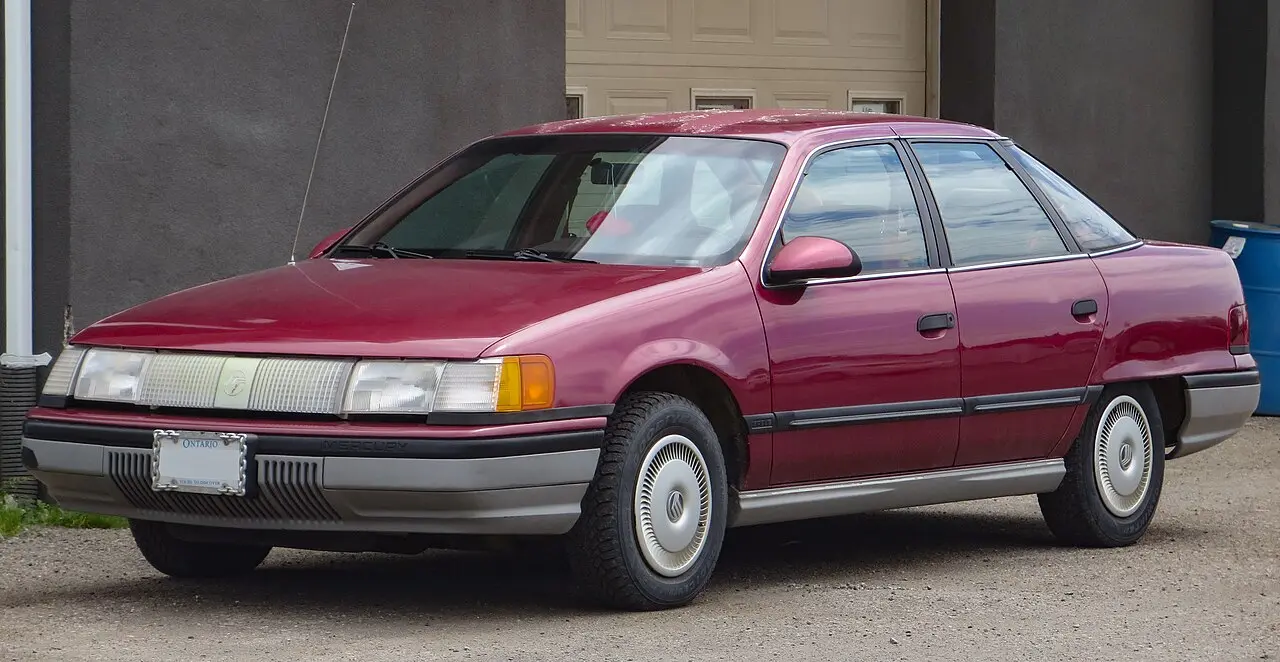
Sable first generation (1986–1991)

Mercury Sable first generation
Photo: Elise240SX / Wikimedia Commons · CC BY-SA 4.0

Model codes: DN5 · Sold in: United States and Canada · References: en.wikipedia.org, supermotors.net

Show all 13 versions

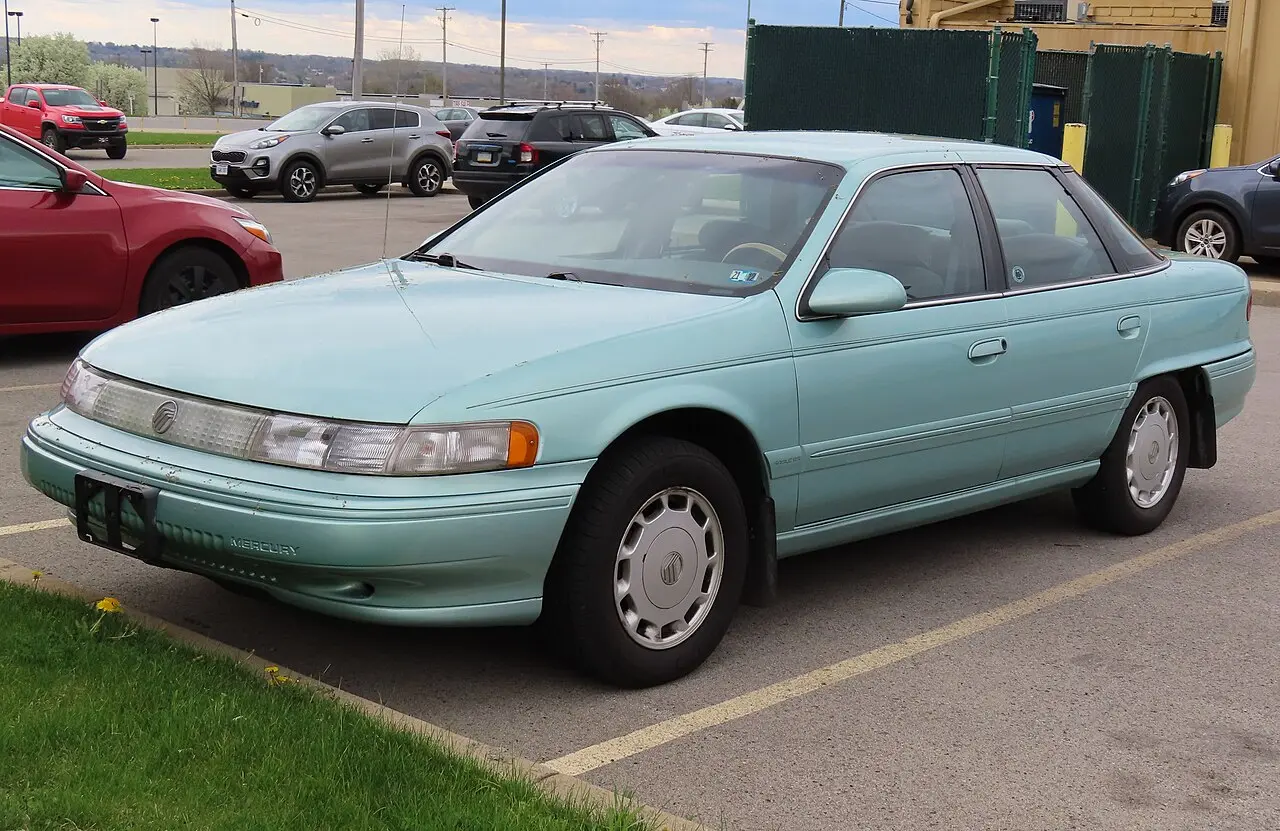
Sable second generation (1992–1995)

Mercury Sable second generation
Photo: MercurySable99 / Wikimedia Commons · CC BY-SA 4.0

Model codes: DN5 · Sold in: United States and Canada · References: en.wikipedia.org, supermotors.net

Show all 7 versions

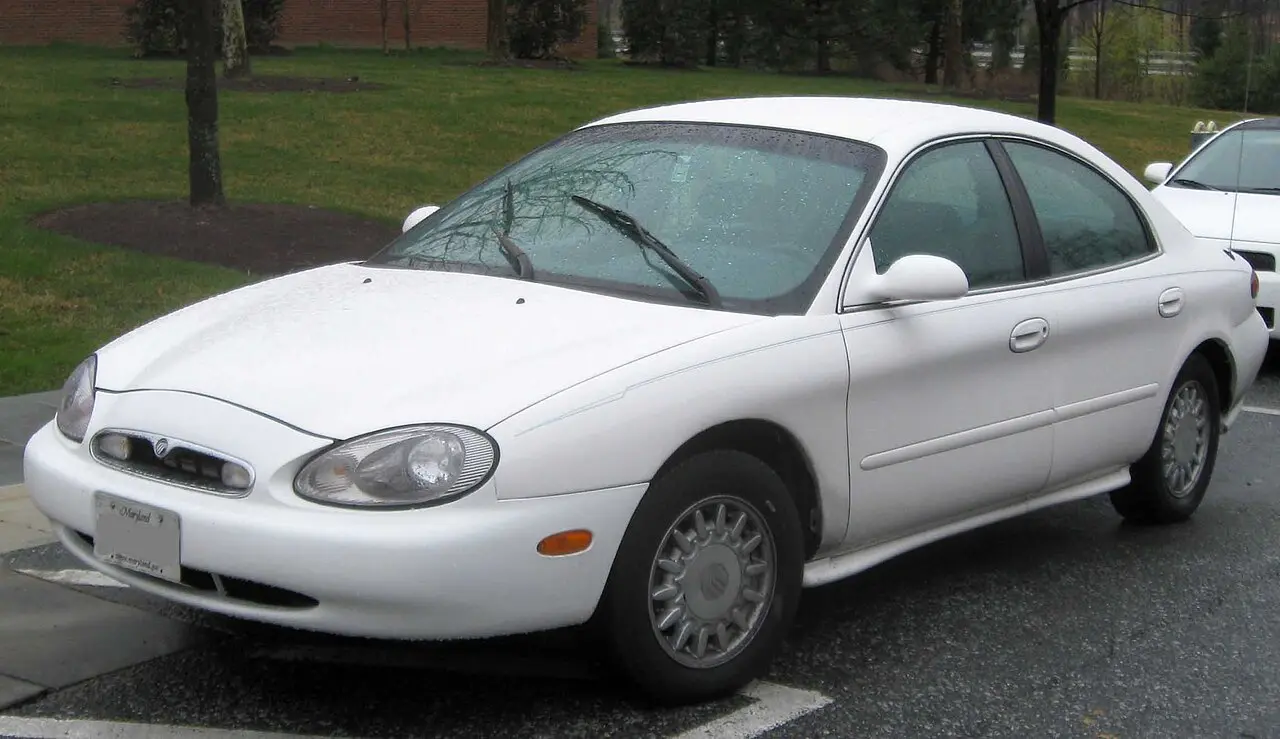
Sable third generation (1996–1999)

Mercury Sable third generation
Photo: IFCAR / Wikimedia Commons · Public domain

Model codes: DN101 · Sold in: United States and Canada · References: en.wikipedia.org, supermotors.net

Show all 21 versions

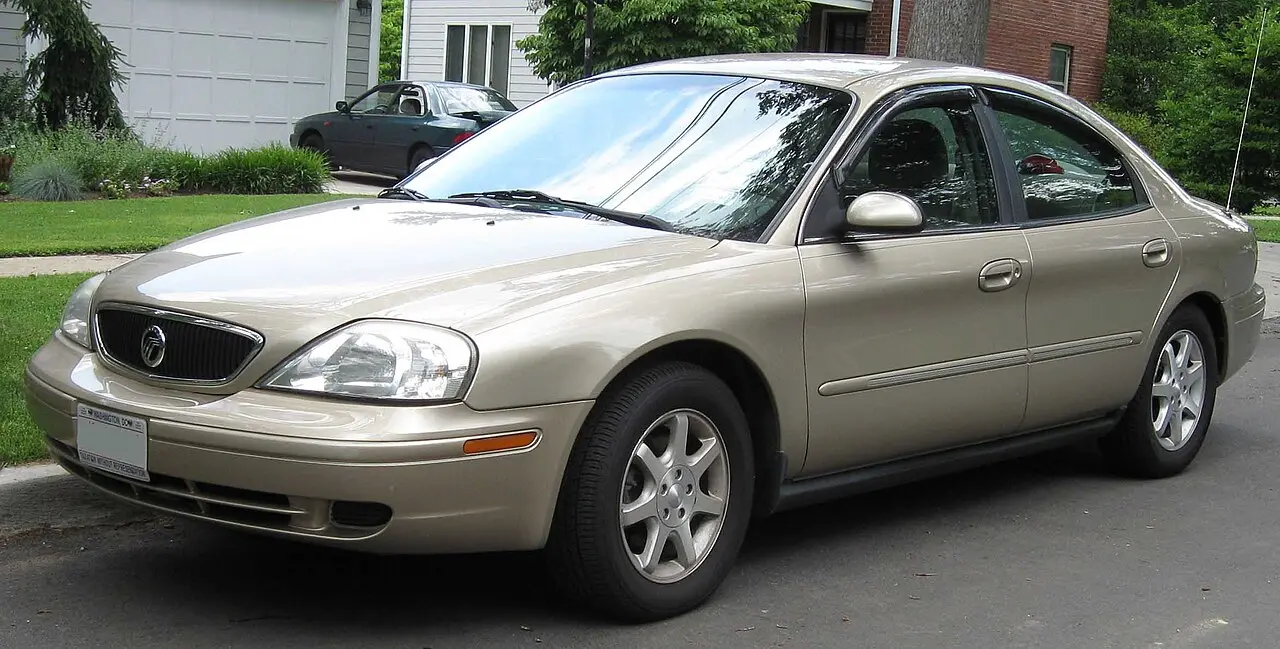
Sable fourth generation (2000–2005)

Mercury Sable fourth generation
Photo: IFCAR / Wikimedia Commons · Public domain

Model codes: D186 · Sold in: United States and Canada · References: en.wikipedia.org, supermotors.net

Show all 17 versions

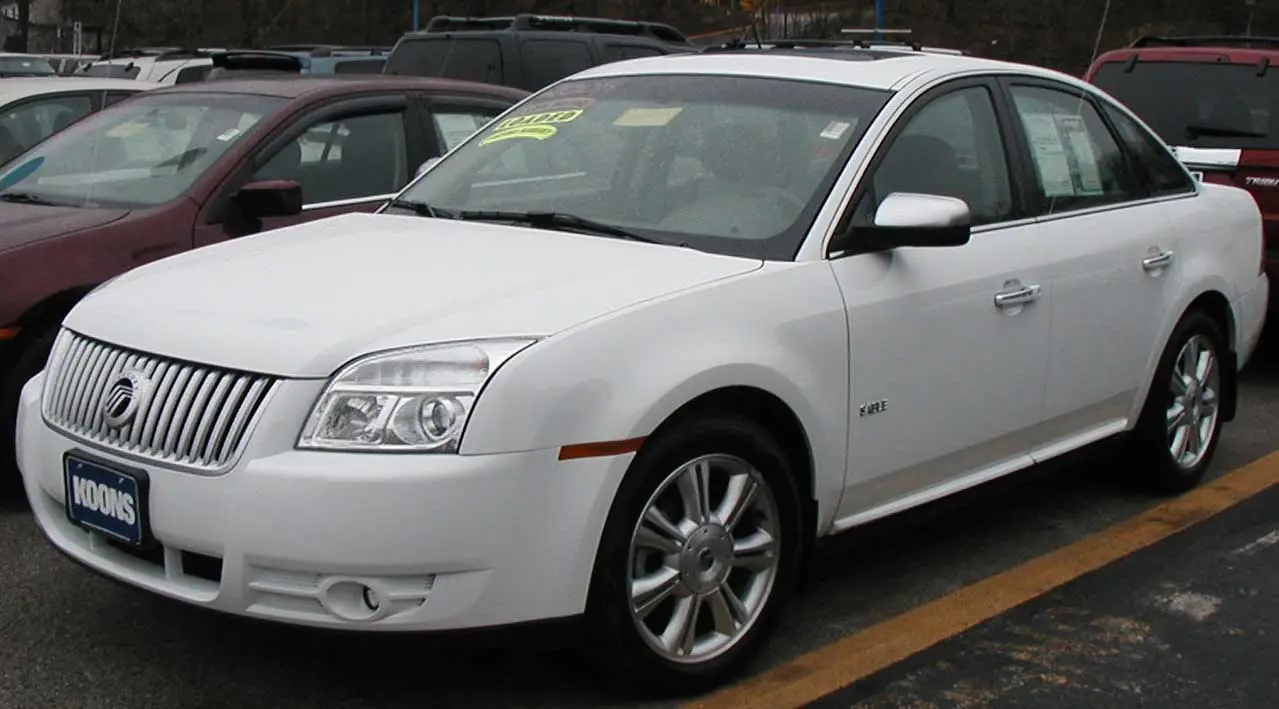
Sable fifth generation (2008–2009)

Mercury Sable fifth generation
Photo: IFCAR / Wikimedia Commons · Public domain

Model codes: D3 · Sold in: United States and Canada · References: en.wikipedia.org, supermotors.net

United States 3 versions

Model years sold in the USA, from the EPA and the Department of Energy (fueleconomy.gov). MPG on the EPA test; litres per 100 km = 235.215 ÷ MPG.

Years and versionEngineFuelGearboxDriveConsumption (combined)CO₂
2008–2009CLKUP3.5 LPetrol6-speed automaticFour- or all-wheel drive19 MPG (12.4 L/100 km) EPA291 g/km
2009CLKUP3.5 LPetrol6-speed automaticFront-wheel drive21 MPG (11.2 L/100 km) EPA263 g/km
2008CLKUP3.5 LPetrol6-speed automaticFront-wheel drive22 MPG (10.7 L/100 km) EPA251 g/km

Official figures are measured on standard test procedures and differ between markets. Your consumption depends on how, where and in what conditions you drive.