What kind of car was the Mercury Grand Marquis?
The Grand Marquis was Mercury’s full-size sedan, a large, traditional car in the brand’s range. Its United States EPA figures span 1984 to 2011. As a roomy four-door, it offered a distinctly larger-car feel within Mercury’s lineup. Mercury was Ford’s mid-priced brand, and the Grand Marquis carried that identity into the full-size class.
Generations and engines
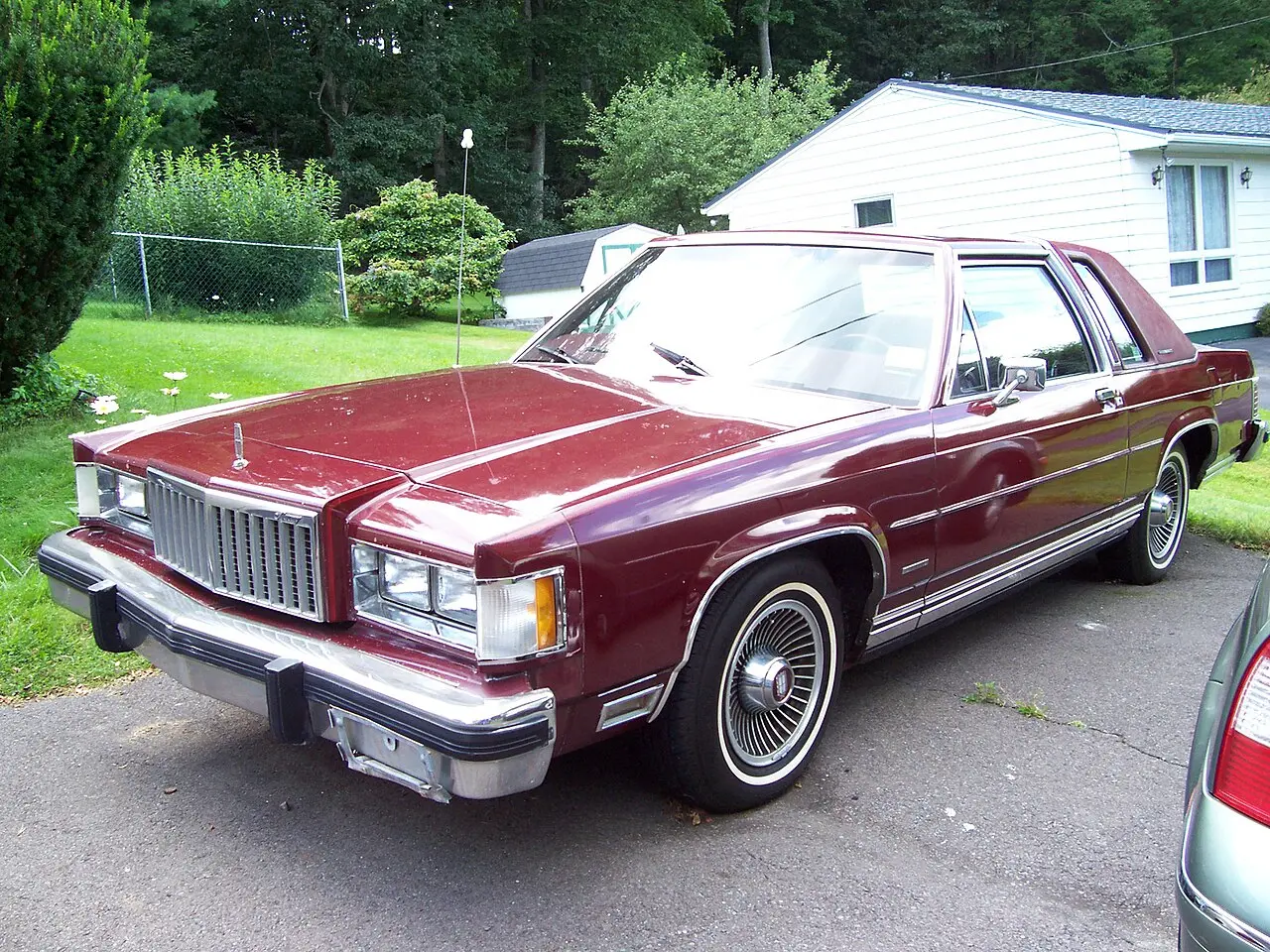
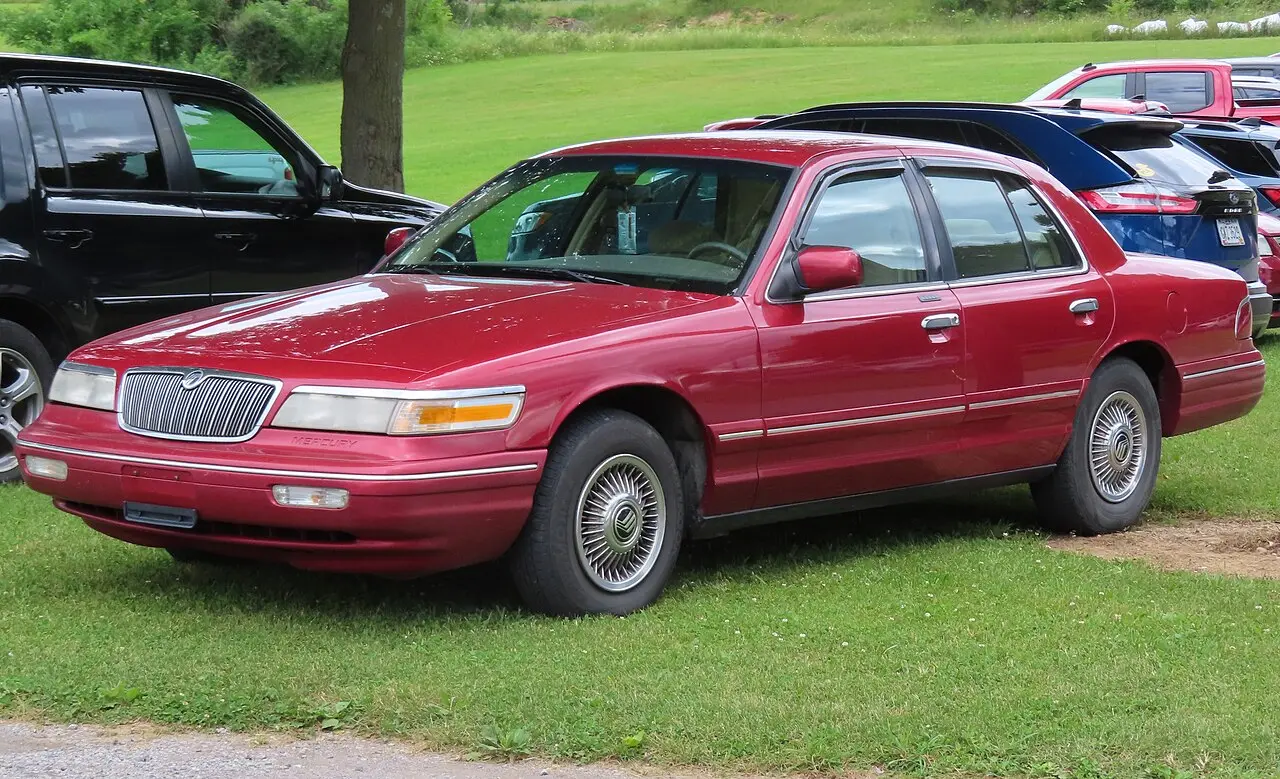
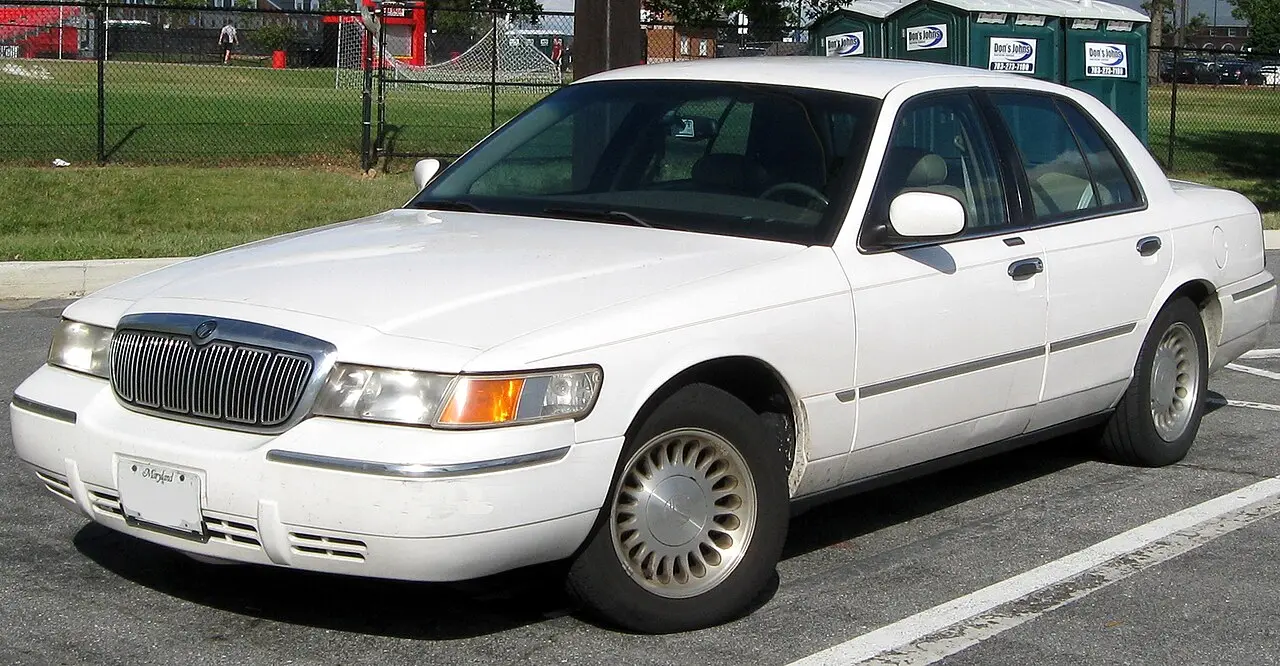
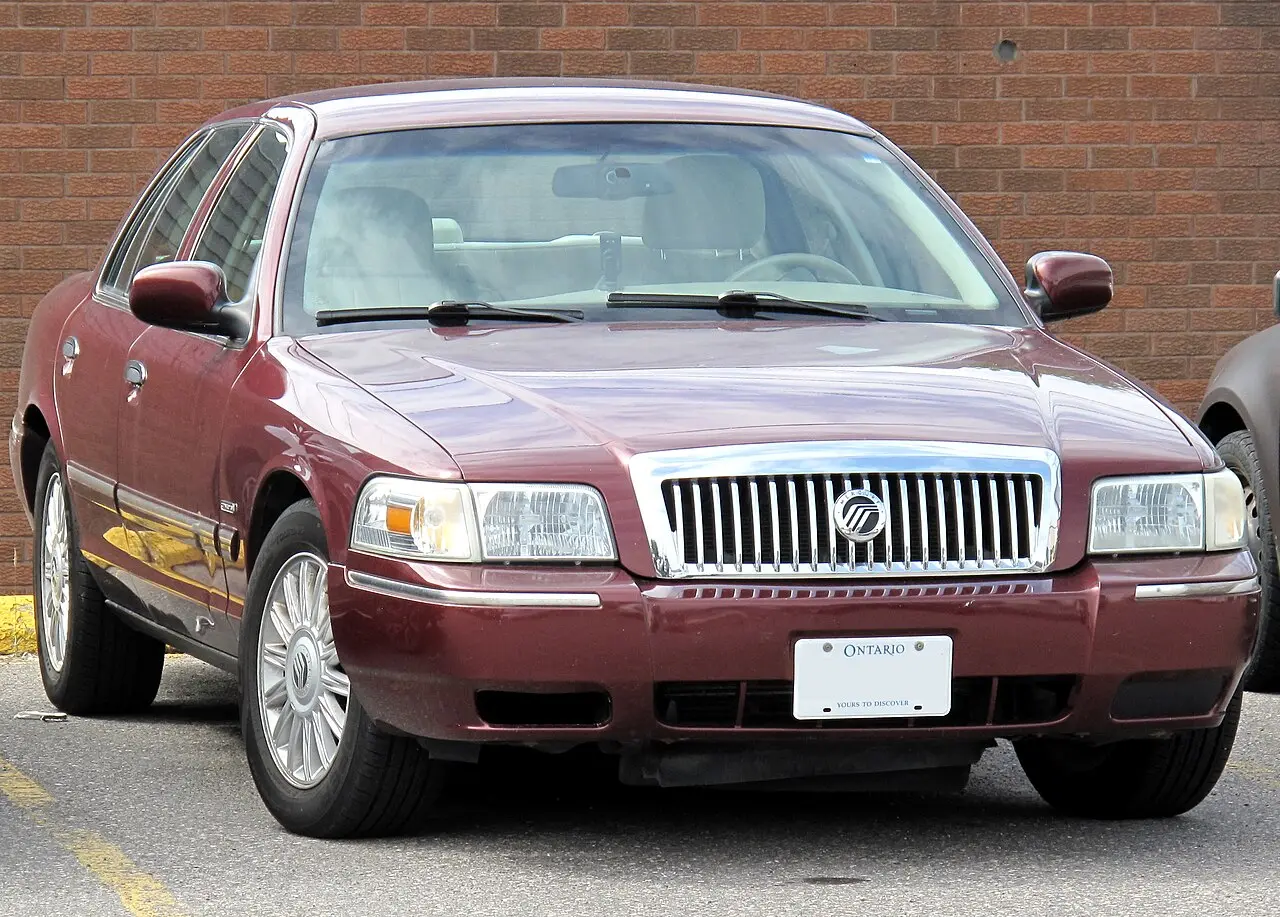
The Grand Marquis generations listed are the first, from 1984 to 1991; second, from 1992 to 1997; third, from 1998 to 2002; and fourth, from 2003 to 2011. All used Ford’s Panther platform. Across those generations, the model kept its place as Mercury’s full-size sedan.
United States versions used engines from 4.6 to 5.0 litres and ran on petrol or E85 flex fuel. The Canadian range listed from 1995 to 1999 used a 4.6-litre engine, with petrol and natural gas versions. The EPA figures cover 19 United States versions; the Canadian NRCan figures cover four.
How economical was the Grand Marquis?
The best combined United States EPA rating was 20 MPG, and the lowest listed consumption there was 11.8 L/100 km. Canada’s lowest listed figure was 12.8 L/100 km under NRCan’s 5-cycle procedure. Test procedures differ by market: the EPA is used in the United States, NRCan’s 5-cycle method in Canada, and WLTP or NEDC in Europe.
Where was the Grand Marquis sold?
The Grand Marquis was sold in the United States and Canada. Its Panther-platform generations made it part of Ford’s full-size-car lineage, with a distinct place in Mercury’s range as a large sedan.
Questions and answers
When did the Grand Marquis generations run?
The four listed generations ran from 1984 to 1991, 1992 to 1997, 1998 to 2002, and 2003 to 2011.
What engines and fuels did it use?
United States versions used 4.6- to 5.0-litre engines with petrol or E85 flex fuel. Canadian versions listed a 4.6-litre engine with petrol or natural gas.
What was the best combined EPA rating?
The best combined EPA rating was 20 MPG; the lowest listed United States EPA consumption was 11.8 L/100 km.
How did the Canadian figure compare?
Canada’s lowest listed consumption was 12.8 L/100 km under NRCan’s 5-cycle procedure, which differs from the United States EPA test.