What is the Mazda RX-7?
The RX-7 is a sports coupe known for its rotary engine, a defining part of Mazda’s identity. Mazda introduced the RX-7 as a sports car built around the compact rotary, and it became one of the best-known rotary-powered cars.
RX-7 generations
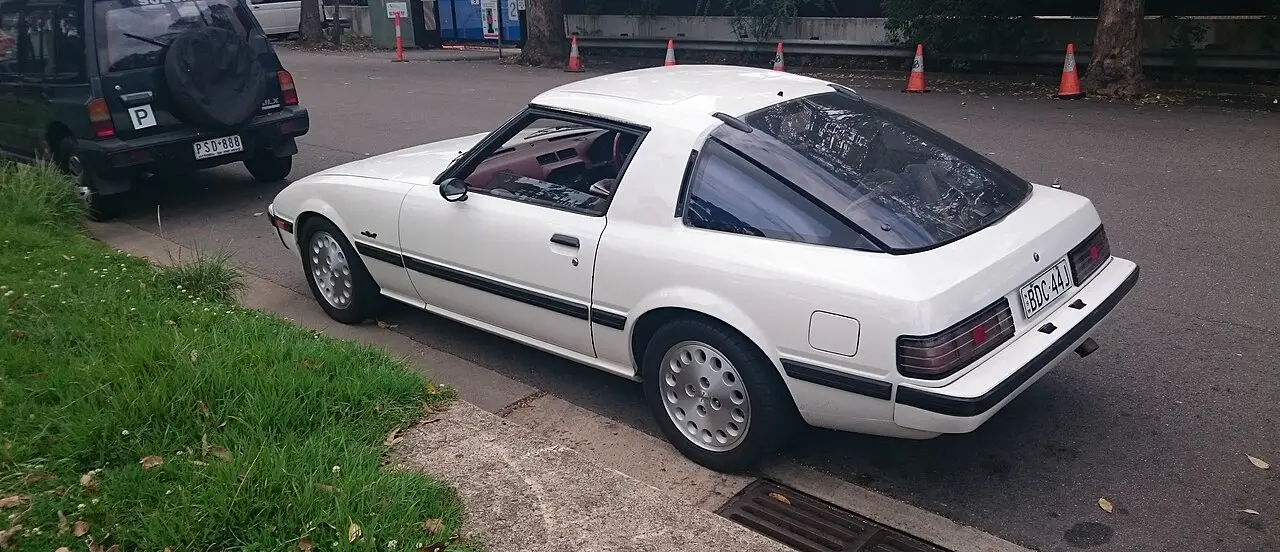
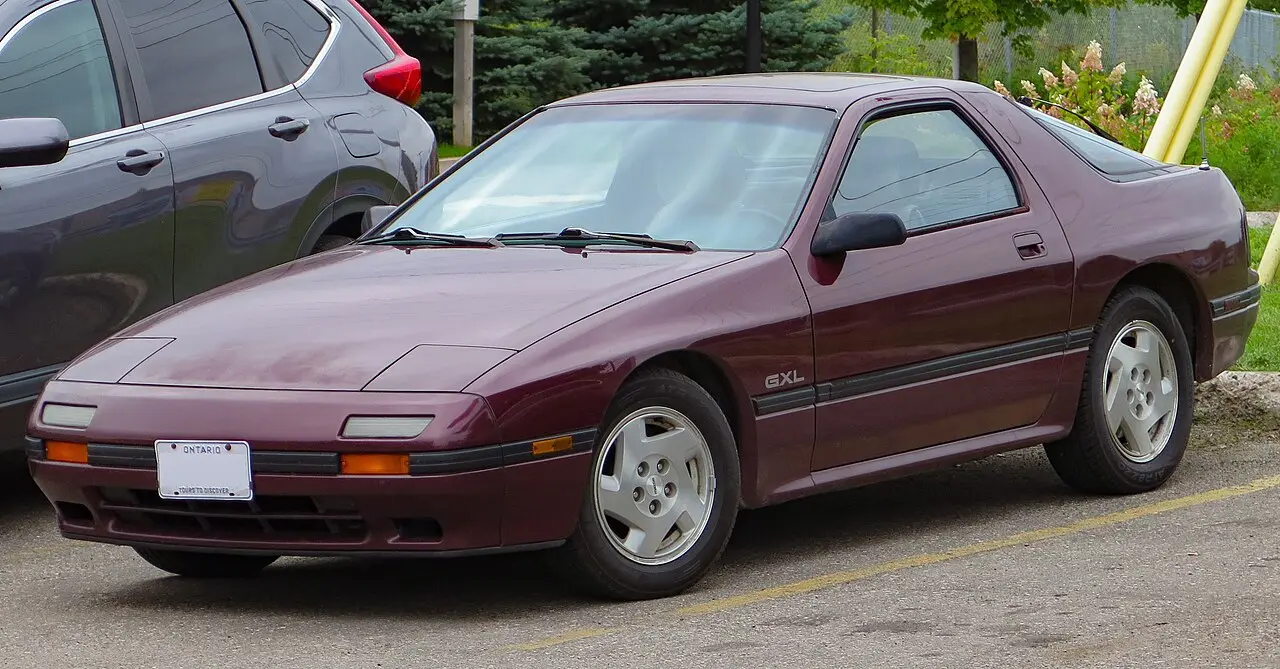
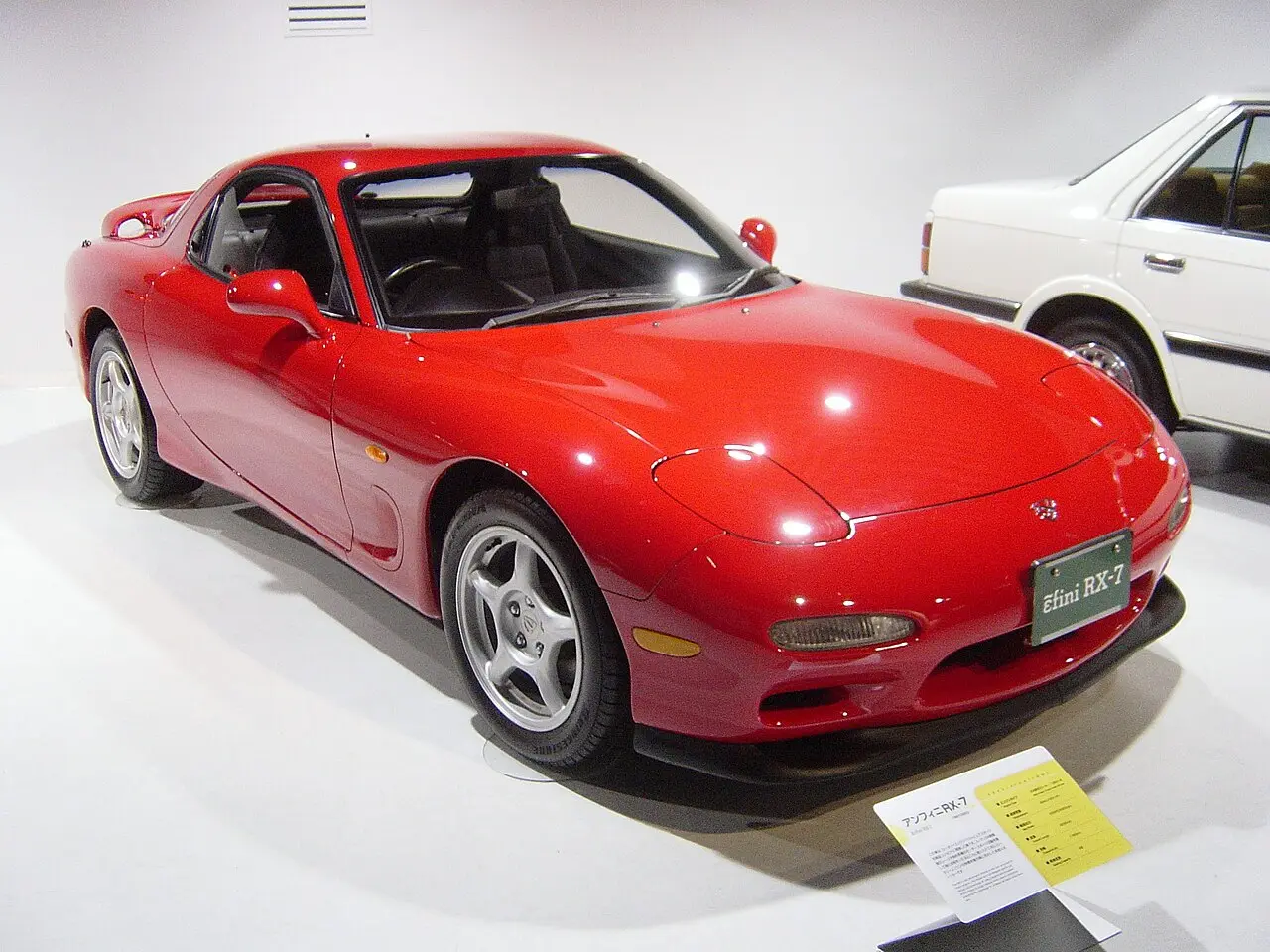
The RX-7’s generations represented in US figures are the FB (1984–1985), FC (1986–1992) and FD (1993–1995). Each brought a new design while keeping the rotary engine at the heart of the car. The FC added a turbocharged rotary option, while the FD was developed as a focused sports car.
Engines and power
The RX-7 used petrol rotary engines, with engine sizes from 1.1 L to 1.3 L in US figures. A rotary engine uses a rotating rotor rather than the pistons found in most car engines. Mazda’s commitment to the technology gave the RX-7 its distinctive character.
Fuel consumption and where it was sold
In the United States, EPA figures cover the RX-7 from 1984 to 1995. The best combined rating is 18 MPG, and the lowest listed consumption is 13.1 L/100 km. Canada’s NRCan figures cover 1995, with a lowest listed figure of 13.4 L/100 km on the 5-cycle test. EPA and NRCan use different procedures, so each rating is best understood in its own market.
Questions and answers
Was the RX-7 a rotary sports car?
Yes. Mazda built the RX-7 around its petrol rotary engine.
Which RX-7 generations appear in the US figures?
The FB (1984–1985), FC (1986–1992) and FD (1993–1995).
What is the best combined US fuel economy figure?
The EPA rating is 18 MPG combined.
Was the RX-7 sold in Canada?
NRCan figures cover the RX-7 in 1995.