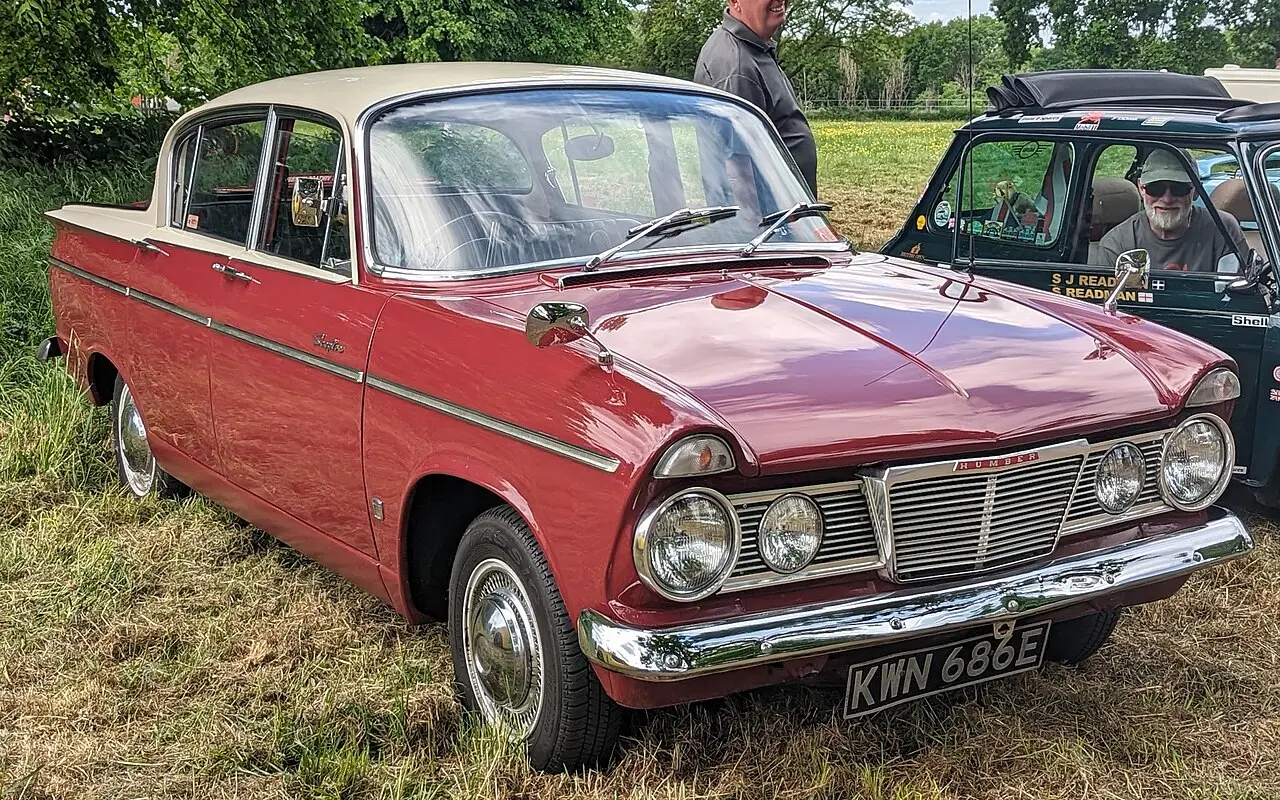
What is the Humber Sceptre?
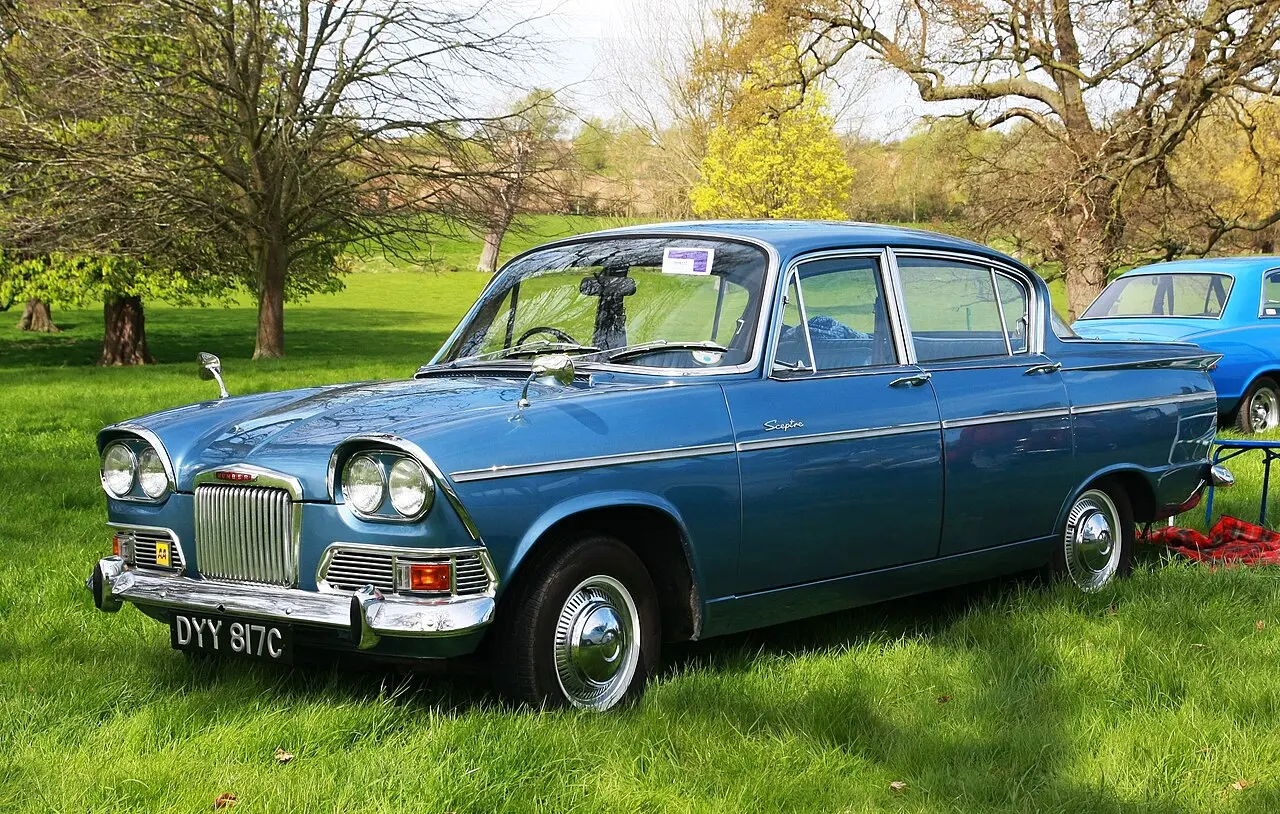
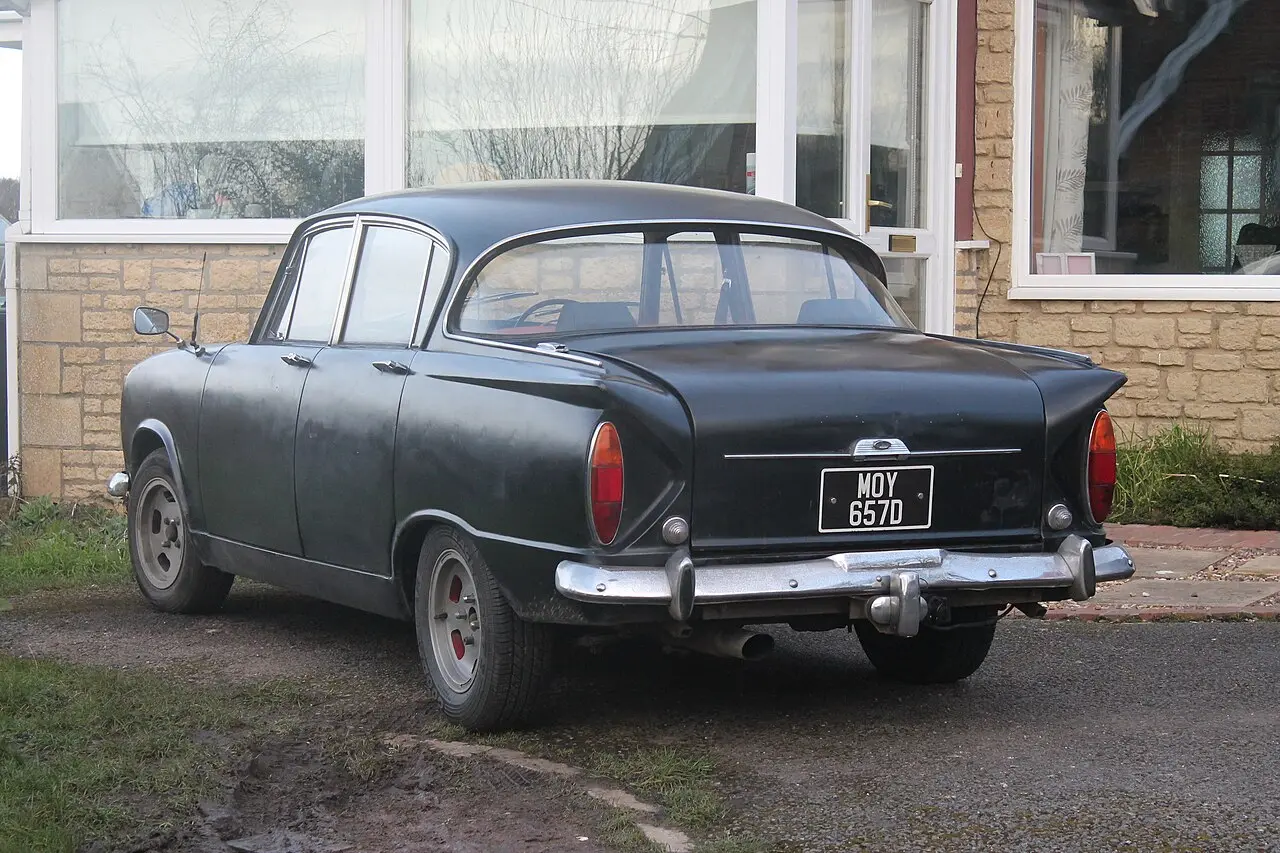
The Humber Sceptre was an upmarket family saloon from the final era of the Humber marque. It brought the brand’s traditional emphasis on comfort and trim to a smaller footprint than its large Hawk and Super Snipe saloons. The Sceptre’s early styling was distinctive, with a dramatic wraparound glasshouse and a more sporting appearance than the formal Humber image might suggest. A more conventional estate body joined the range later in its life.
Humber was part of the Rootes Group, which used related engineering across several brands while giving each marque its own place in the range. The Sceptre began as a design intended for the Sunbeam line, but was launched under the Humber name as a compact luxury car. Later versions moved onto the Rootes Arrow platform, the family-car architecture also used by the Hillman Hunter.
Generations and engines
The Sceptre is commonly divided into three marks. The first two were based on the Super Minx family, while the final mark adopted the Arrow platform. Across its life, it used overhead-valve four-cylinder petrol engines, with the later model continuing the larger engine introduced during the Mk II era. The styling and underpinnings changed between marks; the later car had a more restrained body and retained the Sceptre’s better-appointed character within the Rootes family.
Specific engine capacities and power outputs are not identified here, so they cannot be stated as official figures. Nor are official fuel-consumption or CO₂ results identified for the Sceptre.
Where was it sold?
The Sceptre was a British Humber model, with production and sales also reaching overseas markets. The available market information does not name individual countries or provide registration totals. It also does not identify a market-specific test result. Fuel-economy figures, when available, should be compared with care: European WLTP and NEDC procedures differ from the EPA test in the United States and the five-cycle procedure used in Canada.
The Sceptre’s appeal lay in its role as a well-trimmed, smaller Humber: a family car with saloon practicality, a more individual interior and, in its later years, an estate option. It was the last model to carry the Humber name, closing the marque’s passenger-car story.
Questions and answers
How many Sceptre marks were there?
The Sceptre is generally divided into three marks.
Did the Humber Sceptre come as an estate?
Yes. An estate version joined the range later in the model’s life.
What engine and power figures are listed for the Sceptre?
No specific engine capacities or power outputs are identified here.
Are official CO₂ figures available here?
No official CO₂ or fuel-consumption figures are identified here.