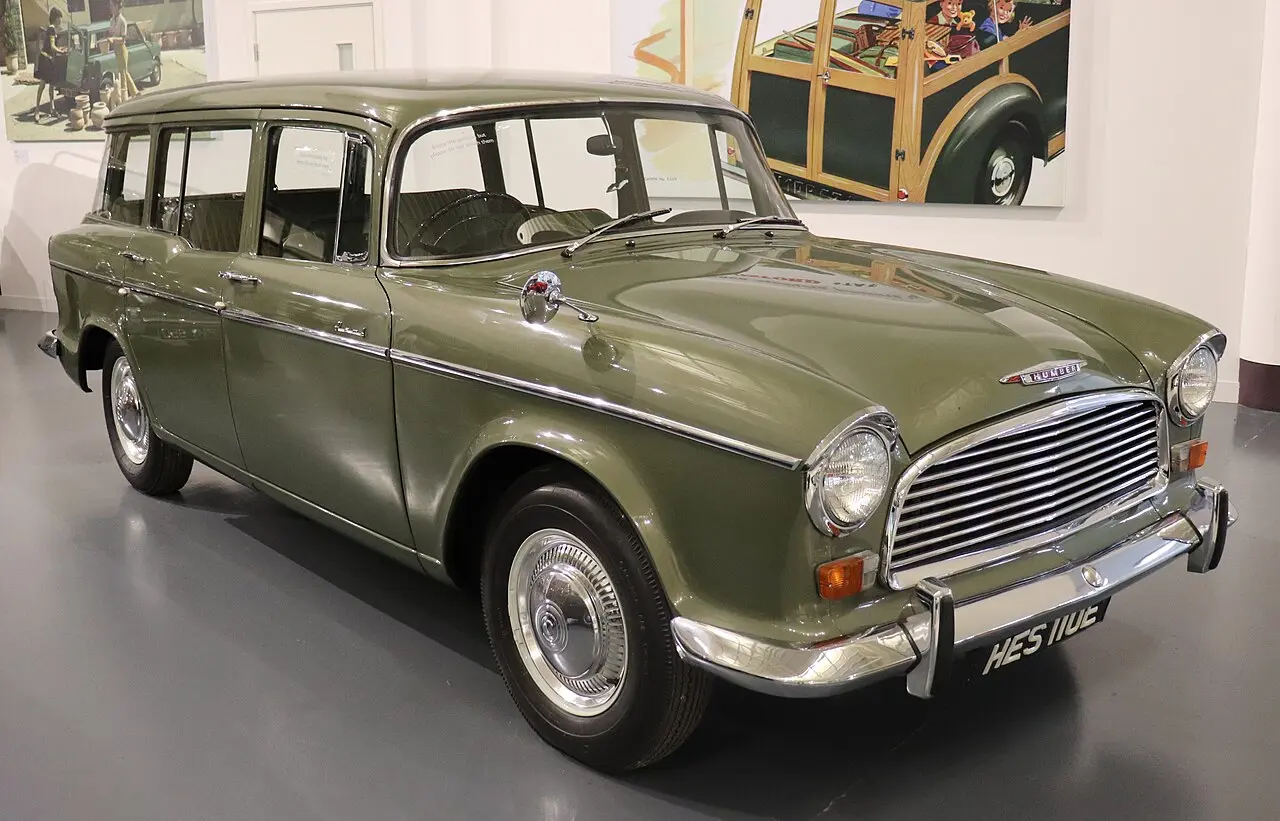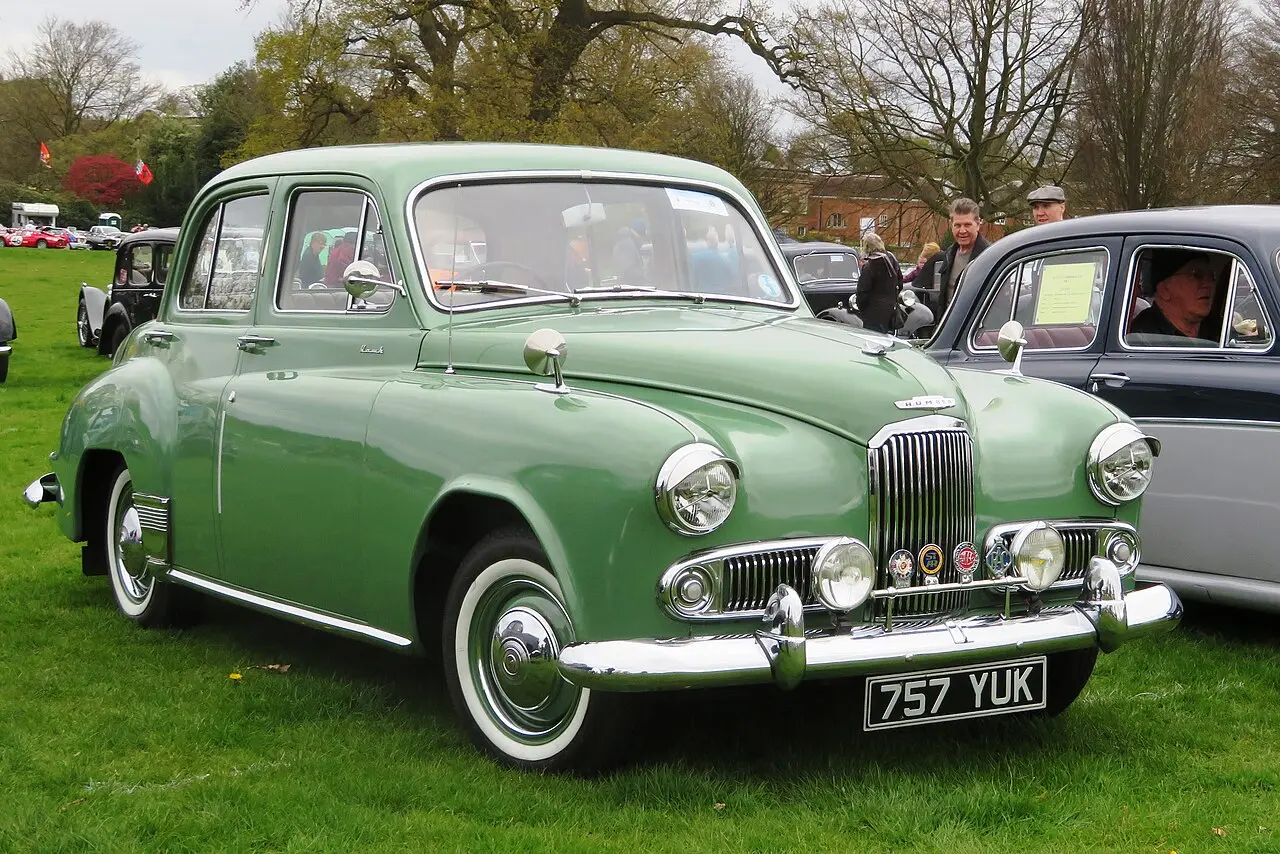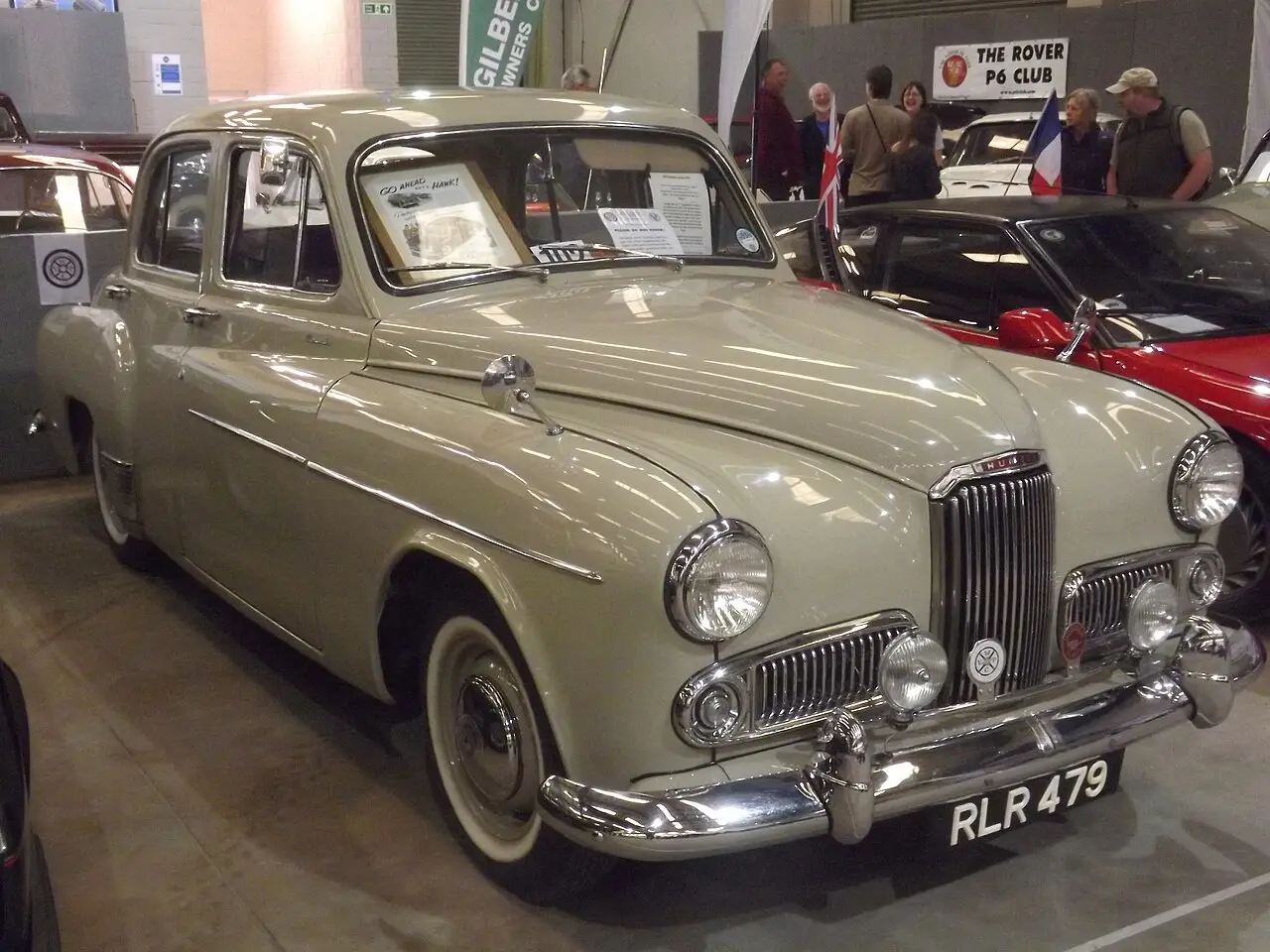
What is the Humber Hawk?
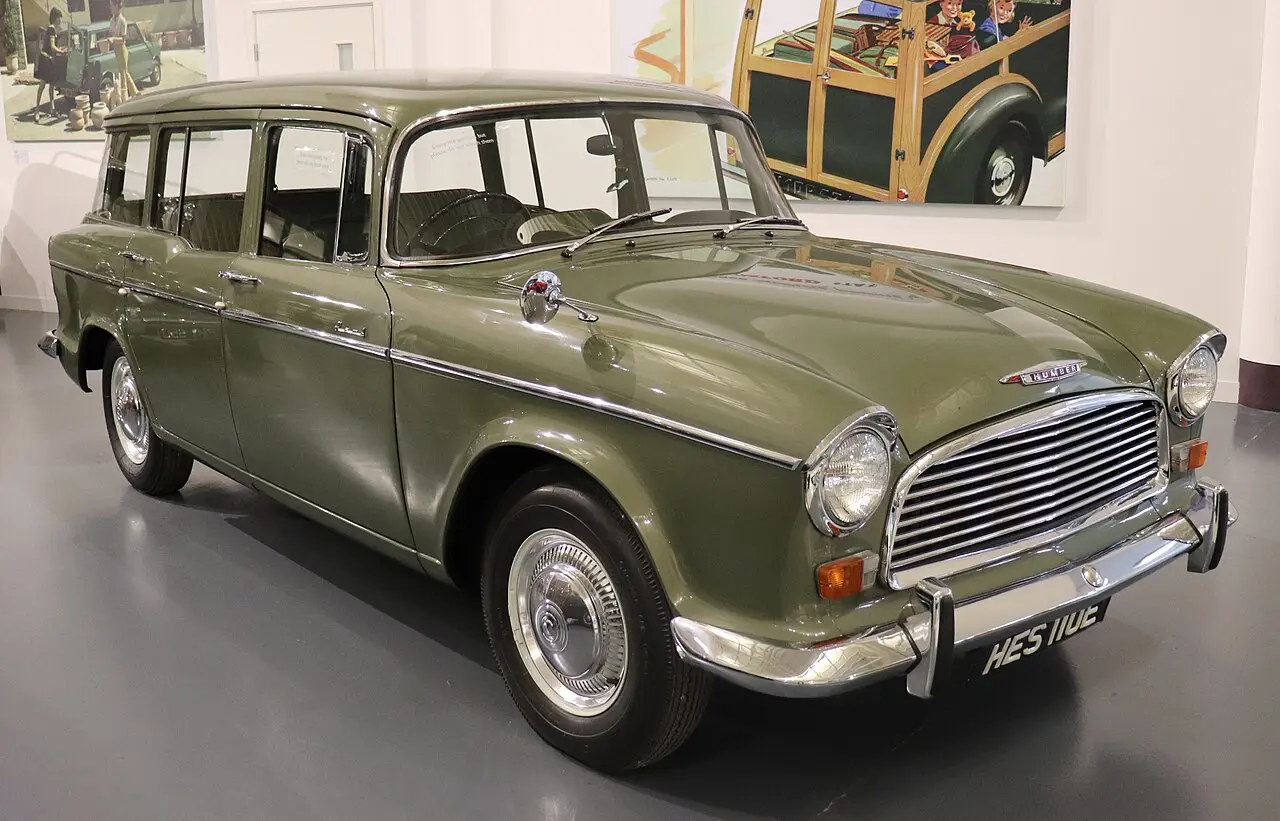
The Humber Hawk was a large British family saloon from a marque associated with comfortable, well-appointed cars. It sat below Humber’s more imposing Super Snipe in the post-war range, offering a four-cylinder alternative for drivers who wanted a roomy, formal car without moving up to the larger model. Its upright shape and generous cabin suited family motoring as well as the chauffeur-driven and professional use associated with the Humber name.
Humber became part of the Rootes Group, whose brands covered a broad span of the British car market. The Hawk carried Humber’s more traditional character: a substantial saloon with an emphasis on passenger comfort and a measured, unhurried feel. Its name continued across several redesigns, including a later post-war version with more rounded, contemporary styling.
Generations and engines
The Hawk’s model history is usually described in two broad eras: the post-war cars introduced in the mid-century period, and the redesigned series that followed later in that decade. The later Hawk shared its basic body structure with the contemporary Super Snipe, but used a four-cylinder engine where the larger Humber had a six-cylinder unit. The Hawk continued to evolve through successive series before leaving the range as Humber’s large-car lineup changed.
The available figures here do not identify individual versions, engine capacities, power outputs, fuel consumption or CO₂ emissions. No official test-cycle result can therefore be stated for the Hawk.
Where was it sold?
The Hawk belonged to Humber’s British model range and was also assembled in markets beyond Britain. The figures here do not identify specific sales markets or provide market-by-market registrations or official fuel-economy ratings. Where official consumption figures are available in other markets, they need to be read in the context of the test used: European WLTP or NEDC procedures, the EPA cycle in the United States, and the five-cycle test in Canada.
As a used classic, the Hawk is best understood as a spacious, traditional saloon from the period when Humber served buyers seeking a more formal alternative to the Rootes Group’s mainstream family cars. Its place in the range, rather than a single engine or specification, is the clearest guide to what the name represented.
Questions and answers
Was the Humber Hawk a saloon?
Yes. It was a large, four-cylinder Humber saloon.
How did the Hawk differ from the Super Snipe?
The Hawk used a four-cylinder engine; the larger Super Snipe used a six-cylinder engine.
What are the Hawk’s official fuel-consumption and CO₂ figures?
No official consumption or CO₂ figures are identified here.