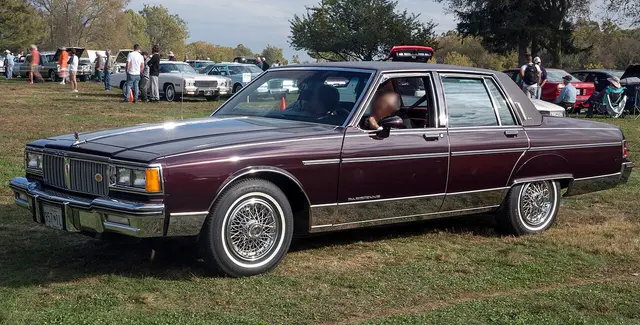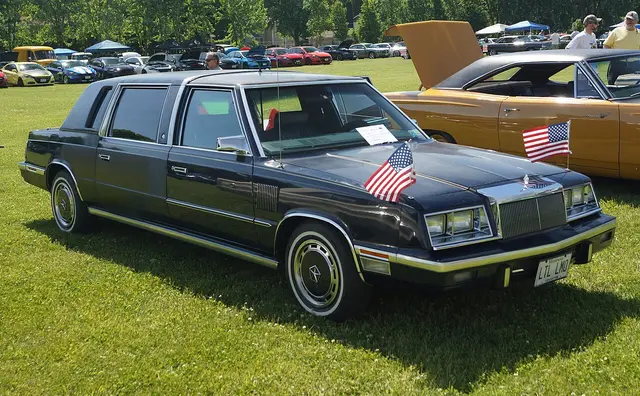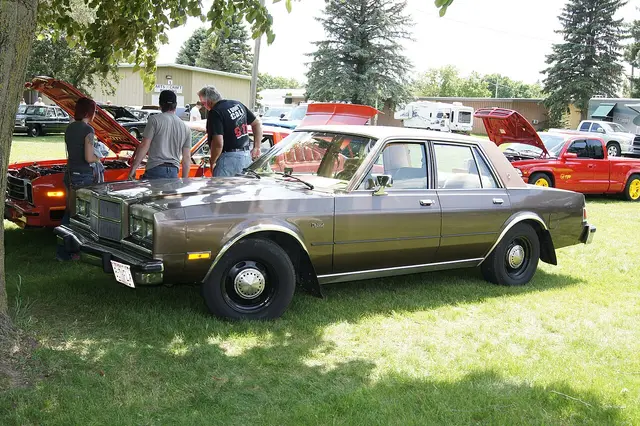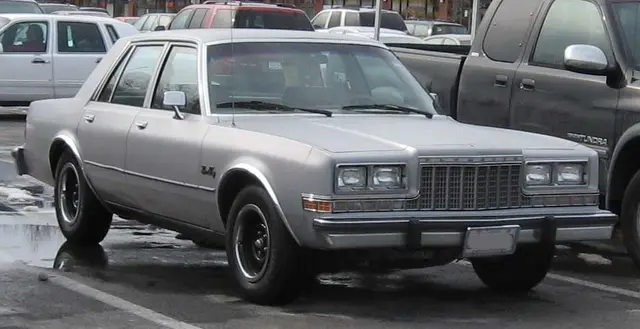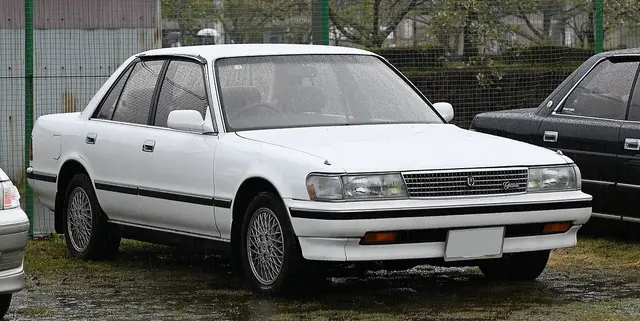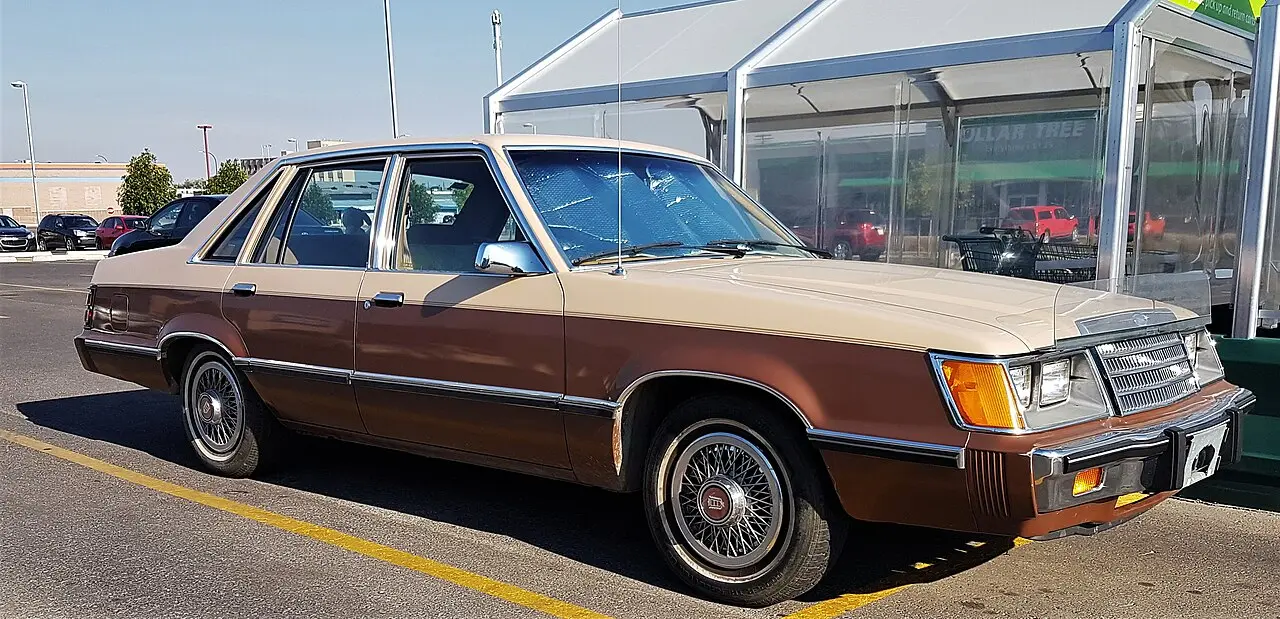
Ford LTD

Ford LTD
Photo: Matthias v.d. Elbe / Wikimedia Commons · CC BY-SA 4.0

The official data lists 13 versions of the Ford LTD (1984 - 1986), in the United States. Each market publishes its own figures, measured on its own test procedure.

At a glance

Years in the data
1984 - 1986
Markets
United States
Engines
2.3 L to 5.0 L
Fuels
Petrol
Lowest consumption (United States)
11.8 L/100 km (EPA)

What is the Ford LTD?

The Ford LTD IV was a midsize North American car offered as a sedan and station wagon. For 1983, the LTD name moved to a Fox-platform car, taking the place of the Granada in Ford’s range. The full-size LTD Crown Victoria became a separate model line.

This LTD generation ran from 1983 to 1986. Its sedan and wagon body styles gave it a conventional, spacious role in Ford’s range, while the Fox platform connected it to several other Ford models.

Engines and power

US EPA listings cover petrol engines from 2.3 L to 5.0 L. They include 13 versions for the 1984 to 1986 model years.

How economical is the Ford LTD?

US EPA figures cover model years 1984 to 1986. The best combined rating is 20 MPG, and the lowest listed consumption is 11.8 L/100 km. EPA test results use a different procedure from European WLTP or NEDC figures and Canada’s 5-cycle test, so the numbers are not directly equivalent.

The EPA listings include petrol versions with engines from 2.3 L to 5.0 L. The generation ran from 1983 to 1986.

Where was the Ford LTD sold?

The Fox-platform LTD was sold in the United States. It was part of Ford’s North American range and came as a sedan or station wagon.

Questions and answers

When was the Fox-platform Ford LTD sold?

The LTD IV generation ran from 1983 to 1986.

What engine sizes appear in the US EPA listings?

The listed petrol engines range from 2.3 L to 5.0 L.

What is the Ford LTD’s best combined fuel economy?

The best combined US EPA rating is 20 MPG.
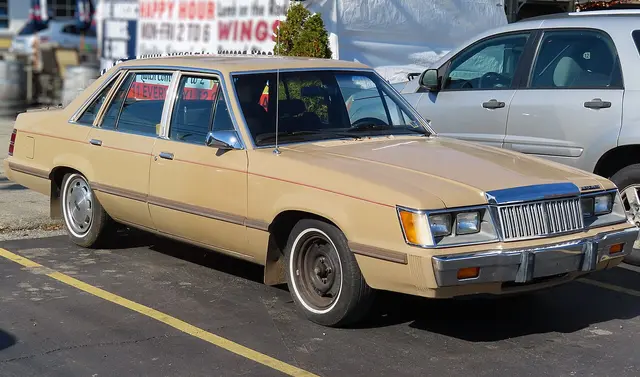
LTD IV (1983 - 1986)

Ford LTD IV
Photo: Matthias v.d. Elbe / Wikimedia Commons · CC BY-SA 4.0

Model codes: Fox · Sold in: United States · References: en.wikipedia.org

At a glance: Length 4,991 mm · Kerb weight 1,361 - 1,881 kg Specifications, reliability and all versions

Show all 13 versions

United States 13 versions

Model years sold in the USA, from the EPA and the Department of Energy (fueleconomy.gov). MPG on the EPA test; litres per 100 km = 235.215 ÷ MPG.

Years and versionEngineFuelGearboxDriveConsumption (combined)CO₂
1985 - 1986(FFS)2.3 LPetrol3-speed automaticRear-wheel drive20 MPG (11.8 L/100 km) EPA276 g/km
1985 - 1986(FFS)3.8 LPetrol3-speed automaticRear-wheel drive18 MPG (13.1 L/100 km) EPA307 g/km
1985(FFS) CA model2.3 LPetrol3-speed automaticRear-wheel drive20 MPG (11.8 L/100 km) EPA276 g/km
1985(FFS) CA model3.8 LPetrol3-speed automaticRear-wheel drive18 MPG (13.1 L/100 km) EPA307 g/km
1985(FFS)5.0 LPetrol4-speed automaticRear-wheel drive17 MPG (13.8 L/100 km) EPA325 g/km
1984(FFS)2.3 LPetrol3-speed automatic - 20 MPG (11.8 L/100 km) EPA276 g/km
1984(FFS) CA model2.3 LPetrol3-speed automatic - 19 MPG (12.4 L/100 km) EPA291 g/km
1984(FFS)3.8 LPetrol3-speed automatic - 17 MPG (13.8 L/100 km) EPA325 g/km
1984(FFS)3.8 LPetrol4-speed automatic - 19 MPG (12.4 L/100 km) EPA291 g/km
1984(FFS) CA model3.8 LPetrol3-speed automatic - 18 MPG (13.1 L/100 km) EPA307 g/km
1984(FFS) CA model3.8 LPetrol4-speed automatic - 19 MPG (12.4 L/100 km) EPA291 g/km
1984(FFS)5.0 LPetrol4-speed automatic - 17 MPG (13.8 L/100 km) EPA325 g/km
1984(FFS) CA model5.0 LPetrol4-speed automatic - 16 MPG (14.7 L/100 km) EPA345 g/km

Ford LTD recalls

5 official safety recalls for the Ford LTD from NHTSA (United States), DVSA (United Kingdom) and the EU Safety Gate, newest first. Recall repairs are normally free at the maker’s dealers.

  • Catalytic converter heat shields may be missing1984 - 1985
  • Brake booster shell may crack1985
  • Shoulder belt anchor bolts may be inadequately supported1984
  • Transmission may not engage park1983
  • Shift indicator may not match selector position1983

See all 5 recalls

Official figures are measured on standard test procedures and differ between markets. Your consumption depends on how, where and in what conditions you drive.