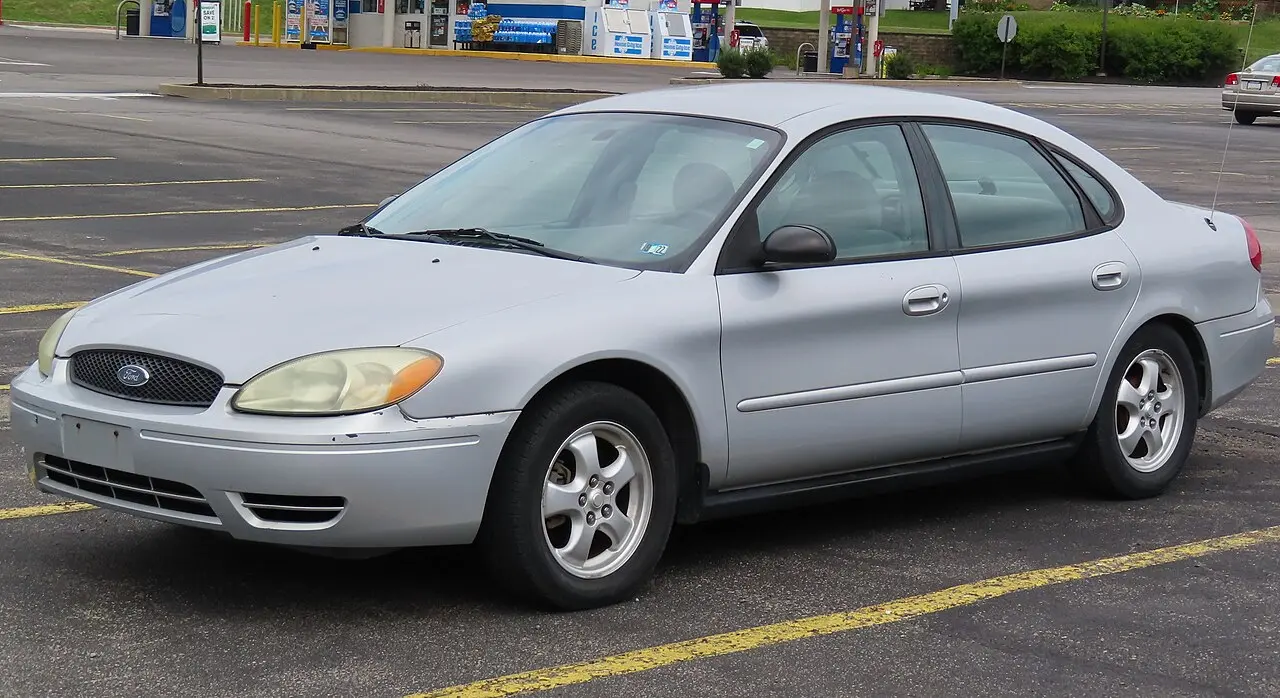
The official data lists 183 versions of the Ford Taurus (1986–2019), in the United States and Canada. Each market publishes its own figures, measured on its own test procedure.
At a glance
Years in the data
1986–2019
Markets
United States, Canada
Engines
2.0 L to 3.8 L
Fuels
Petrol, Flex fuel (E85)
Lowest consumption (United States)
9.0 L/100 km (EPA)
Lowest consumption (Canada)
9.1 L/100 km (5-cycle)
What is the Ford Taurus?
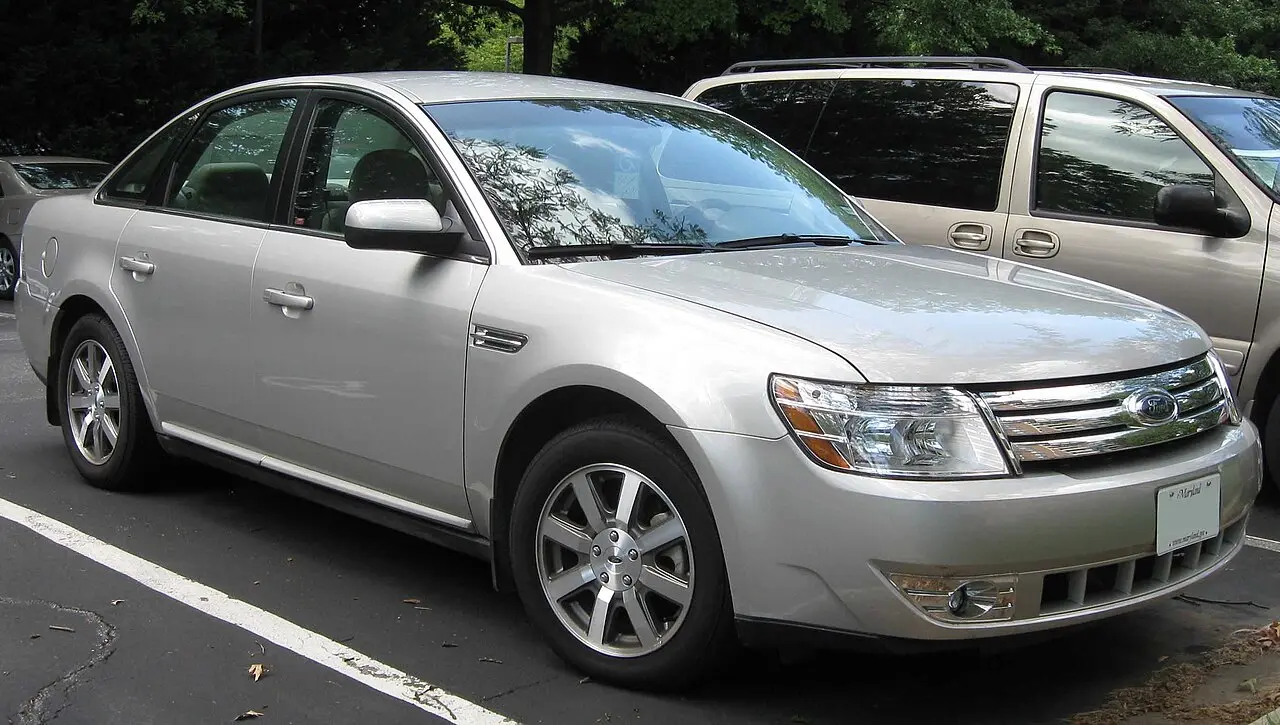
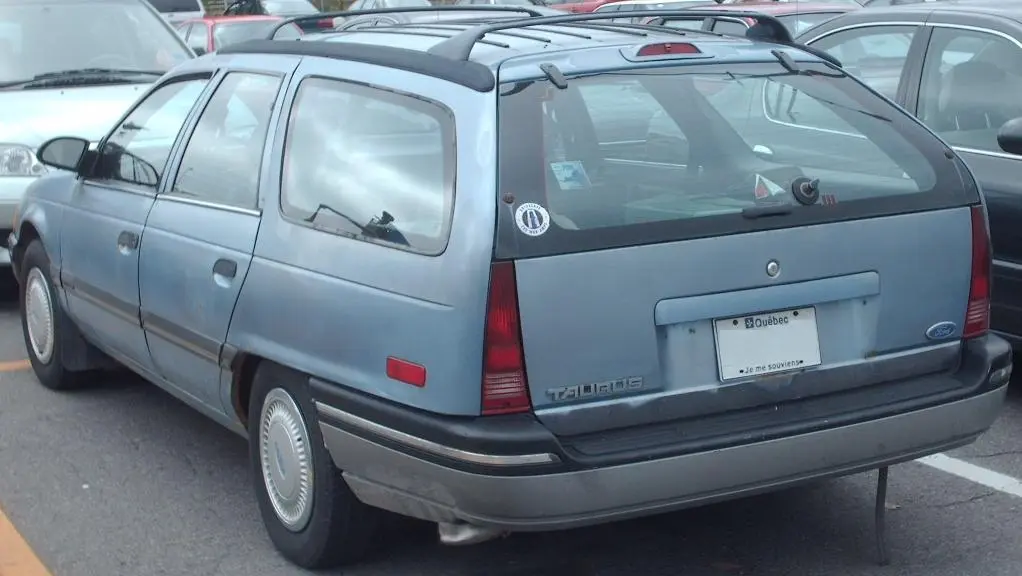
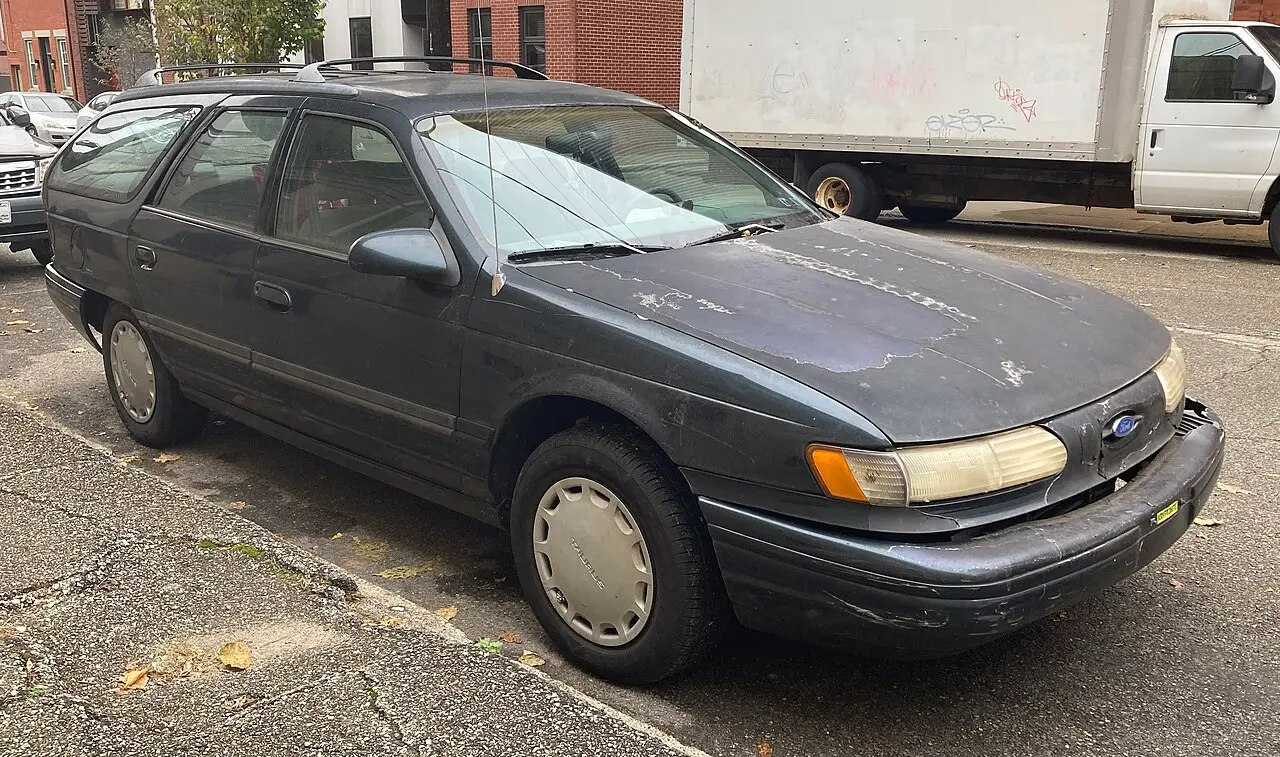
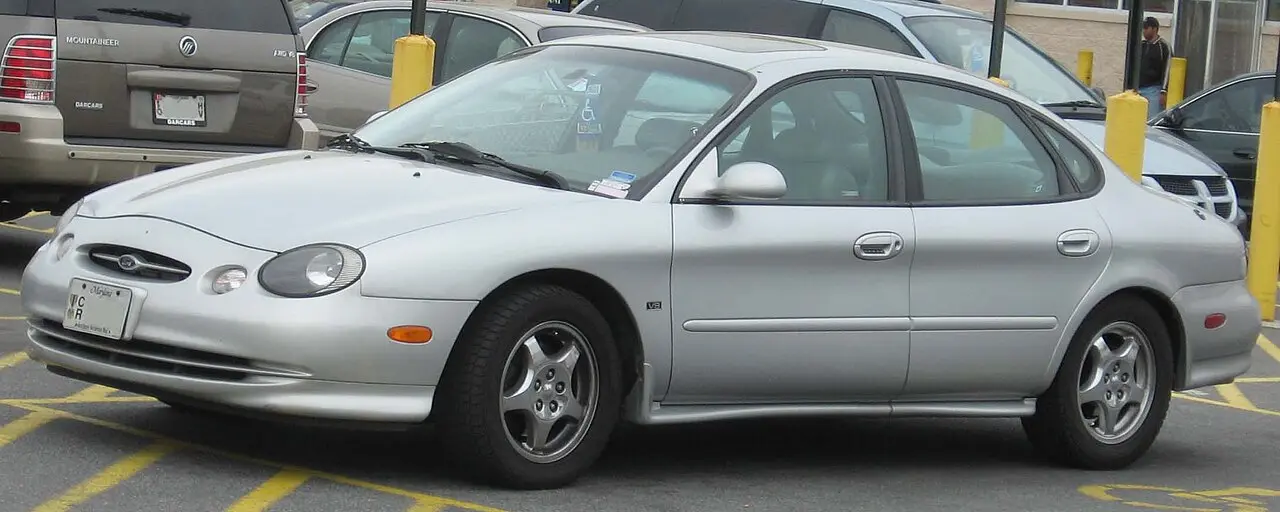
The Taurus is a Ford passenger car best known as a family-sized sedan. Its four-door format and everyday road-going character made it a familiar part of Ford’s North American range. In its later generation, the model also reached Europe.
Ford Taurus generations
The first generation ran from 1986 to 1991, followed by the second from 1992 to 1995. The third covered 1996 to 1999, and the fourth 2000 to 2007. The fifth generation ran from 2008 to 2009, before the sixth took the model from 2010 to 2019. The later generations reached Canada, and the sixth generation was also sold in Europe.
Engines and fuel economy
Across the United States and Canada, listed Taurus engines range from 2.0 L to 3.8 L. The model was offered with petrol and flex-fuel E85 power in both markets. The lowest stated consumption is 9 L/100 km under the United States EPA procedure and 9.1 L/100 km on Canada’s NRCan 5-cycle test. Those procedures differ, so the figures are best read in their own market context.
Where was the Ford Taurus sold?
The listed United States range runs from 1986 to 2019, while Canada’s runs from 1995 to 2019. The first generation was sold in the United States; later generations reached Canada, and the sixth generation was also sold in Europe.
Questions and answers
When was the first Ford Taurus generation sold?
The first generation ran from 1986 to 1991.
Which fuels were available for the Taurus?
The United States and Canadian ranges include petrol and flex-fuel E85 versions.
What is the lowest stated Taurus fuel-consumption figure?
The United States figure is 9 L/100 km under EPA testing; Canada’s is 9.1 L/100 km on NRCan’s 5-cycle test.
Official figures are measured on standard test procedures and differ between markets. Your consumption depends on how, where and in what conditions you drive.