Ford

Ford Explorer

Ford Explorer
Photo: Kevauto / Wikimedia Commons · CC BY-SA 4.0

The official data lists 285 versions of the Ford Explorer (1991–2027), in the European Union, the United Kingdom, France, the United States, and Canada. Each market publishes its own figures, measured on its own test procedure.

At a glance

Years in the data
1991–2027
Markets
European Union, United Kingdom, France, United States, Canada
Engines
2.0 L to 5.0 L
Power
70 kW (95 PS) to 267 kW (363 PS)
Fuels
Plug-in hybrid, Electric, Petrol, Hybrid, Flex fuel (E85)
Lowest consumption (European Union)
2.9 L/100 km (WLTP)
Lowest consumption (United States)
8.4 L/100 km (EPA)
Lowest consumption (Canada)
9.6 L/100 km (5-cycle)
Plug-in hybrid, weighted (European Union)
3.1 L/100 km (WLTP)
New registrations in the EU
64,566

What is the Ford Explorer?

The Explorer is a large Ford SUV designed to carry passengers and their belongings. It began as a North American SUV, with the first generation appearing in US and Canadian figures from 1991. In Europe, the Explorer name is also used for an electric model, a distinct vehicle from the earlier SUV.

Explorer generations

The generations are I (1991–1994), II (1995–2001), III (2002–2005), IV (2006–2010), V (2011–2019) and VI (2020–today). The fifth generation moved from a traditional truck-based layout to a car-based crossover structure. Later versions continued that modern SUV approach, while powertrain choices expanded to include hybrids and, in Europe, a fully electric Explorer.

Engines and power

US figures include petrol, flex-fuel E85, hybrid and electric versions, with engines from 2.0 L to 5.0 L. Canadian figures list petrol and E85 engines from 2.3 L to 5.0 L. EU figures include electric, plug-in hybrid, petrol and hybrid versions. The listed plug-in hybrid has a 3.0 L engine and produces 267 kW (363 PS). EU electric versions include outputs of 210 kW (286 PS) and 250 kW (340 PS).

Fuel consumption and markets

The lowest listed US consumption is 8.4 L/100 km under EPA testing, with a best combined rating of 28 MPG. Canada’s lowest listed figure is 9.6 L/100 km on the NRCan 5-cycle test. The EU plug-in hybrid’s lowest weighted figure is 3.1 L/100 km on WLTP, an official figure that assumes some driving is electric. The EU also lists a 2.9 L/100 km WLTP low among petrol, diesel and hybrid versions. Test procedures differ: the EPA and Canadian 5-cycle tests are distinct from Europe’s WLTP and NEDC tests, so figures are best understood within their own markets.

Questions and answers

Is the Explorer available as an electric model?

Yes. EU figures list electric versions, including outputs of 210 kW (286 PS) and 250 kW (340 PS).

What is the Explorer’s lowest listed consumption?

The US low is 8.4 L/100 km on EPA testing; the Canadian low is 9.6 L/100 km on NRCan’s 5-cycle test. The EU plug-in hybrid’s weighted WLTP figure is 3.1 L/100 km.

When did the Explorer become a crossover?

The fifth generation, introduced for 2011, shifted to a car-based crossover structure.

Is the Explorer sold in Europe?

Yes. EU figures include electric and plug-in hybrid versions, and UK figures include a 4.0 L petrol version for 2000–2001.
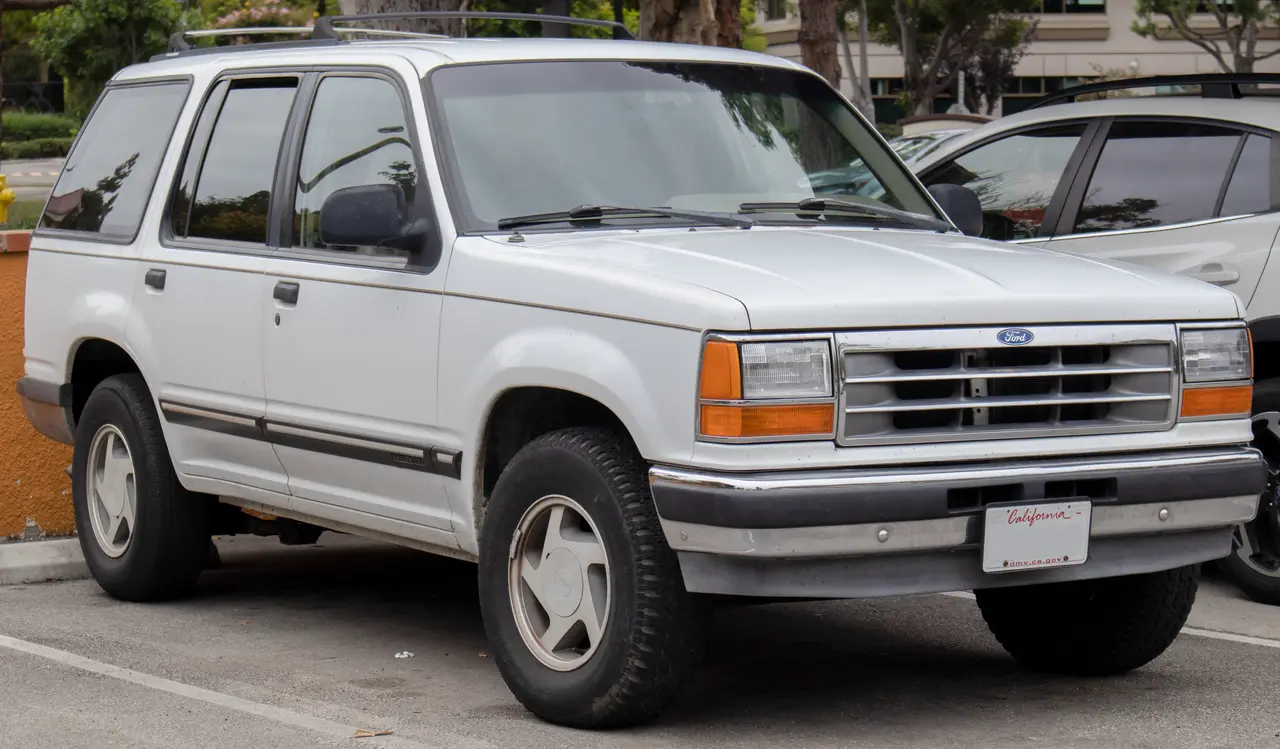
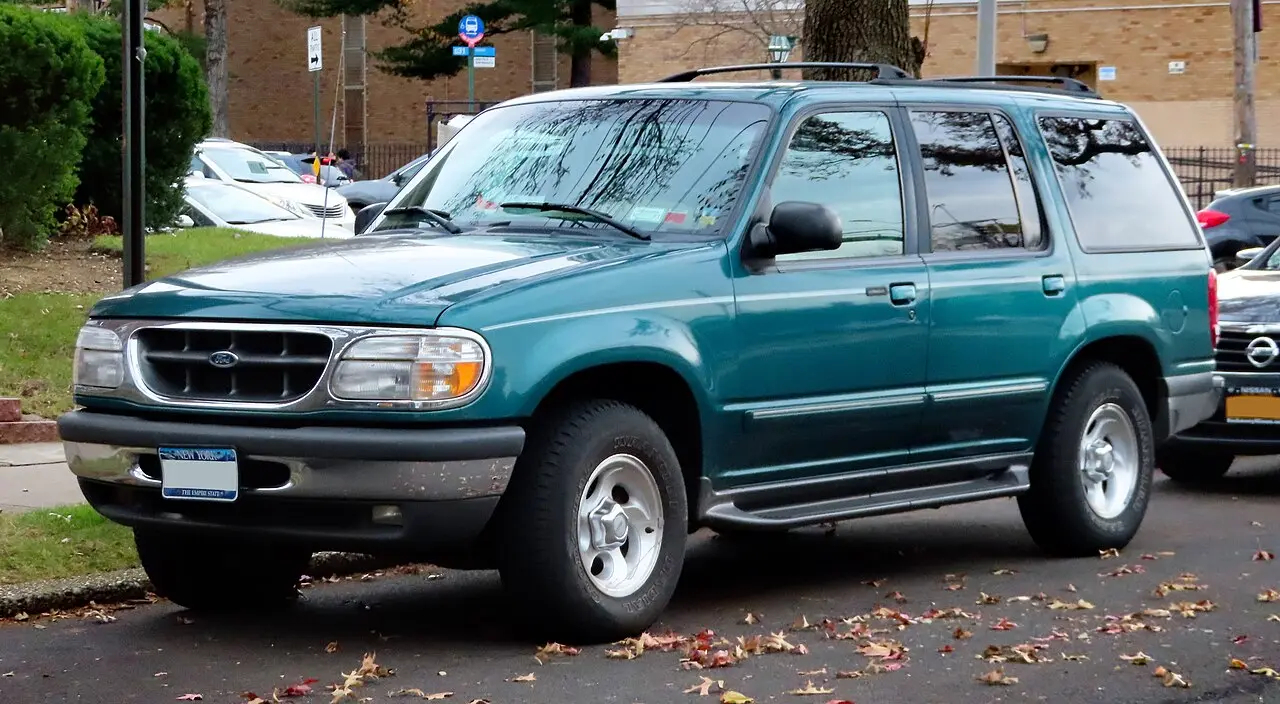
Explorer I (1991–1994)

Ford Explorer I
Photo: LukaCali / Wikimedia Commons · CC BY-SA 4.0

Model codes: UN46 · Sold in: United States and Canada · References: supermotors.net

Show all 13 versions

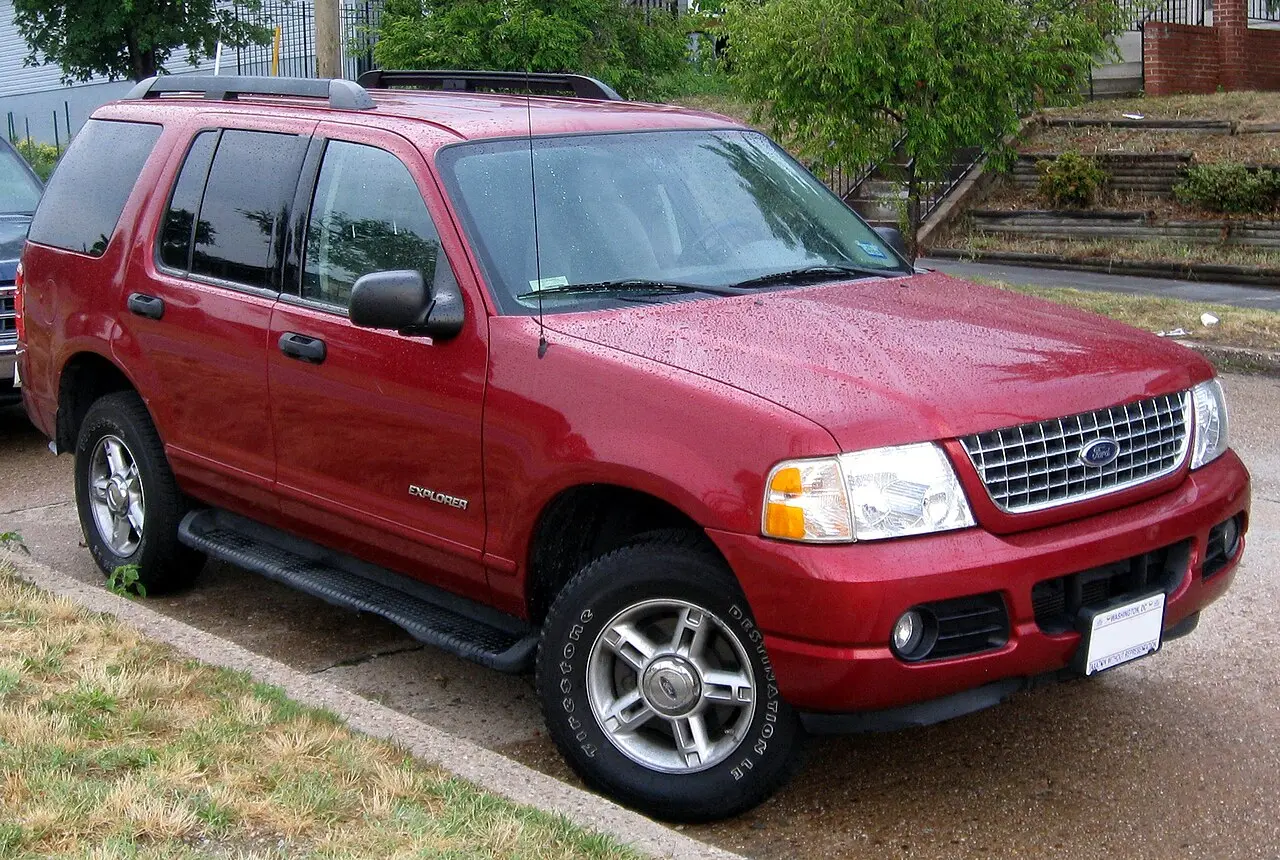
Explorer II (1995–2001)

Ford Explorer II
Photo: Kevauto / Wikimedia Commons · CC BY-SA 4.0

Model codes: UN105, UN150 · Sold in: United States and Canada · References: en.wikipedia.org

Show all 64 versions

Explorer III (2002–2005)

Ford Explorer III
Photo: IFCAR / Wikimedia Commons · Public domain

Model codes: U152 · Sold in: United States and Canada · References: motortrend.com

Show all 25 versions

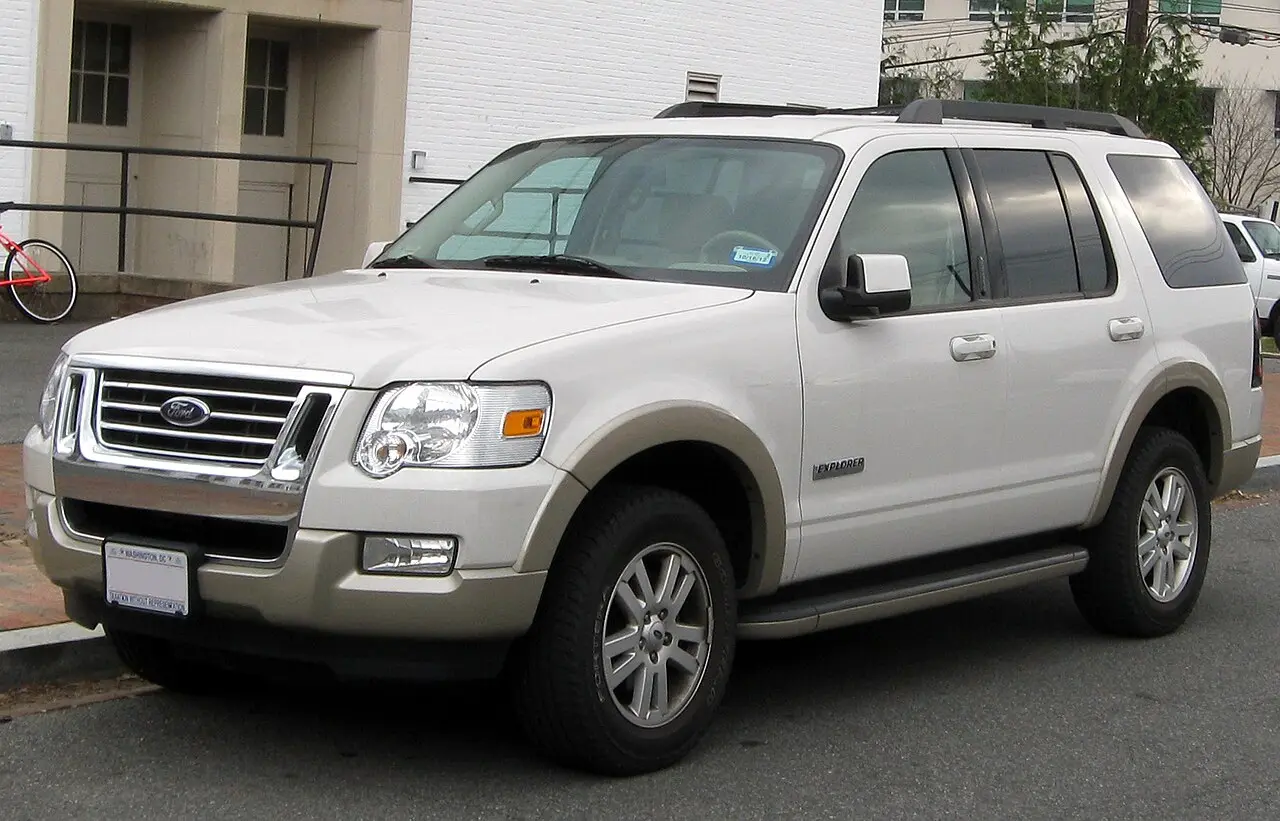
Explorer IV (2006–2010)

Ford Explorer IV
Photo: IFCAR / Wikimedia Commons · Public domain

Model codes: U251 · Sold in: United States and Canada · References: supermotors.net

Show all 22 versions

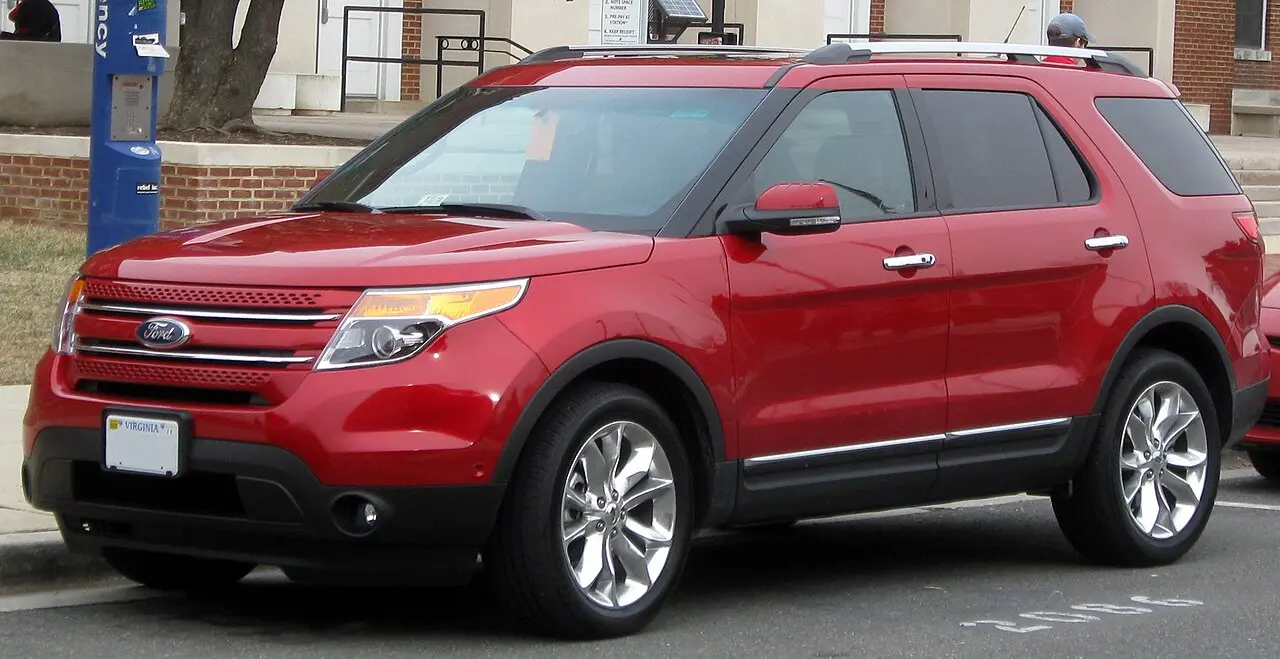
Explorer V (2011–2019)

Ford Explorer V
Photo: IFCAR / Wikimedia Commons · Public domain

Model codes: U502 · References: supermotors.net

Show all 69 versions

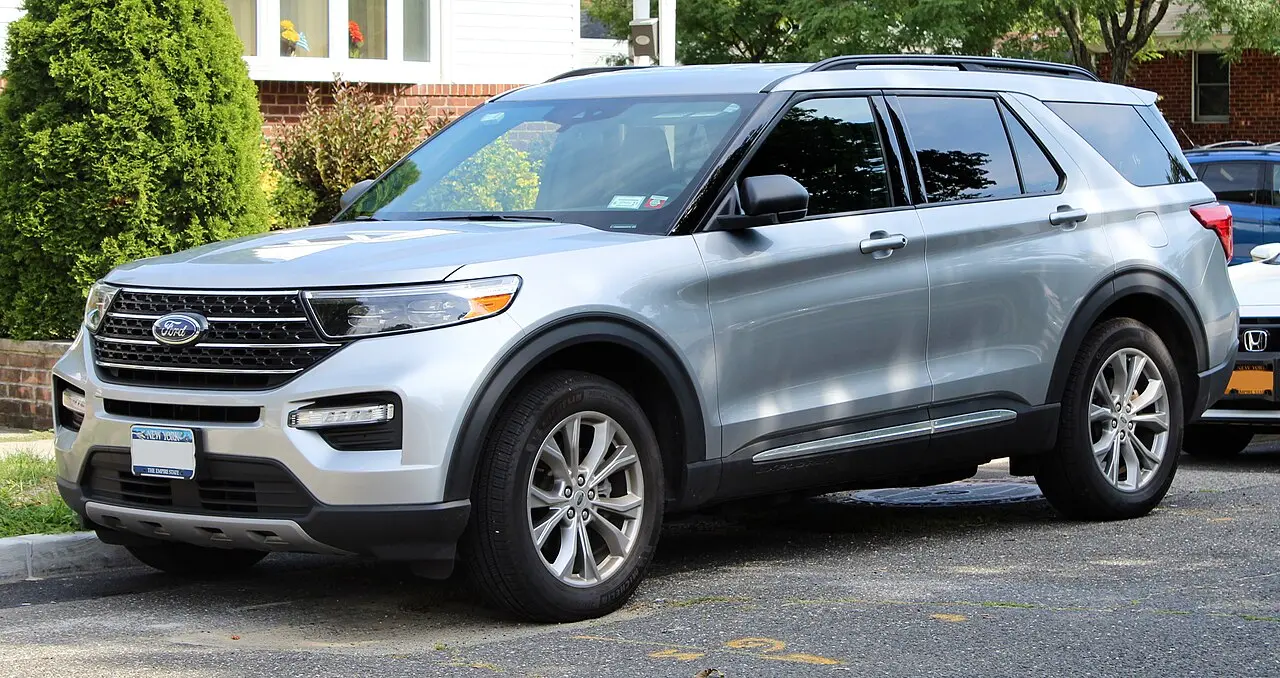
Explorer VI (since 2020)

Ford Explorer VI
Photo: Kevauto / Wikimedia Commons · CC BY-SA 4.0

Model codes: U625 · References: en.wikipedia.org

European Union 26 versions

New cars registered in the EU (plus Norway and Iceland), from the European Environment Agency. Figures on the NEDC procedure until 2020 and on WLTP from 2021; versions are grouped by engine and power, with their number of registrations.

Years and versionEnginePowerFuelConsumption (combined)CO₂Electric rangeEU registrations
2025Electric motor210 kW (286 PS)Electric14.7 kWh/100 km WLTP0 g/km585 km20,052
2025Electric motor250 kW (340 PS)Electric16.8 kWh/100 km WLTP0 g/km535 km7,154
2024–2025Electric motor150 kW (204 PS)Electric16.3 kWh/100 km WLTP0 g/km538 km2,997
2025Electric motor89 kW (121 PS)Electric15.1 kWh/100 km WLTP0 g/km576 km1,641
2025Electric motor125 kW (170 PS)Electric17.3 kWh/100 km WLTP0 g/km365 km1,251
2025Electric motor70 kW (95 PS)Electric16.3 kWh/100 km WLTP0 g/km508 km312
2025Electric motor88 kW (120 PS)Electric14.6 kWh/100 km WLTP0 g/km578 km244
20253.0 L267 kW (363 PS)Plug-in hybrid3.1 L/100 km WLTP21.9 kWh/100 km WLTP90 g/km42 km90
2024Electric motor210 kW (286 PS)Electric14.4 kWh/100 km WLTP0 g/km584 km7,059
2024Electric motor250 kW (340 PS)Electric16.6 kWh/100 km WLTP0 g/km532 km2,471
20243.0 L267 kW (363 PS)Plug-in hybrid3.2 L/100 km WLTP22.0 kWh/100 km WLTP71 g/km42 km1,267
2024Electric motor89 kW (121 PS)Electric15.3 kWh/100 km WLTP0 g/km571 km582
2024Electric motor88 kW (120 PS)Electric15.0 kWh/100 km WLTP0 g/km565 km448
2024Electric motor70 kW (95 PS)Electric16.3 kWh/100 km WLTP0 g/km541 km145
20233.0 L267 kW (363 PS)Plug-in hybrid3.1 L/100 km WLTP22.0 kWh/100 km WLTP71 g/km43 km1,151
20233.0 L91 kW (124 PS)Plug-in hybrid3.1 L/100 km WLTP22.0 kWh/100 km WLTP71 g/km42 km26
20223.0 L267 kW (363 PS)Plug-in hybrid4.8 L/100 km WLTP21.7 kWh/100 km WLTP72 g/km44 km2,115
20223.0 L267 kW (363 PS)Petrol2.9 L/100 km WLTP21.1 kWh/100 km WLTP163 g/km–78
20223.0 L267 kW (363 PS)Hybrid3.2 L/100 km WLTP78 g/km–25
20213.0 L267 kW (363 PS)Plug-in hybrid6.8 L/100 km WLTP21.9 kWh/100 km WLTP71 g/km45 km10,351
20213.0 L267 kW (363 PS)Petrol2.9 L/100 km WLTP21.6 kWh/100 km WLTP71 g/km42 km207
20212.3 L224 kW (305 PS)Petrol–299 g/km–12
20203.0 L267 kW (363 PS)Plug-in hybrid21.5 kWh/100 km NEDC66 g/km46 km4,648
20203.0 L53 kW (72 PS)Plug-in hybrid20.5 kWh/100 km NEDC66 g/km42 km86
20203.0 L267 kW (363 PS)Petrol–66 g/km–71
20203.0 L267 kW (363 PS)Hybrid–66 g/km–13

France 1 version

New cars on sale in France, from ADEME Car Labelling. NEDC figures until 2015, WLTP figures in the current catalogue.

Years and versionEnginePowerFuelGearbox
2026EXPLORER 3.0l EcoBoost (457ch) PHEV BVA103.0 L267 kW (363 PS)Plug-in hybridAutomatic

United States 44 versions

Model years sold in the USA, from the EPA and the Department of Energy (fueleconomy.gov). MPG on the EPA test; litres per 100 km = 235.215 ÷ MPG.

Years and versionEngineFuelGearboxDriveConsumption (combined)CO₂
2025–2027SIDI & PFI2.3 LPetrol10-speed automaticPart-time four-wheel drive23 MPG (10.2 L/100 km) EPA245 g/km
2027SIDI & PFI2.3 LPetrol10-speed automaticRear-wheel drive23 MPG (10.2 L/100 km) EPA236 g/km
2027SIDI & PFI2.3 LPetrol10-speed automaticPart-time four-wheel drive20 MPG (11.8 L/100 km) EPA277 g/km
2027SIDI3.0 LPetrol10-speed automaticRear-wheel drive21 MPG (11.2 L/100 km) EPA265 g/km
2027SIDI3.0 LPetrol10-speed automaticRear-wheel drive20 MPG (11.8 L/100 km) EPA273 g/km
2027SIDI3.0 LPetrol10-speed automaticPart-time four-wheel drive20 MPG (11.8 L/100 km) EPA278 g/km
2027SIDI3.0 LPetrol10-speed automaticPart-time four-wheel drive20 MPG (11.8 L/100 km) EPA277 g/km
2027SIDI3.0 LPetrol10-speed automaticPart-time four-wheel drive19 MPG (12.4 L/100 km) EPA291 g/km
2025–2026SIDI & PFI2.3 LPetrol10-speed automaticRear-wheel drive24 MPG (9.8 L/100 km) EPA234 g/km
2026SIDI & PFI2.3 LPetrol10-speed automaticPart-time four-wheel drive21 MPG (11.2 L/100 km) EPA263 g/km
2025–2026SIDI3.0 LPetrol10-speed automaticPart-time four-wheel drive20 MPG (11.8 L/100 km) EPA273 g/km
2026SIDI3.0 LPetrol10-speed automaticRear-wheel drive21 MPG (11.2 L/100 km) EPA263 g/km
2026SIDI3.0 LPetrol10-speed automaticPart-time four-wheel drive19 MPG (12.4 L/100 km) EPA290 g/km
2025SIDI3.0 LPetrol10-speed automaticPart-time four-wheel drive21 MPG (11.2 L/100 km) EPA266 g/km
2025SIDI3.0 LPetrol10-speed automaticRear-wheel drive21 MPG (11.2 L/100 km) EPA264 g/km
2025SIDI3.0 LPetrol10-speed automaticRear-wheel drive21 MPG (11.2 L/100 km) EPA261 g/km
2022–2024SIDI; Stop-Start · SIDI2.3 LPetrol10-speed automaticRear-wheel drive24 MPG (9.8 L/100 km) EPA230 g/km
2020–2024SIDI · SIDI; Stop-Start2.3 LPetrol10-speed automaticPart-time four-wheel drive23 MPG (10.2 L/100 km) EPA240 g/km
2022–2024SIDI; Stop-Start · SIDI2.3 LPetrol10-speed automaticPart-time four-wheel drive21 MPG (11.2 L/100 km) EPA269 g/km
2020–2024SIDI3.0 LPetrol10-speed automaticPart-time four-wheel drive20 MPG (11.8 L/100 km) EPA277 g/km
2022–2024SIDI3.0 LPetrol10-speed automaticRear-wheel drive20 MPG (11.8 L/100 km) EPA272 g/km
2022–2024SIDI3.0 LPetrol10-speed automaticPart-time four-wheel drive20 MPG (11.8 L/100 km) EPA276 g/km
2024SIDI3.0 LPetrol10-speed automaticRear-wheel drive21 MPG (11.2 L/100 km) EPA265 g/km
2024SIDI & PFI; FFV3.3 LFlex fuel (E85)10-speed automaticPart-time four-wheel drive20 MPG (11.8 L/100 km) EPA276 g/km
2022–2023SIDI2.3 LPetrol10-speed automaticPart-time four-wheel drive22 MPG (10.7 L/100 km) EPA251 g/km
2022–2023SIDI2.3 LPetrol10-speed automaticPart-time four-wheel drive20 MPG (11.8 L/100 km) EPA277 g/km
2023SIDI2.3 LPetrol10-speed automaticRear-wheel drive23 MPG (10.2 L/100 km) EPA239 g/km
2022–2023SIDI3.0 LPetrol10-speed automaticRear-wheel drive21 MPG (11.2 L/100 km) EPA266 g/km
2023SIDI; without Stop-Start3.0 LPetrol10-speed automaticPart-time four-wheel drive20 MPG (11.8 L/100 km) EPA280 g/km
2023SIDI; without Stop-Start3.0 LPetrol10-speed automaticPart-time four-wheel drive20 MPG (11.8 L/100 km) EPA282 g/km
2020–2023SIDI & PFI; Hybrid3.3 LHybrid10-speed automaticPart-time four-wheel drive25 MPG (9.4 L/100 km) EPA224 g/km
2021–2023SIDI & PFI; Hybrid3.3 LHybrid10-speed automaticRear-wheel drive27 MPG (8.7 L/100 km) EPA201 g/km
2022–2023SIDI & PFI; Hybrid3.3 LHybrid10-speed automaticRear-wheel drive26 MPG (9.0 L/100 km) EPA213 g/km
2022–2023SIDI & PFI; Hybrid3.3 LHybrid10-speed automaticPart-time four-wheel drive23 MPG (10.2 L/100 km) EPA235 g/km
2023SIDI & PFI; FFV3.3 LFlex fuel (E85)10-speed automaticPart-time four-wheel drive20 MPG (11.8 L/100 km) EPA276 g/km
2022SIDI2.3 LPetrol10-speed automaticRear-wheel drive23 MPG (10.2 L/100 km) EPA240 g/km
2022SIDI & PFI; FFV3.3 LFlex fuel (E85)10-speed automaticPart-time four-wheel drive19 MPG (12.4 L/100 km) EPA292 g/km
2021SIDI2.3 LPetrol10-speed automaticRear-wheel drive24 MPG (9.8 L/100 km) EPA232 g/km
2021SIDI2.3 LPetrol10-speed automaticPart-time four-wheel drive21 MPG (11.2 L/100 km) EPA268 g/km
2021SIDI3.0 LPetrol10-speed automaticRear-wheel drive21 MPG (11.2 L/100 km) EPA268 g/km
2021SIDI & PFI; FFV3.3 LFlex fuel (E85)10-speed automaticPart-time four-wheel drive19 MPG (12.4 L/100 km) EPA293 g/km
2020SIDI2.3 LPetrol10-speed automaticRear-wheel drive24 MPG (9.8 L/100 km) EPA230 g/km
2020SIDI & PFI; FFV3.3 LFlex fuel (E85)10-speed automaticPart-time four-wheel drive19 MPG (12.4 L/100 km) EPA291 g/km
2020SIDI & PFI; Hybrid3.3 LHybrid10-speed automaticRear-wheel drive28 MPG (8.4 L/100 km) EPA200 g/km

Canada 20 versions

Model years sold in Canada, from Natural Resources Canada fuel consumption ratings (5-cycle test).

Years and versionEngineFuelGearboxConsumption (combined)CO₂
2025–2026Sport utility vehicle: Standard2.3 LPetrol10-speed automatic10.4 L/100 km 5-cycle245 g/km
2026Sport utility vehicle: Standard2.3 LPetrol10-speed automatic11.2 L/100 km 5-cycle263 g/km
2025–2026Sport utility vehicle: Standard3.0 LPetrol10-speed automatic11.6 L/100 km 5-cycle273 g/km
2026Sport utility vehicle: Standard3.0 LPetrol10-speed automatic12.4 L/100 km 5-cycle290 g/km
2025Sport utility vehicle: Standard3.0 LPetrol10-speed automatic11.3 L/100 km 5-cycle266 g/km
2022–2024Sport utility vehicle: Standard2.3 LPetrol10-speed automatic11.5 L/100 km 5-cycle269 g/km
2024Sport utility vehicle: Standard2.3 LPetrol10-speed automatic10.3 L/100 km 5-cycle241 g/km
2021–2024Sport utility vehicle: Standard3.0 LPetrol10-speed automatic11.8 L/100 km 5-cycle277 g/km
2024Sport utility vehicle: Standard3.0 LPetrol10-speed automatic11.7 L/100 km 5-cycle275 g/km
2023Sport utility vehicle: Standard2.3 LPetrol10-speed automatic10.3 L/100 km 5-cycle241 g/km
2022–2023Sport utility vehicle: Standard2.3 LPetrol10-speed automatic11.8 L/100 km 5-cycle277 g/km
2023Sport utility vehicle: Standard2.3 LPetrol10-speed automatic10.7 L/100 km 5-cycle251 g/km
2023Sport utility vehicle: Standard3.0 LPetrol10-speed automatic11.9 L/100 km 5-cycle280 g/km
2023Sport utility vehicle: Standard3.0 LPetrol10-speed automatic12.0 L/100 km 5-cycle282 g/km
2020–2023Sport utility vehicle: Standard3.3 LPetrol10-speed automatic9.6 L/100 km 5-cycle225 g/km
2021–2022Sport utility vehicle: Standard2.3 LPetrol10-speed automatic10.3 L/100 km 5-cycle242 g/km
2022Sport utility vehicle: Standard2.3 LPetrol10-speed automatic10.7 L/100 km 5-cycle252 g/km
2021Sport utility vehicle: Standard2.3 LPetrol10-speed automatic11.4 L/100 km 5-cycle268 g/km
2020Sport utility vehicle: Standard2.3 LPetrol10-speed automatic10.3 L/100 km 5-cycle241 g/km
2020Sport utility vehicle: Standard3.0 LPetrol10-speed automatic11.8 L/100 km 5-cycle278 g/km

Versions outside these generations

United Kingdom 1 version

New cars on sale in the UK, from the Vehicle Certification Agency. NEDC figures until 2018 and WLTP figures after; years are the editions a version appeared in.

Years and versionEngineFuelGearboxConsumption (combined)CO₂
2000–20014.04.0 LPetrol5-speed automatic13.7 L/100 km NEDC350 g/km

Official figures are measured on standard test procedures and differ between markets. Your consumption depends on how, where and in what conditions you drive.