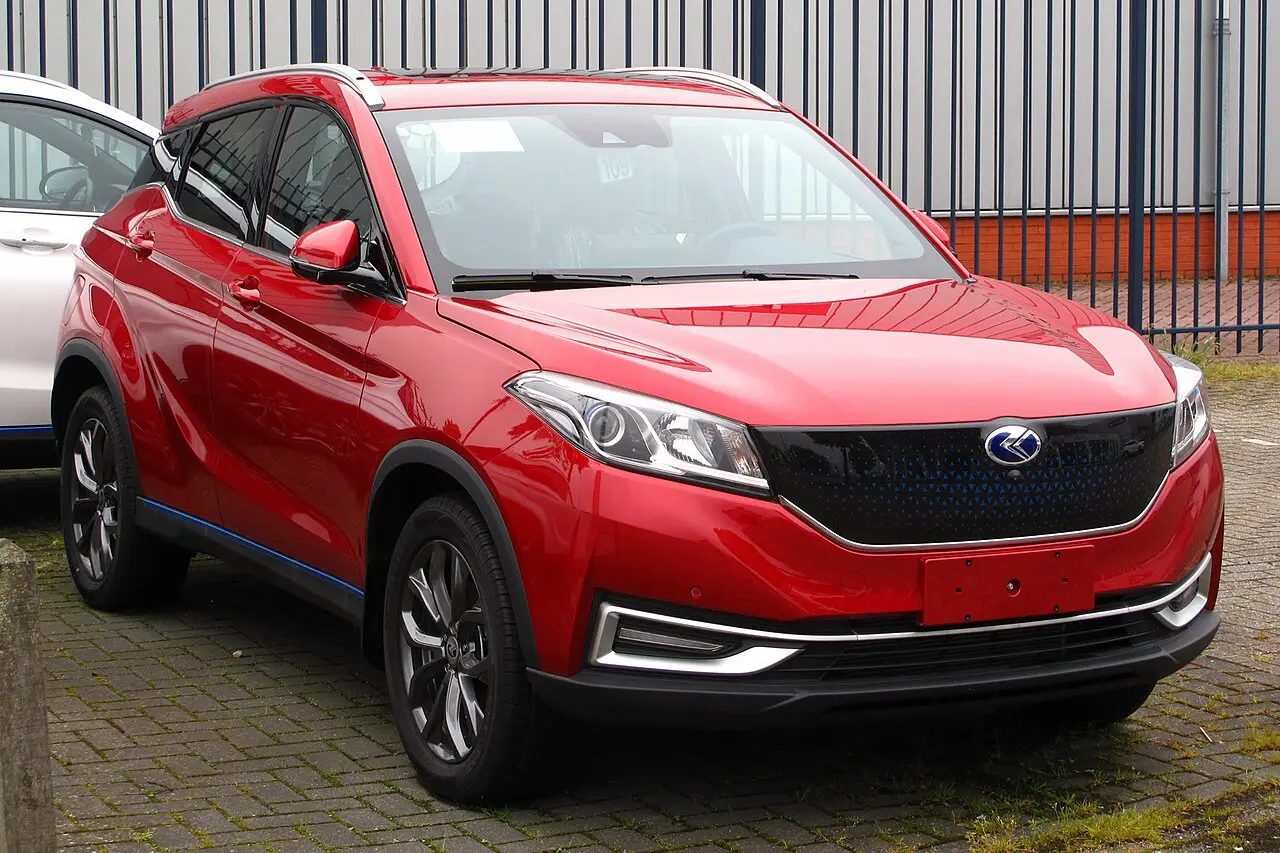
DFSK

DFSK Seres 3

DFSK Seres 3
Photo: Rutger van der Maar / Wikimedia Commons · CC BY 2.0

The official data lists 12 versions of the DFSK Seres 3 (2020–2025), in the European Union. Each market publishes its own figures, measured on its own test procedure.

At a glance

Years in the data
2020–2025
Markets
European Union
Power
50 kW (68 PS) to 120 kW (163 PS)
Fuels
Electric
New registrations in the EU
2,424

What is the DFSK Seres 3?

The Seres 3 is a compact electric SUV sold in Europe under the DFSK and Seres names. Its SUV body and battery-electric power make it part of the brand’s move into electric passenger cars. DFSK grew from a partnership between Dongfeng Motor and Sokon.

The first generation is listed in Europe from 2020 onward.

Electric motor and power

European versions have electric power outputs from 50 kW (68 PS) to 120 kW (163 PS). The 120 kW (163 PS) version recorded 814 registrations in 2022 and 469 in 2023. A 50 kW (68 PS) version recorded 349 in 2022.

Where was the Seres 3 sold?

The Seres 3 recorded 2,424 European Economic Area registrations from 2020 to 2025. It was introduced in European markets as an electric SUV under the DFSK and Seres names.

Questions and answers

Is the Seres 3 petrol or electric?

It is an electric SUV.

How much power does the Seres 3 produce?

Listed European versions range from 50 kW (68 PS) to 120 kW (163 PS).

How many Seres 3s were registered in Europe?

The European registration total is 2,424 for 2020–2025.

What is the Seres 3’s official fuel consumption?

It is an electric model, and no fuel consumption figure is listed.

Seres 3 first generation (since 2020)

Sold in: European Union · References: automobile-propre.com, auto-motor-und-sport.de

European Union 12 versions

New cars registered in the EU (plus Norway and Iceland), from the European Environment Agency. Figures on the NEDC procedure until 2020 and on WLTP from 2021; versions are grouped by engine and power, with their number of registrations.

Years and versionEnginePowerFuelConsumption (combined)CO₂Electric rangeEU registrations
2025Electric motor120 kW (163 PS)Electric18.8 kWh/100 km WLTP0 g/km314 km93
2025Electric motor50 kW (68 PS)Electric18.1 kWh/100 km WLTP0 g/km303 km48
2024Electric motor120 kW (163 PS)Electric19.5 kWh/100 km WLTP0 g/km312 km117
2023Electric motor120 kW (163 PS)Electric18.7 kWh/100 km WLTP0 g/km309 km469
2023Electric motor62 kW (84 PS)Electric17.7 kWh/100 km WLTP0 g/km331 km11
2022Electric motor120 kW (163 PS)Electric19.6 kWh/100 km WLTP0 g/km311 km814
2022Electric motor50 kW (68 PS)Electric18.8 kWh/100 km WLTP0 g/km307 km349
2022Electric motor55 kW (75 PS)Electric18.0 kWh/100 km WLTP0 g/km301 km141
2021Electric motor120 kW (163 PS)Electric18.5 kWh/100 km WLTP0 g/km301 km196
2021Electric motor55 kW (75 PS)Electric18.0 kWh/100 km WLTP0 g/km–146
2021Electric motor50 kW (68 PS)Electric18.0 kWh/100 km WLTP0 g/km306 km22
2020Electric motor120 kW (163 PS)Electric18.0 kWh/100 km NEDC0 g/km–18

Official figures are measured on standard test procedures and differ between markets. Your consumption depends on how, where and in what conditions you drive.