Dacia

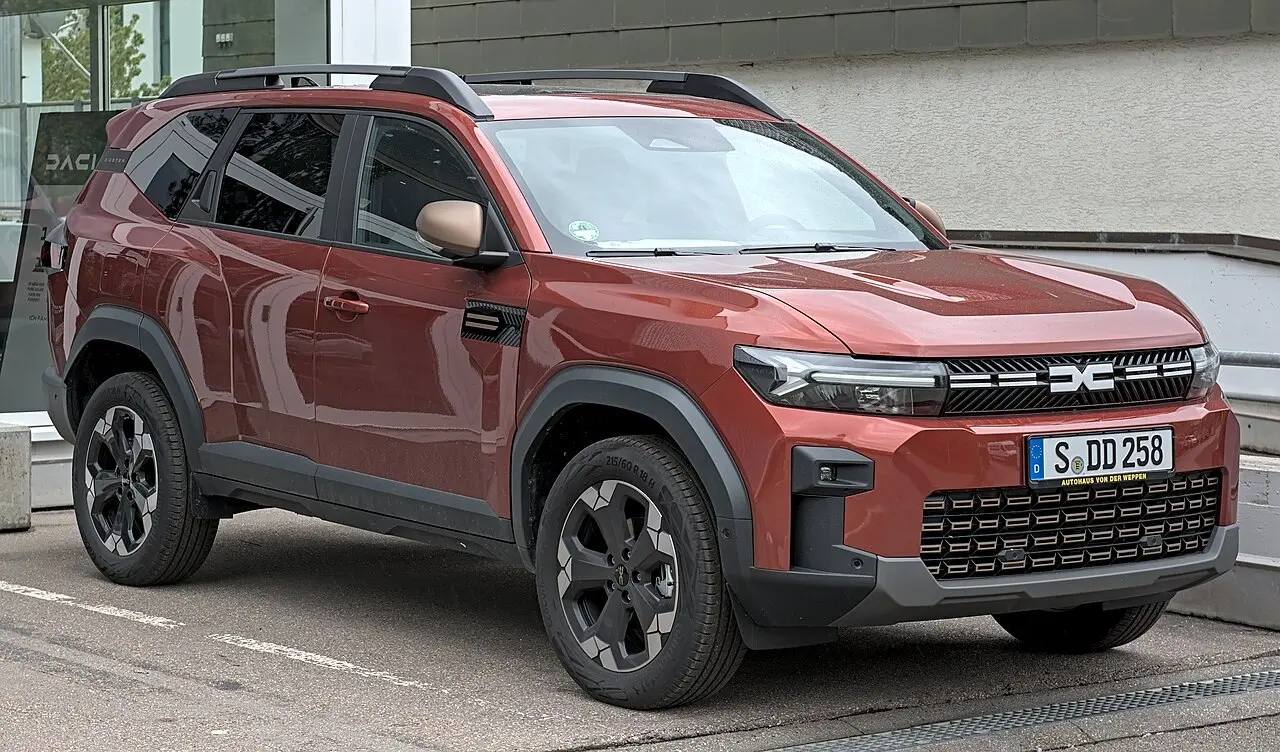
Dacia Bigster

Dacia Bigster
Photo: Alexander Migl / Wikimedia Commons · CC BY-SA 4.0

The official data lists 19 versions of the Dacia Bigster (2025–2026), in the European Union and the United Kingdom. Each market publishes its own figures, measured on its own test procedure.

At a glance

Years in the data
2025–2026
Markets
European Union, United Kingdom
Engines
1.2 L to 1.8 L
Power
80 kW (109 PS) to 103 kW (140 PS)
Fuels
Hybrid, LPG, Plug-in hybrid, Petrol
Lowest consumption (United Kingdom)
4.6 L/100 km (WLTP)
Lowest consumption (European Union)
4.7 L/100 km (WLTP)
New registrations in the EU
62,164

What is the Dacia Bigster?

The Bigster is a family SUV in the C-segment, extending Dacia’s range into a larger class. Its roomy, practical brief suits family life, while its squared-off design gives it a purposeful look.

The first generation began in 2025 and continues today. It sits above the Duster in Dacia’s range, marking the brand’s move into the C-SUV segment.

Engines and power

The EU range includes petrol, hybrid, plug-in hybrid and LPG versions, with engines from 1.2 L to 1.8 L and power from 80 kW (109 PS) to 103 kW (140 PS). UK listings include petrol and hybrid versions, with the same engine-size and power ranges. The available combinations vary by market.

How economical is the Dacia Bigster?

The lowest listed consumption is 4.7 L/100 km in the EU and 4.6 L/100 km in the UK, both on the WLTP test. These are range figures; consumption varies by version. No CO₂ figure is listed here.

Official EU registration figures cover 2025, with 62,164 registrations. UK figures cover 2025–2026. European ratings use procedures such as WLTP and NEDC, while US EPA and Canadian 5-cycle tests use different methods.

Where was the Dacia Bigster sold?

The Bigster appears in EU and UK market figures. It brought Dacia into the C-SUV segment, extending a range known for practical everyday cars.

Questions and answers

What type of car is the Dacia Bigster?

It is a family SUV in the C-segment.

What engines and fuels are listed for the Bigster?

The EU range includes petrol, hybrid, plug-in hybrid and LPG, with 1.2 L to 1.8 L engines. UK listings include petrol and hybrid.

What is the Bigster’s lowest official fuel consumption?

The lowest listed WLTP figure is 4.7 L/100 km in the EU and 4.6 L/100 km in the UK.

When did the Bigster go on sale?

Its first generation began in 2025. EU figures cover 2025 and UK figures cover 2025–2026.

Bigster first generation (since 2025)

Dacia Bigster first generation
Photo: Alexander Migl / Wikimedia Commons · CC BY-SA 4.0

References: media.dacia.com

European Union 12 versions

New cars registered in the EU (plus Norway and Iceland), from the European Environment Agency. Figures on the NEDC procedure until 2020 and on WLTP from 2021; versions are grouped by engine and power, with their number of registrations.

Years and versionEnginePowerFuelConsumption (combined)CO₂EU registrations
20251.8 L80 kW (109 PS)Hybrid4.7 L/100 km WLTP106 g/km19,955
20251.8 L80 kW (109 PS)Hybrid4.7 L/100 km WLTP106 g/km16,741
20251.2 L103 kW (140 PS)Hybrid5.5 L/100 km WLTP123 g/km11,246
20251.2 L96 kW (131 PS)Hybrid6.1 L/100 km WLTP137 g/km5,635
20251.2 L103 kW (140 PS)LPG6.4 L/100 km WLTP117 g/km4,124
20251.8 L80 kW (109 PS)Plug-in hybrid–106 g/km1,528
20251.2 L96 kW (131 PS)Plug-in hybrid–137 g/km781
20251.8 L80 kW (109 PS)Plug-in hybrid–106 g/km702
20251.2 L96 kW (131 PS)Petrol6.1 L/100 km WLTP137 g/km699
20251.2 L103 kW (140 PS)Plug-in hybrid–120 g/km591
20251.8 L80 kW (109 PS)Petrol4.7 L/100 km WLTP106 g/km95
20251.8 L80 kW (109 PS)Petrol4.7 L/100 km WLTP106 g/km67

United Kingdom 7 versions

New cars on sale in the UK, from the Vehicle Certification Agency. NEDC figures until 2018 and WLTP figures after; years are the editions a version appeared in.

Years and versionEnginePowerFuelGearboxConsumption (combined)CO₂
2025–2026Expression TCe 130 4x4 MY251.2 L96 kW (131 PS)Petrol6-speed manual6.0 L/100 km WLTP134 g/km
2025–2026Extreme TCe 130 4x4 MY251.2 L96 kW (131 PS)Petrol6-speed manual6.1 L/100 km WLTP137 g/km
2025–2026Extreme TCe 130 4x4 MY251.2 L96 kW (131 PS)Petrol6-speed manual6.1 L/100 km WLTP138 g/km
2025–2026Extreme TCe 140 4x2 MY251.2 L103 kW (140 PS)Petrol6-speed manual5.5 L/100 km WLTP124 g/km
2025–2026Journey TCe 140 4x2 MY251.2 L103 kW (140 PS)Petrol6-speed manual5.4 L/100 km WLTP123 g/km
2025–2026Expression Hybrid 155 MY251.8 L80 kW (109 PS)Hybrid6-speed automatic4.6 L/100 km WLTP105 g/km
2025–2026Extreme hybrid 155 MY25 · Journey Hybrid 155 MY251.8 L80 kW (109 PS)Hybrid6-speed automatic4.7 L/100 km WLTP106 g/km

Official figures are measured on standard test procedures and differ between markets. Your consumption depends on how, where and in what conditions you drive.