



Who were Chrysler Simca?
Chrysler Simca was the French arm of Chrysler’s European business, built around Simca, the French carmaker Chrysler had taken over. The name joined an American parent with a company whose roots and manufacturing base were in France. Chrysler Europe also brought together Simca’s French operation and Britain’s Rootes Group, giving the company a mixed heritage.
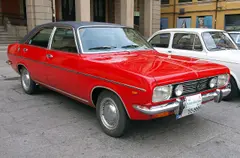
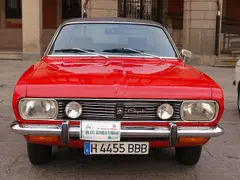
The Chrysler 180 reflects that blend. Its development drew on work from both sides of the Channel, with Rootes styling and Simca mechanicals. It was a conventional four-door saloon: a roomy, formal-looking car aimed at drivers wanting a larger family car or a more substantial step up within the range. Simca was better known for practical, mass-market cars, so the 180 gave the marque a more imposing presence.
The Chrysler 180 in the range
The 180 is the sole Chrysler Simca model listed here, and its model years run from 1970 to 1982. That makes it the central car for understanding this make: there is no wider set of model lines to trace alongside it. The name also appeared within a broader family of related saloons, but the 180 itself is the model represented here.
Its appeal was its straightforward saloon format and familiar engineering. Rather than a hatchback, it had a separate boot, and its rear wheels were driven by a conventional rear-wheel-drive layout. The restrained shape and formal proportions suited buyers looking for a traditional large car, while the shared French and British origins gave it an unusual place in Chrysler Europe’s developing range.
How the range developed
The 180 arrived as part of a new effort to bring Simca and Rootes development together under Chrysler Europe. It carried the project forward as a saloon with Simca engineering, while its design reflected the Rootes contribution. The result was intended to serve a broad European audience, rather than simply extend an existing French family-car line.
The model’s identity shifted as the company changed. In continental Europe, Chrysler Simca badging became part of the story; after Chrysler Europe passed to PSA, the car’s later life was associated with the Talbot name. The long span shown for the 180 therefore covers more than one corporate chapter, even though the core model remained recognisable.
Markets and electrification
Chrysler Simca belongs to the European side of the Chrysler story, with a French base and a cross-Channel corporate background. Its saloon was part of a European range rather than a modern global nameplate. There is no electric or hybrid version of the 180 in this model’s history: it belongs to the era of conventional petrol and diesel cars.
When official consumption or emissions figures are presented for cars sold in different countries, the test behind each number matters. European figures may use NEDC or WLTP, US ratings use EPA procedures, and Canadian ratings use the five-cycle method. Those results should be read within their own test systems.
Questions and answers
What kind of car was the Chrysler 180?
It was a traditional four-door saloon, with a separate boot and rear-wheel drive, positioned as a larger, more formal car in the Simca-related range.
Who made Chrysler Simca cars?
Chrysler Simca was part of Chrysler’s European business, combining Simca’s French operation with a broader group that included Britain’s Rootes heritage.
Was there an electric Chrysler 180?
No. The 180 belongs to the conventional petrol and diesel era; it was not offered as an electric or hybrid car.
Why did the car later carry a different name?
Chrysler Europe was acquired by PSA, and the car’s later European identity shifted to Talbot as the company’s branding changed.