Chevrolet

Chevrolet Impala

Chevrolet Impala
Photo: Damian B Oh / Wikimedia Commons · CC BY-SA 4.0

The official data lists 109 versions of the Chevrolet Impala (1984–2020), in the United States and Canada. Each market publishes its own figures, measured on its own test procedure.

At a glance

Years in the data
1984–2020
Markets
United States, Canada
Engines
2.5 L to 5.7 L
Fuels
Petrol, Flex fuel (E85), Natural gas, Hybrid, Diesel
Lowest consumption (United States)
8.4 L/100 km (EPA)
Lowest consumption (Canada)
8.7 L/100 km (5-cycle)

What is the Chevrolet Impala?

The Impala is one of Chevrolet’s best-known passenger cars. Introduced as an upper-range model with distinctive styling, it became closely associated with the full-size American sedan. The later Impalas were four-door sedans, with space for family trips and everyday driving. Chevrolet ended production in 2020.

Impala generations

The sixth generation ran from 1977 to 1985, when Chevrolet resized the car. After a break in the nameplate’s modern run, the eighth generation arrived in 2000 as the first front-wheel-drive Impala. The ninth generation followed from 2006 to 2013 and brought back V8 power in some versions. The tenth generation, sold from 2014 to 2020, introduced a new design and the first Impala hybrid. Over time, the car moved from a traditional large American model to a modern front-wheel-drive sedan.

Engines and official fuel economy

US EPA listings cover 2.5 to 5.7-litre engines and petrol, flex-fuel E85, natural gas, hybrid and diesel versions. Canadian NRCan figures cover 2.4 to 5.3-litre engines and petrol, flex-fuel E85 and natural gas.

The lowest listed consumption is 8.4 L/100 km in US EPA figures and 8.7 L/100 km in Canada’s NRCan 5-cycle figures. The best combined EPA rating listed is 28 MPG. Test procedures differ by market: the US uses EPA testing, Canada uses a 5-cycle procedure, and European figures use NEDC or WLTP depending on the vehicle and year.

Where was the Impala sold?

The Impala’s official fuel economy listings cover the United States and Canada. US EPA figures span 1984–2020, while Canadian NRCan figures cover 2000–2020. Chevrolet ended production in 2020, closing the chapter on a long-running name in its passenger-car range.

Questions and answers

When did Chevrolet stop making the Impala?

Chevrolet ended Impala production in 2020.

What engine and fuel choices appear in the Impala listings?

US figures cover 2.5 to 5.7-litre engines and petrol, E85, natural gas, hybrid and diesel versions. Canadian figures cover 2.4 to 5.3-litre engines and petrol, E85 and natural gas.

What is the lowest listed Impala consumption?

The lowest listed figure is 8.4 L/100 km in US EPA testing; Canada’s lowest is 8.7 L/100 km on the NRCan 5-cycle test.

Was there a hybrid Impala?

Yes. The tenth-generation Impala introduced a hybrid version in 2014.
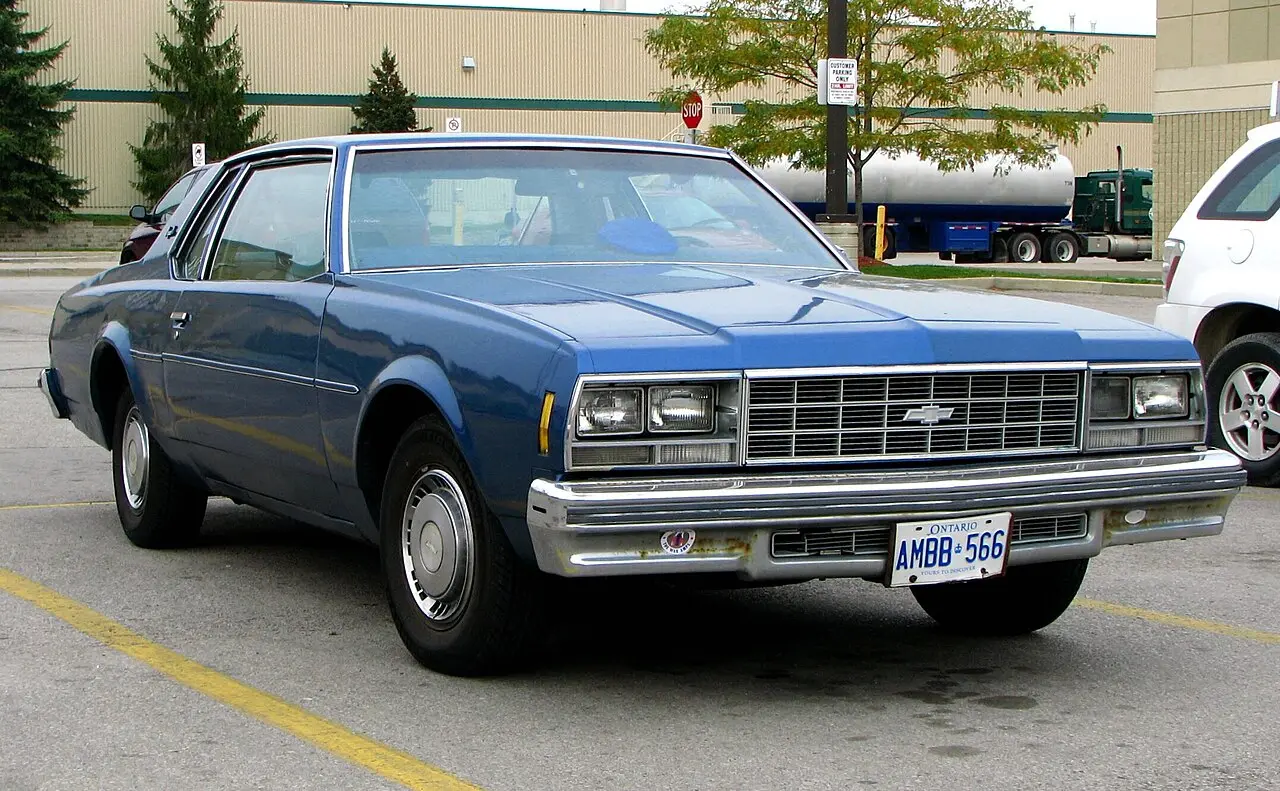
Impala sixth generation (1977–1985)

Chevrolet Impala sixth generation
Photo: Michael Gil from Calgary, AB, Canada / Wikimedia Commons · CC BY 2.0

Model codes: B-body · References: en.wikipedia.org, caranddriver.com

Show all 17 versions

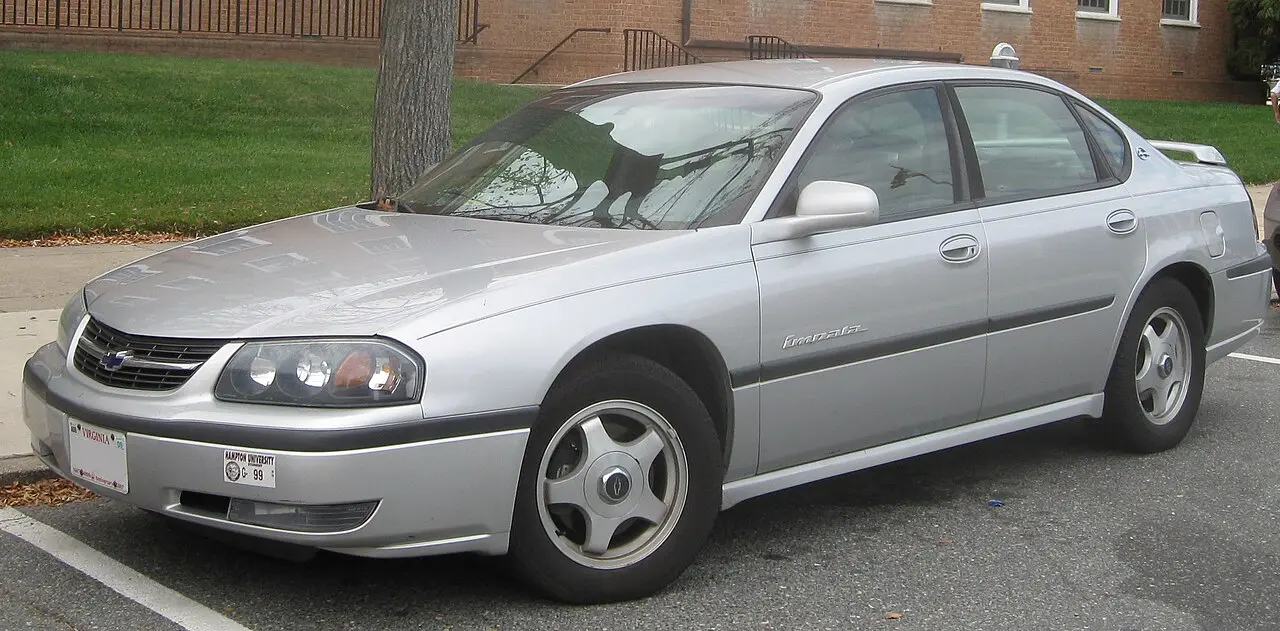
Impala eighth generation (2000–2005)

Chevrolet Impala eighth generation
Photo: IFCAR / Wikimedia Commons · Public domain

Model codes: W-body · References: cars.com, en.wikipedia.org

Show all 22 versions

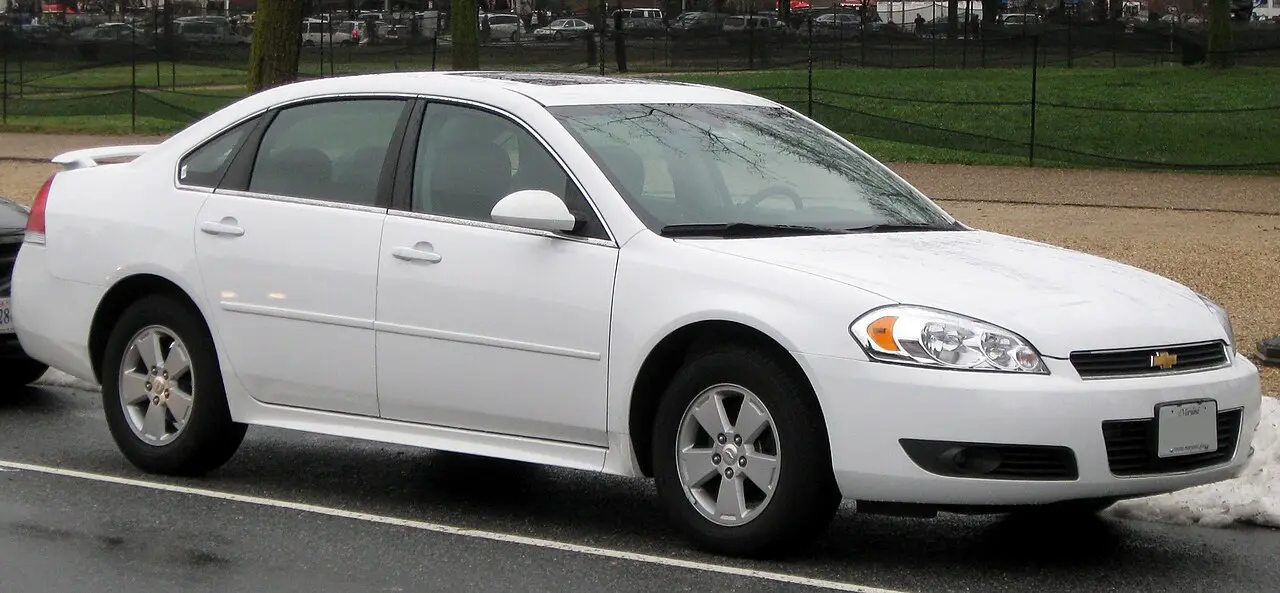
Impala ninth generation (2006–2013)

Chevrolet Impala ninth generation
Photo: IFCAR / Wikimedia Commons · Public domain

Model codes: W-body · References: cars.com, chevrolet.com

Show all 34 versions

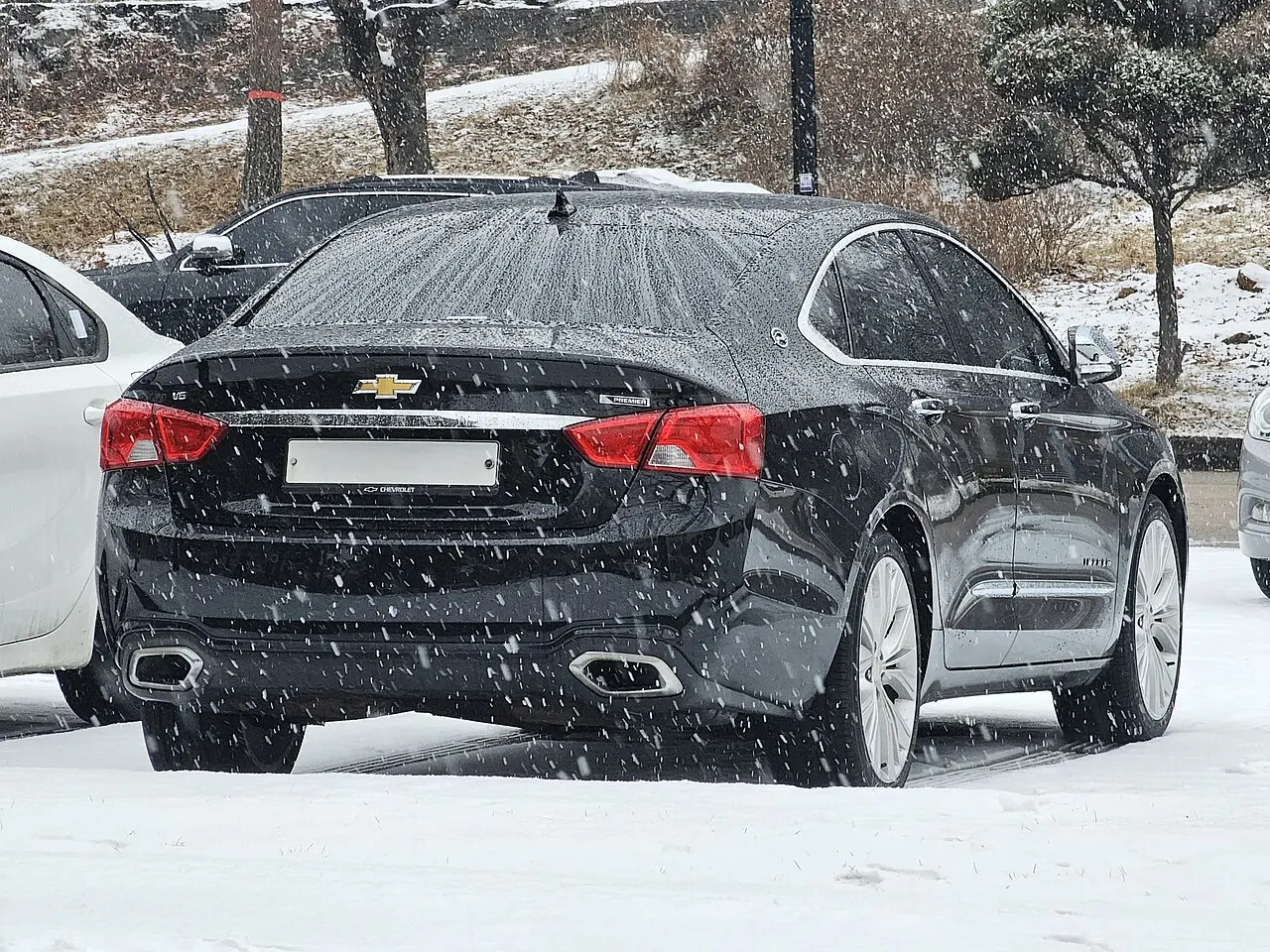
Impala tenth generation (2014–2020)

Chevrolet Impala tenth generation
Photo: Damian B Oh / Wikimedia Commons · CC BY-SA 4.0

Model codes: Epsilon II · References: cars.com, en.wikipedia.org

United States 16 versions

Model years sold in the USA, from the EPA and the Department of Energy (fueleconomy.gov). MPG on the EPA test; litres per 100 km = 235.215 ÷ MPG.

Years and versionEngineFuelGearboxDriveConsumption (combined)CO₂
2019–2020SIDI3.6 LPetrol6-speed automaticFront-wheel drive22 MPG (10.7 L/100 km) EPA252 g/km
2020SIDI; FFV3.6 LFlex fuel (E85)6-speed automaticFront-wheel drive22 MPG (10.7 L/100 km) EPA255 g/km
2019SIDI2.5 LPetrol6-speed automaticFront-wheel drive25 MPG (9.4 L/100 km) EPA225 g/km
2018–2019SIDI; FFV3.6 LFlex fuel (E85)6-speed automaticFront-wheel drive22 MPG (10.7 L/100 km) EPA254 g/km
2017–2018SIDI2.5 LPetrol6-speed automaticFront-wheel drive25 MPG (9.4 L/100 km) EPA224 g/km
2018SIDI3.6 LPetrol6-speed automaticFront-wheel drive22 MPG (10.7 L/100 km) EPA251 g/km
2014–2017SIDI; FFV3.6 LFlex fuel (E85)6-speed automaticFront-wheel drive22 MPG (10.7 L/100 km) EPA249 g/km
2017SIDI3.6 LPetrol6-speed automaticFront-wheel drive22 MPG (10.7 L/100 km) EPA254 g/km
2016SIDI2.5 LPetrol6-speed automaticFront-wheel drive25 MPG (9.4 L/100 km) EPA220 g/km
2015–20163.6 LNatural gas6-speed automaticFront-wheel drive20 MPG (11.8 L/100 km) EPA272 g/km
2016SIDI3.6 LPetrol6-speed automaticFront-wheel drive21 MPG (11.2 L/100 km) EPA255 g/km
2015SIDI2.5 LPetrol6-speed automaticFront-wheel drive25 MPG (9.4 L/100 km) EPA221 g/km
2015SIDI3.6 LPetrol6-speed automaticFront-wheel drive21 MPG (11.2 L/100 km) EPA260 g/km
2014SIDI2.4 LHybrid6-speed automaticFront-wheel drive28 MPG (8.4 L/100 km) EPA194 g/km
2014SIDI2.5 LPetrol6-speed automaticFront-wheel drive24 MPG (9.8 L/100 km) EPA228 g/km
2014SIDI3.6 LPetrol6-speed automaticFront-wheel drive21 MPG (11.2 L/100 km) EPA259 g/km

Canada 20 versions

Model years sold in Canada, from Natural Resources Canada fuel consumption ratings (5-cycle test).

Years and versionEngineFuelGearboxConsumption (combined)CO₂
2020Full-size3.6 LPetrol6-speed automatic10.9 L/100 km 5-cycle255 g/km
2020Full-size3.6 LFlex fuel (E85)6-speed automatic14.7 L/100 km 5-cycle246 g/km
2019Full-size2.5 LPetrol6-speed automatic9.6 L/100 km 5-cycle225 g/km
2018–2019Full-size3.6 LPetrol6-speed automatic10.8 L/100 km 5-cycle254 g/km
2018–2019Full-size3.6 LFlex fuel (E85)6-speed automatic14.6 L/100 km 5-cycle245 g/km
2017–2018Full-size2.5 LPetrol6-speed automatic9.5 L/100 km 5-cycle224 g/km
2017Full-size3.6 LPetrol6-speed automatic10.6 L/100 km 5-cycle249 g/km
2017Full-size3.6 LFlex fuel (E85)6-speed automatic14.6 L/100 km 5-cycle240 g/km
2016Full-size2.5 LPetrol6-speed automatic9.2 L/100 km 5-cycle215 g/km
2016Full-size3.6 LPetrol6-speed automatic10.6 L/100 km 5-cycle248 g/km
2016Full-size3.6 LFlex fuel (E85)6-speed automatic14.5 L/100 km 5-cycle239 g/km
2016Mid-size3.6 LPetrol6-speed automatic11.9 L/100 km 5-cycle272 g/km
2016Mid-size3.6 LNatural gas6-speed automatic12.7 L/100 km 5-cycle213 g/km
2015Full-size2.5 LPetrol6-speed automatic9.2 L/100 km 5-cycle212 g/km
2015Full-size3.6 LPetrol6-speed automatic10.6 L/100 km 5-cycle244 g/km
2015Full-size3.6 LFlex fuel (E85)6-speed automatic14.5 L/100 km 5-cycle232 g/km
2014Full-size2.4 LPetrol6-speed automatic8.7 L/100 km 5-cycle200 g/km
2014Full-size2.5 LPetrol6-speed automatic9.6 L/100 km 5-cycle221 g/km
2014Full-size3.6 LPetrol6-speed automatic10.6 L/100 km 5-cycle244 g/km
2014Full-size3.6 LFlex fuel (E85)6-speed automatic14.3 L/100 km 5-cycle229 g/km

Official figures are measured on standard test procedures and differ between markets. Your consumption depends on how, where and in what conditions you drive.