BYD

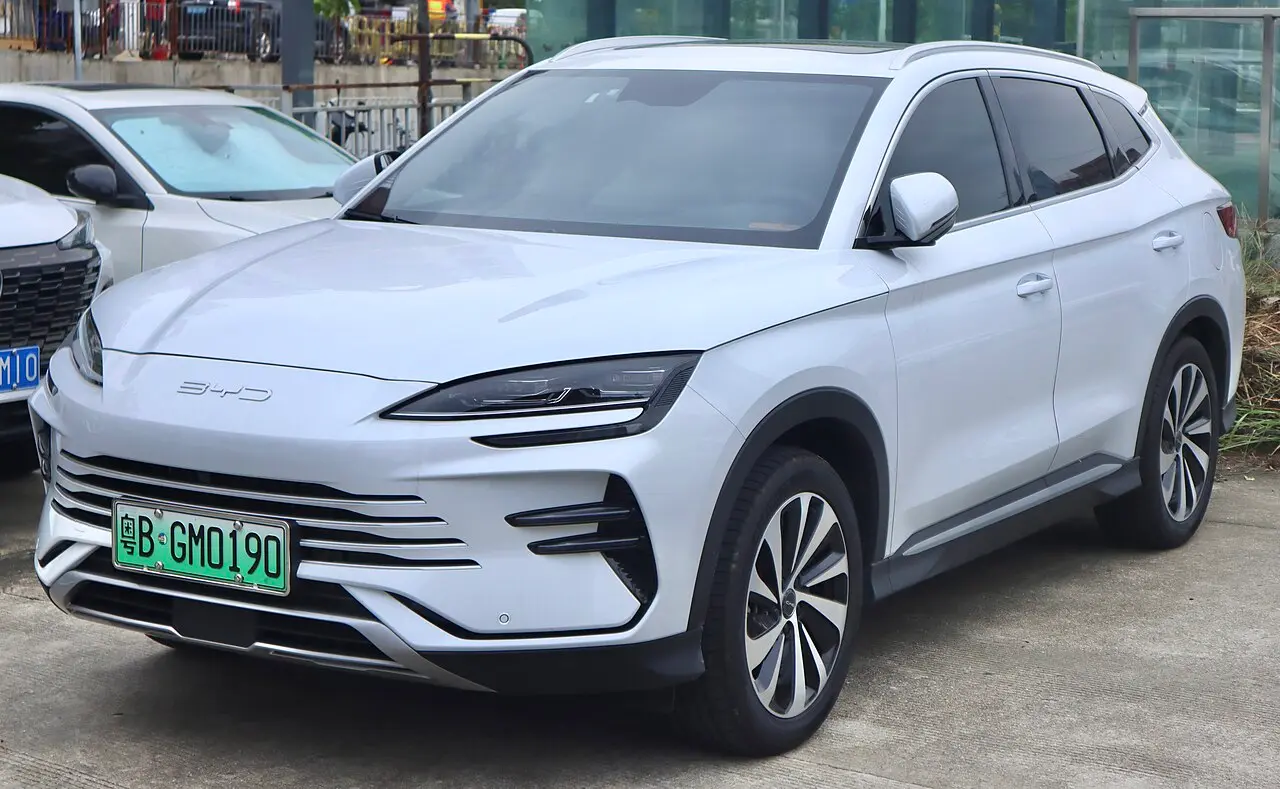
BYD Seal U

BYD Seal U
Photo: User3204 / Wikimedia Commons · CC BY-SA 4.0

The official data lists 20 versions of the BYD Seal U (2023–2025), in the European Union. Each market publishes its own figures, measured on its own test procedure.

At a glance

Years in the data
2023–2025
Markets
European Union
Engines
1.5 L to 1.5 L
Power
65 kW (88 PS) to 270 kW (367 PS)
Fuels
Plug-in hybrid, Electric, Hybrid, Petrol
Lowest consumption (European Union)
0.4 L/100 km (WLTP)
Plug-in hybrid, weighted (European Union)
0.6 L/100 km (WLTP)
New registrations in the EU
68,775

What is the BYD Seal U?

The Seal U is a family-oriented SUV in BYD’s Ocean series, with a roomy cabin and a practical shape for everyday travel. It sits alongside the Seal and Dolphin in BYD’s European range. The first generation, code CE, is listed in Europe from 2024 to today.

Engines and power

The European line-up includes plug-in hybrid and electric versions, as well as hybrid and petrol entries in the registration figures. The listed engine size is 1.5 litres, and power ranges from 65 kW (88 PS) to 270 kW (367 PS). The plug-in hybrid can use electric power for part of a journey; the electric version runs solely on battery power.

How economical is the BYD Seal U?

In official EU registration figures for 2023–2025, the lowest listed consumption is 0.4 L/100 km for petrol, diesel or hybrid versions under WLTP. The lowest plug-in hybrid figure is 0.6 L/100 km WLTP, a weighted result that assumes some driving is electric. The EU total is 68,775 registrations. The largest listed group is the 1.5-litre plug-in hybrid rated at 72 kW (98 PS), with 40,463 registrations in 2025.

Where was the Seal U sold?

The Seal U’s European story began with its arrival as a spacious family SUV in BYD’s Ocean series. The range includes both fully electric and plug-in hybrid versions, giving the model two ways to approach everyday driving.

Questions and answers

When did the first-generation Seal U arrive in Europe?

Its first generation, code CE, is listed from 2024 to today.

What power outputs are listed for the Seal U?

European versions span 65 kW (88 PS) to 270 kW (367 PS).

What is the lowest official plug-in hybrid consumption figure?

It is 0.6 L/100 km on WLTP, a weighted figure that assumes part of the driving is electric.

Seal U first generation (since 2024)

BYD Seal U first generation
Photo: User3204 / Wikimedia Commons · CC BY-SA 4.0

Model codes: CE · Sold in: European Union · References: media.byd.com, en.wikipedia.org

European Union 19 versions

New cars registered in the EU (plus Norway and Iceland), from the European Environment Agency. Figures on the NEDC procedure until 2020 and on WLTP from 2021; versions are grouped by engine and power, with their number of registrations.

Years and versionEnginePowerFuelConsumption (combined)CO₂Electric rangeEU registrations
20251.5 L72 kW (98 PS)Plug-in hybrid0.7 L/100 km WLTP17.8 kWh/100 km WLTP16 g/km94 km40,463
20251.5 L96 kW (131 PS)Plug-in hybrid1.2 L/100 km WLTP20.3 kWh/100 km WLTP26 g/km70 km7,695
2025Electric motor160 kW (218 PS)Electric22.2 kWh/100 km WLTP0 g/km461 km5,523
2024–2025Electric motor70 kW (95 PS)Electric20.5 kWh/100 km WLTP0 g/km500 km2,146
20251.5 L72 kW (98 PS)Hybrid0.4 L/100 km WLTP127 g/km–1,773
20251.5 L145 kW (197 PS)Plug-in hybrid0.6 L/100 km WLTP17.6 kWh/100 km WLTP14 g/km100 km481
2024–2025Electric motor65 kW (88 PS)Electric19.9 kWh/100 km WLTP0 g/km420 km286
20251.5 L–Hybrid5.8 L/100 km WLTP157 g/km–171
20251.5 L270 kW (367 PS)Plug-in hybrid1.0 L/100 km WLTP20.0 kWh/100 km WLTP25 g/km70 km104
20251.5 L150 kW (204 PS)Plug-in hybrid1.1 L/100 km WLTP20.6 kWh/100 km WLTP25 g/km70 km101
20251.5 L–Petrol5.8 L/100 km WLTP125 g/km–17
20251.5 L96 kW (131 PS)Plug-in hybrid1.8 L/100 km WLTP20.6 kWh/100 km WLTP40 g/km70 km17
2024Electric motor160 kW (218 PS)Electric20.0 kWh/100 km WLTP0 g/km479 km4,008
20241.5 L72 kW (98 PS)Plug-in hybrid1.7 L/100 km WLTP19.3 kWh/100 km WLTP21 g/km77 km3,908
20241.5 L96 kW (131 PS)Plug-in hybrid2.4 L/100 km WLTP21.5 kWh/100 km WLTP26 g/km70 km1,650
20241.5 L72 kW (98 PS)Petrol6.4 L/100 km WLTP147 g/km–140
20241.5 L145 kW (197 PS)Plug-in hybrid0.9 L/100 km WLTP18.8 kWh/100 km WLTP21 g/km77 km129
20241.5 L96 kW (131 PS)Hybrid5.9 L/100 km WLTP167 g/km–120
20241.5 L150 kW (204 PS)Plug-in hybrid1.2 L/100 km WLTP20.9 kWh/100 km WLTP26 g/km70 km32

Versions outside these generations

European Union 1 version

New cars registered in the EU (plus Norway and Iceland), from the European Environment Agency. Figures on the NEDC procedure until 2020 and on WLTP from 2021; versions are grouped by engine and power, with their number of registrations.

Years and versionEnginePowerFuelConsumption (combined)CO₂Electric rangeEU registrations
2023Electric motor160 kW (218 PS)Electric20.5 kWh/100 km WLTP0 g/km500 km11

Official figures are measured on standard test procedures and differ between markets. Your consumption depends on how, where and in what conditions you drive.