Audi

Audi Q2

Audi Q2
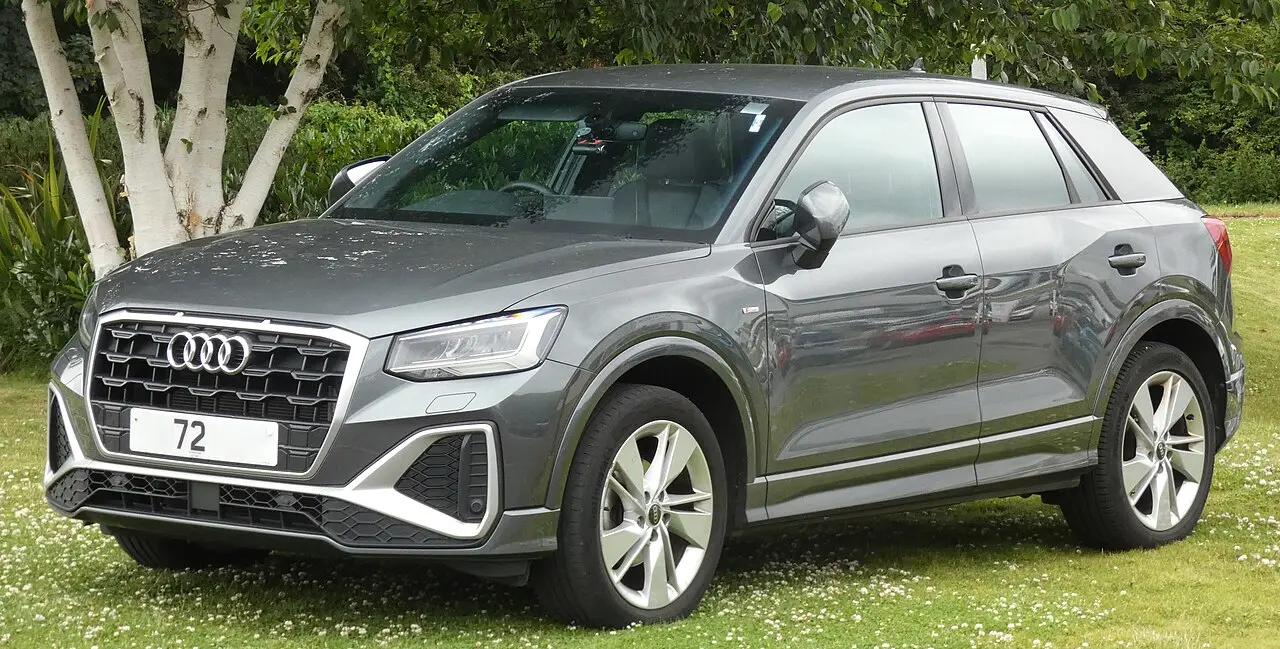
Photo: Harvey Bold / Wikimedia Commons · CC BY 4.0

The official data lists 119 versions of the Audi Q2 (2016–2026), in the European Union and the United Kingdom. Each market publishes its own figures, measured on its own test procedure.

At a glance

Years in the data
2016–2026
Markets
European Union, United Kingdom
Engines
1.0 L to 2.0 L
Power
81 kW (110 PS) to 221 kW (300 PS)
Fuels
Petrol, Diesel, Electric
Lowest consumption (United Kingdom)
4.1 L/100 km (NEDC)
Lowest consumption (European Union)
4.4 L/100 km (WLTP)
New registrations in the EU
827,187

What is the Audi Q2?

The Q2 is Audi’s compact SUV, with a raised driving position and a footprint suited to city streets and everyday trips. It sits at the compact end of Audi’s Q range, offering an SUV-style shape in a smaller format.

Audi introduced the Q2 in 2016 as a compact addition to its SUV range. Its generation code is GA, covering 2016–2026. A later update refreshed the exterior, and Audi updated the infotainment system and digital cockpit in 2024.

Engines and power

In the EU, the Q2 range spans 1.0-litre to 2.0-litre engines and 81 kW (110 PS) to 221 kW (300 PS). The UK range also runs from 1.0-litre to 2.0-litre engines, with outputs from 85 kW (116 PS) to 221 kW (300 PS). UK figures list petrol and diesel; EU figures also include electric and other fuel categories.

The engine and fuel choices vary between markets and years. The most powerful listed output is 221 kW (300 PS) in both the EU and UK figures.

How economical is the Audi Q2?

The lowest EU figure for petrol, diesel and hybrid versions is 4.4 L/100 km on the WLTP test. In the UK, the lowest figure for those fuel categories is 4.1 L/100 km on NEDC. WLTP and NEDC are different European test procedures, so these figures are not directly comparable.

EU registration figures span 2016–2025 and total 827,187. UK figures cover 2017–2026.

Where was the Audi Q2 sold?

Official figures cover the European Union and the UK. In EU registrations, the 1.4-litre petrol producing 110 kW (150 PS) was among the most registered configurations in 2018. The 1.6-litre diesel at 85 kW (116 PS) also featured among the leading configurations in 2017 and 2018.

Questions and answers

When did the Audi Q2 first appear?

The Q2 generation began in 2016.

What is the most powerful listed Q2 output?

It is 221 kW (300 PS) in both the EU and UK figures.

What is the lowest listed Q2 consumption?

It is 4.4 L/100 km WLTP in the EU and 4.1 L/100 km NEDC in the UK.

Where was the Audi Q2 sold?

Official figures cover the EU and the UK.

Q2 Q2 (2016–2026)

Audi Q2 Q2
Photo: Harvey Bold / Wikimedia Commons · CC BY 4.0

Model codes: GA · References: audi.com

European Union 92 versions

New cars registered in the EU (plus Norway and Iceland), from the European Environment Agency. Figures on the NEDC procedure until 2020 and on WLTP from 2021; versions are grouped by engine and power, with their number of registrations.

Years and versionEnginePowerFuelConsumption (combined)CO₂EU registrations
20251.5 L110 kW (150 PS)Petrol6.1 L/100 km WLTP139 g/km19,225
20252.0 L110 kW (150 PS)Diesel5.4 L/100 km WLTP142 g/km5,183
20251.0 L85 kW (116 PS)Petrol5.9 L/100 km WLTP135 g/km4,802
20252.0 L85 kW (116 PS)Diesel4.9 L/100 km WLTP130 g/km2,160
20252.0 L140 kW (190 PS)Petrol7.4 L/100 km WLTP169 g/km1,324
20252.0 L221 kW (300 PS)Petrol8.3 L/100 km WLTP189 g/km429
20251.0 L81 kW (110 PS)Petrol5.9 L/100 km WLTP135 g/km14
20251.0 L110 kW (150 PS)Petrol5.4 L/100 km WLTP134 g/km11
20241.5 L110 kW (150 PS)Petrol6.2 L/100 km WLTP140 g/km23,540
2023–20241.0 L81 kW (110 PS)Petrol5.9 L/100 km WLTP134 g/km9,173
20242.0 L85 kW (116 PS)Diesel4.9 L/100 km WLTP128 g/km5,512
20242.0 L110 kW (150 PS)Diesel5.4 L/100 km WLTP142 g/km5,189
20241.0 L85 kW (116 PS)Petrol5.8 L/100 km WLTP133 g/km3,565
20242.0 L140 kW (190 PS)Petrol7.6 L/100 km WLTP172 g/km1,715
20242.0 L221 kW (300 PS)Petrol8.4 L/100 km WLTP192 g/km474
20231.5 L110 kW (150 PS)Petrol6.2 L/100 km WLTP141 g/km23,736
20232.0 L85 kW (116 PS)Diesel4.8 L/100 km WLTP128 g/km9,614
20232.0 L110 kW (150 PS)Diesel5.2 L/100 km WLTP138 g/km5,376
20232.0 L140 kW (190 PS)Petrol7.5 L/100 km WLTP172 g/km1,539
20232.0 L221 kW (300 PS)Petrol8.4 L/100 km WLTP190 g/km566
20231.4 L110 kW (150 PS)Petrol––201
20231.5 L110 kW (150 PS)Petrol–165 g/km15
20221.5 L110 kW (150 PS)Petrol6.0 L/100 km WLTP141 g/km14,761
20222.0 L85 kW (116 PS)Diesel4.4 L/100 km WLTP128 g/km8,038
20221.0 L81 kW (110 PS)Petrol5.6 L/100 km WLTP133 g/km5,452
20222.0 L110 kW (150 PS)Diesel5.0 L/100 km WLTP138 g/km4,690
20222.0 L140 kW (190 PS)Petrol7.3 L/100 km WLTP171 g/km836
20222.0 L221 kW (300 PS)Petrol8.3 L/100 km WLTP190 g/km538
20221.5 L206 kW (280 PS)Petrol–139 g/km31
20211.5 L110 kW (150 PS)Petrol6.0 L/100 km WLTP141 g/km44,602
20211.0 L81 kW (110 PS)Petrol5.7 L/100 km WLTP134 g/km11,906
20212.0 L85 kW (116 PS)Diesel4.5 L/100 km WLTP128 g/km11,488
20212.0 L110 kW (150 PS)Diesel5.2 L/100 km WLTP144 g/km6,590
20212.0 L221 kW (300 PS)Petrol8.2 L/100 km WLTP191 g/km808
20211.6 L85 kW (116 PS)Diesel5.7 L/100 km WLTP156 g/km502
20212.0 L140 kW (190 PS)Petrol7.5 L/100 km WLTP172 g/km376
20211.0 L85 kW (116 PS)Petrol5.7 L/100 km WLTP137 g/km372
20211.5 L110 kW (150 PS)Petrol––28
20211.4 L110 kW (150 PS)Petrol––12
20211.5 L125 kW (170 PS)Petrol6.1 L/100 km WLTP139 g/km10
20201.5 L110 kW (150 PS)Petrol–139 g/km45,650
20201.6 L85 kW (116 PS)Diesel–130 g/km31,220
20201.0 L85 kW (116 PS)Petrol–119 g/km23,098
20202.0 L110 kW (150 PS)Diesel–127 g/km8,894
20202.0 L140 kW (190 PS)Petrol–171 g/km3,635
20202.0 L221 kW (300 PS)Petrol–161 g/km1,015
20202.0 L228 kW (310 PS)Petrol–246 g/km44
20201.0 L81 kW (110 PS)Petrol–140 g/km24
20201.5 L110 kW (150 PS)Diesel–123 g/km15
20202.0 L85 kW (116 PS)Diesel–143 g/km14
2020Electric motor100 kW (136 PS)Electric–0 g/km12
20201.4 L110 kW (150 PS)Petrol–186 g/km12
20202.0 L140 kW (190 PS)Diesel–149 g/km11
20191.5 L110 kW (150 PS)Petrol24.4 kWh/100 km NEDC140 g/km47,312
20191.6 L85 kW (116 PS)Diesel24.3 kWh/100 km NEDC121 g/km45,880
20191.0 L85 kW (116 PS)Petrol24.2 kWh/100 km NEDC119 g/km37,972
20192.0 L140 kW (190 PS)Petrol24.4 kWh/100 km NEDC165 g/km10,390
20192.0 L110 kW (150 PS)Diesel24.4 kWh/100 km NEDC130 g/km7,012
20192.0 L221 kW (300 PS)Petrol24.6 kWh/100 km NEDC162 g/km2,950
20191.4 L110 kW (150 PS)Petrol–127 g/km394
2019Electric motor100 kW (136 PS)Electric–0 g/km28
20192.0 L140 kW (190 PS)Diesel–134 g/km20
20191.6 L110 kW (150 PS)Diesel–121 g/km12
20191.5 L85 kW (116 PS)Petrol–123 g/km10
20181.4 L110 kW (150 PS)Petrol–123 g/km50,636
20181.6 L85 kW (116 PS)Diesel–115 g/km47,938
20181.0 L85 kW (116 PS)Petrol–119 g/km35,262
20182.0 L110 kW (150 PS)Diesel–128 g/km7,902
20182.0 L140 kW (190 PS)Petrol–144 g/km7,556
20181.5 L110 kW (150 PS)Petrol–125 g/km2,858
20182.0 L140 kW (190 PS)Diesel–132 g/km2,012
20171.6 L85 kW (116 PS)Diesel–114 g/km48,340
20171.4 L110 kW (150 PS)Other fuel–123 g/km46,256
20171.4 L165 kW (224 PS)Petrol–121 g/km22,486
20171.0 L85 kW (116 PS)Petrol–118 g/km19,742
20172.0 L110 kW (150 PS)Other fuel–128 g/km9,424
20172.0 L140 kW (190 PS)Diesel–132 g/km8,970
20172.0 L140 kW (190 PS)Petrol–144 g/km2,010
20172.0 L210 kW (286 PS)Diesel–133 g/km162
20171.0 L128 kW (174 PS)Petrol–117 g/km142
20171.6 L128 kW (174 PS)Diesel–113 g/km102
20172.0 L165 kW (224 PS)Diesel–126 g/km84
20171.4 L110 kW (150 PS)Petrol–120 g/km82
20172.0 L110 kW (150 PS)Diesel–127 g/km56
20172.0 L210 kW (286 PS)Petrol–140 g/km12
20161.6 L85 kW (116 PS)Diesel–125 g/km7,176
20161.4 L110 kW (150 PS)Petrol–136 g/km6,520
20162.0 L140 kW (190 PS)Diesel–134 g/km1,288
20162.0 L110 kW (150 PS)Diesel–134 g/km102
20161.0 L85 kW (116 PS)Petrol–164 g/km20
20162.0 L140 kW (190 PS)Petrol–209 g/km12
20162.0 L110 kW (150 PS)Diesel–176 g/km10

United Kingdom 27 versions

New cars on sale in the UK, from the Vehicle Certification Agency. NEDC figures until 2018 and WLTP figures after; years are the editions a version appeared in.

Years and versionEnginePowerFuelGearboxConsumption (combined)CO₂
2025–202630 TFSI 116PS1.0 L85 kW (116 PS)Petrol6-speed manual5.9 L/100 km WLTP135 g/km
2025–202630 TFSI 116PS1.0 L85 kW (116 PS)Petrol6-speed manual6.5 L/100 km WLTP148 g/km
2025–202635 TFSI 150PS1.5 L110 kW (150 PS)Petrol6-speed manual5.8 L/100 km WLTP132 g/km
2025–202635 TFSI 150PS1.5 L110 kW (150 PS)Petrol6-speed manual6.3 L/100 km WLTP144 g/km
2025–202635 TFSI 150PS1.5 L110 kW (150 PS)Petrol7-speed automatic5.9 L/100 km WLTP134 g/km
2025–202635 TFSI 150PS1.5 L110 kW (150 PS)Petrol7-speed automatic6.4 L/100 km WLTP145 g/km
2025–2026SQ2 TFSI quattro 300PS2.0 L221 kW (300 PS)Petrol7-speed automatic8.2 L/100 km WLTP186 g/km
2025–2026SQ2 TFSI quattro 300PS2.0 L221 kW (300 PS)Petrol7-speed automatic8.3 L/100 km WLTP189 g/km
2017–20181.0 TFSI 116PS 16'' & 17'' wheels1.0 L85 kW (116 PS)Petrol6-speed manual5.1 L/100 km NEDC117 g/km
2017–20181.0 TFSI 116PS 18'' wheels1.0 L85 kW (116 PS)Petrol6-speed manual5.3 L/100 km NEDC121 g/km
2017–20181.4 TFSI 150PS 16'' & 17'' wheels1.4 L110 kW (150 PS)Petrol6-speed manual5.5 L/100 km NEDC124 g/km
2017–20181.4 TFSI 150PS 18'' wheels1.4 L110 kW (150 PS)Petrol6-speed manual5.7 L/100 km NEDC128 g/km
2017–20181.4 TFSI 150PS 19'' & 18'' (40N) wheels1.4 L110 kW (150 PS)Petrol6-speed manual5.8 L/100 km NEDC130 g/km
2017–20181.4 TFSI 150PS 7speed S-tronic 16'' & 17'' wheels1.4 L110 kW (150 PS)Petrol7-speed automatic5.2 L/100 km NEDC119 g/km
2017–20181.4 TFSI 150PS 7speed S-tronic 18'' wheels1.4 L110 kW (150 PS)Petrol7-speed automatic5.4 L/100 km NEDC123 g/km
2017–20181.4 TFSI 150PS 7speed S-tronic 19'' & 18'' (40N) wheels1.4 L110 kW (150 PS)Petrol7-speed automatic5.5 L/100 km NEDC125 g/km
2017–20181.6 TDI 116PS 7speed S-tronic 16'' & 17'' wheels1.6 L85 kW (116 PS)Diesel7-speed automatic4.1 L/100 km NEDC109 g/km
2017–20181.6 TDI 116PS 16'' & 17'' wheels1.6 L85 kW (116 PS)Diesel6-speed manual4.4 L/100 km NEDC114 g/km
2017–20181.6 TDI 116PS 18'' wheels1.6 L85 kW (116 PS)Diesel6-speed manual4.6 L/100 km NEDC118 g/km
2017–20181.6 TDI 116PS 19'' & 18'' (40N) wheels1.6 L85 kW (116 PS)Diesel6-speed manual4.6 L/100 km NEDC120 g/km
2017–20181.6 TDI 116PS 7speed S-tronic 18'' wheels1.6 L85 kW (116 PS)Diesel7-speed automatic4.3 L/100 km NEDC113 g/km
2017–20181.6 TDI 116PS 7speed S-tronic 19'' & 18'' (40N) wheels1.6 L85 kW (116 PS)Diesel7-speed automatic4.3 L/100 km NEDC114 g/km
2017–20182.0 TDI quattro 150PS 7speed S-tronic 17'' wheels2.0 L110 kW (150 PS)Diesel–4.8 L/100 km NEDC125 g/km
2017–20182.0 TDI quattro 150PS 7speed S-tronic 18'' wheels2.0 L110 kW (150 PS)Diesel–4.9 L/100 km NEDC129 g/km
2017–20182.0 TDI quattro 150PS 7speed S-tronic 19'' & 18'' (40N) wheels2.0 L110 kW (150 PS)Diesel–5.0 L/100 km NEDC131 g/km
20182.0 TFSI quattro 190PS 7speed S-tronic 18'' wheels2.0 L140 kW (190 PS)Petrol–6.3 L/100 km NEDC144 g/km
20182.0 TFSI quattro 190PS 7speed S-tronic 19'' & 18'' (40N) wheels2.0 L140 kW (190 PS)Petrol–6.4 L/100 km NEDC146 g/km

Official figures are measured on standard test procedures and differ between markets. Your consumption depends on how, where and in what conditions you drive.