Acura

Acura Integra

Acura Integra
Photo: Kevauto / Wikimedia Commons · CC BY-SA 4.0

The official data lists 42 versions of the Acura Integra (1986–2026), in the United States and Canada. Each market publishes its own figures, measured on its own test procedure.

At a glance

Years in the data
1986–2026
Markets
United States, Canada
Engines
1.5 L to 2.0 L
Fuels
Petrol
Lowest consumption (United States)
7.1 L/100 km (EPA)
Lowest consumption (Canada)
7.2 L/100 km (5-cycle)

What is the Acura Integra?

The Integra is Acura’s compact sport car, with a five-door liftback body that pairs a coupe-like profile with a practical rear hatch. That shape gives it a more flexible cargo opening than a conventional sedan, while keeping the car’s low, personal feel.

Acura is Honda’s premium brand. The Integra helped launch the brand in North America, and its return brought a compact car back to the entry point of Acura’s range.

Integra generations

The first generation ran from 1986 to 1989, followed by the second from 1990 to 1993 and the third from 1994 to 2001. The current fifth generation arrived in 2023. Its liftback body echoes the original Integra’s blend of compact proportions and everyday usefulness.

Engines, power and fuel consumption

The US and Canadian lineups span petrol engines from 1.5 L to 2.0 L. In the United States, the best combined EPA rating is 33 MPG, and the lowest listed consumption is 7.1 L/100 km. Canada’s lowest listed figure is 7.2 L/100 km on the NRCan 5-cycle test. These results use different procedures, so each is best understood in its own market.

The Integra is listed in the United States from 1986 through 2026 and in Canada from 1995 through 2026. European figures use WLTP or, for some older cars, NEDC; US figures use EPA testing and Canadian figures use the 5-cycle procedure.

Questions and answers

Is the Integra a sedan or a hatchback?

The current Integra is a five-door liftback, with a rear hatch and a coupe-like profile.

What engine sizes are listed for the Integra?

The US and Canadian lineups span petrol engines from 1.5 L to 2.0 L.

What is the Integra’s best combined EPA rating?

The best listed US combined rating is 33 MPG.
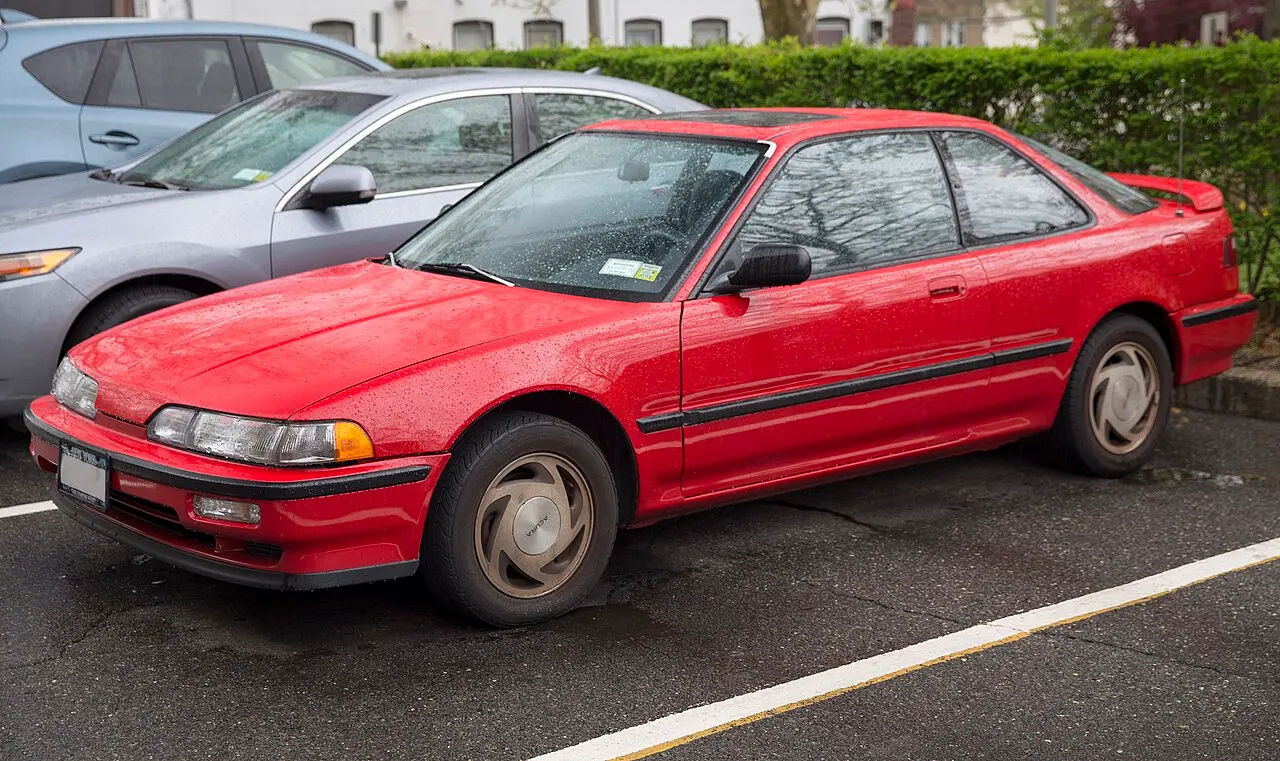
Integra first generation (1986–1989)

Acura Integra first generation
Photo: Mr.choppers / Wikimedia Commons · CC BY-SA 3.0

Model codes: DA1, DA3, DA4 · References: iseecars.com, rp.honda.mx

Show all 3 versions

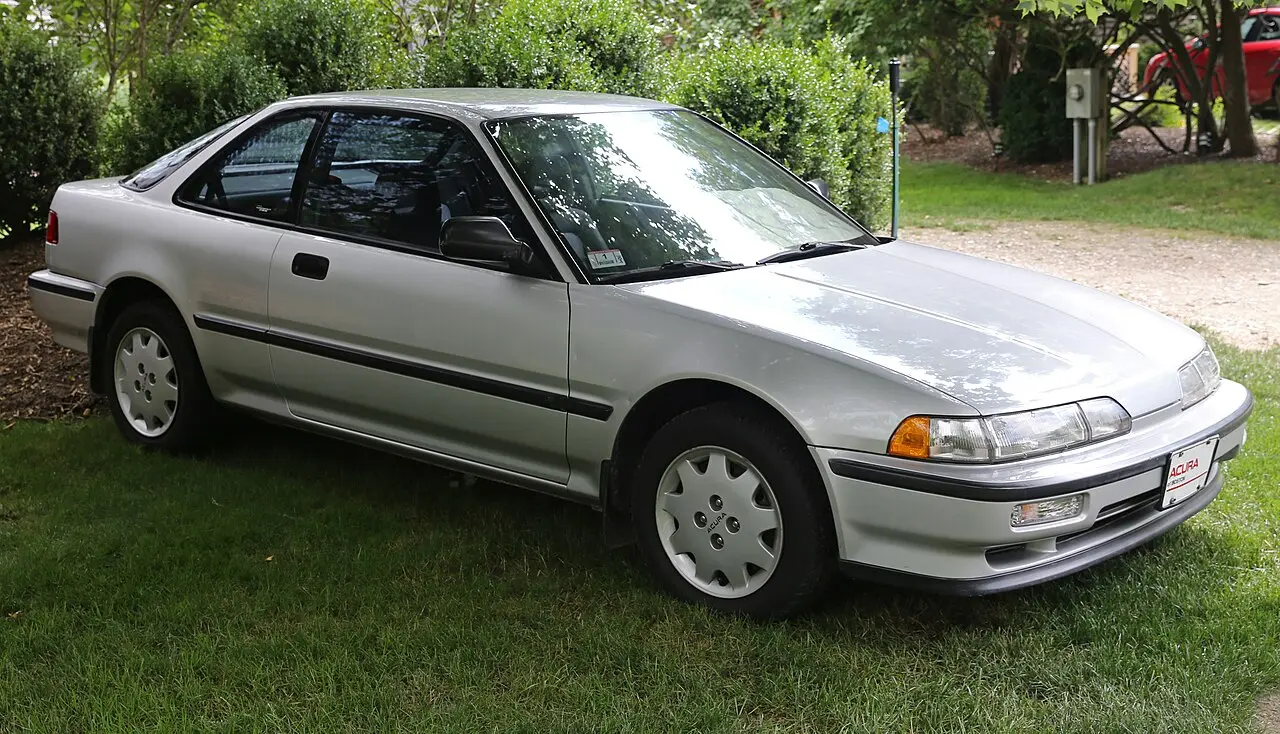
Integra second generation (1990–1993)

Acura Integra second generation
Photo: Mr.choppers / Wikimedia Commons · CC BY-SA 3.0

Model codes: DA5, DA6, DA7, DA8, DA9, DB1, DB2 · References: iseecars.com, de.wikipedia.org

Show all 6 versions

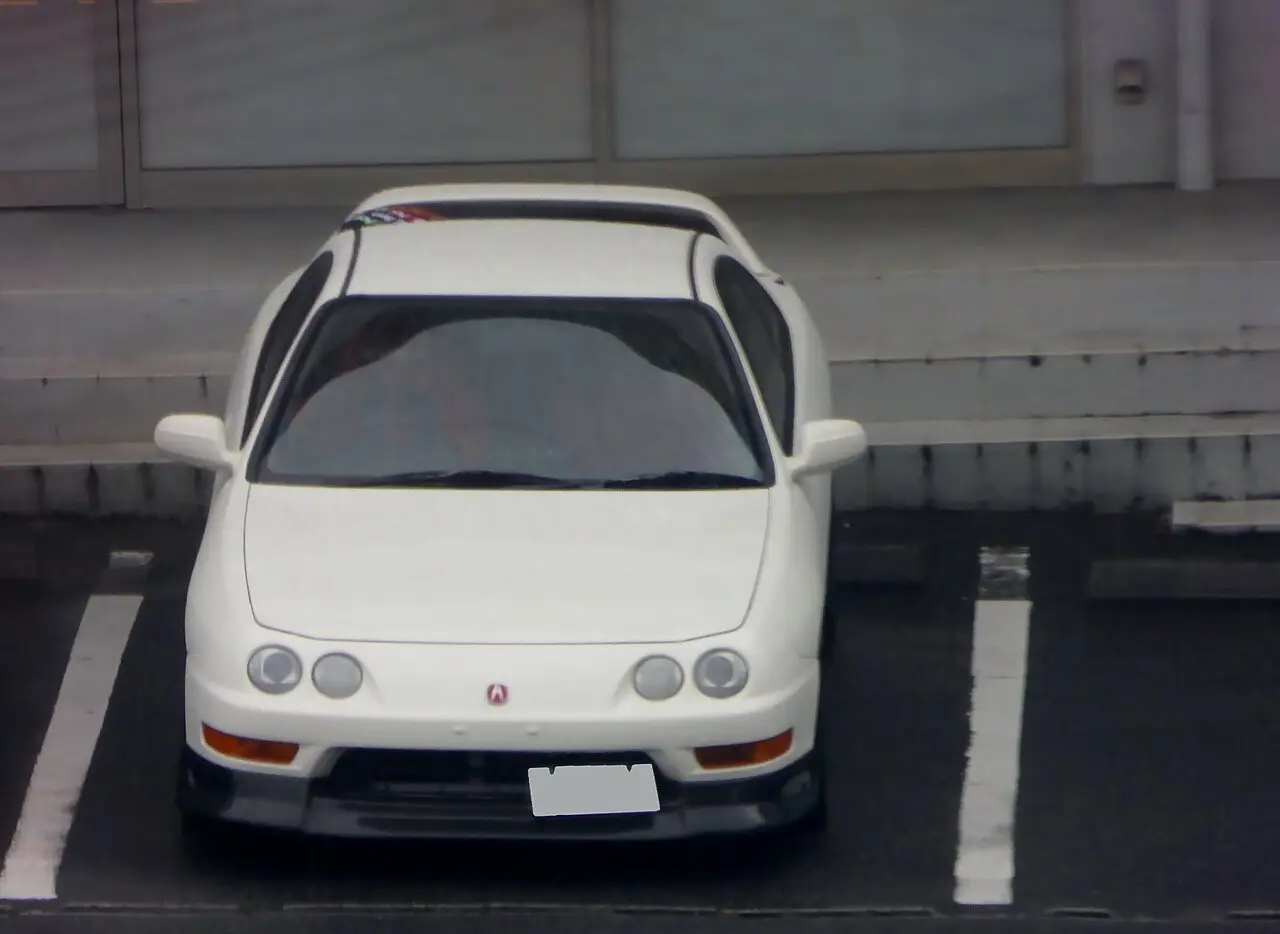
Integra third generation (1994–2001)

Acura Integra third generation
Photo: Tokumeigakarinoaoshima / Wikimedia Commons · CC0

Model codes: DB6, DB7, DB8, DB9, DC1, DC2, DC4 · References: iseecars.com, de.wikipedia.org

Show all 22 versions

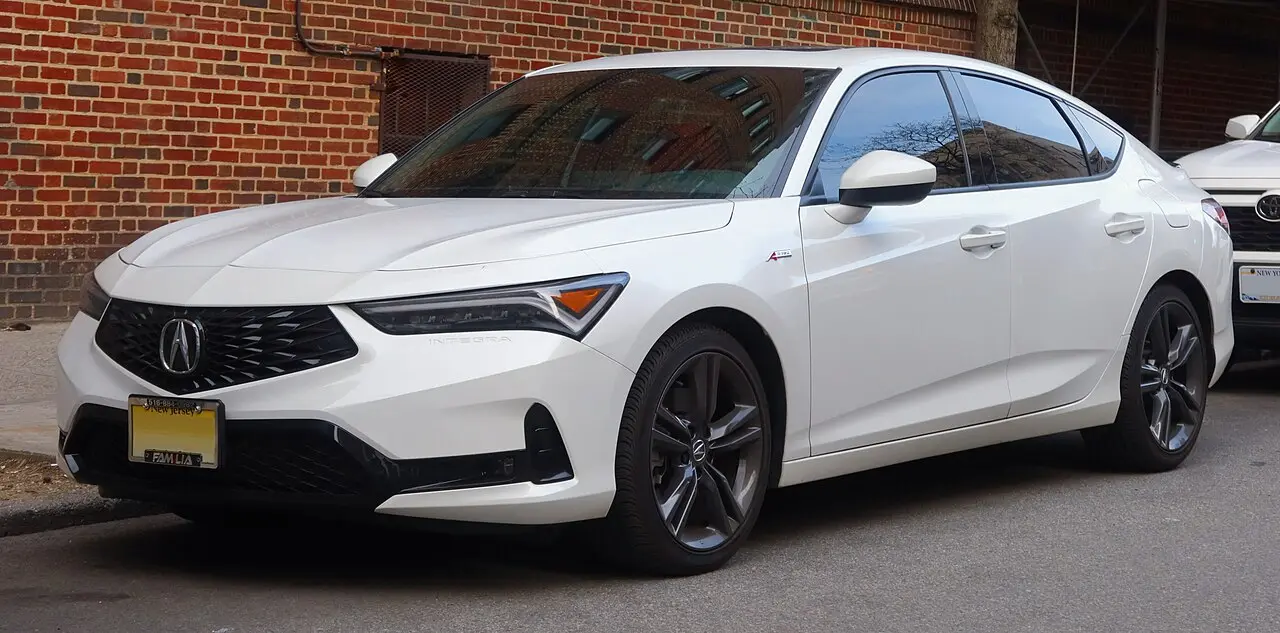
Integra fifth generation (since 2023)

Acura Integra fifth generation
Photo: Kevauto / Wikimedia Commons · CC BY-SA 4.0

Model codes: DE4, DE5 · References: honda.com, en.wikipedia.org

United States 6 versions

Model years sold in the USA, from the EPA and the Department of Energy (fueleconomy.gov). MPG on the EPA test; litres per 100 km = 235.215 ÷ MPG.

Years and versionEngineFuelGearboxDriveConsumption (combined)CO₂
2023–2026SIDI1.5 LPetrol6-speed manualFront-wheel drive30 MPG (7.8 L/100 km) EPA182 g/km
2026SIDI1.5 LPetrolContinuously variable (CVT)Front-wheel drive32 MPG (7.4 L/100 km) EPA173 g/km
2026SIDI1.5 LPetrolContinuously variable (CVT)Front-wheel drive32 MPG (7.4 L/100 km) EPA172 g/km
2024–2026SIDI2.0 LPetrol6-speed manualFront-wheel drive24 MPG (9.8 L/100 km) EPA231 g/km
2023–2025SIDI1.5 LPetrolContinuously variable (CVT)Front-wheel drive33 MPG (7.1 L/100 km) EPA167 g/km
2023–2025SIDI1.5 LPetrolContinuously variable (CVT)Front-wheel drive32 MPG (7.4 L/100 km) EPA172 g/km

Canada 5 versions

Model years sold in Canada, from Natural Resources Canada fuel consumption ratings (5-cycle test).

Years and versionEngineFuelGearboxConsumption (combined)CO₂
2023–2026Full-size1.5 LPetrol6-speed manual7.8 L/100 km 5-cycle181 g/km
2026Full-size1.5 LPetrolContinuously variable (CVT)7.3 L/100 km 5-cycle171 g/km
2024–2026Full-size2.0 LPetrol6-speed manual9.9 L/100 km 5-cycle230 g/km
2023–2025Full-size1.5 LPetrolContinuously variable (CVT)7.4 L/100 km 5-cycle172 g/km
2023Full-size1.5 LPetrolContinuously variable (CVT)7.2 L/100 km 5-cycle167 g/km

Official figures are measured on standard test procedures and differ between markets. Your consumption depends on how, where and in what conditions you drive.