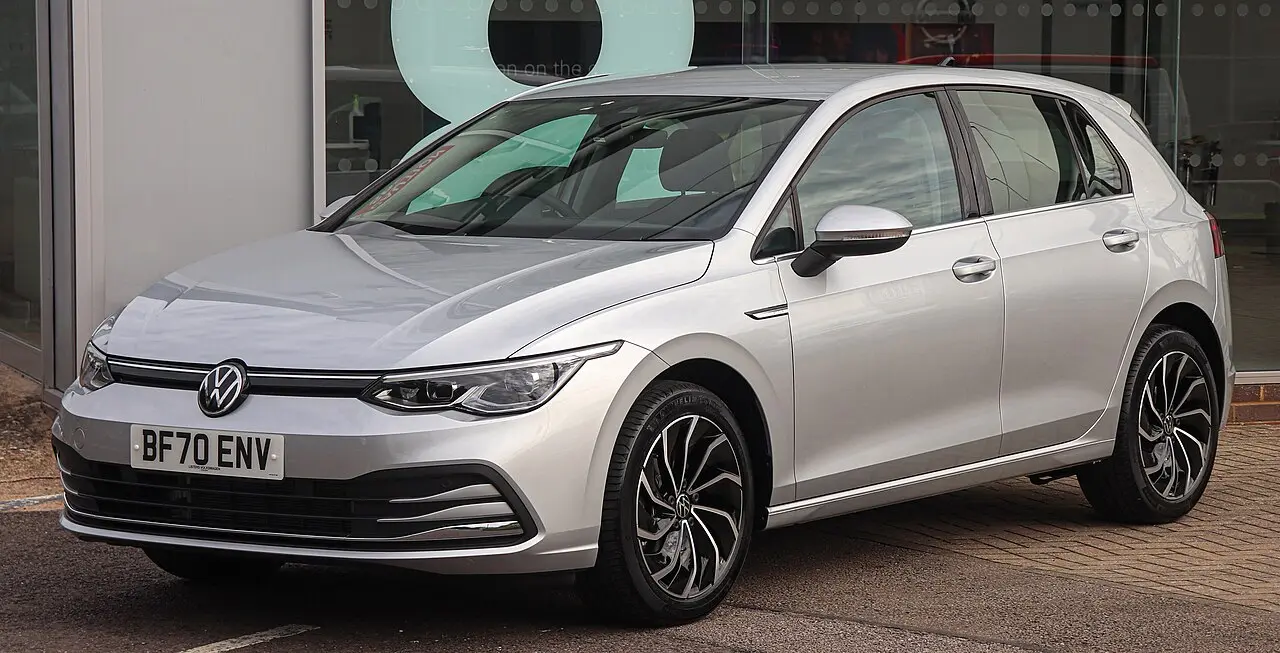
What is the Volkswagen Golf?
The Golf is a compact hatchback at the centre of Volkswagen’s range. Its rear hatch and folding rear seat give it a practical layout for everyday journeys, and over the years the name has also appeared on sportier models and other body styles.
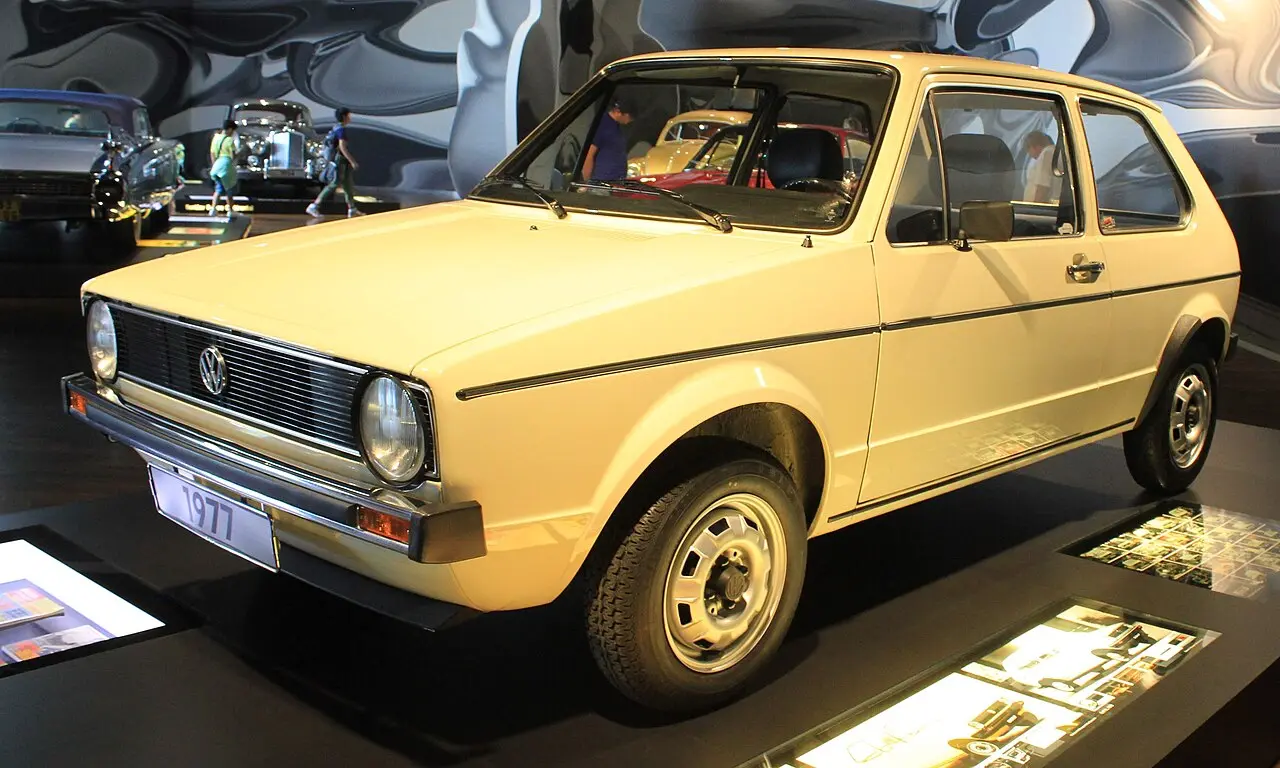
Volkswagen introduced the Golf in 1974 as the Beetle’s successor, with a front-mounted engine and front-wheel drive. Its clean, angular design and hatchback layout marked a change in direction for the brand. The generations covered here run from Golf I (1975–1984) to Golf VIII (2019–today).
Golf generations
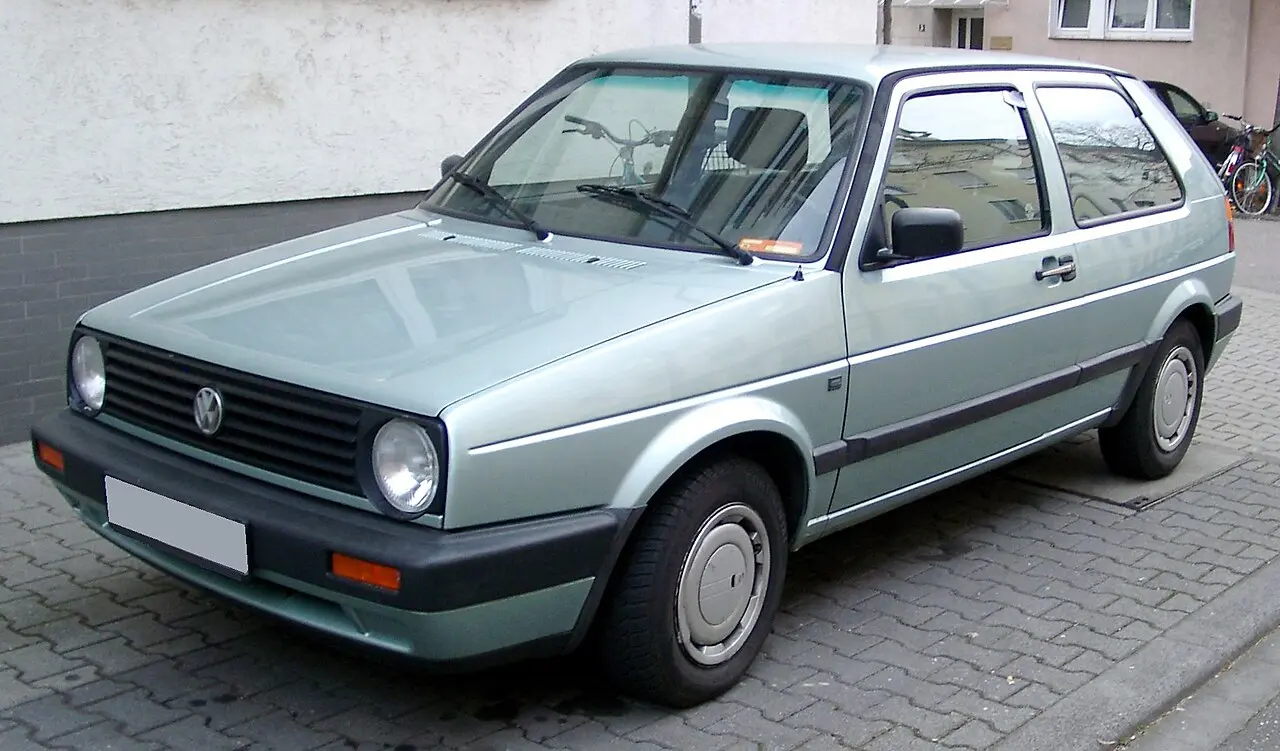
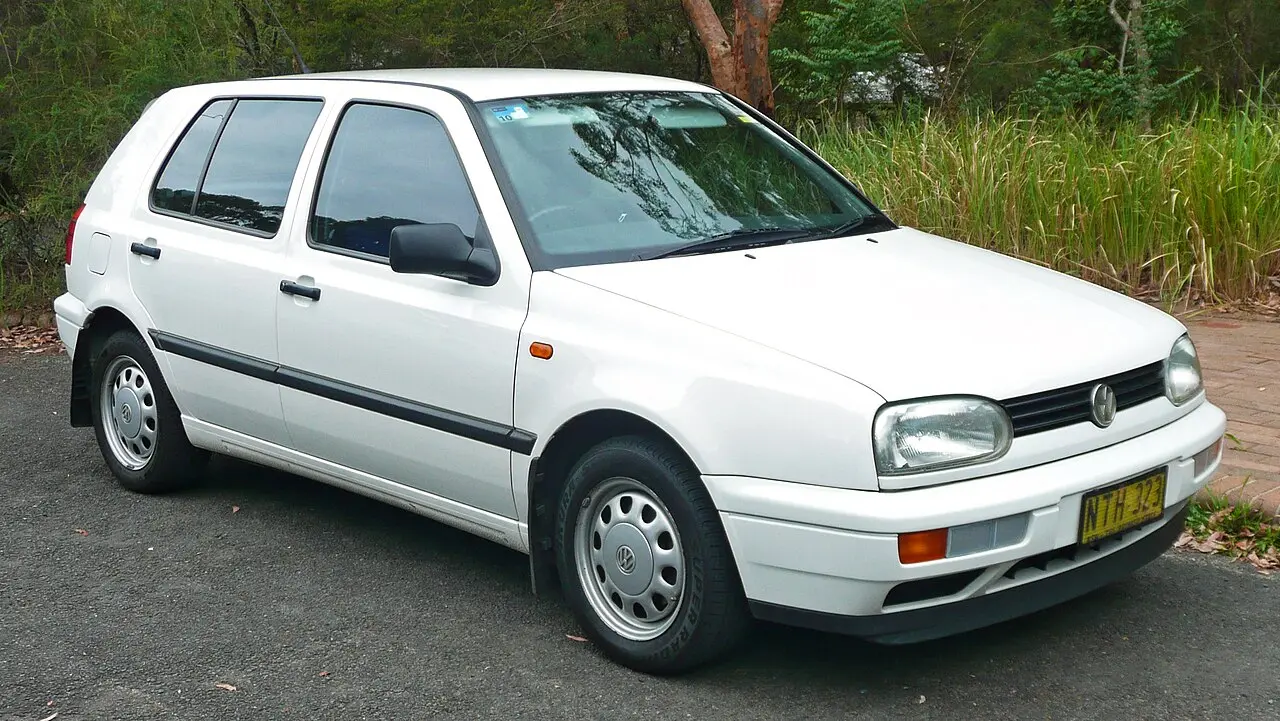
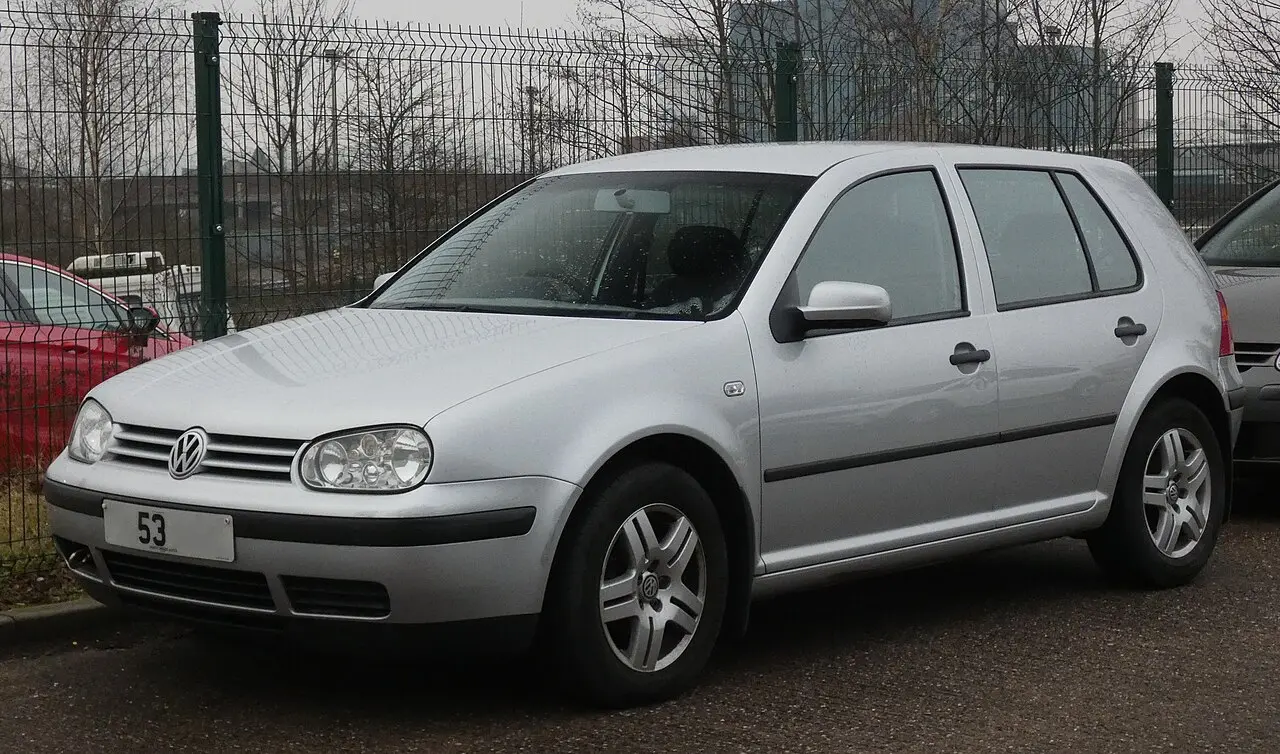
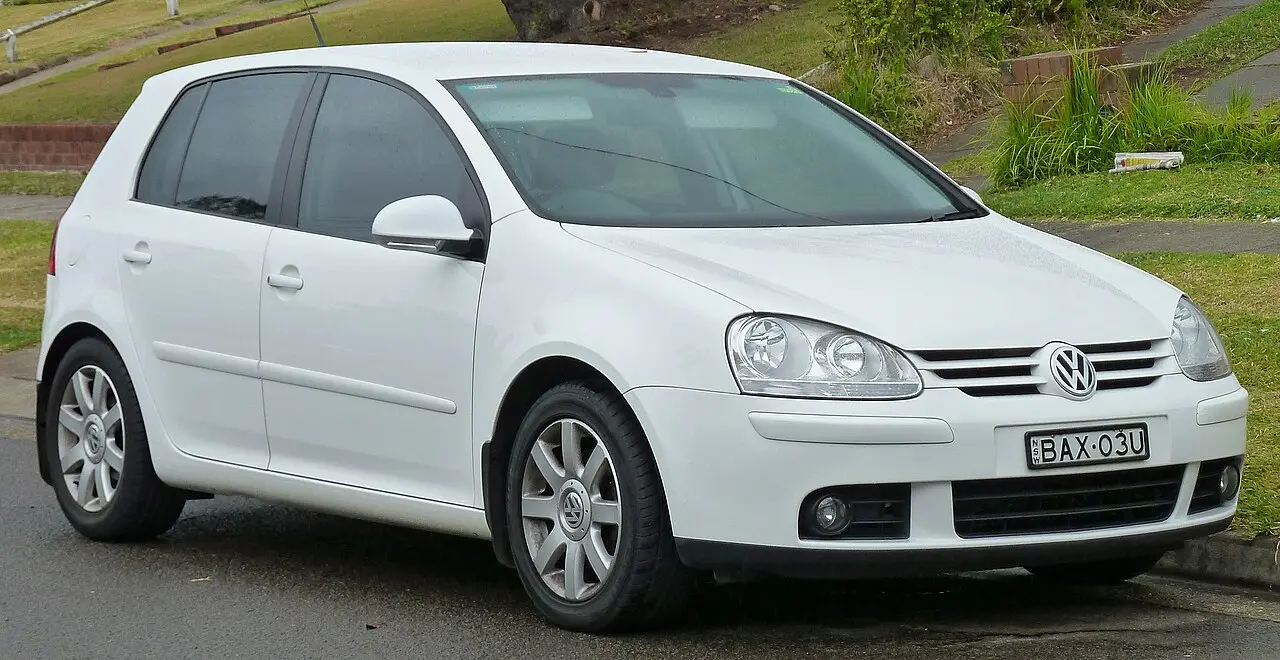
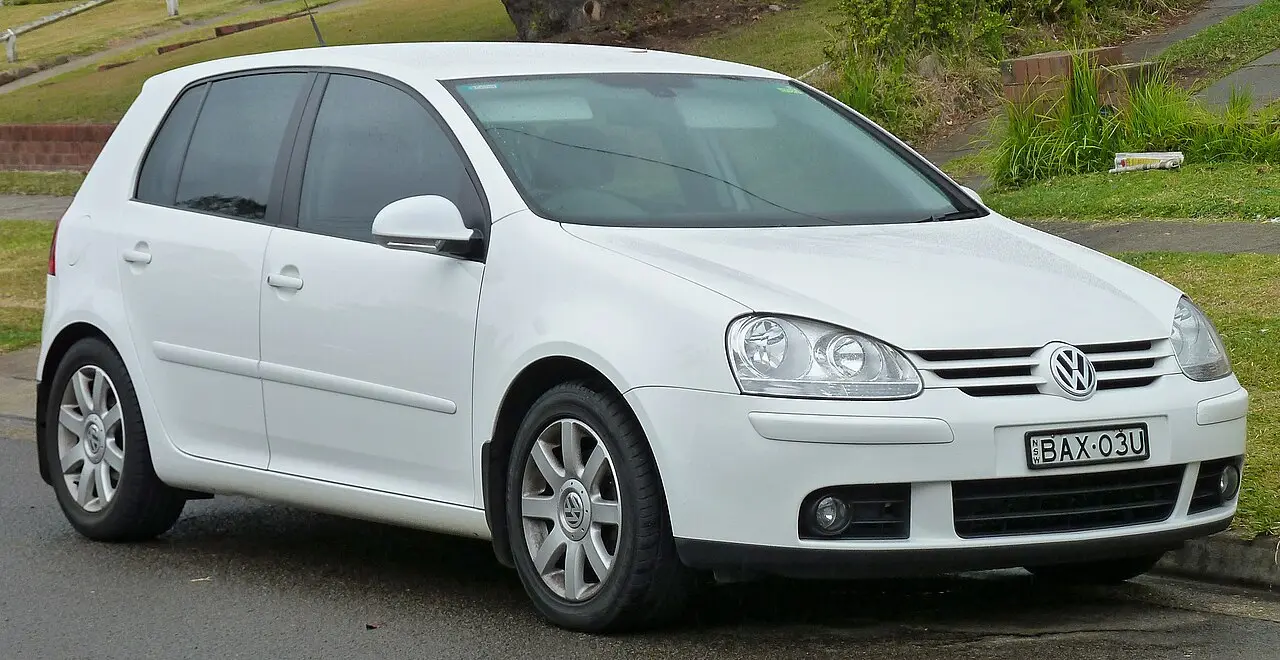
Golf II (1985–1992) and Golf III (1993–1999) developed the original idea. Golf IV (1998–2006) and Golf V (2004–2008 in Europe and the UK; 2006–2009 in the US and Canada) followed. The dates overlap because the generations reached markets at different times.
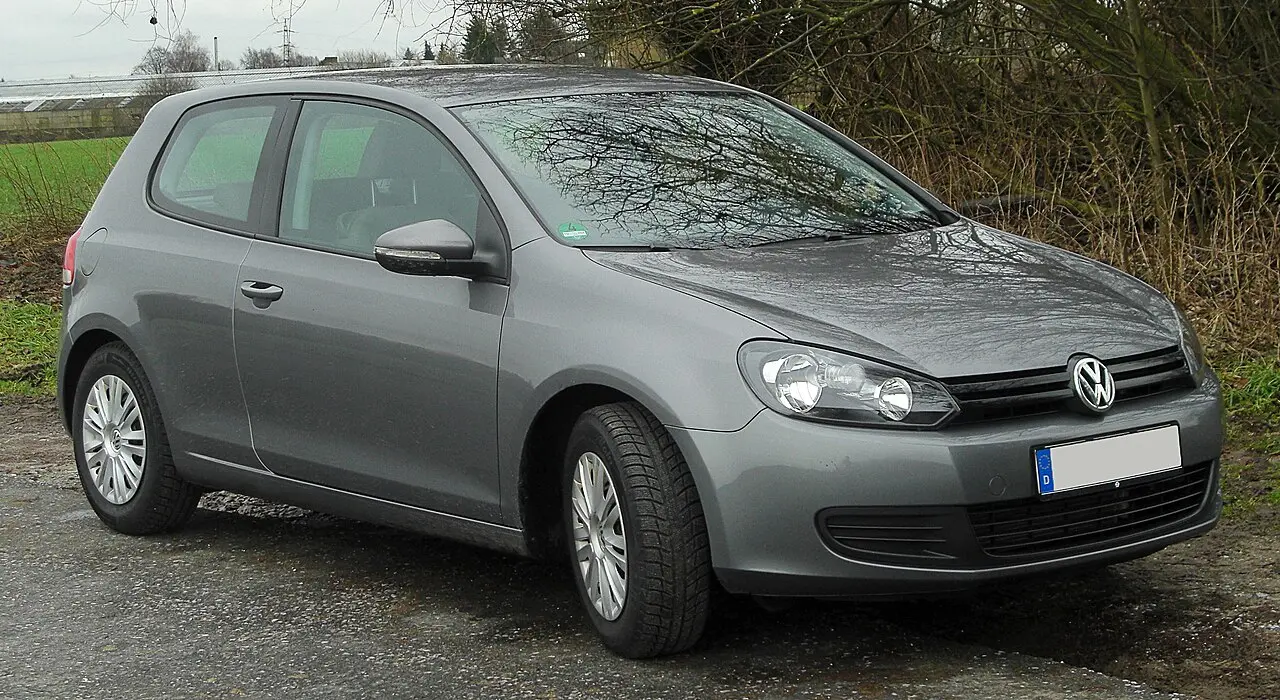
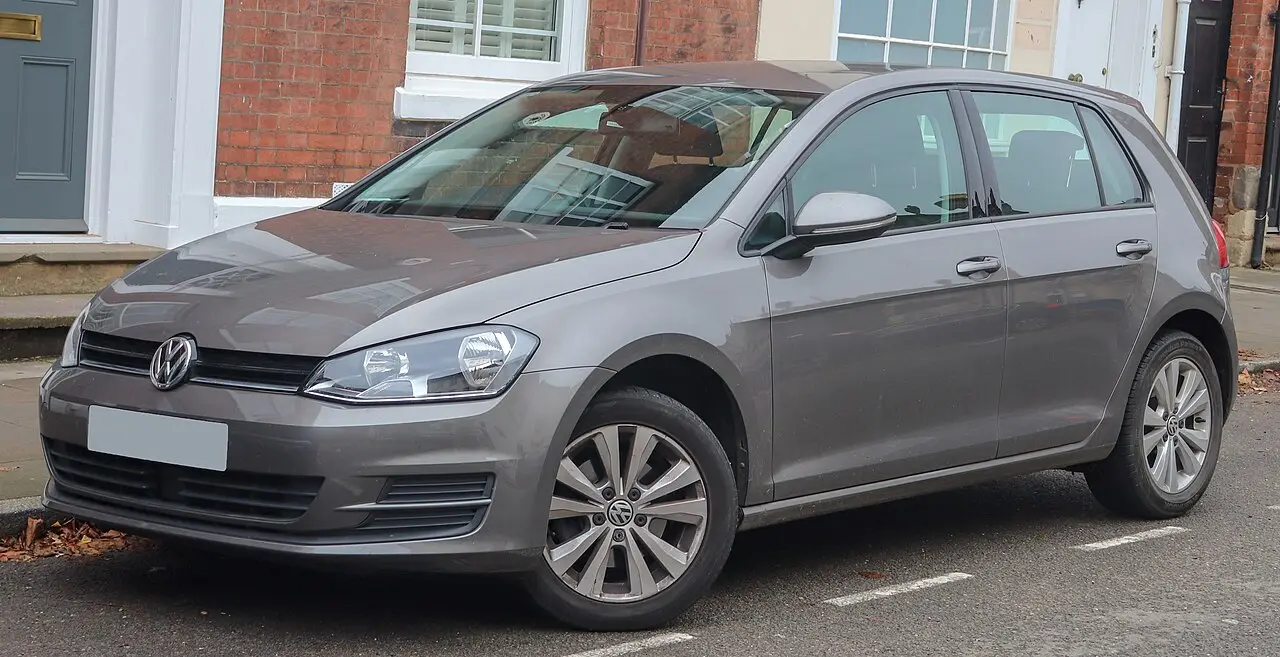
Golf VI (2009–2014) was followed by Golf VII (2012–2020), then Golf VIII (2019–today). The Golf VII brought a lighter, redesigned car based on Volkswagen’s MQB platform. The current generation continues the hatchback line, with electrified powertrains among the options in some markets.
Engines and power
In EU registration figures, Golf engines range from 1.0 L to 2.0 L, with outputs from 63 kW (86 PS) to 235 kW (320 PS). Recorded fuels include petrol, diesel, hybrid, plug-in hybrid, natural gas, electric, LPG and flex-fuel E85.
In the UK, the recorded range spans 1.0 L to 2.8 L and 55 kW (75 PS) to 221 kW (300 PS), with petrol, diesel, hybrid, plug-in hybrid and electric versions. US and Canadian figures include petrol and diesel models with engines from 1.4 L to 2.8 L. The available versions vary by market and year.
How economical is the Volkswagen Golf?
The lowest stated EU consumption for petrol, diesel and hybrid versions is 1.2 L/100 km on WLTP. For plug-in hybrids, the lowest weighted figure is 0.3 L/100 km on WLTP. That figure assumes some journeys are driven using electric power, so it is not directly comparable with a conventional engine’s result.
In the UK, the lowest stated figure for petrol, diesel and hybrid versions is 3.2 L/100 km on NEDC; the lowest plug-in hybrid weighted figure is 1.7 L/100 km on NEDC. The US EPA rating reaches 38 MPG combined, with a lowest stated consumption of 6.2 L/100 km. In Canada, the lowest stated consumption is 6.1 L/100 km on the 5-cycle test. WLTP and NEDC procedures used in Europe differ from the EPA test in the US and the 5-cycle test in Canada, so results are best read within their own market.
Where was the Golf sold?
The Golf appears in official figures for the EU, UK, France, the US and Canada. EU registrations total 10,416,845 from 2010–2025. The UK figures cover 2000–2026, France 2012–2015, the US 1984–2027 and Canada 1995–2026. Fuel and engine choices vary by region.
Questions and answers
When did the Volkswagen Golf first appear?
Volkswagen introduced the Golf in 1974 as the Beetle’s successor.
What is the latest Golf generation listed?
Golf VIII, dated 2019–today.
Does the Golf have plug-in hybrid versions?
Yes. Plug-in hybrid versions appear in the EU, UK and France figures. Their weighted consumption figures assume that some driving is electric.
What is the Golf’s lowest stated EU consumption?
It is 1.2 L/100 km for petrol, diesel and hybrid versions on WLTP. The lowest plug-in hybrid weighted figure is 0.3 L/100 km on WLTP.