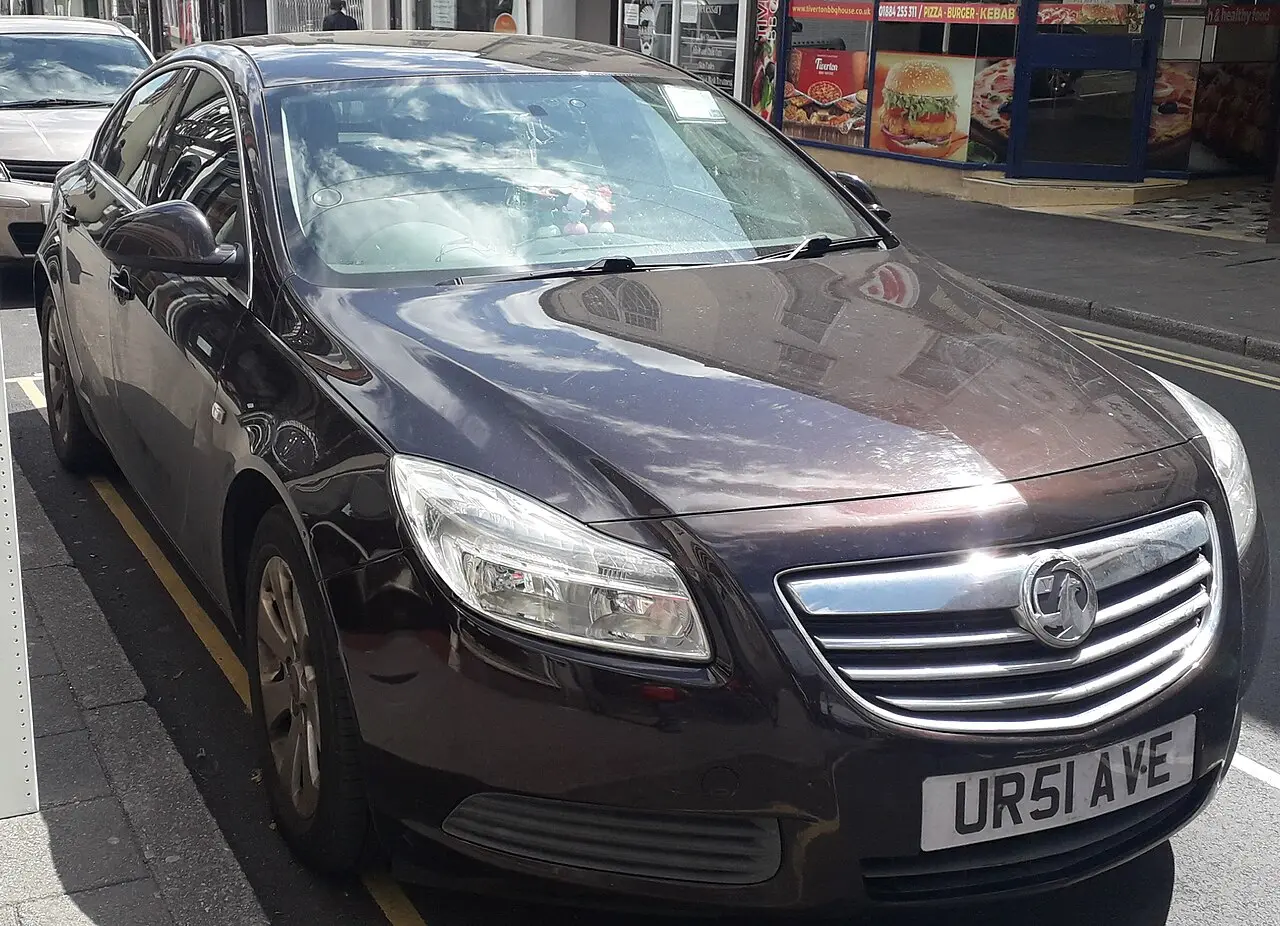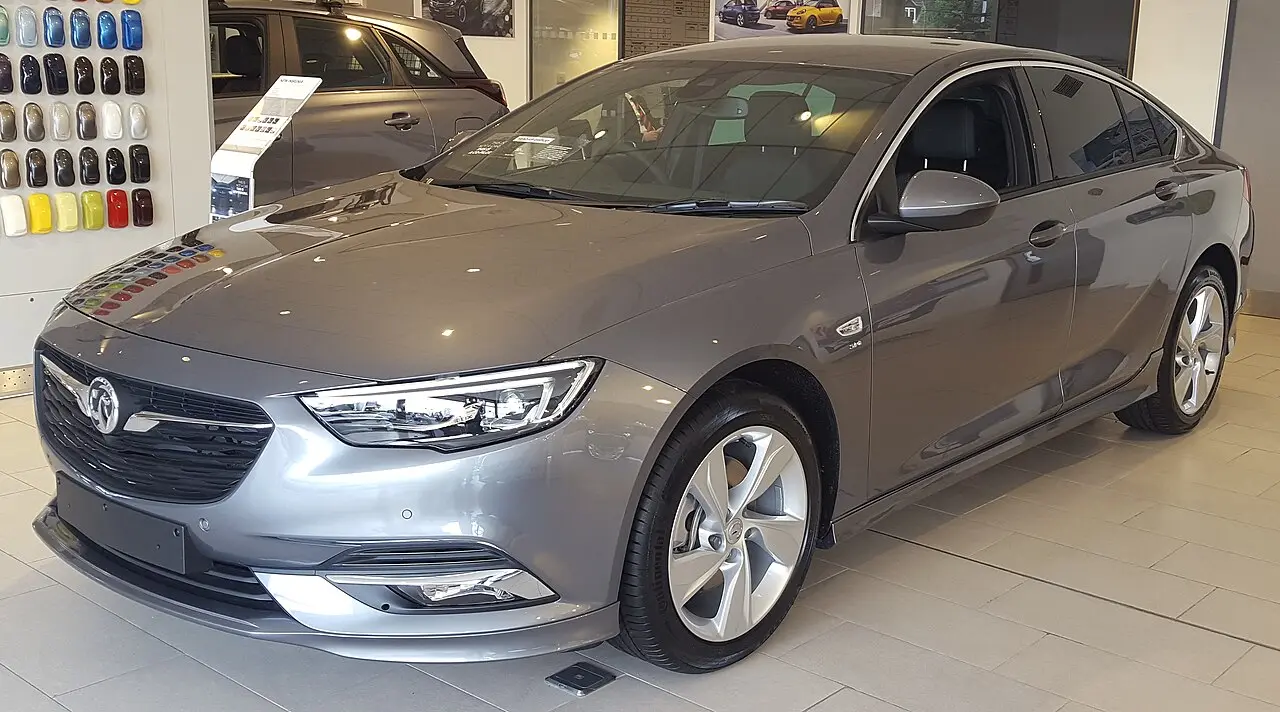
What is the Vauxhall Insignia?
The Insignia was Vauxhall’s large family car, positioned above the Astra. It came as a hatchback or estate, with the second generation using names such as Grand Sport and Sports Tourer. The first Insignia replaced the Vectra and brought a more sculpted design, along with new lighting and driver-assistance features. The later generation continued with petrol and diesel power and offered a choice of hatchback and estate body styles.
Insignia generations
The Insignia A ran from 2008 to 2017, followed by the Insignia B from 2017 to 2022. The first generation paired a flowing shape with features such as adaptive AFL+ lighting and traffic-sign recognition. The second-generation range included the Grand Sport hatchback and Sports Tourer estate, as well as the Country Tourer and GSi versions.
Engines, fuel consumption and CO₂
EU registration figures from 2010 to 2020 cover petrol and diesel Insignias with engines from 1.4 L to 2.8 L. The listed power figure is 120 kW (163 PS). The most registered configurations were 2.0 L diesel versions, with leading figures recorded in 2011, 2010 and 2012.
UK VCA figures from 2009 to 2018 include petrol and diesel engines from 1.4 L to 2.8 L, with power from 81 kW (110 PS) to 239 kW (325 PS). The lowest listed consumption is 3.7 L/100 km on NEDC. NEDC and WLTP are European test procedures, and figures from the two are not directly comparable.
Where was the Insignia sold?
The Insignia was sold in Britain and across Europe. Official EU registration figures record 546,782 cars from 2010 to 2020, while UK VCA figures span 2009 to 2018. Across its two generations, it served as Vauxhall’s larger family car, with hatchback and estate body styles.
Questions and answers
When did the Insignia A run?
The first generation, Insignia A, ran from 2008 to 2017.
What body styles did the second generation include?
The second-generation range included the Grand Sport hatchback and Sports Tourer estate.
What is the lowest listed UK consumption?
The lowest listed figure is 3.7 L/100 km on the NEDC test.