What is the Toyota Sienna?
The Sienna is a family minivan, with a roomy cabin and sliding doors that make it easy to load passengers and luggage. Toyota designed its first version for the US market, where it arrived in 1998. It has remained a people carrier focused on passenger space and everyday family use, and was also registered in the European Union in small numbers.
Sienna generations
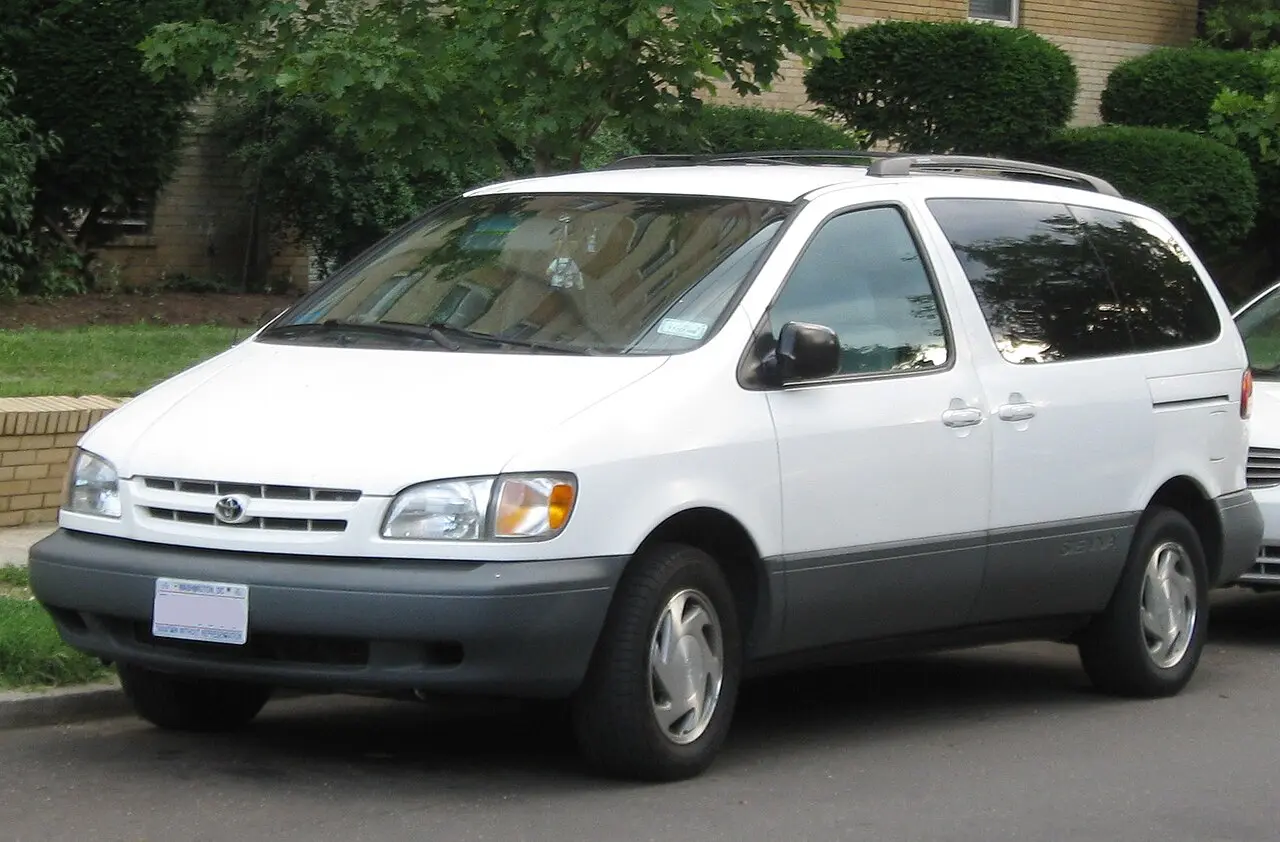
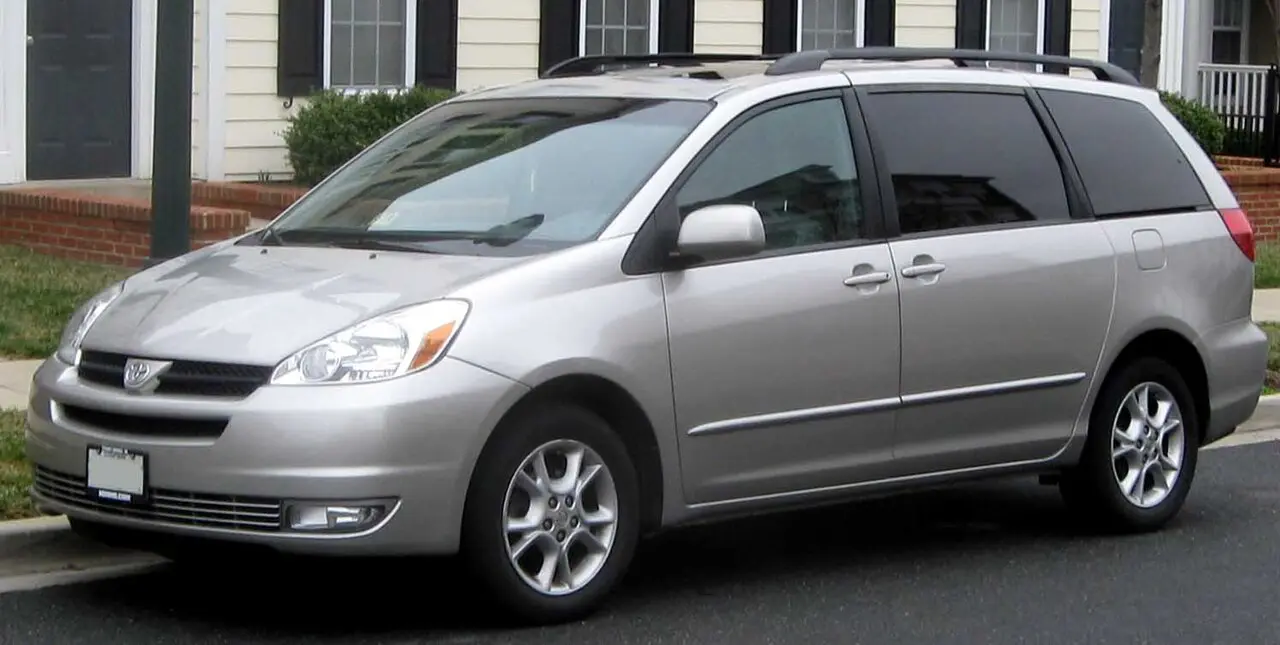
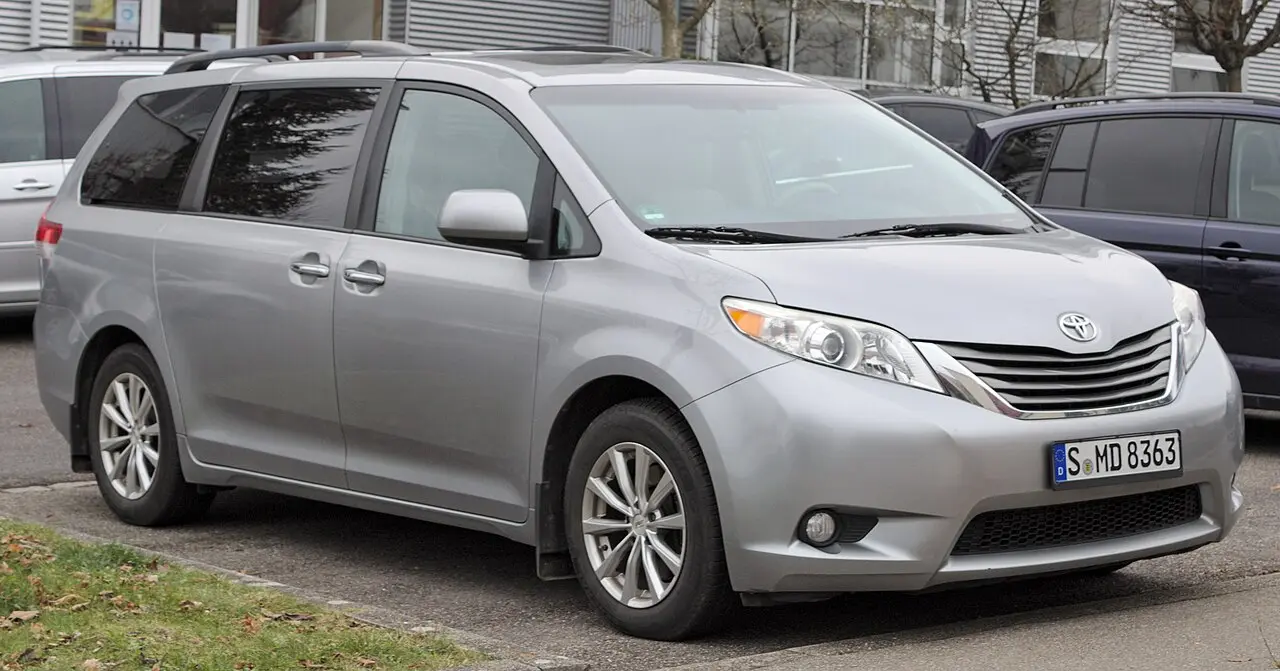
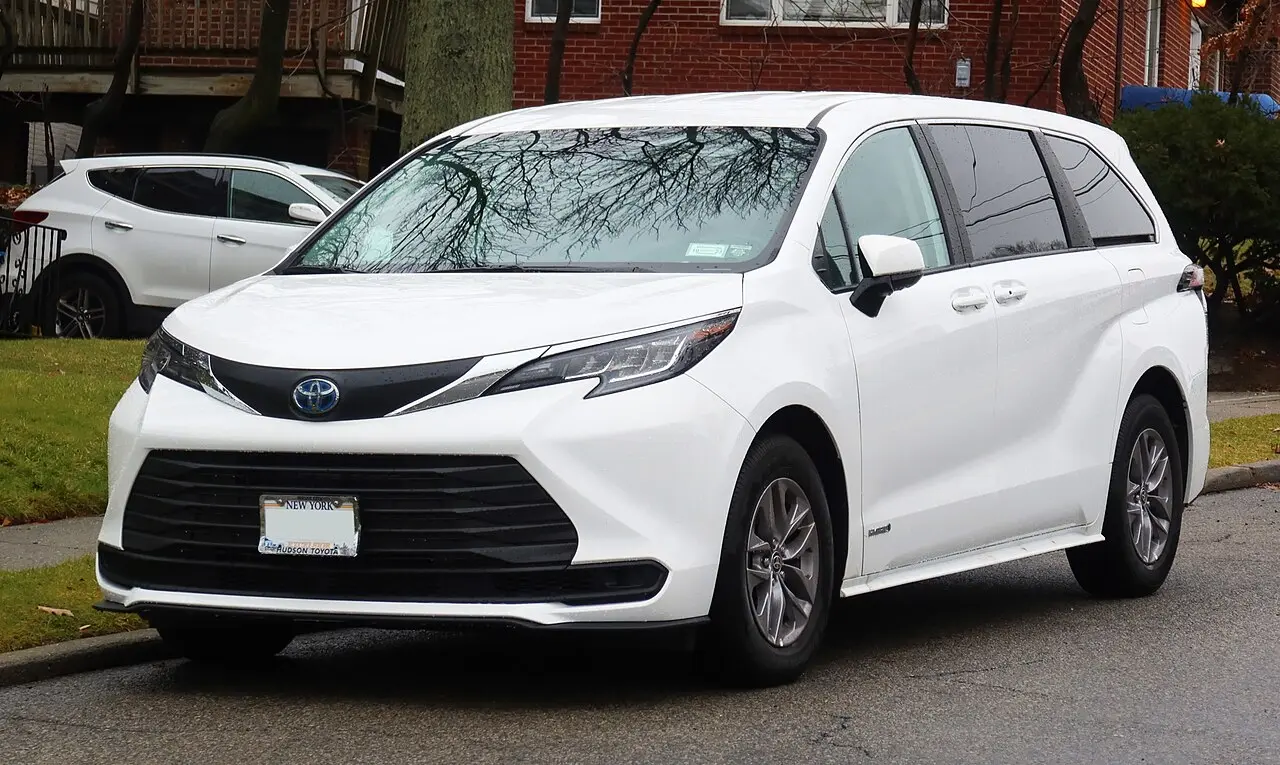
The first generation (1998–2003) used a stretched, modified Camry platform, giving the minivan a car-like foundation. The second generation followed for 2004–2010, then the third for 2011–2020. The fourth generation began in 2021. Over time, the Sienna gained a more distinctive design while keeping its focus on flexible passenger space.
Engines and fuel consumption
In the United States, EPA listings span petrol and hybrid versions with engines from 2.5 L to 3.5 L. The best combined EPA fuel economy is 36 MPG; the lowest listed consumption is 6.5 L/100 km. In Canada, NRCan listings cover petrol versions with engines from 2.5 L to 3.5 L and show a lowest consumption of 6.5 L/100 km on the 5-cycle test. These results use different procedures: EPA in the US, NRCan 5-cycle in Canada, and WLTP or NEDC in Europe. EU registration figures include 3.5 L petrol versions, one listed at 198 kW (269 PS).
Where was the Sienna sold?
The Sienna has been listed in the United States and Canada from 1998 onward. European Union registration figures cover 2011–2014. Toyota designed the original model expressly for the US market.
Questions and answers
When did the Toyota Sienna first go on sale?
The first generation ran from 1998 to 2003, and Toyota introduced the Sienna in 1998.
Is the Sienna available as a hybrid?
US EPA listings include both petrol and hybrid versions.
What is the Sienna’s best combined EPA fuel economy?
The best combined figure is 36 MPG under the US EPA test.
Which Sienna appears in EU registration figures?
EU figures cover 3.5 L petrol versions from 2011 to 2014; one listed version produces 198 kW (269 PS).