Toyota

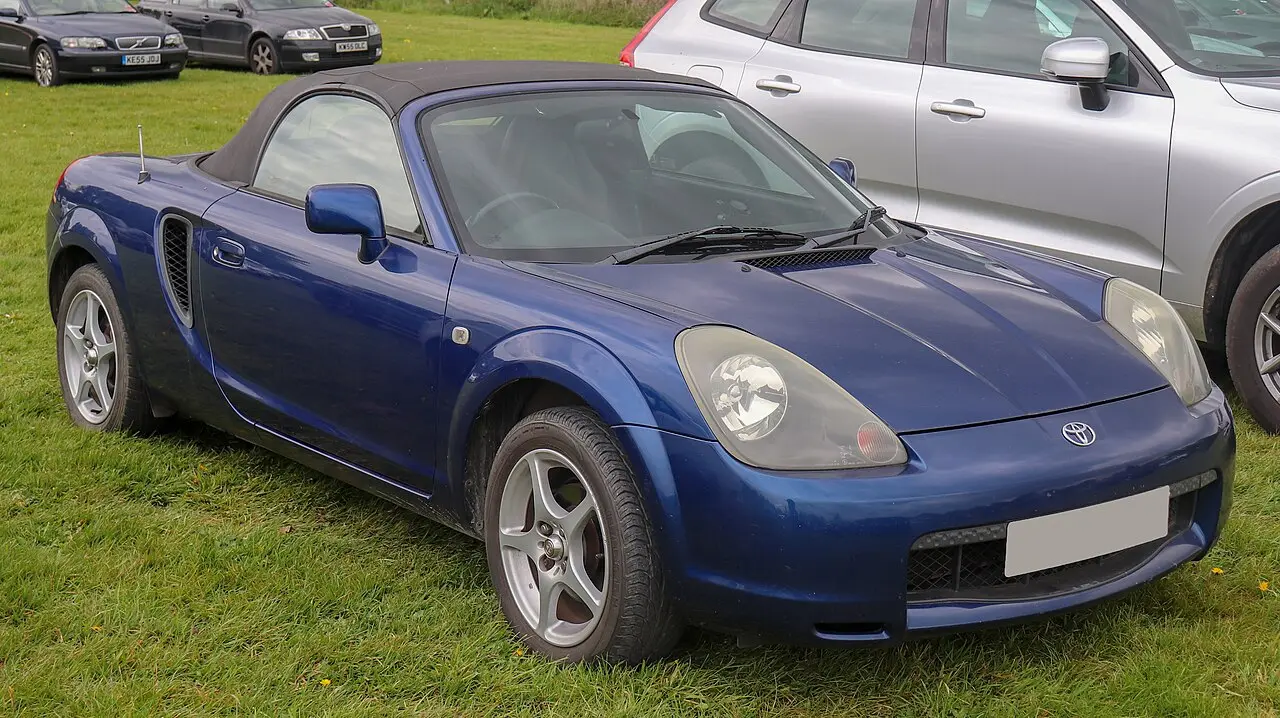
Toyota MR2

Toyota MR2
Photo: MercurySable99 / Wikimedia Commons · CC BY-SA 4.0

The official data lists 21 versions of the Toyota MR2 (1985–2006), in the United Kingdom and the United States. Each market publishes its own figures, measured on its own test procedure.

At a glance

Years in the data
1985–2006
Markets
United Kingdom, United States
Engines
1.6 L to 2.2 L
Fuels
Petrol
Lowest consumption (United Kingdom)
7.4 L/100 km (NEDC)
Lowest consumption (United States)
9.0 L/100 km (EPA)

What is the Toyota MR2?

The MR2 is a compact, two-seat sports car with a mid-engine, rear-wheel-drive layout. It was Toyota’s first production car with a mid-mounted engine, giving the company a small sports car with a distinctive layout. The position of the engine behind the seats left little room for passengers, but helped define the MR2’s focused character.

Toyota made the MR2 across three generations. The first (AW10/AW11) ran from 1985 to 1989, and the second (SW20) from 1991 to 1995. The third (ZZW30) began in 2000. The US model years listed for it run through 2005; the UK listing runs from 2000 to 2002.

Engines and power

The MR2 evolved from the original angular sports car into a larger second-generation coupe, then an open-top roadster in its third generation. Engine choices varied by market and year. US versions used petrol engines from 1.6 L to 2.2 L, while the UK versions listed for 2000 to 2006 used a 1.8 L petrol engine.

How economical is the Toyota MR2?

The lowest listed UK consumption is 7.4 L/100 km on the NEDC test. The US EPA’s best combined rating is 26 MPG, with the lowest listed figure expressed as 9 L/100 km. These figures use different market-specific procedures and are not measured on identical terms.

The MR2 is listed in the United States from 1985 to 2005, while UK figures cover 2000 to 2006. Its mid-engine layout set it apart in Toyota’s range and remained central to the car’s identity.

Questions and answers

How many MR2 generations were there?

Three: the first ran from 1985 to 1989, the second from 1991 to 1995, and the third began in 2000.

What engine sizes are listed for the MR2?

The US range covers petrol engines from 1.6 L to 2.2 L. The UK listing has a 1.8 L petrol engine.

What is the MR2’s lowest listed fuel consumption?

The UK figure is 7.4 L/100 km on NEDC. The US EPA figure is 26 MPG combined, also shown as 9 L/100 km.
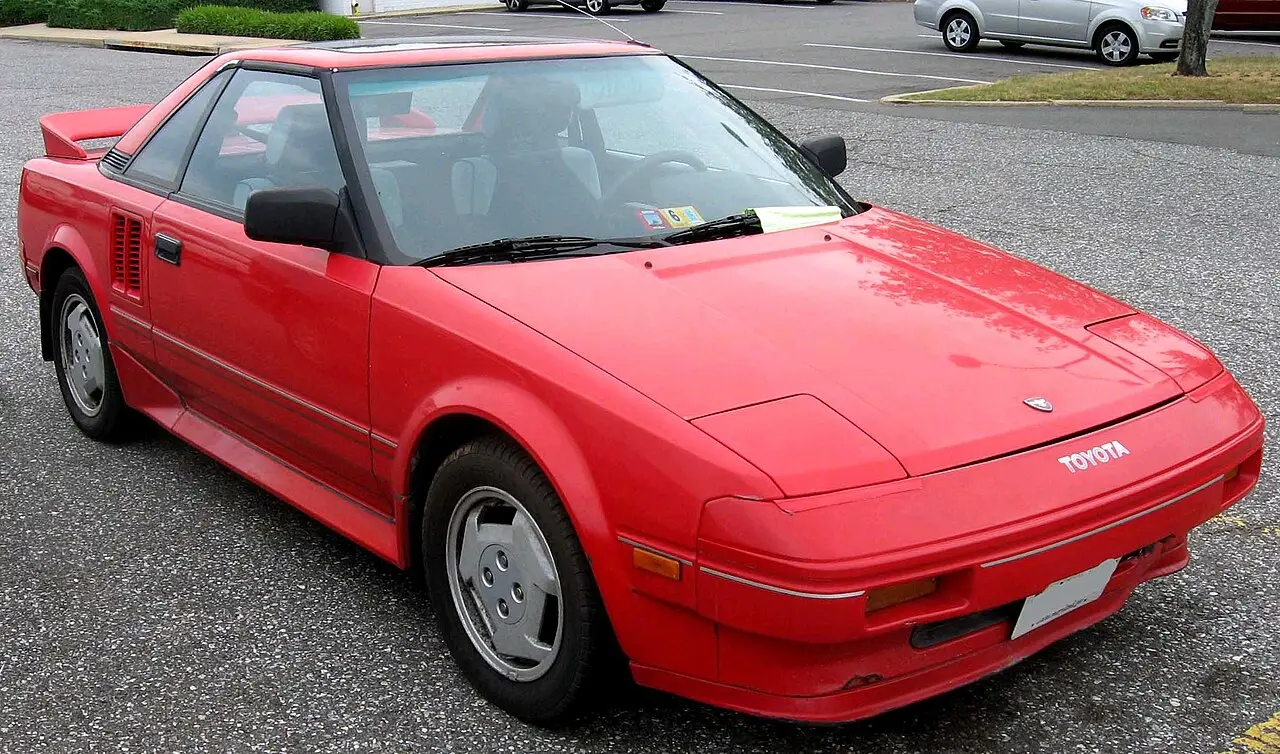
MR2 first generation (1985–1989)

Toyota MR2 first generation
Photo: IFCAR / Wikimedia Commons · Public domain

Model codes: AW10, AW11 · Sold in: United States, European Union, and United Kingdom · References: pressroom.toyota.com, en.wikipedia.org

Show all 7 versions

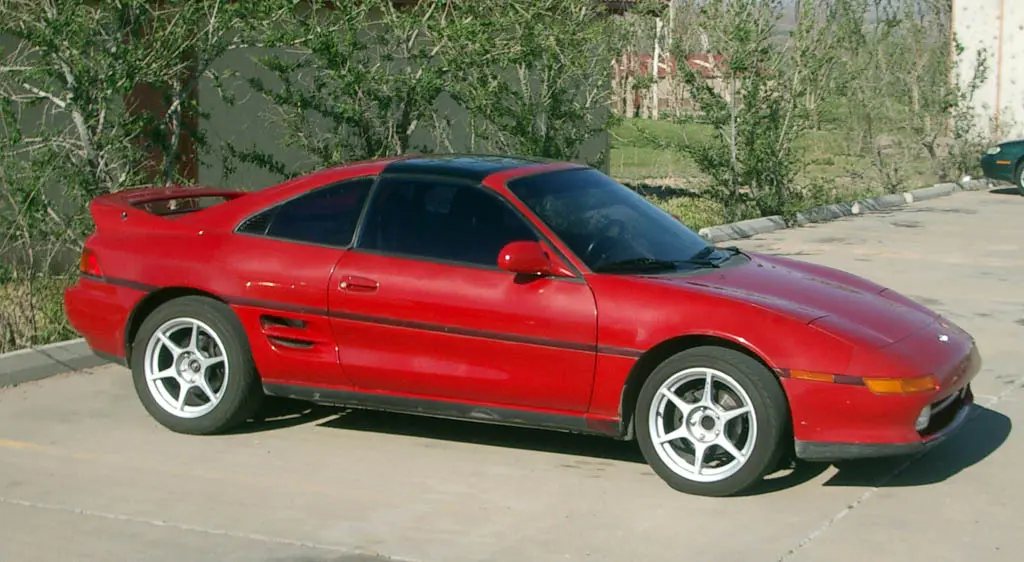
MR2 second generation (1991–1995)

Toyota MR2 second generation
Photo: Milkmandan~commonswiki / Wikimedia Commons · CC BY-SA 3.0

Model codes: SW20 · Sold in: United States, European Union, and United Kingdom · References: en.wikipedia.org

Show all 6 versions

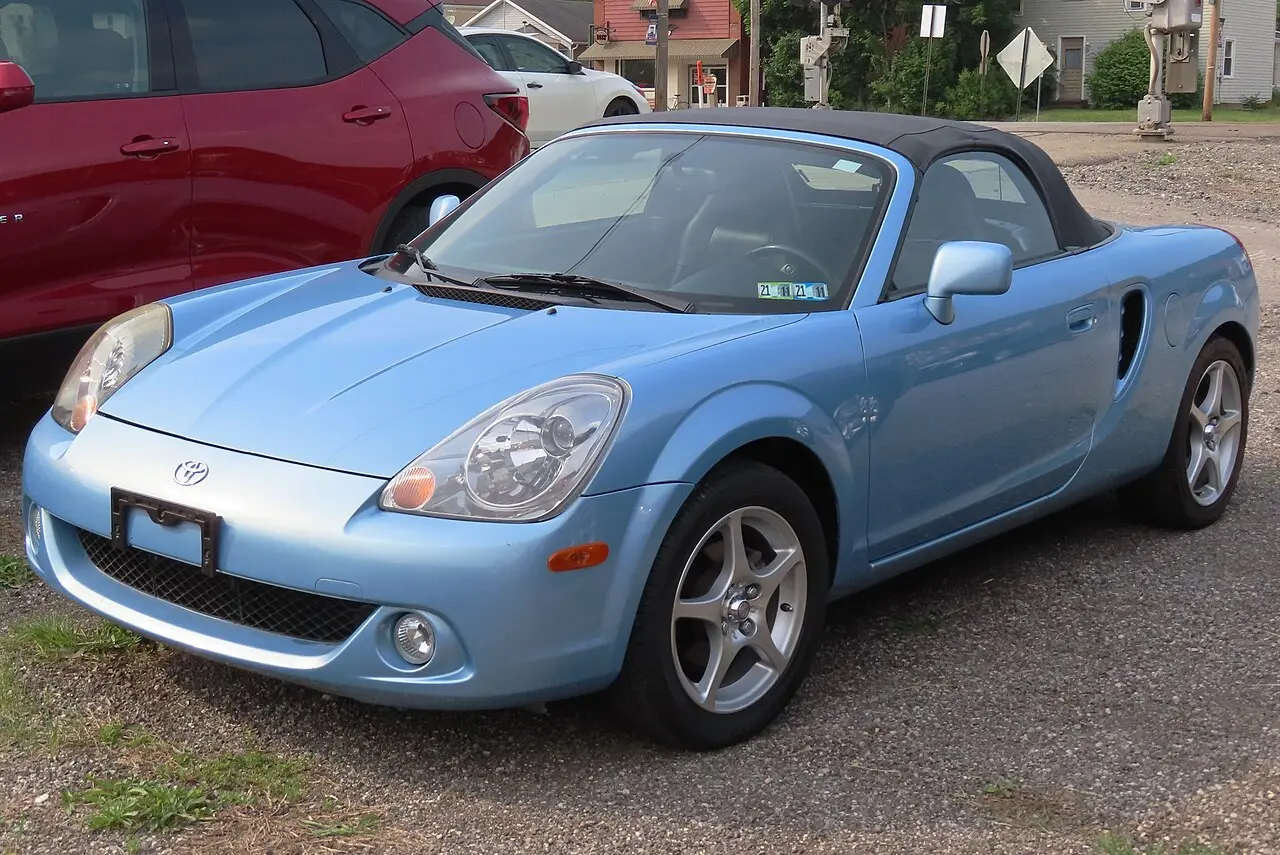
MR2 third generation (2000–2005)

Toyota MR2 third generation
Photo: MercurySable99 / Wikimedia Commons · CC BY-SA 4.0

Model codes: ZZW30 · Sold in: United States · References: pressroom.toyota.com

Show all 5 versions

MR2 third generation (2000–2002)

Toyota MR2 third generation
Photo: Vauxford / Wikimedia Commons · CC BY-SA 4.0

Model codes: ZZW30 · Sold in: United Kingdom · References: media.toyota.co.uk

United Kingdom 1 version

New cars on sale in the UK, from the Vehicle Certification Agency. NEDC figures until 2018 and WLTP figures after; years are the editions a version appeared in.

Years and versionEngineFuelGearboxConsumption (combined)CO₂
2000–20021.8 VVTi · 1.8 VVT-i1.8 LPetrol5-speed manual7.4 L/100 km NEDC178 g/km

Versions outside these generations

United Kingdom 2 versions

New cars on sale in the UK, from the Vehicle Certification Agency. NEDC figures until 2018 and WLTP figures after; years are the editions a version appeared in.

Years and versionEngineFuelGearboxConsumption (combined)CO₂
20061.8 VVT-i1.8 LPetrol6-speed manual7.4 L/100 km NEDC178 g/km
2003–20041.8 VVT-i1.8 LPetrol6-speed manual7.4 L/100 km NEDC178 g/km

Official figures are measured on standard test procedures and differ between markets. Your consumption depends on how, where and in what conditions you drive.