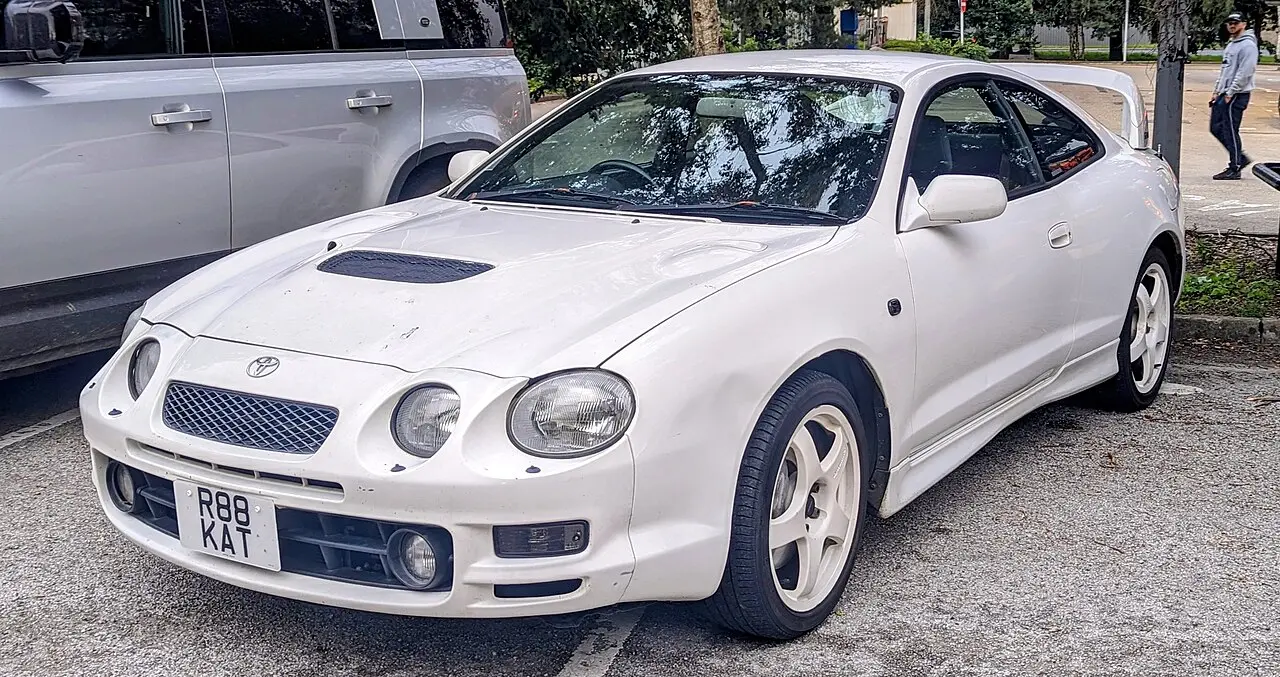
The official data lists 82 versions of the Toyota Celica (1984–2006), in the United Kingdom, the United States, and Canada. Each market publishes its own figures, measured on its own test procedure.
At a glance
Years in the data
1984–2006
Markets
United Kingdom, United States, Canada
Engines
1.6 L to 2.4 L
Power
104 kW (142 PS) to 142 kW (193 PS)
Fuels
Petrol
Lowest consumption (United Kingdom)
7.7 L/100 km (NEDC)
Lowest consumption (United States)
8.4 L/100 km (EPA)
Lowest consumption (Canada)
8.4 L/100 km (5-cycle)
What is the Toyota Celica?
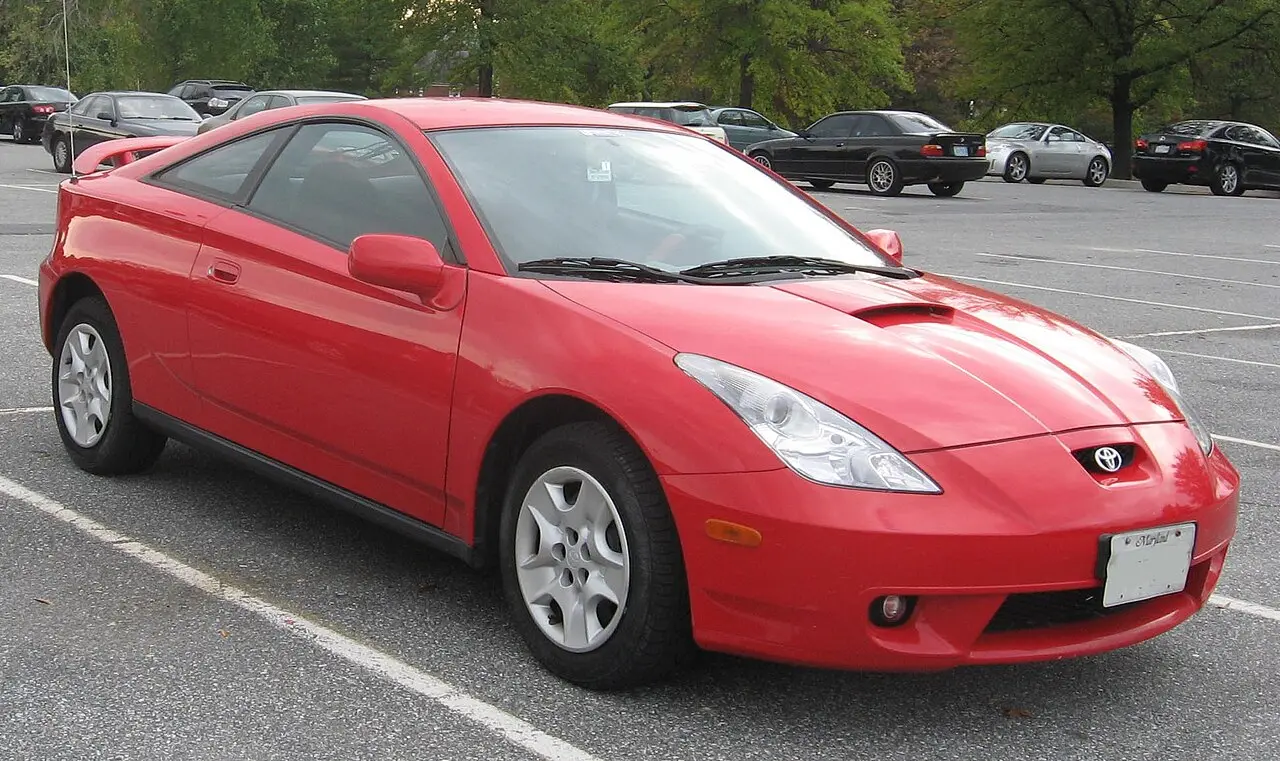
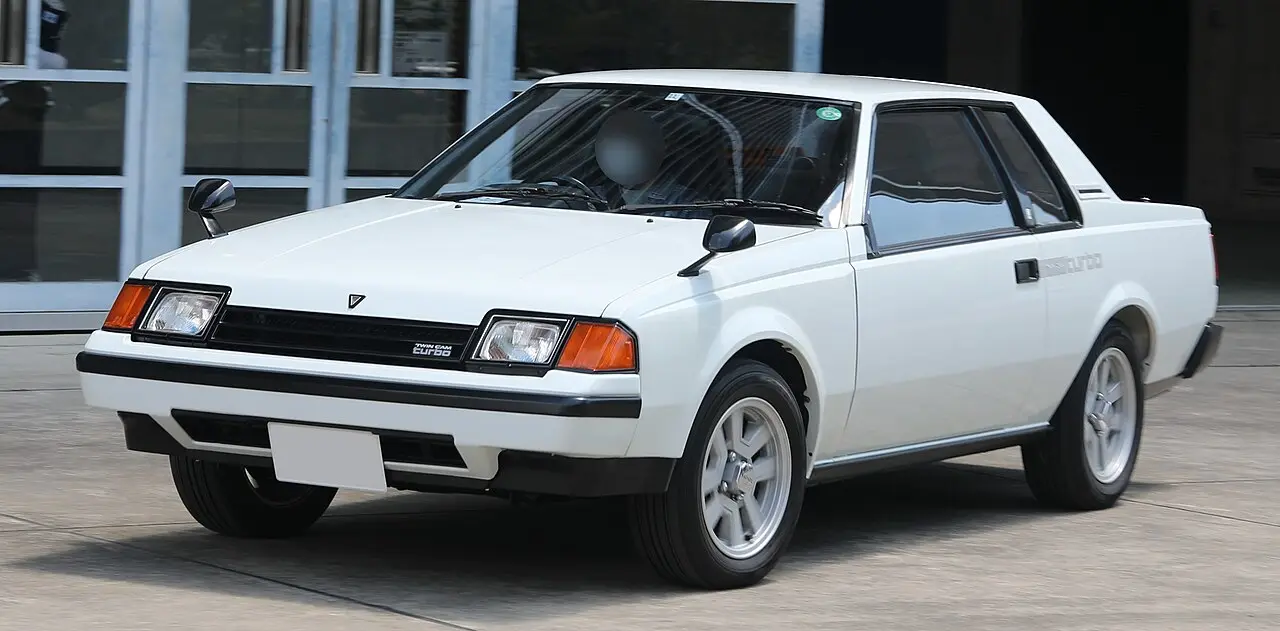
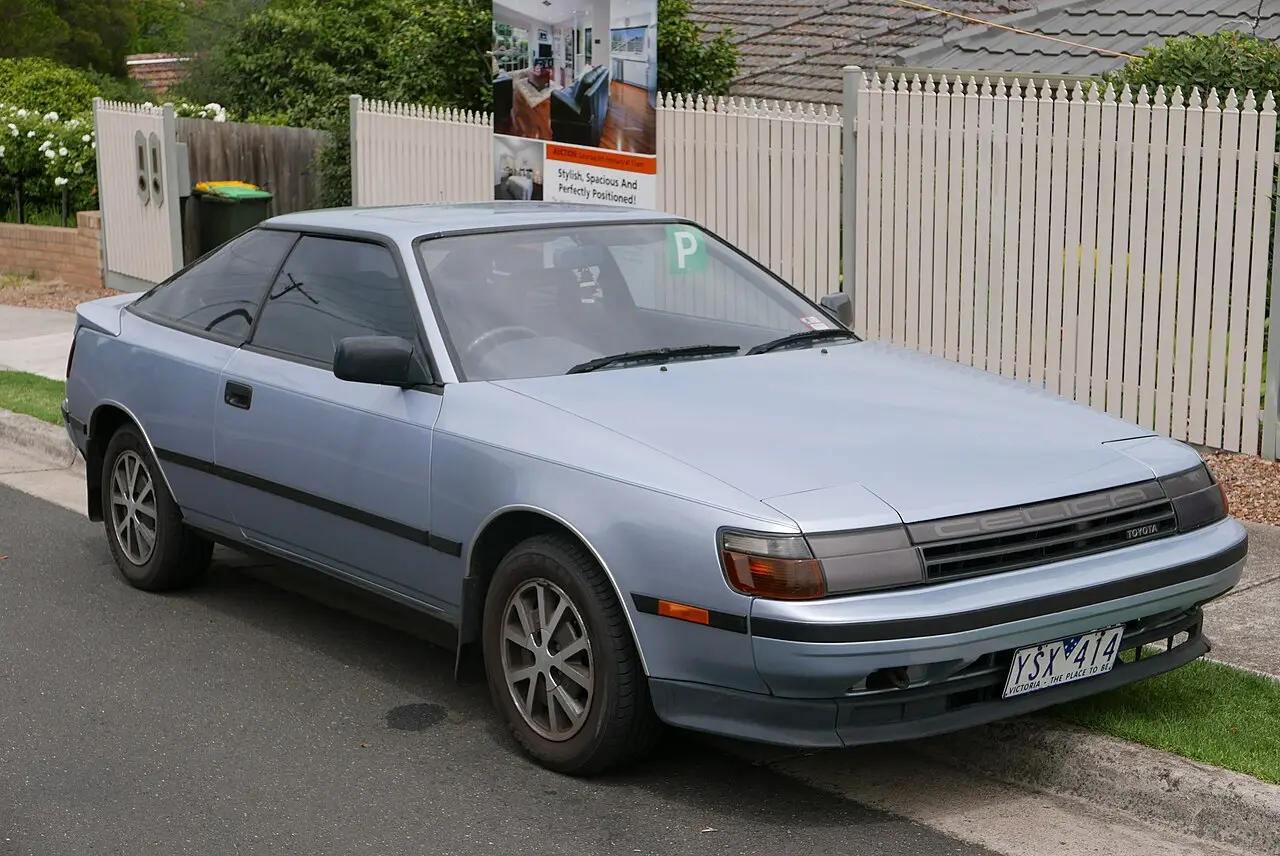
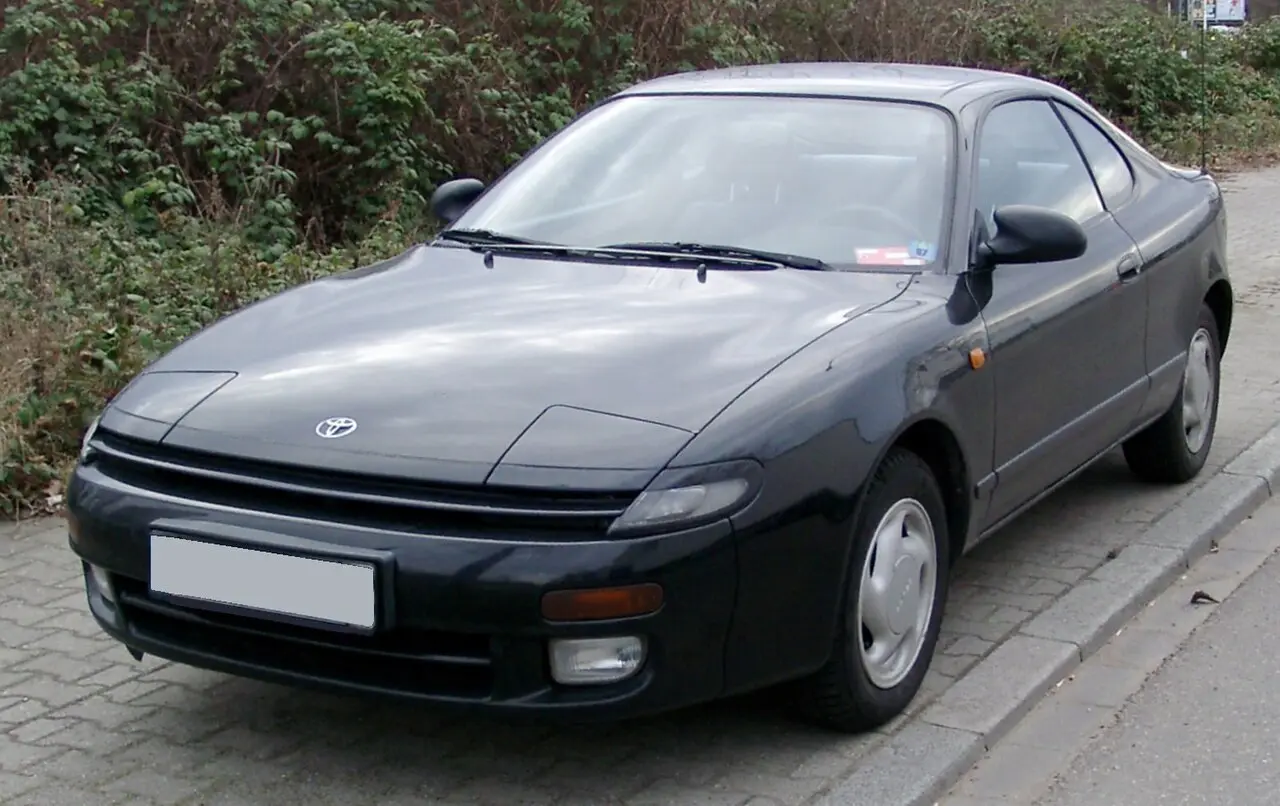
The Celica was Toyota’s sporty coupe, with a two-door shape and room for everyday driving. Its final generation kept that compact coupe format and paired it with a 1.8-litre engine featuring variable valve timing.
Celica generations
The Celica evolved through several generations. In the US figures, the third generation (A60) is represented for 1984–1985; the fourth (T160) for 1986–1989; the fifth (T180) for 1990–1993; the sixth (T200) for 1994–1999; and the seventh (T230) for 2000–2005. The final generation introduced a sharper, more angular look while retaining the coupe body style.
Engines and power
The listed Celicas use petrol engines. In the UK, the seventh generation had 1.8-litre engines producing 104 kW (142 PS) to 142 kW (193 PS). US versions across the years span 1.6 to 2.4 litres, while Canadian versions span 1.8 to 2.2 litres.
How economical is the Toyota Celica, and where was it sold?
The lowest listed UK consumption is 7.7 L/100 km on the NEDC test. In the US, the lowest EPA figure is 8.4 L/100 km, with a best combined rating of 28 MPG. Canada’s lowest listed figure is also 8.4 L/100 km on the NRCan 5-cycle test. These figures use different procedures: NEDC in Europe, EPA in the US and the 5-cycle test in Canada. The Celica appears in official figures for the United States from 1984 to 2005, Canada from 1995 to 2005, and the UK from 2000 to 2006.
Questions and answers
What body style is the Toyota Celica?
The Celica is a sporty two-door coupe. Toyota described its final generation as a compact sports coupe.
What engines did the UK Celica have?
The UK listings cover 1.8-litre petrol engines producing 104 kW (142 PS) to 142 kW (193 PS).
What is the Celica’s lowest listed fuel consumption?
The UK figure is 7.7 L/100 km on NEDC. The lowest US EPA and Canadian NRCan 5-cycle figures are both 8.4 L/100 km.
When was the seventh-generation Celica sold?
The seventh generation is represented in US and Canadian figures for 2000–2005, and UK figures cover 2000–2006.
Model codes: T230 · Sold in: United States, Canada, and United Kingdom · References: en.wikipedia.org
United Kingdom 6 versions
New cars on sale in the UK, from the Vehicle Certification Agency. NEDC figures until 2018 and WLTP figures after; years are the editions a version appeared in.
Years and version
Engine
Power
Fuel
Gearbox
Consumption (combined)
CO₂
2003–20041.8 VVT-i
1.8 L
–
Petrol
6-speed manual
7.7 L/100 km NEDC
185 g/km
2003–20041.8 VVTL-i T-Sport
1.8 L
–
Petrol
6-speed manual
8.4 L/100 km NEDC
200 g/km
20021.8 VVT-I (140bhp)
1.8 L
104 kW (142 PS)
Petrol
6-speed manual
7.7 L/100 km NEDC
185 g/km
20021.8 VVT-i (190bhp)
1.8 L
142 kW (193 PS)
Petrol
6-speed manual
8.4 L/100 km NEDC
200 g/km
2000–20011.8 VVTi · 1.8 VVT-i
1.8 L
–
Petrol
6-speed manual
7.7 L/100 km NEDC
185 g/km
20011.8 VVT-i 190
1.8 L
–
Petrol
6-speed manual
8.4 L/100 km NEDC
200 g/km
United States 10 versions
Model years sold in the USA, from the EPA and the Department of Energy (fueleconomy.gov). MPG on the EPA test; litres per 100 km = 235.215 ÷ MPG.
Years and version
Engine
Fuel
Gearbox
Drive
Consumption (combined)
CO₂
2003–2005CLKUP
1.8 L
Petrol
4-speed automatic
Front-wheel drive
28 MPG (8.4 L/100 km) EPA
197 g/km
2003–2005
1.8 L
Petrol
5-speed manual
Front-wheel drive
26 MPG (9.0 L/100 km) EPA
212 g/km
2004–2005SPORTS
1.8 L
Petrol
6-speed manual
Front-wheel drive
25 MPG (9.4 L/100 km) EPA
221 g/km
2004–2005SPORTS, CLKUP
1.8 L
Petrol
4-speed automatic
Front-wheel drive
24 MPG (9.8 L/100 km) EPA
230 g/km
2000–2003CLKUP · SPORTS, CLKUP
1.8 L
Petrol
4-speed automatic
Front-wheel drive
23 MPG (10.2 L/100 km) EPA
240 g/km
2000–2003SPORTS
1.8 L
Petrol
6-speed manual
Front-wheel drive
23 MPG (10.2 L/100 km) EPA
240 g/km
2001–2002CLKUP
1.8 L
Petrol
4-speed automatic
Front-wheel drive
28 MPG (8.4 L/100 km) EPA
197 g/km
2001–2002
1.8 L
Petrol
5-speed manual
Front-wheel drive
27 MPG (8.7 L/100 km) EPA
205 g/km
2000CLKUP
1.8 L
Petrol
4-speed automatic
Front-wheel drive
26 MPG (9.0 L/100 km) EPA
212 g/km
2000
1.8 L
Petrol
5-speed manual
Front-wheel drive
27 MPG (8.7 L/100 km) EPA
205 g/km
Canada 10 versions
Model years sold in Canada, from Natural Resources Canada fuel consumption ratings (5-cycle test).
Years and version
Engine
Fuel
Gearbox
Consumption (combined)
CO₂
2003–2005Subcompact
1.8 L
Petrol
4-speed automatic
8.5 L/100 km 5-cycle
196 g/km
2003–2005Subcompact
1.8 L
Petrol
5-speed manual
9.1 L/100 km 5-cycle
209 g/km
2004–2005Subcompact
1.8 L
Petrol
4-speed automatic
9.7 L/100 km 5-cycle
223 g/km
2004–2005Subcompact
1.8 L
Petrol
6-speed manual
9.6 L/100 km 5-cycle
221 g/km
2000–2003Subcompact
1.8 L
Petrol
4-speed automatic
10.3 L/100 km 5-cycle
237 g/km
2000–2003Subcompact
1.8 L
Petrol
6-speed manual
10.0 L/100 km 5-cycle
230 g/km
2001–2002Subcompact
1.8 L
Petrol
4-speed automatic
8.4 L/100 km 5-cycle
193 g/km
2001–2002Subcompact
1.8 L
Petrol
5-speed manual
8.8 L/100 km 5-cycle
202 g/km
2000Subcompact
1.8 L
Petrol
4-speed automatic
8.9 L/100 km 5-cycle
205 g/km
2000Subcompact
1.8 L
Petrol
5-speed manual
9.1 L/100 km 5-cycle
209 g/km
Versions outside these generations
United Kingdom 2 versions
New cars on sale in the UK, from the Vehicle Certification Agency. NEDC figures until 2018 and WLTP figures after; years are the editions a version appeared in.
Years and version
Engine
Fuel
Gearbox
Consumption (combined)
CO₂
20061.8 VVT-i
1.8 L
Petrol
6-speed manual
7.7 L/100 km NEDC
185 g/km
20061.8 VVTL-i 190
1.8 L
Petrol
6-speed manual
8.4 L/100 km NEDC
200 g/km
Official figures are measured on standard test procedures and differ between markets. Your consumption depends on how, where and in what conditions you drive.