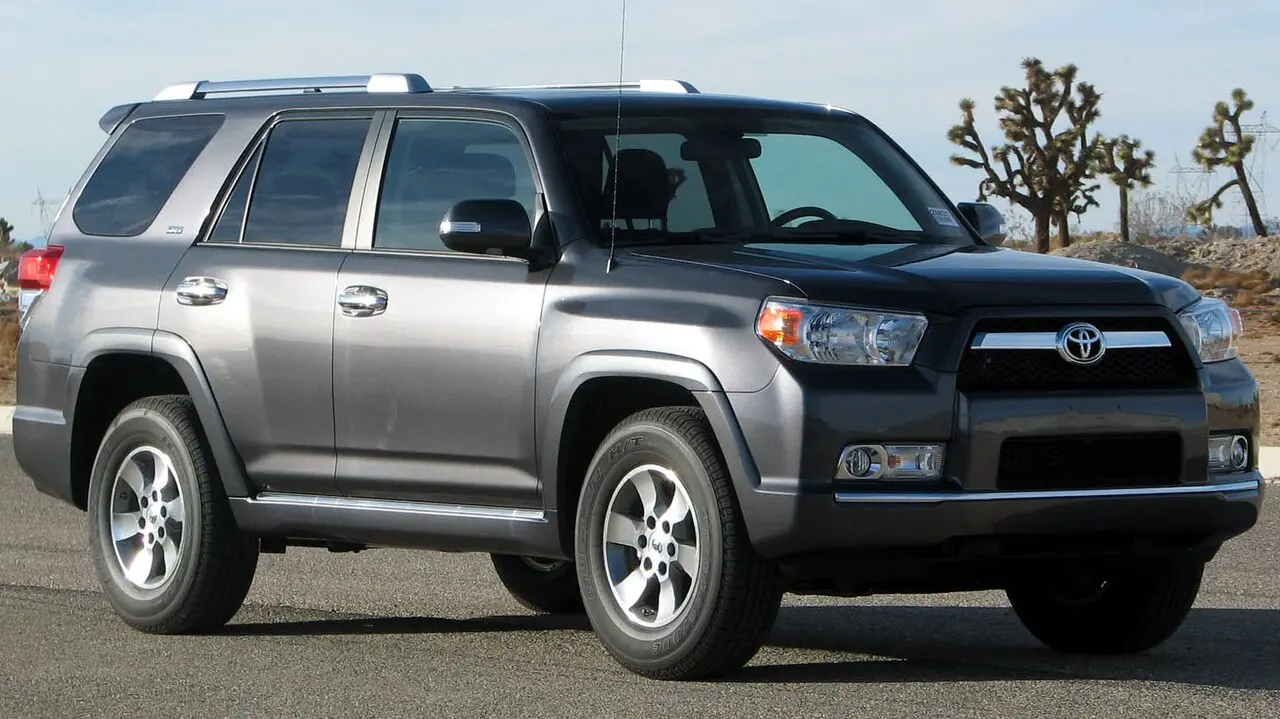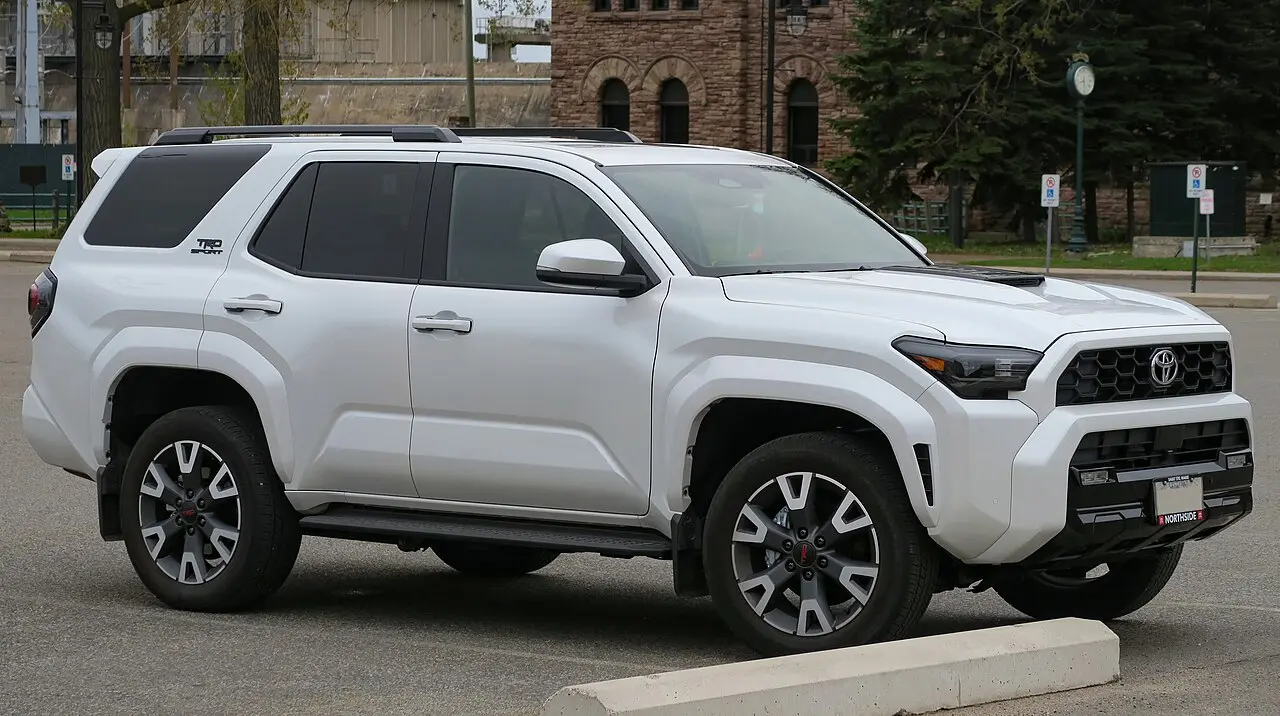
What is the Toyota 4Runner?
The 4Runner is a truck-based SUV in Toyota’s North American range. Its body-on-frame construction gives it a different character from the brand’s car-based SUVs, and the model has evolved through successive generations since its introduction.
4Runner generations
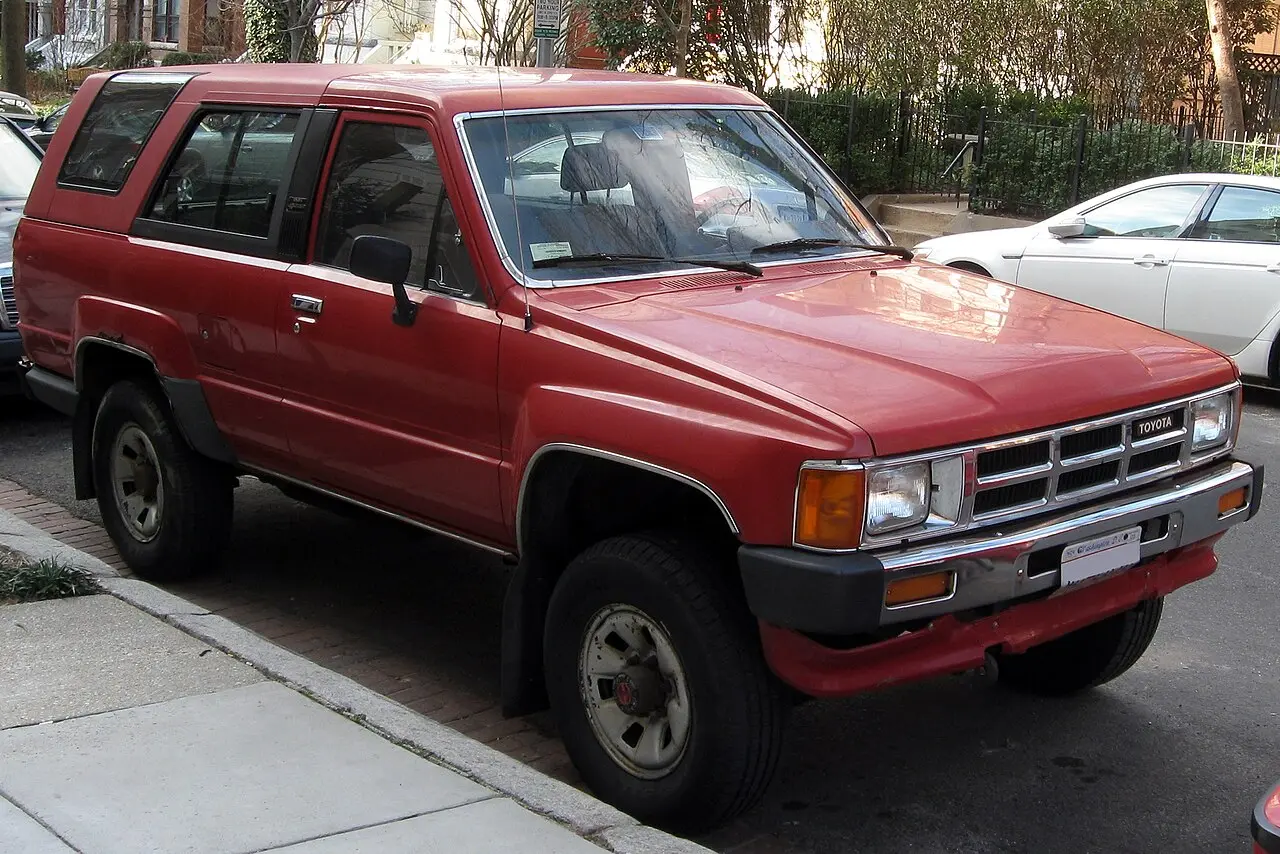
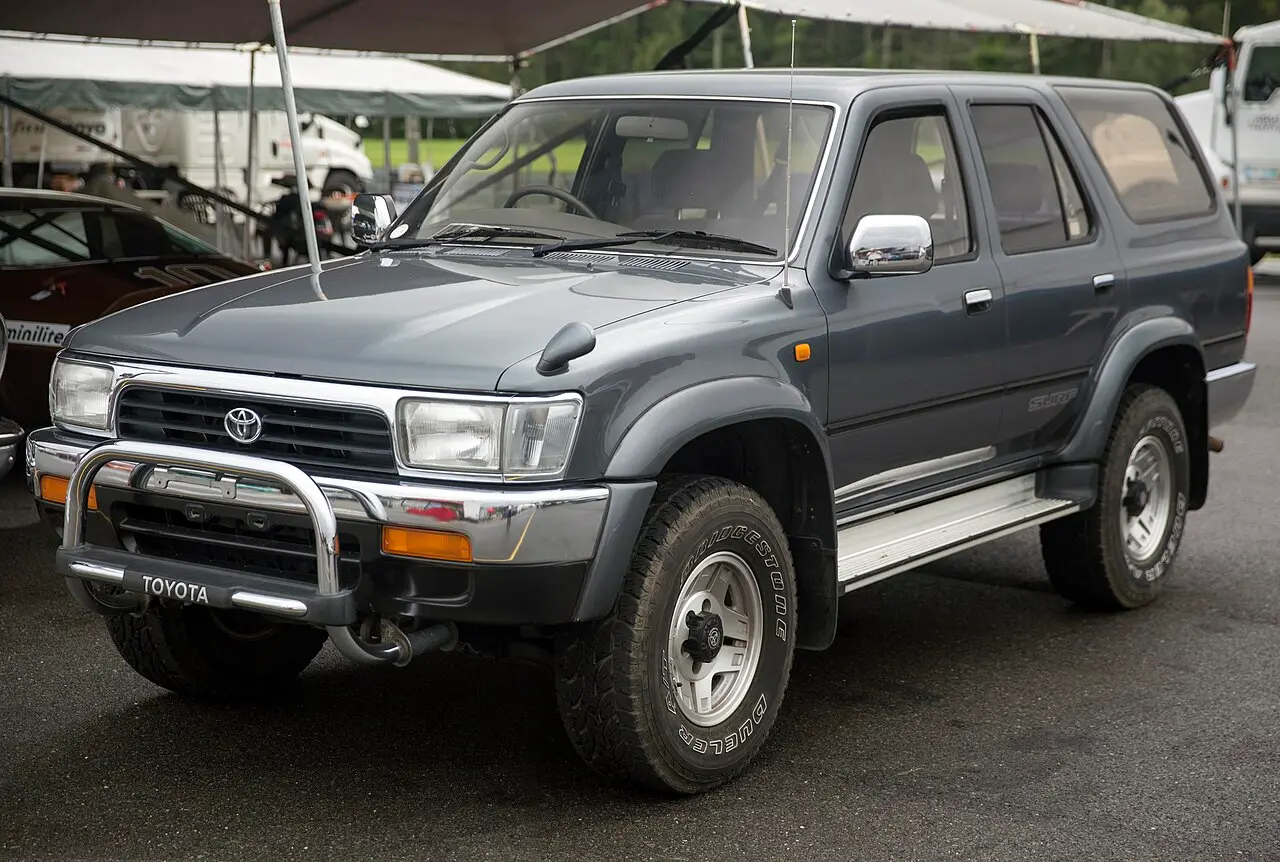
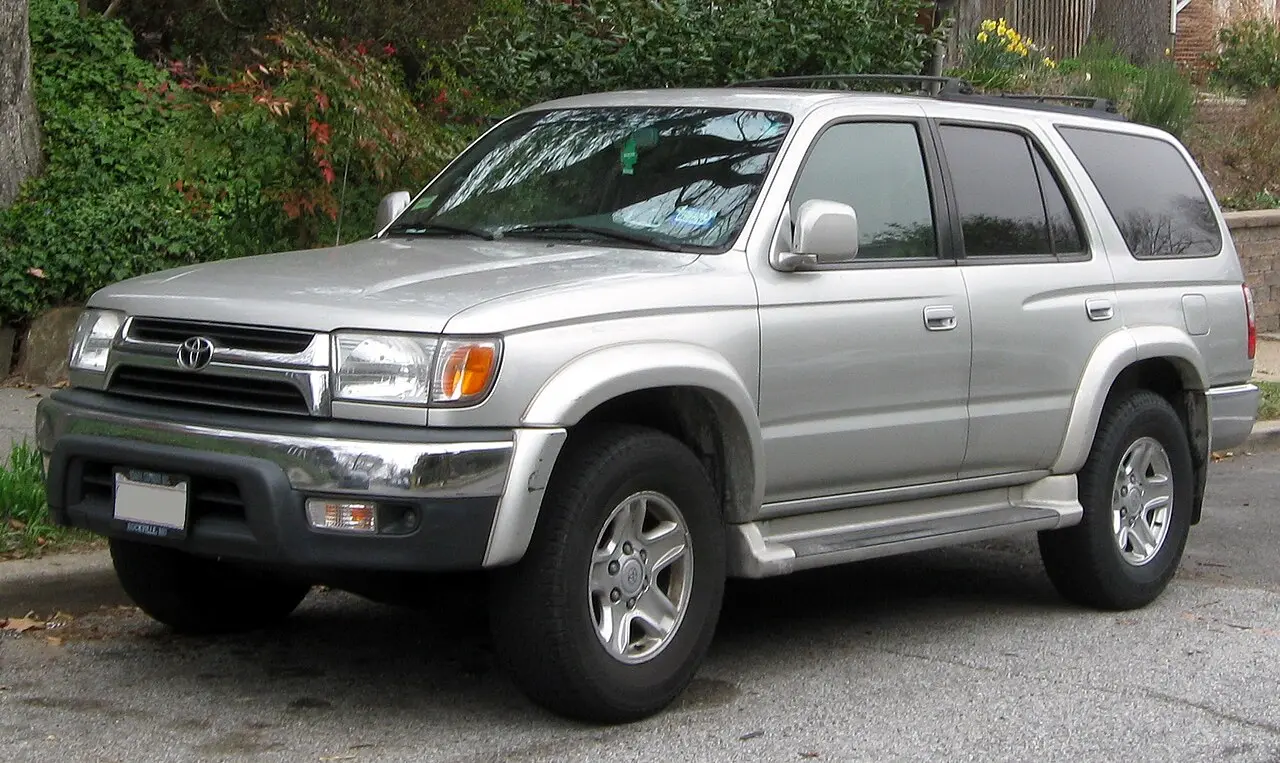
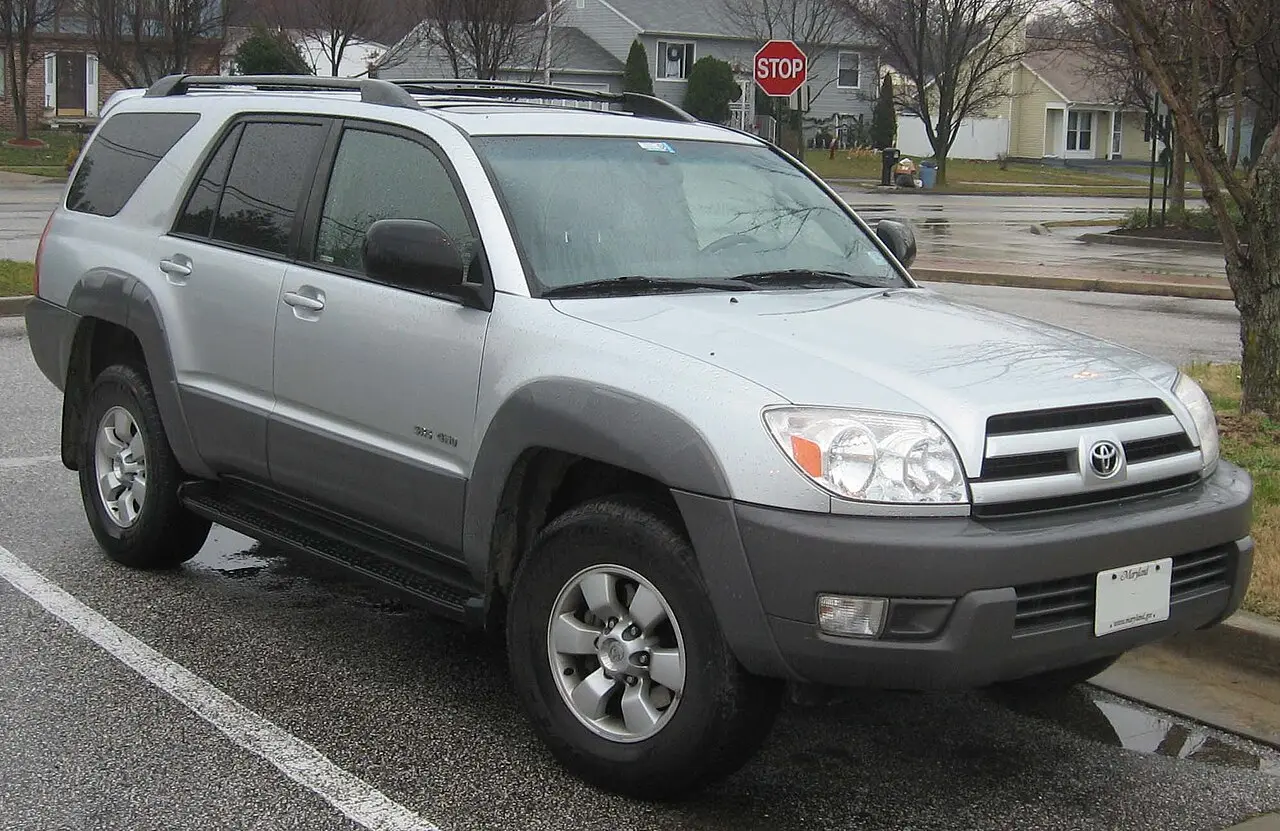
The first generation ran from 1984 to 1989, followed by the second from 1990 to 1995, the third from 1996 to 2002 and the fourth from 2003 to 2009. The fifth generation, from 2010 to 2024, retained the body-on-frame design while bringing a redesigned interior and cargo area. The sixth generation arrived in 2025 on Toyota’s TNGA-F truck platform, shared with the Tacoma, Land Cruiser, Tundra and Sequoia.
Engines and power
US engine sizes range from 2.4 L to 4.7 L, with petrol and hybrid versions. Canada’s listed range is also 2.4 L to 4.7 L, with petrol versions. The sixth generation introduced a turbocharged 2.4 L four-cylinder, with a hybrid option. The EU has one listed 2017 entry, a 1.5 L petrol version.
How economical is the Toyota 4Runner?
The lowest listed US consumption is 10.2 L/100 km under the EPA procedure, and the best combined result is 23 MPG. Canada’s lowest listed figure is 9.9 L/100 km on the 5-cycle test. The EPA and 5-cycle procedures differ, so the results are not directly comparable.
Where is the Toyota 4Runner sold?
The 4Runner is listed in the United States from 1984 to 2026 and in Canada from 1995 to 2026. It also appears in EU registration figures for 2017. The model’s history centres on North America and Toyota’s truck-based SUVs.
Questions and answers
When did the 4Runner first go on sale?
Its first generation ran from 1984 to 1989.
What engines does the 4Runner have?
US and Canadian engine sizes range from 2.4 L to 4.7 L. US versions include petrol and hybrid options; Canadian versions are listed with petrol.
What is the 4Runner’s lowest listed consumption?
The lowest US figure is 10.2 L/100 km under the EPA procedure. Canada’s lowest listed result is 9.9 L/100 km on the 5-cycle test.