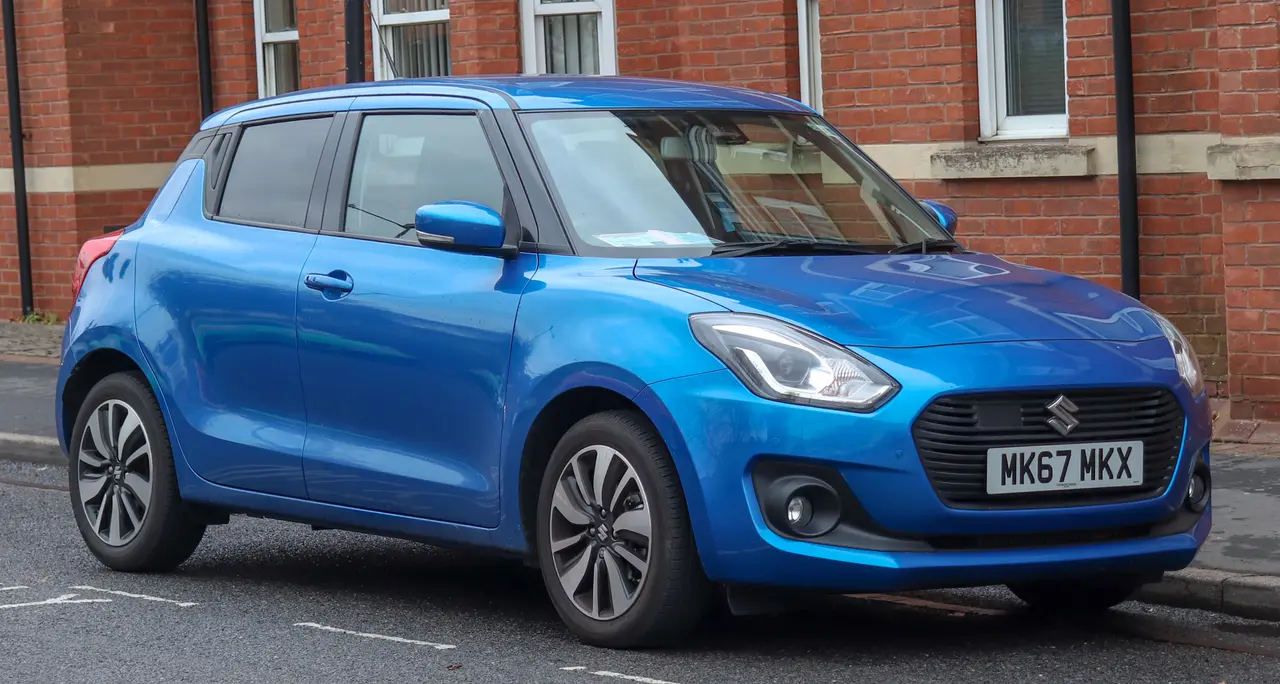
The official data lists 272 versions of the Suzuki Swift (1985–2026), in the European Union, the United Kingdom, France, the United States, and Canada. Each market publishes its own figures, measured on its own test procedure.
At a glance
Years in the data
1985–2026
Markets
European Union, United Kingdom, France, United States, Canada
Engines
1.0 L to 1.6 L
Power
55 kW (75 PS) to 103 kW (140 PS)
Fuels
Hybrid, Diesel, Petrol, Plug-in hybrid, LPG, Natural gas
Lowest consumption (France)
3.9 L/100 km (NEDC)
Lowest consumption (European Union)
4.1 L/100 km (WLTP)
Lowest consumption (United Kingdom)
4.2 L/100 km (NEDC)
Plug-in hybrid, weighted (European Union)
3.9 L/100 km (WLTP)
New registrations in the EU
1,354,246
What kind of car is the Suzuki Swift?
The Swift is Suzuki’s small hatchback, designed for everyday driving in town and beyond. It sits among the smaller passenger cars in the Suzuki range. The name’s roots go back to the Cultus, which Suzuki introduced in 1983. The modern Swift became a global model, with Suzuki presenting it as a strategic car for markets around the world.
Swift generations
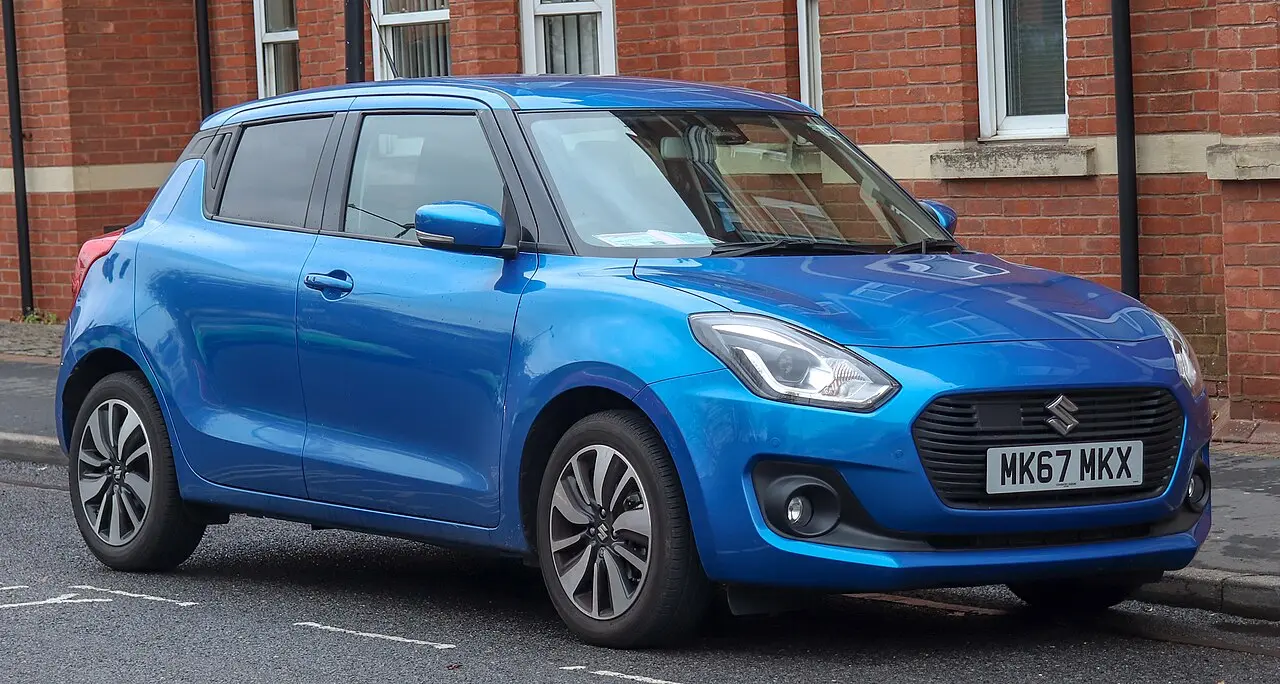
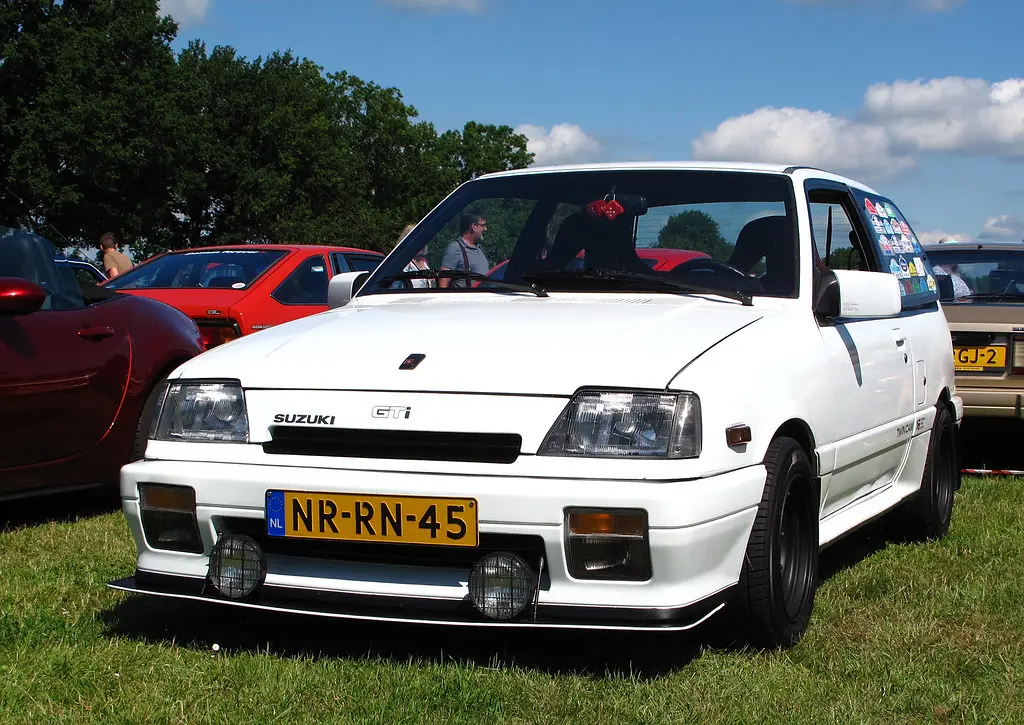
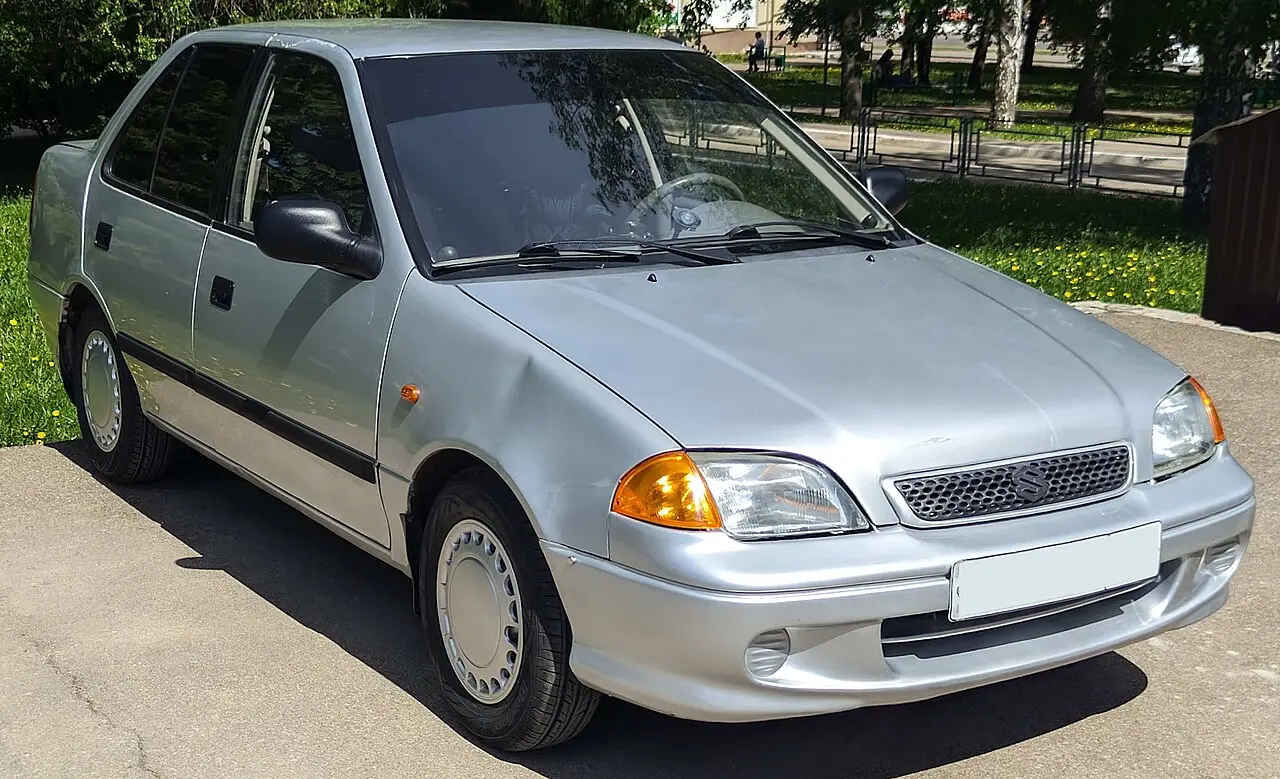
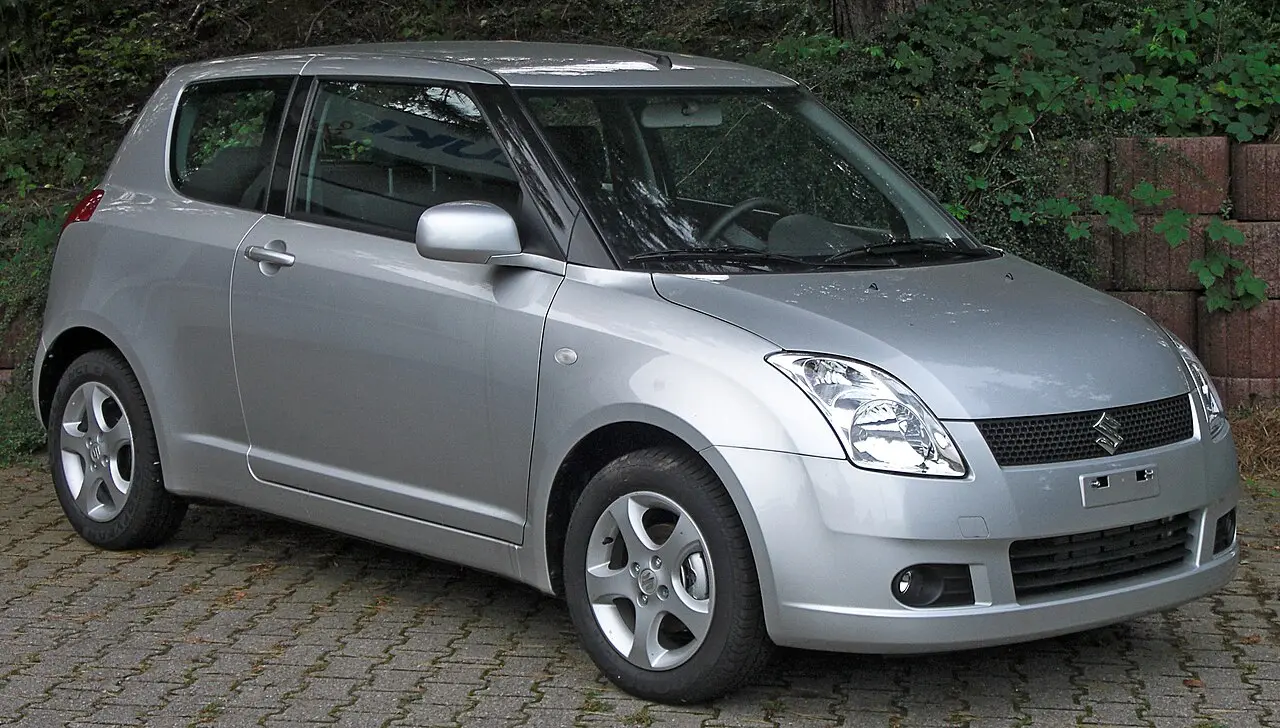
The generations in the Swift’s European and UK history run from III (2005–2010) and IV (2010–2017) through V (2017–2024) and VI (2024–today). Earlier generations include I (1985–1988) and II (1989–2003), sold in markets including the United States, Canada and the UK. Over time, the Swift developed from a straightforward small hatchback into a more contemporary compact, with hybrid power available in later versions. Suzuki has also offered the sportier Swift Sport in some markets.
Engines, power and official economy
In the EU, UK and US, listed engines range from 1.0 L to 1.6 L; the Canadian range is 1.3 L to 1.6 L. EU power runs from 55 kW (75 PS) to 103 kW (140 PS), while UK figures reach 129 kW (175 PS). Depending on market and year, fuel choices include petrol, diesel and hybrid, as well as alternative fuels in European listings.
The lowest stated EU consumption is 4.1 L/100 km on the WLTP test for petrol, diesel or hybrid versions. The EU plug-in hybrid’s 3.9 L/100 km WLTP figure is weighted and assumes some driving is electric. The lowest listed figures are 4.2 L/100 km on NEDC in the UK and 3.9 L/100 km on NEDC in France. The best US EPA figure is 42 MPG combined; Canada’s lowest is 6.8 L/100 km on the NRCan 5-cycle test. WLTP and NEDC in Europe, EPA in the US and the 5-cycle test in Canada use different procedures, so results are not directly comparable.
Where was the Swift sold?
The Swift appears in official figures for the EU, UK, France, the United States and Canada. The periods represented vary by market: 2010–2025 in the EU, 2000–2026 in the UK, 2012–2026 in France, 1985–2011 in the US and 1995–2011 in Canada. Suzuki began producing the modern Swift in Japan, Hungary and India in 2004–2005, helping establish it as an international small car.
Questions and answers
Is the Suzuki Swift a hatchback?
Yes. The Swift is Suzuki’s small passenger-car hatchback.
Does the Swift come as a hybrid?
Yes. Hybrid versions appear in EU, UK and French listings.
What is the Swift’s lowest official fuel consumption?
The lowest stated figure is 3.9 L/100 km for the EU plug-in hybrid on WLTP. It is a weighted figure that assumes some driving is electric.
When did the Swift generations listed for Europe begin?
Generation III began in 2005, followed by IV in 2010, V in 2017 and VI in 2024.
Model codes: A2L · Sold in: European Union, United Kingdom, and France · References: suzuki.co.nz, globalsuzuki.com
Show all 86 versions
Swift VI (since 2024)
Model codes: A2L · Sold in: European Union, United Kingdom, and France · References: suzuki.co.nz, globalsuzuki.com
European Union 7 versions
New cars registered in the EU (plus Norway and Iceland), from the European Environment Agency. Figures on the NEDC procedure until 2020 and on WLTP from 2021; versions are grouped by engine and power, with their number of registrations.
Years and version
Engine
Power
Fuel
Consumption (combined)
CO₂
EU registrations
2025
1.2 L
61 kW (83 PS)
Hybrid
4.6 L/100 km WLTP
102 g/km
40,348
2024–2025
1.2 L
60 kW (82 PS)
Hybrid
4.6 L/100 km WLTP
102 g/km
24,559
2025
1.2 L
61 kW (83 PS)
Petrol
4.5 L/100 km WLTP
101 g/km
2,228
2025
1.2 L
61 kW (83 PS)
Plug-in hybrid
4.5 L/100 km WLTP
102 g/km
561
2025
1.2 L
–
LPG
5.8 L/100 km WLTP
98 g/km
48
2024
1.2 L
61 kW (83 PS)
Hybrid
4.7 L/100 km WLTP
106 g/km
37,813
2024
1.4 L
10 kW (14 PS)
Hybrid
5.6 L/100 km WLTP
125 g/km
104
United Kingdom 9 versions
New cars on sale in the UK, from the Vehicle Certification Agency. NEDC figures until 2018 and WLTP figures after; years are the editions a version appeared in.
New cars on sale in France, from ADEME Car Labelling. NEDC figures until 2015, WLTP figures in the current catalogue.
Years and version
Engine
Power
Fuel
Gearbox
2026SWIFT 1.2 DUALJET PRIVILEGE ALLGRIP
1.2 L
61 kW (83 PS)
Hybrid
5-speed manual
2026SWIFT 1.2 DUALJET HYBRID AVANTAGE
1.2 L
61 kW (83 PS)
Hybrid
5-speed manual
2026SWIFT 1.2 DUALJET HYBRID PRIVILEGE AUTO (CVT)
1.2 L
61 kW (83 PS)
Hybrid
Continuously variable (CVT)
2026SWIFT SPORT
1.4 L
95 kW (129 PS)
Hybrid
6-speed manual
Versions outside these generations
United States 4 versions
Model years sold in the USA, from the EPA and the Department of Energy (fueleconomy.gov). MPG on the EPA test; litres per 100 km = 235.215 ÷ MPG.
Years and version
Engine
Fuel
Gearbox
Drive
Consumption (combined)
CO₂
2011
1.6 L
Petrol
4-speed automatic
Front-wheel drive
28 MPG (8.4 L/100 km) EPA
197 g/km
2011
1.6 L
Petrol
5-speed manual
Front-wheel drive
29 MPG (8.1 L/100 km) EPA
190 g/km
2004–2005EMS
1.6 L
Petrol
4-speed automatic
Front-wheel drive
26 MPG (9.0 L/100 km) EPA
212 g/km
2004–2005EMS
1.6 L
Petrol
5-speed manual
Front-wheel drive
27 MPG (8.7 L/100 km) EPA
205 g/km
Canada 2 versions
Model years sold in Canada, from Natural Resources Canada fuel consumption ratings (5-cycle test).
Years and version
Engine
Fuel
Gearbox
Consumption (combined)
CO₂
2004–2005Subcompact · Compact
1.6 L
Petrol
4-speed automatic
9.1 L/100 km 5-cycle
209 g/km
2004–2005Subcompact · Compact
1.6 L
Petrol
5-speed manual
8.9 L/100 km 5-cycle
205 g/km
Official figures are measured on standard test procedures and differ between markets. Your consumption depends on how, where and in what conditions you drive.