Subaru

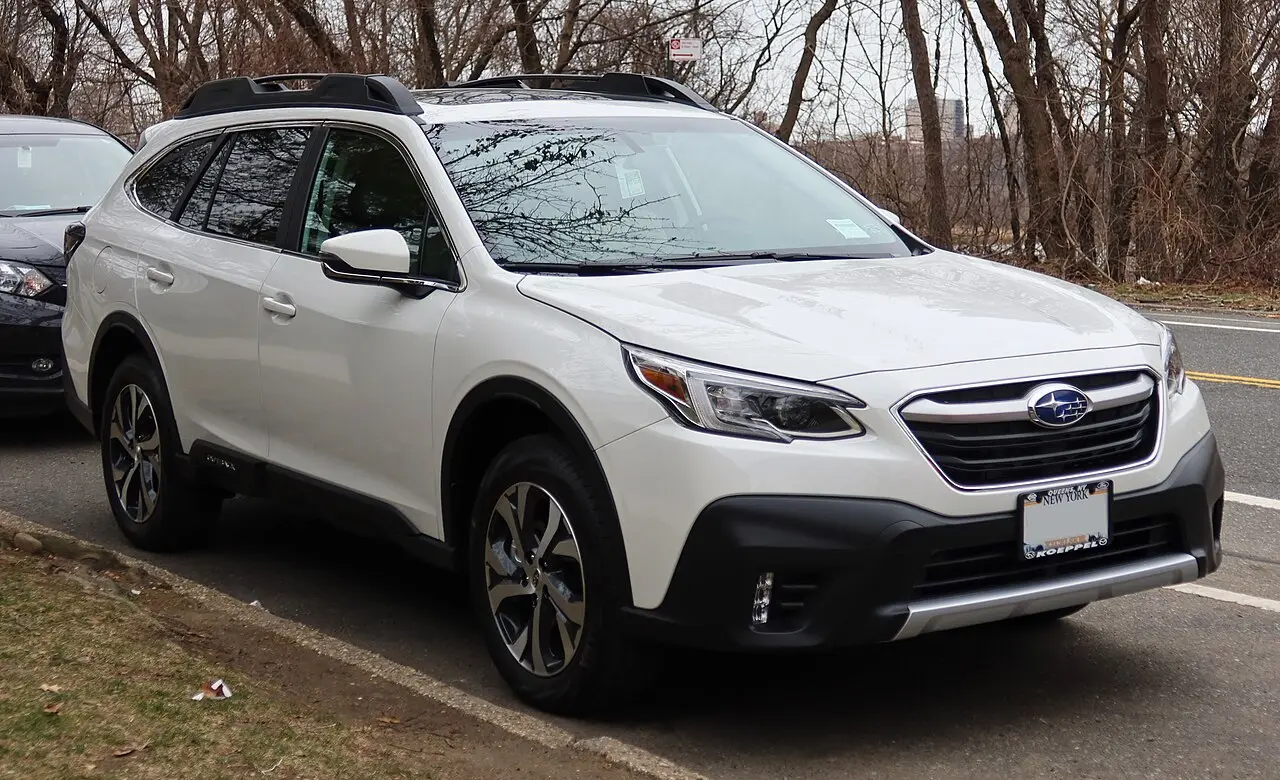
Subaru Outback

Subaru Outback
Photo: Kevauto / Wikimedia Commons · CC BY-SA 4.0

The official data lists 182 versions of the Subaru Outback (1997–2027), in the European Union, the United Kingdom, the United States, and Canada. Each market publishes its own figures, measured on its own test procedure.

At a glance

Years in the data
1997–2027
Markets
European Union, United Kingdom, United States, Canada
Engines
2.0 L to 3.6 L
Power
110 kW (150 PS) to 279 kW (379 PS)
Fuels
Petrol, Flex fuel (E85), LPG, Diesel, Natural gas, Electric
Lowest consumption (United Kingdom)
5.6 L/100 km (NEDC)
Lowest consumption (United States)
8.1 L/100 km (EPA)
Lowest consumption (Canada)
8.2 L/100 km (5-cycle)
New registrations in the EU
92,345

What is the Subaru Outback?

The Outback is a Subaru family car with a wagon body and a raised stance. Its roomy cabin and cargo space suit everyday trips as well as longer journeys. Subaru introduced it as a sport utility wagon, combining the practicality of a car with a more outdoors-oriented design.

The generations are BG (1997–1999), BH (2000–2004), BP (2005–2009), BR (2010–2014), BS (2015–2019), BT (2020–2025) and BU (2026–today). Over time, the Outback evolved from a wagon-based model into a more distinct crossover-style family car.

Engines and power

Engine choices have varied by generation and market. In the EU, engines range from 2.0 L to 3.6 L, with power from 110 kW (150 PS) to 194 kW (264 PS). The UK range covers 2.0 L to 3.6 L and 124 kW (169 PS) to 279 kW (379 PS); US and Canadian engines range from 2.4 L to 3.6 L. EU versions have used petrol, flex fuel E85, LPG, diesel, natural gas and other fuels. The US and Canadian versions use petrol.

How economical is the Subaru Outback?

The lowest consumption figure is 8.5 L/100 km in EU registrations, measured on WLTP. The UK figure is 5.6 L/100 km on NEDC, the US figure is 8.1 L/100 km under EPA testing, and Canada’s is 8.2 L/100 km on the NRCan 5-cycle test. These results are not directly comparable: European tests use WLTP or NEDC, the US uses EPA testing, and Canada uses its 5-cycle procedure.

Where was the Outback sold?

Official EU registration figures cover 2010–2025, with 92,345 registrations over that period. UK figures cover 2009–2026, US EPA listings cover 2003–2027, and Canadian NRCan listings cover 1997–2026.

Questions and answers

When did the Outback generations run?

The generations are BG (1997–1999), BH (2000–2004), BP (2005–2009), BR (2010–2014), BS (2015–2019), BT (2020–2025) and BU (2026–today).

What is the lowest listed fuel consumption?

The lowest figure is 5.6 L/100 km in UK NEDC figures.

What engine sizes and power are listed in the EU?

EU engines range from 2.0 L to 3.6 L, with power from 110 kW (150 PS) to 194 kW (264 PS).

Which markets have official figures?

Official figures cover EU registrations, the UK, the United States and Canada.
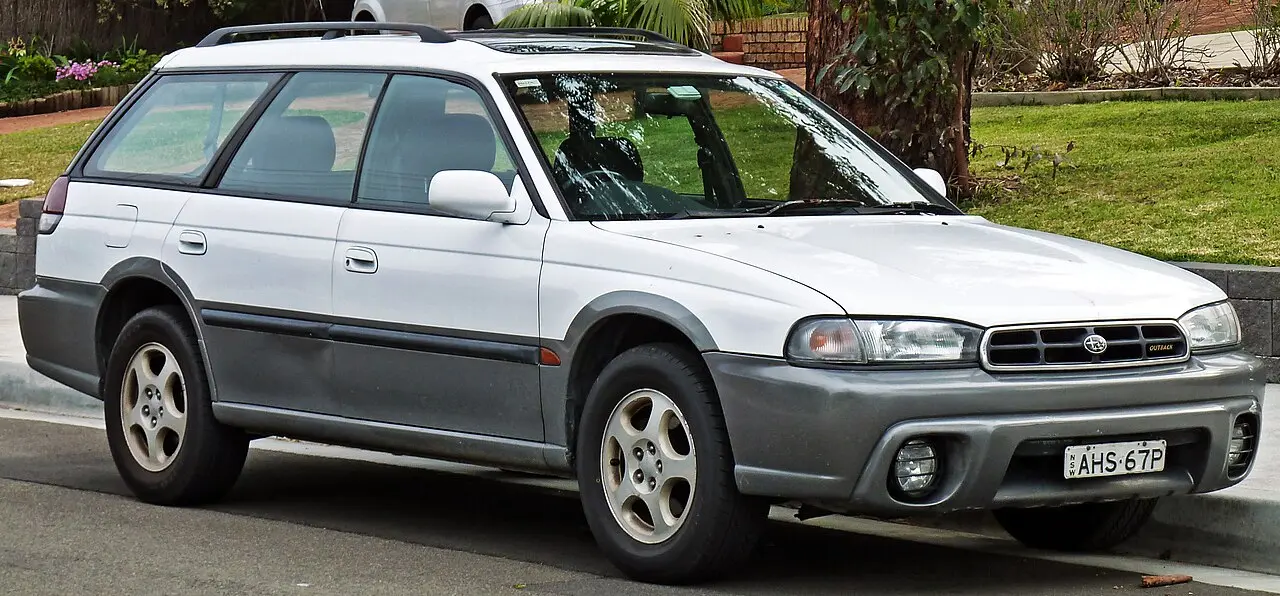
Outback first generation (1997–1999)

Subaru Outback first generation
Photo: OSX / Wikimedia Commons · Public domain

Model codes: BG · Sold in: Canada · References: en.wikipedia.org

Show all 4 versions

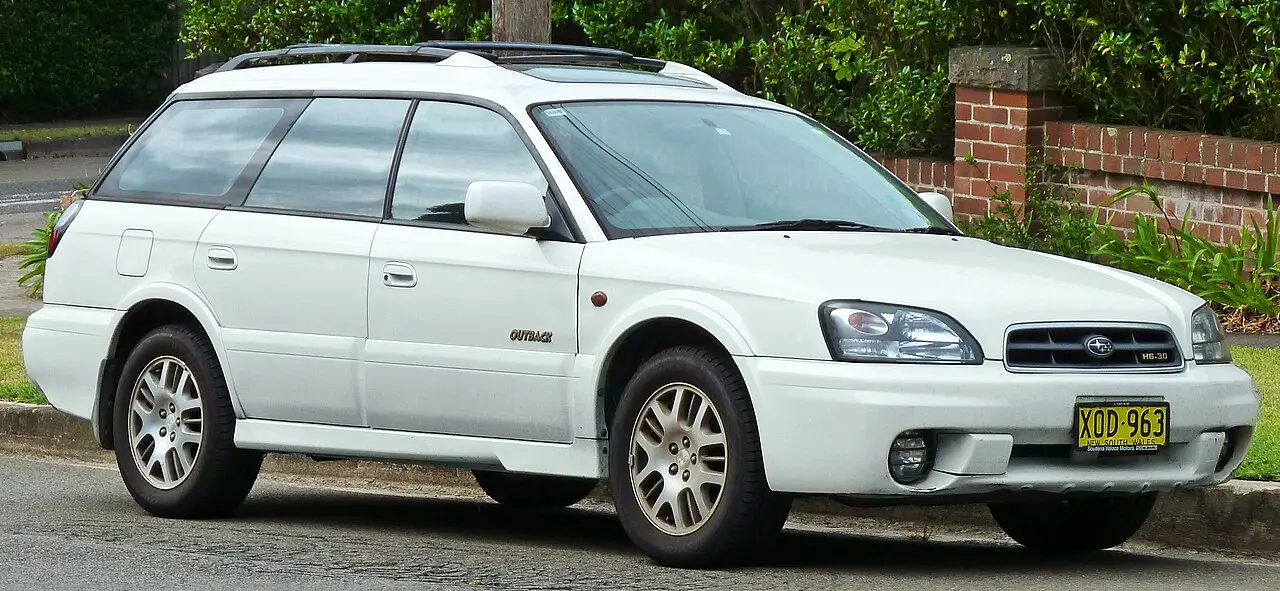
Outback second generation (2000–2004)

Subaru Outback second generation
Photo: OSX / Wikimedia Commons · Public domain

Model codes: BH · References: en.wikipedia.org

Show all 15 versions

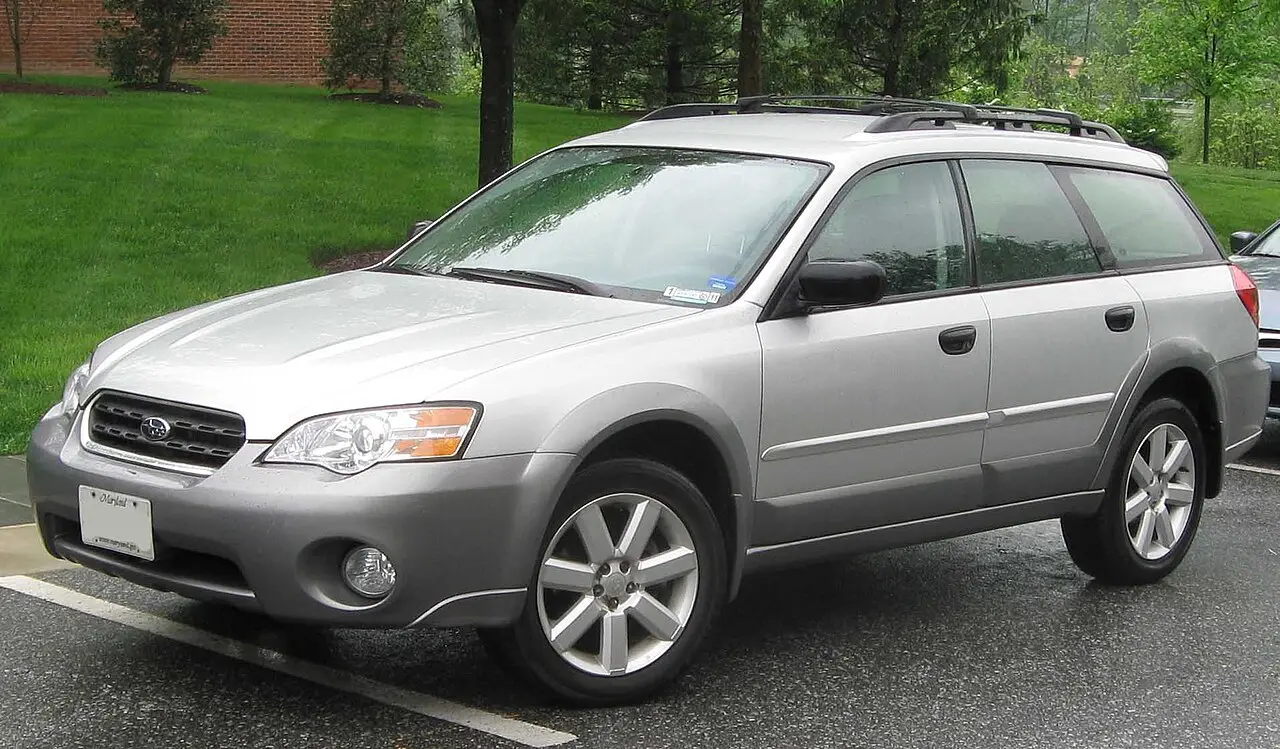
Outback third generation (2005–2009)

Subaru Outback third generation
Photo: IFCAR / Wikimedia Commons · Public domain

Model codes: BP · References: en.wikipedia.org

Show all 37 versions

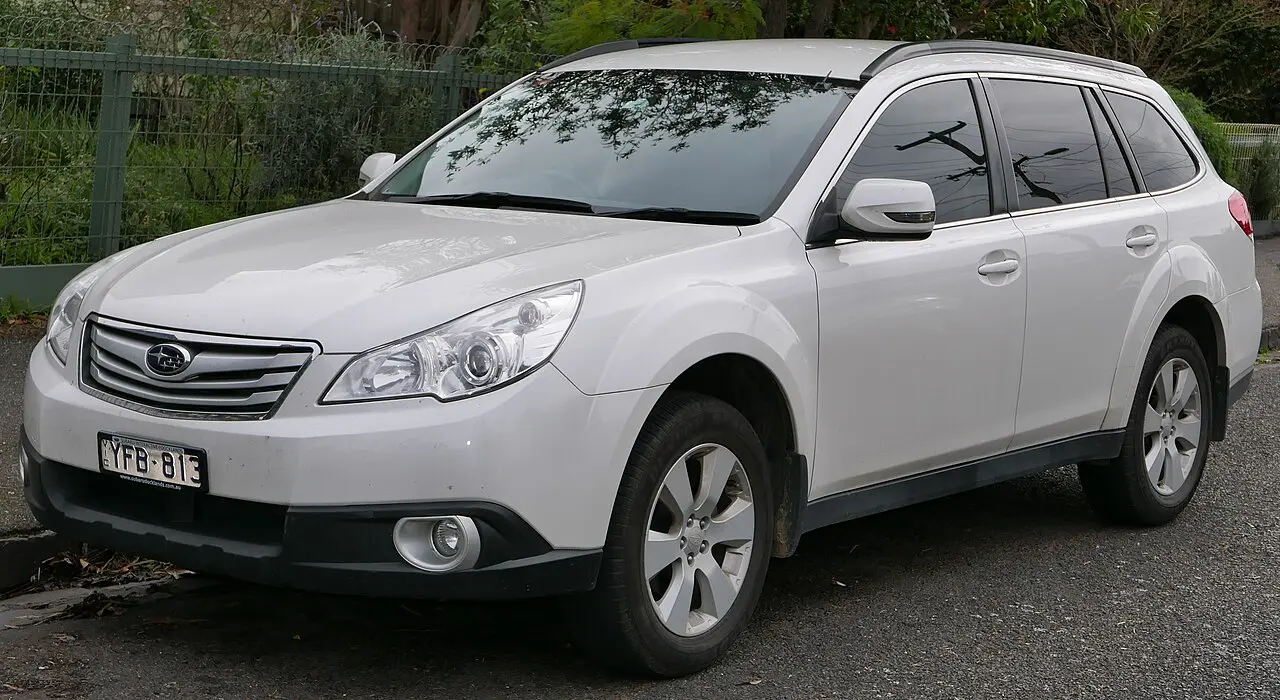
Outback fourth generation (2010–2014)

Subaru Outback fourth generation
Photo: OSX / Wikimedia Commons · Public domain

Model codes: BR · References: en.wikipedia.org

Show all 48 versions

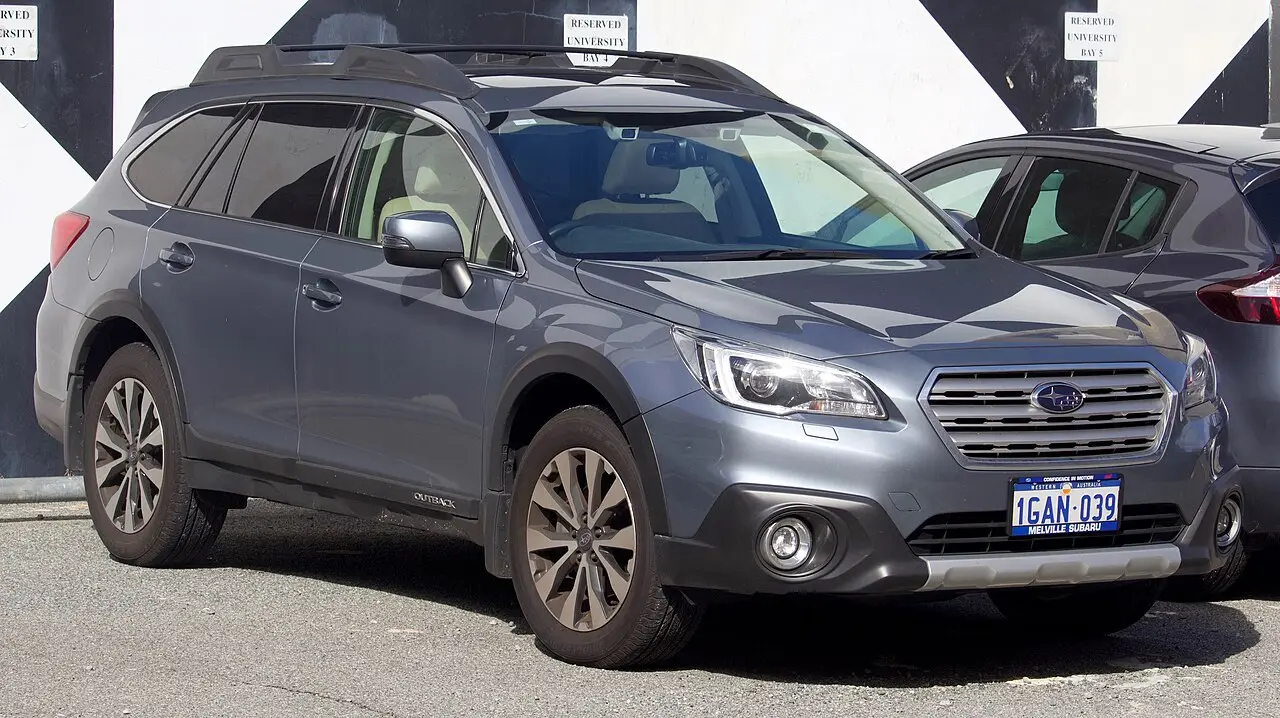
Outback fifth generation (2015–2019)

Subaru Outback fifth generation
Photo: EurovisionNim / Wikimedia Commons · CC BY-SA 4.0

Model codes: BS · References: en.wikipedia.org

Show all 37 versions

Outback sixth generation (2020–2025)

Subaru Outback sixth generation
Photo: Kevauto / Wikimedia Commons · CC BY-SA 4.0

Model codes: BT · References: en.wikipedia.org

Show all 31 versions

Outback seventh generation (since 2026)

Model codes: BU · References: en.wikipedia.org

United Kingdom 4 versions

New cars on sale in the UK, from the Vehicle Certification Agency. NEDC figures until 2018 and WLTP figures after; years are the editions a version appeared in.

Years and versionEnginePowerFuelConsumption (combined)CO₂Electric range
2026TouringElectric motor185 kW (252 PS)Electric16.6 kWh/100 km WLTP0 g/km483 km
2026Touring+Electric motor185 kW (252 PS)Electric16.6 kWh/100 km WLTP0 g/km484 km
2026AWDElectric motor279 kW (379 PS)Electric15.4 kWh/100 km WLTP0 g/km523 km
2026FieldElectric motor279 kW (379 PS)Electric16.5 kWh/100 km WLTP0 g/km482 km

United States 3 versions

Model years sold in the USA, from the EPA and the Department of Energy (fueleconomy.gov). MPG on the EPA test; litres per 100 km = 235.215 ÷ MPG.

Years and versionEngineFuelGearboxDriveConsumption (combined)CO₂
2026–2027SIDI2.4 LPetrolContinuously variable (CVT)All-wheel drive24 MPG (9.8 L/100 km) EPA229 g/km
2026–2027SIDI2.4 LPetrolContinuously variable (CVT)All-wheel drive23 MPG (10.2 L/100 km) EPA239 g/km
2026–2027SIDI2.5 LPetrolContinuously variable (CVT)All-wheel drive27 MPG (8.7 L/100 km) EPA205 g/km

Canada 3 versions

Model years sold in Canada, from Natural Resources Canada fuel consumption ratings (5-cycle test).

Years and versionEngineFuelGearboxConsumption (combined)CO₂
2026Sport utility vehicle: Small2.4 LPetrolContinuously variable (CVT)9.7 L/100 km 5-cycle229 g/km
2026Sport utility vehicle: Small2.4 LPetrolContinuously variable (CVT)10.2 L/100 km 5-cycle239 g/km
2026Sport utility vehicle: Small2.5 LPetrolContinuously variable (CVT)8.5 L/100 km 5-cycle199 g/km

Official figures are measured on standard test procedures and differ between markets. Your consumption depends on how, where and in what conditions you drive.