Škoda

Škoda Superb

Škoda Superb
Photo: Rutger van der Maar / Wikimedia Commons · CC BY 2.0

The official data lists 597 versions of the Škoda Superb (2002–2026), in the European Union, the United Kingdom, and France. Each market publishes its own figures, measured on its own test procedure.

At a glance

Years in the data
2002–2026
Markets
European Union, United Kingdom, France
Engines
1.4 L to 3.6 L
Power
77 kW (105 PS) to 206 kW (280 PS)
Fuels
Diesel, Petrol, Plug-in hybrid, Hybrid
Lowest consumption (European Union)
1.1 L/100 km (WLTP)
Lowest consumption (United Kingdom)
3.7 L/100 km (NEDC)
Lowest consumption (France)
4.2 L/100 km (NEDC)
Plug-in hybrid, weighted (European Union)
0.5 L/100 km (WLTP)
Plug-in hybrid, weighted (United Kingdom)
5.2 L/100 km (WLTP)
New registrations in the EU
1,491,958

What is the Škoda Superb?

The Superb is Škoda’s large family car and flagship, with generous passenger space and a practical boot. It has been offered as a hatchback and an estate, which Škoda calls the Combi. The modern Superb returned in 2001, reviving a name used for the company’s earlier luxury cars. Space and comfort have been central to its role at the top of the range.

Superb generations

Generation I (2002–2008) was a spacious saloon and marked Škoda’s return to the large family-car class. Generation II (2008–2015) introduced the TwinDoor rear opening, which could open as a boot lid or a full hatch, and added the Combi estate. Generation III (2015–2023) brought a more expressive design, driver assistance and modern connectivity; a plug-in hybrid joined the range in 2019. Generation IV (2024–today) continues in hatchback and estate forms with updated interior technology and a broad choice of powertrains.

Engines, power and official economy

In EU registrations from 2010 to 2025, the Superb spans 1.4 to 3.6-litre engines and 77 kW (105 PS) to 210 kW (286 PS). Recorded fuels include petrol, diesel, hybrid and plug-in hybrid. The lowest listed EU consumption for petrol, diesel and hybrid versions is 1.1 L/100 km WLTP. The plug-in hybrid low is 0.5 L/100 km WLTP, a weighted official figure that assumes some journeys use electric power.

UK VCA figures from 2002 to 2026 span the same engine-size range and 77 kW (105 PS) to 195 kW (265 PS). The lowest listed conventional figure is 3.7 L/100 km NEDC; the plug-in hybrid low is 5.2 L/100 km WLTP, also weighted for electric driving. France’s ADEME figures from 2012 to 2015 show 77 kW (105 PS) to 191 kW (260 PS), with a 4.2 L/100 km NEDC low. WLTP and NEDC are different European test procedures, so results should be read alongside their stated procedure and market.

Where was the Superb sold?

EU registrations total 1,491,958 from 2010 to 2025. Among the leading versions in those figures, 2.0-litre diesels feature prominently. The Superb’s roomy cabin and estate option have made it a familiar family and company car across Europe.

Questions and answers

Is the Superb a hatchback or an estate?

It has been sold as a hatchback and, from the second generation, as a Combi estate.

What is the Superb’s lowest EU consumption figure?

The lowest listed conventional petrol, diesel or hybrid result is 1.1 L/100 km WLTP. The plug-in hybrid low is 0.5 L/100 km WLTP, weighted for electric driving.

How powerful are Superb versions?

EU figures span 77 kW (105 PS) to 210 kW (286 PS), with different ranges in the UK and France.
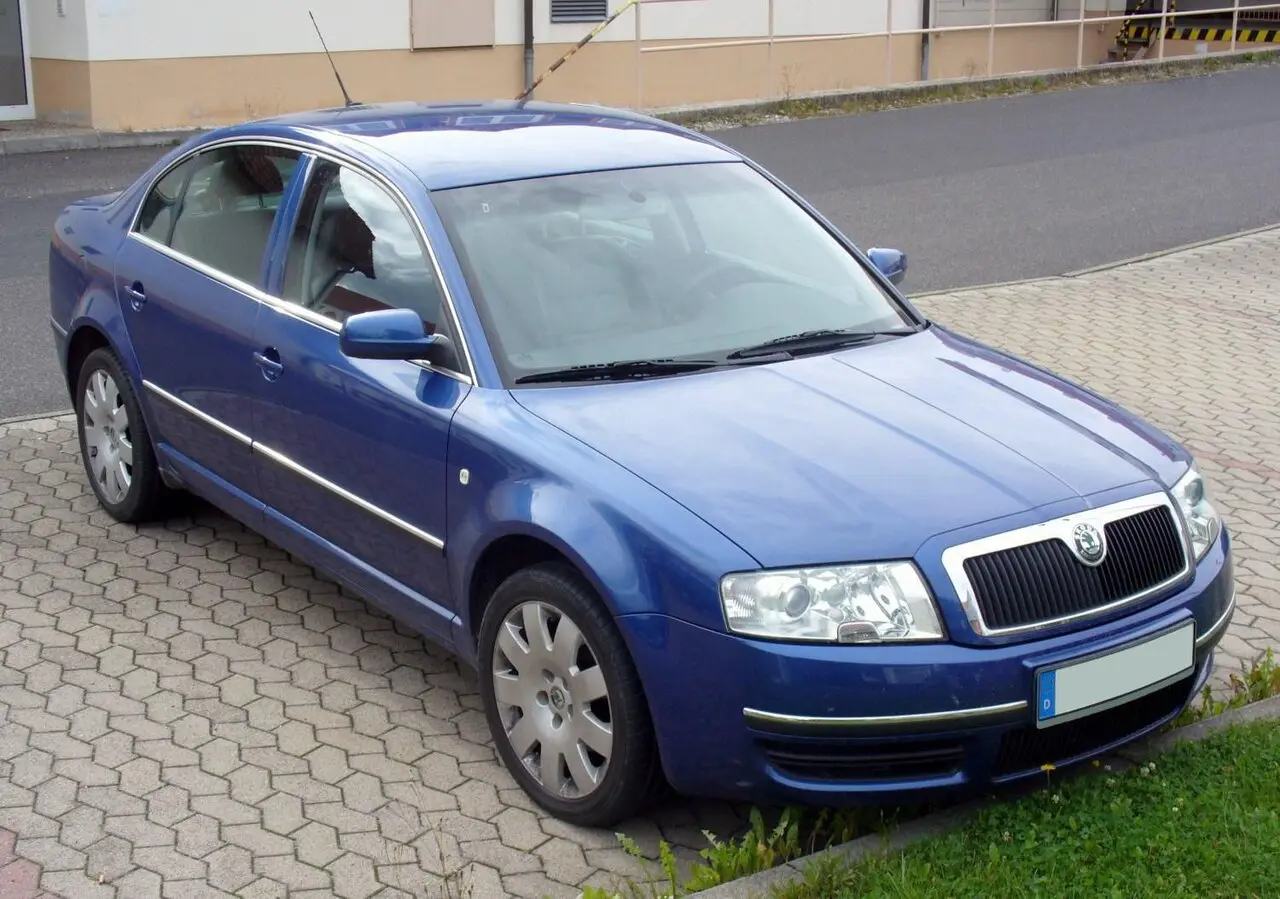
Superb I (2002–2008)

Škoda Superb I
Photo: Thomas doerfer / Wikimedia Commons · CC BY-SA 3.0

Model codes: 3U · References: en.wikipedia.org, skoda-storyboard.com

Show all 41 versions

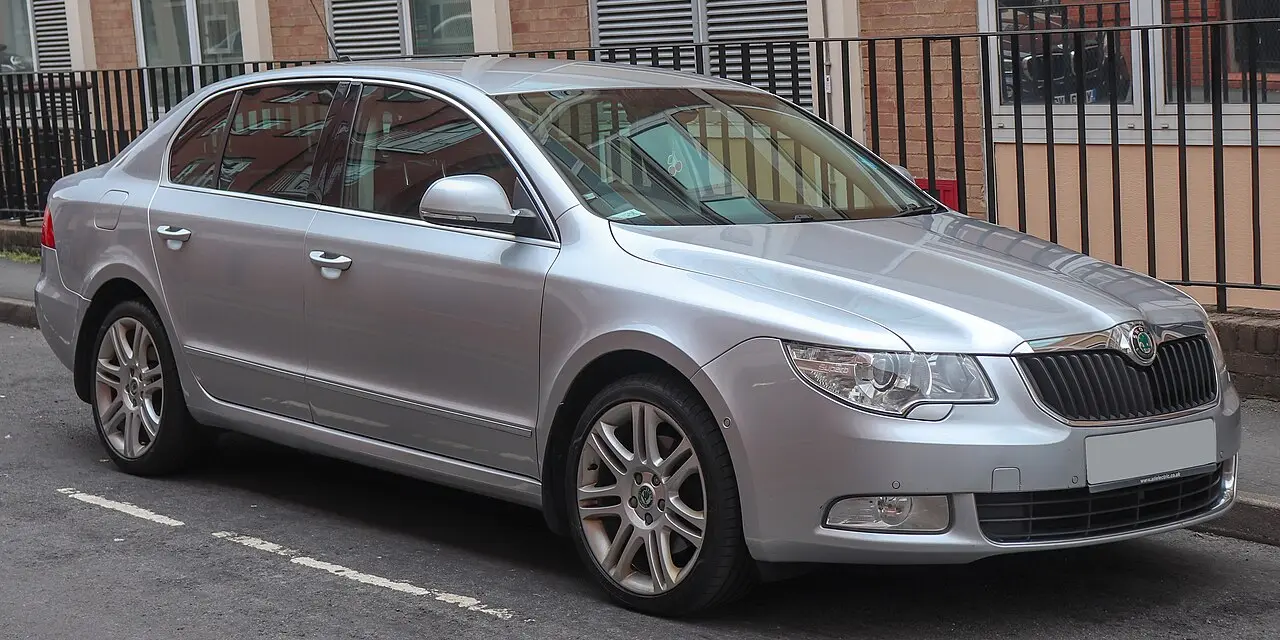
Superb II (2008–2015)

Škoda Superb II
Photo: Vauxford / Wikimedia Commons · CC BY-SA 4.0

Model codes: 3T · References: en.wikipedia.org, skoda-auto.com

Show all 299 versions

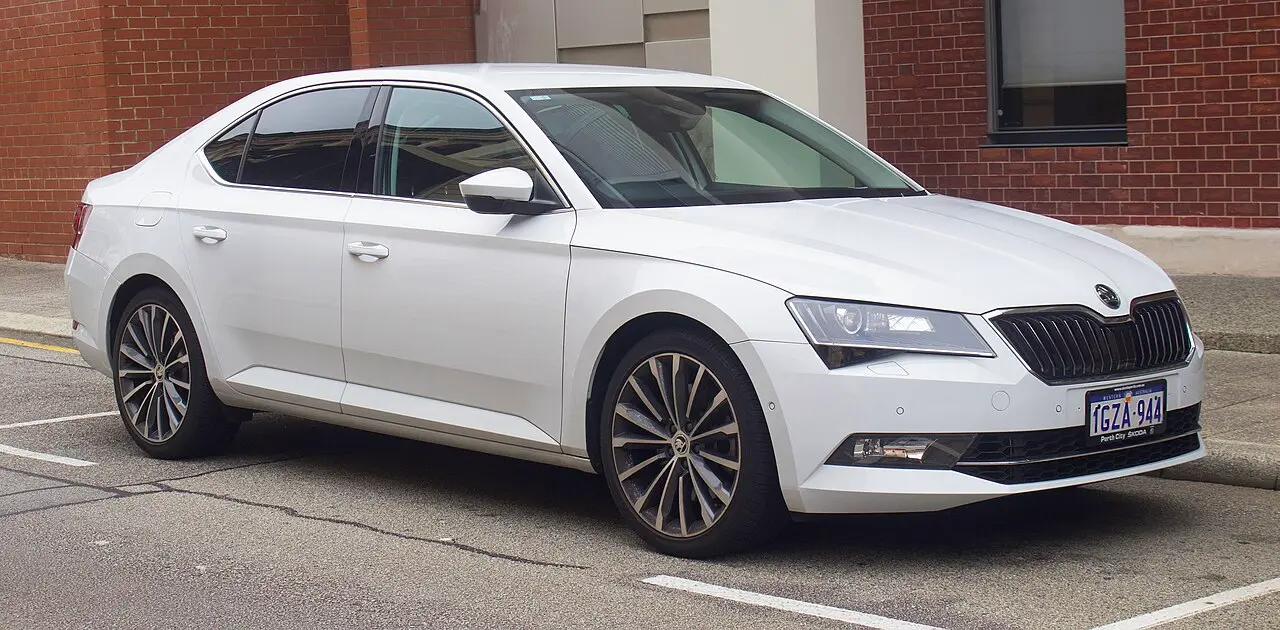
Superb III (2015–2023)

Škoda Superb III
Photo: EurovisionNim / Wikimedia Commons · CC BY-SA 4.0

Model codes: 3V · References: skoda-storyboard.com, en.wikipedia.org

Show all 273 versions

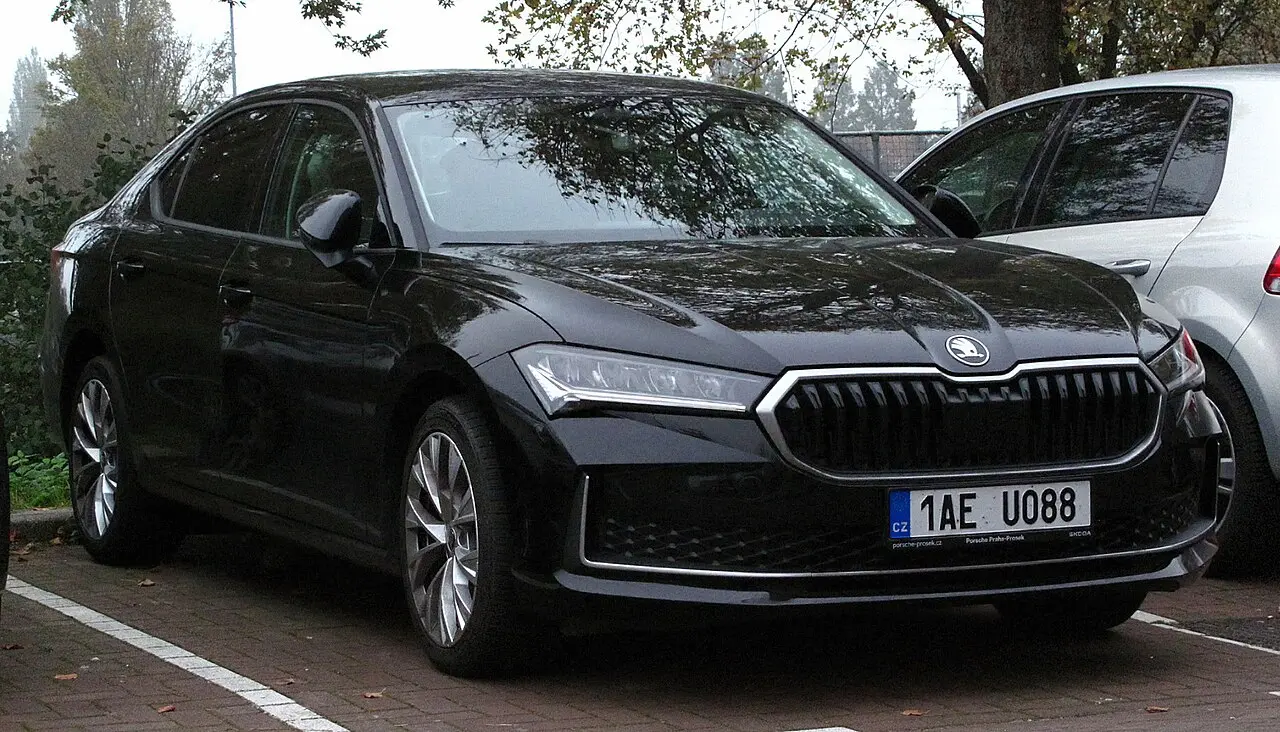
Superb IV (since 2024)

Škoda Superb IV
Photo: Rutger van der Maar / Wikimedia Commons · CC BY 2.0

Model codes: 3Y · References: skoda-storyboard.com, skoda.at

European Union 21 versions

New cars registered in the EU (plus Norway and Iceland), from the European Environment Agency. Figures on the NEDC procedure until 2020 and on WLTP from 2021; versions are grouped by engine and power, with their number of registrations.

Years and versionEnginePowerFuelConsumption (combined)CO₂Electric rangeEU registrations
20252.0 L110 kW (150 PS)Diesel5.0 L/100 km WLTP132 g/km–13,367
20251.5 L110 kW (150 PS)Plug-in hybrid0.5 L/100 km WLTP16.2 kWh/100 km WLTP13 g/km127 km12,118
20252.0 L142 kW (193 PS)Diesel5.9 L/100 km WLTP6.9 kWh/100 km WLTP155 g/km–8,011
20251.5 L110 kW (150 PS)Hybrid5.4 L/100 km WLTP6.9 kWh/100 km WLTP124 g/km–5,514
20252.0 L195 kW (265 PS)Petrol7.8 L/100 km WLTP18.0 kWh/100 km WLTP177 g/km–4,931
20252.0 L150 kW (204 PS)Petrol6.8 L/100 km WLTP154 g/km–1,164
20251.5 L110 kW (150 PS)Petrol5.7 L/100 km WLTP130 g/km–1,002
20252.0 L147 kW (200 PS)Diesel6.0 L/100 km WLTP156 g/km–67
20251.4 L115 kW (156 PS)Plug-in hybrid1.1 L/100 km WLTP14.8 kWh/100 km WLTP31 g/km60 km17
20242.0 L110 kW (150 PS)Diesel5.1 L/100 km WLTP134 g/km–16,829
20242.0 L142 kW (193 PS)Diesel5.8 L/100 km WLTP154 g/km–7,247
20241.5 L110 kW (150 PS)Hybrid5.5 L/100 km WLTP124 g/km–6,375
20242.0 L147 kW (200 PS)Diesel5.7 L/100 km WLTP154 g/km–5,551
20241.5 L110 kW (150 PS)Plug-in hybrid0.5 L/100 km WLTP16.5 kWh/100 km WLTP10 g/km126 km3,737
20241.5 L110 kW (150 PS)Petrol6.1 L/100 km WLTP143 g/km–2,652
20242.0 L195 kW (265 PS)Petrol6.9 L/100 km WLTP179 g/km–2,192
20242.0 L140 kW (190 PS)Petrol6.2 L/100 km WLTP158 g/km–1,794
20241.4 L115 kW (156 PS)Plug-in hybrid1.2 L/100 km WLTP15.4 kWh/100 km WLTP30 g/km58 km1,486
20242.0 L206 kW (280 PS)Petrol7.4 L/100 km WLTP190 g/km–1,037
20241.4 L115 kW (156 PS)Petrol1.1 L/100 km WLTP14.8 kWh/100 km WLTP101 g/km–99
20242.0 L150 kW (204 PS)Petrol6.4 L/100 km WLTP159 g/km–13

United Kingdom 40 versions

New cars on sale in the UK, from the Vehicle Certification Agency. NEDC figures until 2018 and WLTP figures after; years are the editions a version appeared in.

Years and versionEnginePowerFuelGearboxConsumption (combined)CO₂Electric range
2025–2026SE L 1.5 TSI e-TEC 150PS DSG · SportLine 1.5 TSI e-TEC 150PS DSG · SE Technology 1.5 TSI e-TEC 150PS DSG and 1 more trim1.5 L110 kW (150 PS)Hybrid7-speed automatic5.0 L/100 km WLTP124 g/km–
2025–2026SE L 1.5 TSI e-TEC 150PS DSG1.5 L110 kW (150 PS)Hybrid7-speed automatic6.0 L/100 km WLTP128 g/km–
2025–2026SE Technology 1.5 TSI e-TEC 150PS DSG1.5 L110 kW (150 PS)Hybrid7-speed automatic5.4 L/100 km WLTP122 g/km–
2025–2026SportLine 1.5 TSI e-TEC 150PS DSG1.5 L110 kW (150 PS)Hybrid7-speed automatic5.0 L/100 km WLTP120 g/km–
2025–2026SportLine 1.5 TSI e-TEC 150PS DSG1.5 L110 kW (150 PS)Hybrid7-speed automatic6.0 L/100 km WLTP127 g/km–
2025–2026SE L 1.5 TSI e-TEC 150PS DSG1.5 L110 kW (150 PS)Hybrid7-speed automatic5.0 L/100 km WLTP121 g/km–
2025–2026SE Technology 1.5 TSI e-TEC 150PS DSG1.5 L110 kW (150 PS)Hybrid7-speed automatic5.0 L/100 km WLTP117 g/km–
2025–2026SportLine 1.5 TSI e-TEC 150 PS DSG1.5 L110 kW (150 PS)Hybrid7-speed automatic5.0 L/100 km WLTP122 g/km–
2025–2026Laurin & Klement 1.5 TSI iV 204PS DSG1.5 L150 kW (204 PS)Plug-in hybrid6-speed automatic5.5 L/100 km WLTP16.5 kWh/100 km WLTP–125 km
2025–2026SE L 1.5 TSI iV 204 PS DSG1.5 L150 kW (204 PS)Plug-in hybrid6-speed automatic5.4 L/100 km WLTP16.5 kWh/100 km WLTP–126 km
2025–2026SE Technology 1.5 TSI iV 204 PS DSG1.5 L150 kW (204 PS)Plug-in hybrid6-speed automatic5.2 L/100 km WLTP15.7 kWh/100 km WLTP–134 km
2025–2026SportLine 1.5 TSI iV 204 PS DSG1.5 L150 kW (204 PS)Plug-in hybrid6-speed automatic5.5 L/100 km WLTP16.7 kWh/100 km WLTP–125 km
2025–2026SE L 2.0 TDI 150PS DSG SCR · SportLine 2.0 TDI 150PS DSG SCR · SE L 2.0 TDI 150 PS DSG and 2 more trims2.0 L110 kW (150 PS)Diesel7-speed automatic5.0 L/100 km WLTP134 g/km–
2025–2026SE L 2.0 TDI 150PS DSG SCR · SE Technology 2.0 TDI 150PS DSG · SportLine 2.0 TDI 150PS DSG SCR2.0 L110 kW (150 PS)Diesel7-speed automatic5.0 L/100 km WLTP137 g/km–
2025–2026SE Technology 2.0 TDI 150PS DSG2.0 L110 kW (150 PS)Diesel7-speed automatic4.9 L/100 km WLTP129 g/km–
2025–2026SE Technology 2.0 TDI 150PS DSG2.0 L110 kW (150 PS)Diesel7-speed automatic5.0 L/100 km WLTP129 g/km–
2025–2026SE L 2.0 TDI 150 PS DSG2.0 L110 kW (150 PS)Diesel7-speed automatic5.0 L/100 km WLTP131 g/km–
2025–2026SE L 2.0 TDI 193PS DSG 4x42.0 L110 kW (150 PS)Diesel7-speed automatic6.0 L/100 km WLTP152 g/km–
2025–2026SE L 2.0 TDI 193PS DSG 4x42.0 L110 kW (150 PS)Diesel7-speed automatic6.0 L/100 km WLTP156 g/km–
2025–2026SE Technology 2.0 TDI 150 PS DSG2.0 L110 kW (150 PS)Diesel7-speed automatic5.0 L/100 km WLTP127 g/km–
2025–2026SportLine 2.0 TDI 150PS DSG2.0 L110 kW (150 PS)Diesel7-speed automatic5.0 L/100 km WLTP132 g/km–
2025–2026Laurin & Klement 2.0 TDI 193PS DSG 4x42.0 L141 kW (192 PS)Diesel7-speed automatic6.0 L/100 km WLTP156 g/km–
2025–2026Laurin & Klement 2.0 TDI 193PS DSG 4x4 · SE L 2.0 TDI 193PS DSG 4x42.0 L141 kW (192 PS)Diesel7-speed automatic6.0 L/100 km WLTP159 g/km–
2025–2026SE L 2.0 TDI 193PS DSG 4x4 · Laurin & Klement 2.0 TDI 193PS DSG 4x42.0 L141 kW (192 PS)Diesel7-speed automatic6.0 L/100 km WLTP154 g/km–
2025–2026SportLine 2.0 TDI 193PS DSG 4x42.0 L141 kW (192 PS)Diesel7-speed automatic6.0 L/100 km WLTP153 g/km–
2025–2026SportLine 2.0 TDI 193PS DSG 4x42.0 L141 kW (192 PS)Diesel7-speed automatic6.0 L/100 km WLTP155 g/km–
2025–2026SportLine 2.0 TSI 204PS DSG2.0 L150 kW (204 PS)Petrol7-speed automatic7.0 L/100 km WLTP154 g/km–
2025–2026SportLine 2.0 TSI 204PS DSG2.0 L150 kW (204 PS)Petrol7-speed automatic7.0 L/100 km WLTP157 g/km–
2025–2026Laurin & Klement 2.0 TSI 204PS DSG2.0 L150 kW (204 PS)Petrol7-speed automatic7.0 L/100 km WLTP156 g/km–
2025–2026Laurin & Klement 2.0 TSI 204PS DSG · SE L 2.0 TSI 204PS DSG2.0 L150 kW (204 PS)Petrol7-speed automatic7.0 L/100 km WLTP158 g/km–
2025–2026SE L 2.0 TSI 204PS DSG · Laurin & Klement 2.0 TSI 204PS DSG · SportLine 2.0 TSI 204PS DSG2.0 L150 kW (204 PS)Petrol7-speed automatic7.0 L/100 km WLTP154 g/km–
2025–2026Laurin & Klement 2.0 TSI 204PS DSG · SportLine 2.0 TSI 204PS DSG2.0 L150 kW (204 PS)Petrol7-speed automatic7.0 L/100 km WLTP152 g/km–
2025–2026SE L 2.0 TSI 204PS DSG2.0 L150 kW (204 PS)Petrol7-speed automatic7.0 L/100 km WLTP151 g/km–
2025–2026Laurin & Klement 2.0 TSI 265PS DSG 4x42.0 L195 kW (265 PS)Petrol7-speed automatic8.0 L/100 km WLTP178 g/km–
2025–2026Laurin & Klement 2.0 TSI 265PS DSG 4x42.0 L195 kW (265 PS)Petrol7-speed automatic8.0 L/100 km WLTP181 g/km–
2025–2026SportLine 2.0 TSI 265 PS 4x4 DSG · Laurin & Klement 2.0 TSI 265PS DSG 4x42.0 L195 kW (265 PS)Petrol7-speed automatic8.0 L/100 km WLTP177 g/km–
2025–2026SportLine 2.0 TSI 265 PS 4x4 DSG2.0 L195 kW (265 PS)Petrol7-speed automatic8.0 L/100 km WLTP180 g/km–
2025–2026Laurin & Klement 2.0 TSI 265PS DSG 4x4 · SportLine 2.0 TSI 265 PS 4x4 DSG2.0 L195 kW (265 PS)Petrol7-speed automatic8.0 L/100 km WLTP175 g/km–
2025–2026SportLine 2.0 TDI 193PS DSG 4x42.0 L141 kW (192 PS)Diesel7-speed automatic6.0 L/100 km WLTP155 g/km–
2025–2026SportLine 2.0 TDI 193PS DSG 4x42.0 L141 kW (192 PS)Diesel7-speed automatic6.0 L/100 km WLTP158 g/km–

Official figures are measured on standard test procedures and differ between markets. Your consumption depends on how, where and in what conditions you drive.