What kind of car is the SEAT Ibiza?
The Ibiza is a small hatchback that works well for everyday journeys around town and beyond. It is one of the most compact cars in SEAT’s range. First launched in 1984, it became a defining model for the Spanish maker; its original design was by Giorgetto Giugiaro.
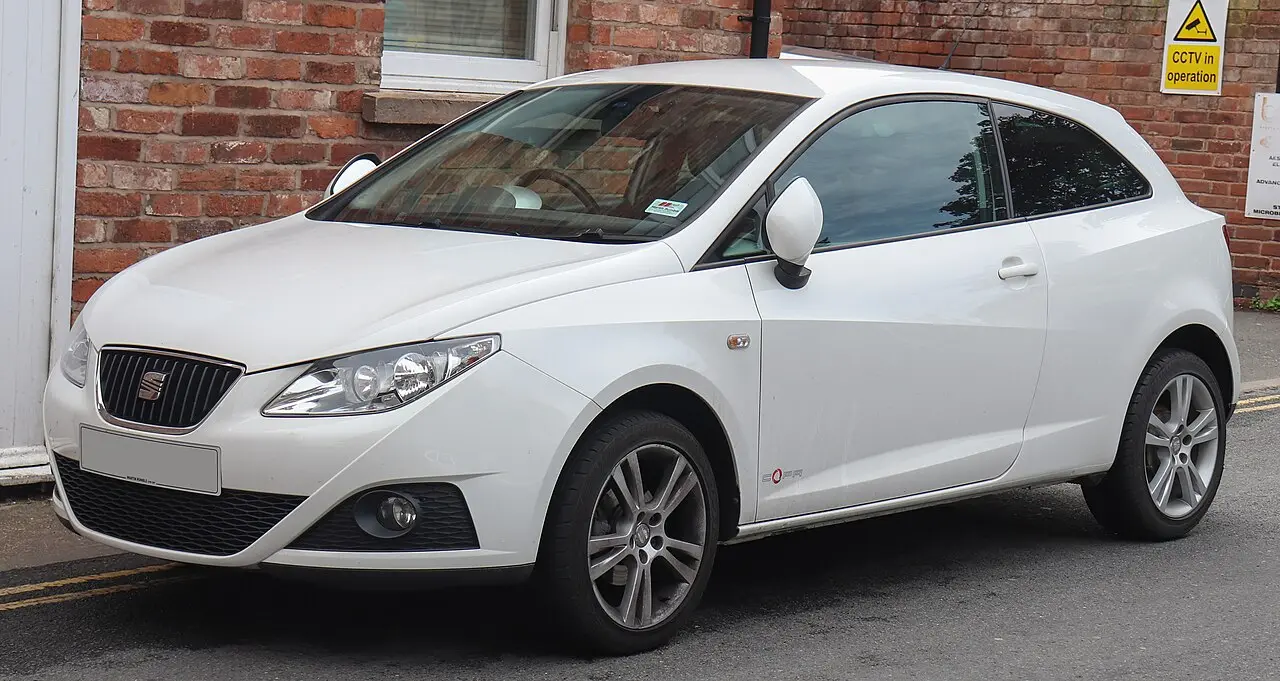
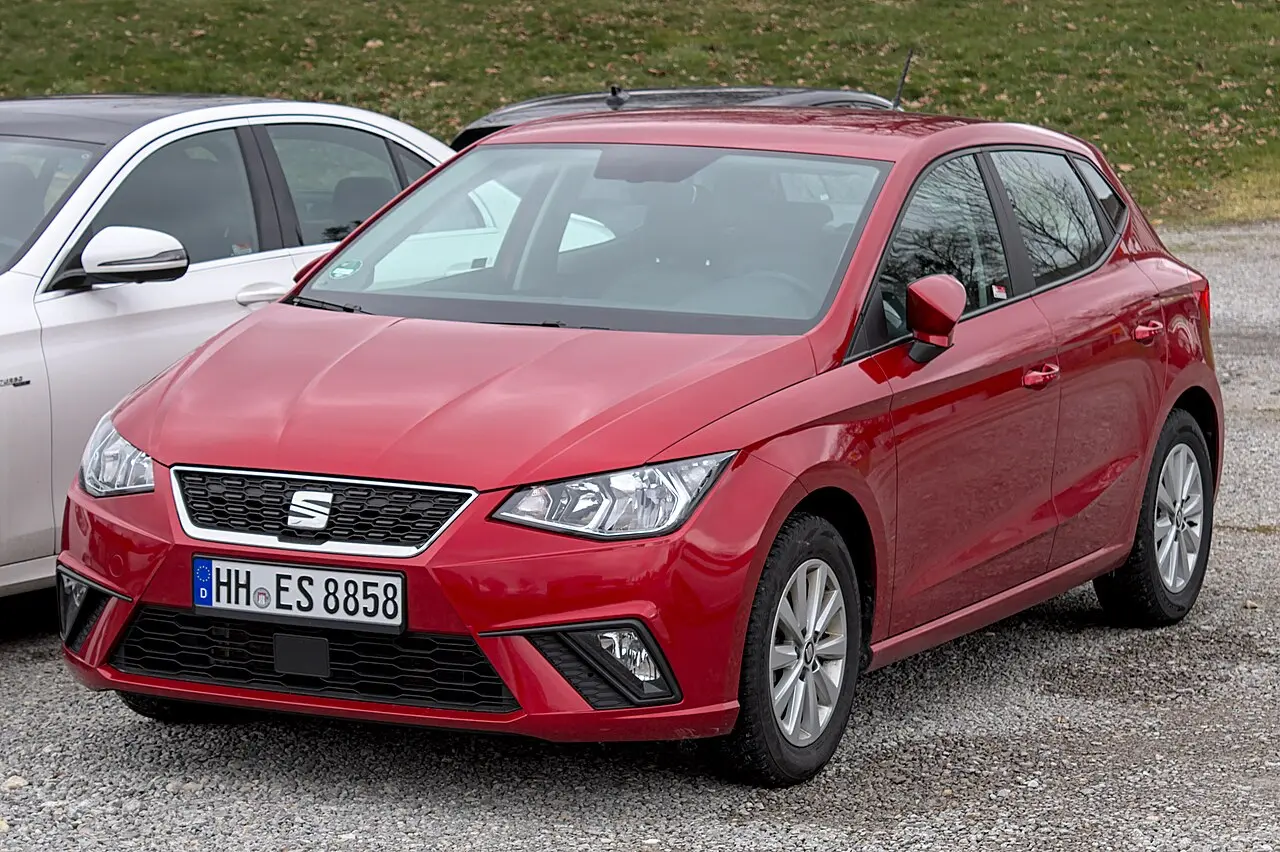
The generations covered here are the Mk4 (2010–2017, codes 6J and 6P) and Mk5 (2017–today, code 6F). The Mk5 introduced the Volkswagen Group’s MQB A0 platform to the Ibiza, bringing a new foundation for the car’s design and engineering.
Engines and power
Across the European Union, Ibiza engines range from 1.0 L to 2.0 L, with power from 44 kW (60 PS) to 132 kW (179 PS). Petrol, diesel, natural gas and LPG versions have been available, alongside versions classified as other fuels. In the UK, engines also range from 1.0 L to 2.0 L, with power from 45 kW (61 PS) to 132 kW (180 PS). French figures show power from 44 kW (60 PS) to 132 kW (179 PS).
How economical is the SEAT Ibiza?
The lowest listed EU consumption is 4.5 L/100 km on the WLTP test. The UK low is 3.5 L/100 km, and the French low is 3.4 L/100 km, both on the older NEDC test. WLTP and NEDC are different procedures, so these market figures are not directly comparable.
Official EU registration figures total 2,743,311 Ibizas from 2010–2025. UK figures span 2000–2026, while the French figures span 2012–2015.
Where was the Ibiza sold?
The Ibiza has been an export model since its early years, and SEAT’s history describes it as reaching many countries.
Questions and answers
When did the current Ibiza generation begin?
The Mk5 began in 2017 and is listed as continuing today.
What is the lowest official Ibiza consumption figure?
The lowest is 3.4 L/100 km on the French NEDC test. The EU low is 4.5 L/100 km on WLTP, while the UK low is 3.5 L/100 km on NEDC.
What fuels have been available?
EU versions include petrol, diesel, natural gas and LPG, as well as versions classified as other fuels. UK versions include petrol and diesel.