What is the Renault Master?
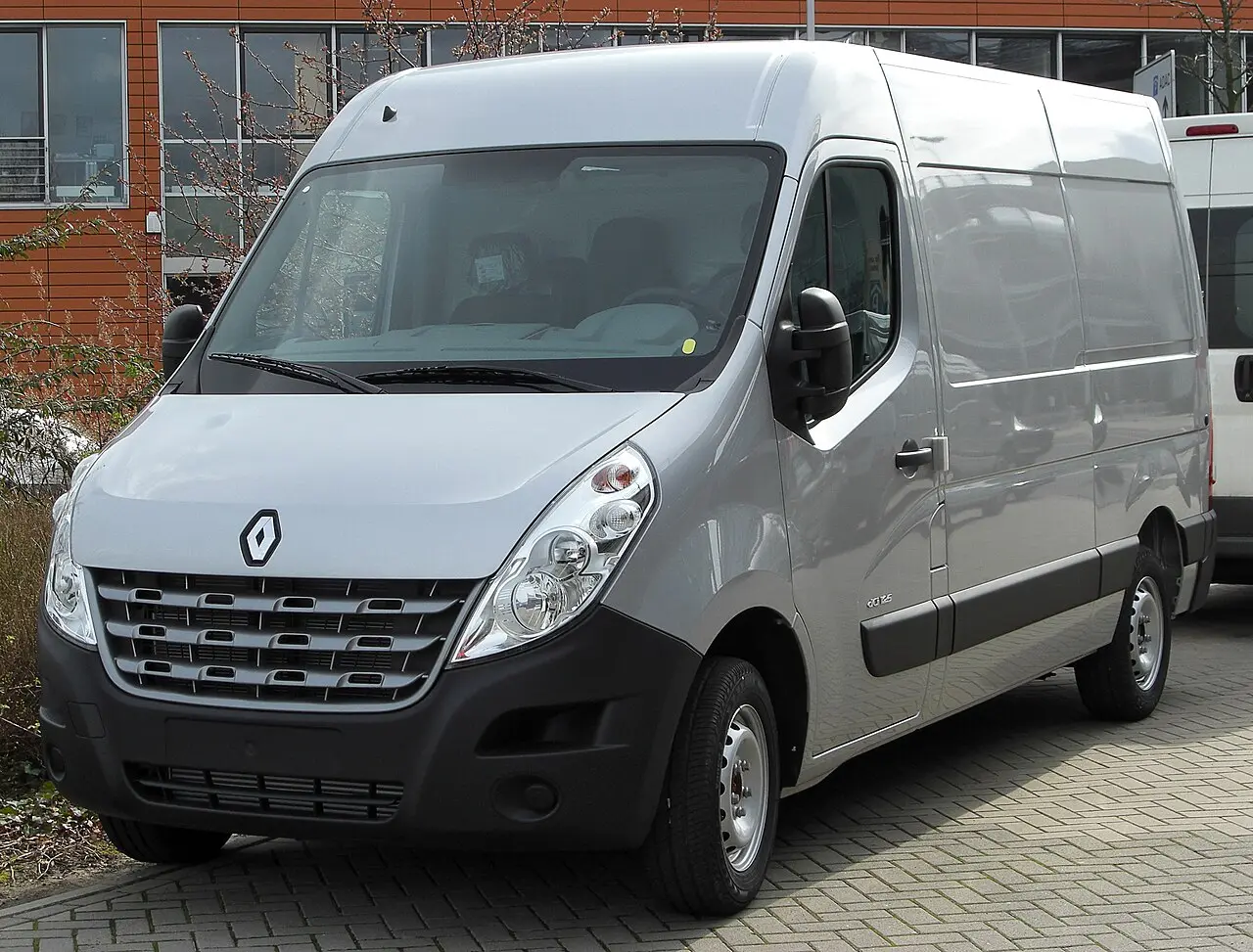
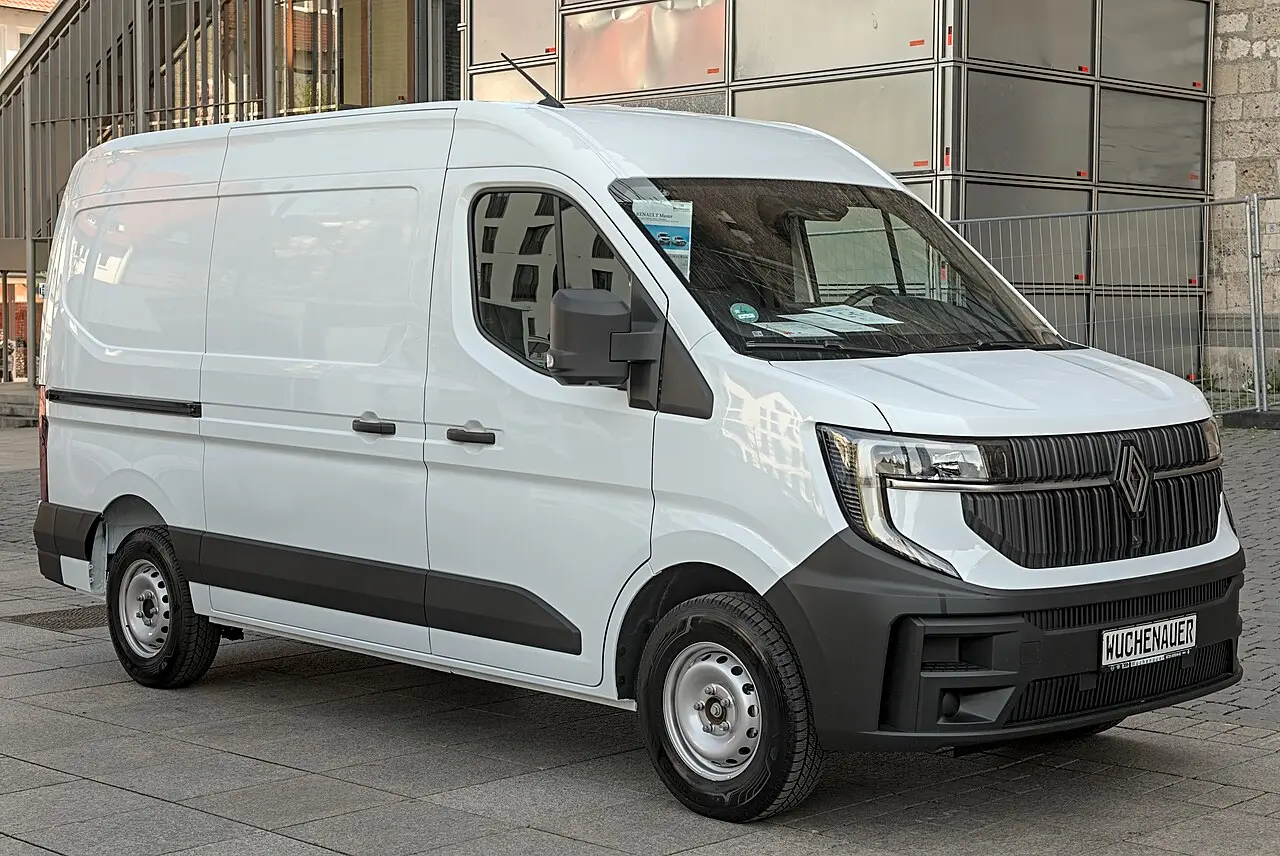
The Master is Renault’s large van, built for carrying goods and adapted working roles. It sits at the practical end of the Renault range, with diesel and electric power represented across its generations. Master III (2010–2024) was followed by Master IV (2024–today), which Renault calls an “Aerovan” and describes as multi-energy.
The fourth generation brought a new exterior design and additional powertrain choices. The Master continues to serve as a base for a variety of commercial vehicles.
Engines and power
EU figures cover diesel engines from 2.3 L to 2.5 L, along with electric and other versions. Across those versions, power ranges from 74 kW (101 PS) to 188 kW (256 PS). France’s ADEME figures cover diesel models with power from 74 kW (101 PS) to 120 kW (163 PS). Leading EU registration entries include a 2.5 L diesel and later 2.3 L diesels, including a 107 kW (145 PS) version.
How economical is the Renault Master?
The lowest listed EU figure is 9.1 L/100 km on WLTP, while the French figure is 6.4 L/100 km on NEDC. These figures use different European test procedures and are not directly comparable. The USA uses EPA ratings, while Canada uses a 5-cycle test. The French figure covers 2012–2015; EU figures span 2010–2025.
Where was it sold?
The Master appears in EU registration figures from 2010–2025 and French ADEME figures from 2012–2015. EU registrations total 22,578 across the listed years, including diesel, electric and other versions. The French figures cover diesel versions.
Questions and answers
What are the Renault Master generations?
The generations are Master III (2010–2024) and Master IV (2024–today).
Is the Renault Master available as an electric van?
Electric versions appear in the EU figures, alongside diesel and other versions.
What is the lowest listed Master consumption figure?
The lowest EU figure is 9.1 L/100 km on WLTP. The French ADEME figure is 6.4 L/100 km on NEDC for versions listed from 2012–2015.