What is the Pontiac Grand Prix?
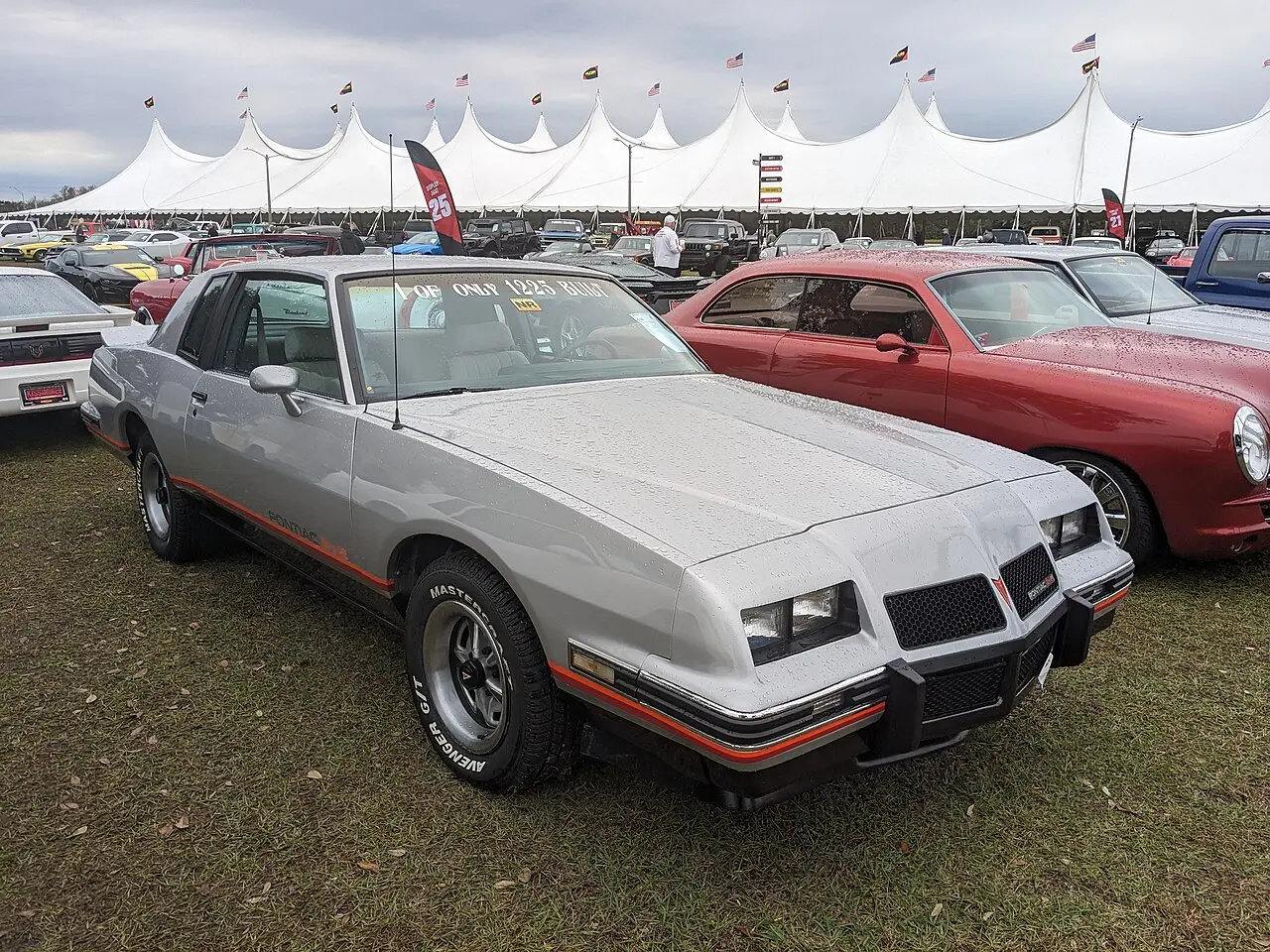
The Grand Prix began as Pontiac’s personal-luxury coupe and later became a midsize car. Its later generations included coupes and sedans, bringing a sporty style to a roomier everyday model. Pontiac was a General Motors marque with a distinctively performance-inspired identity.
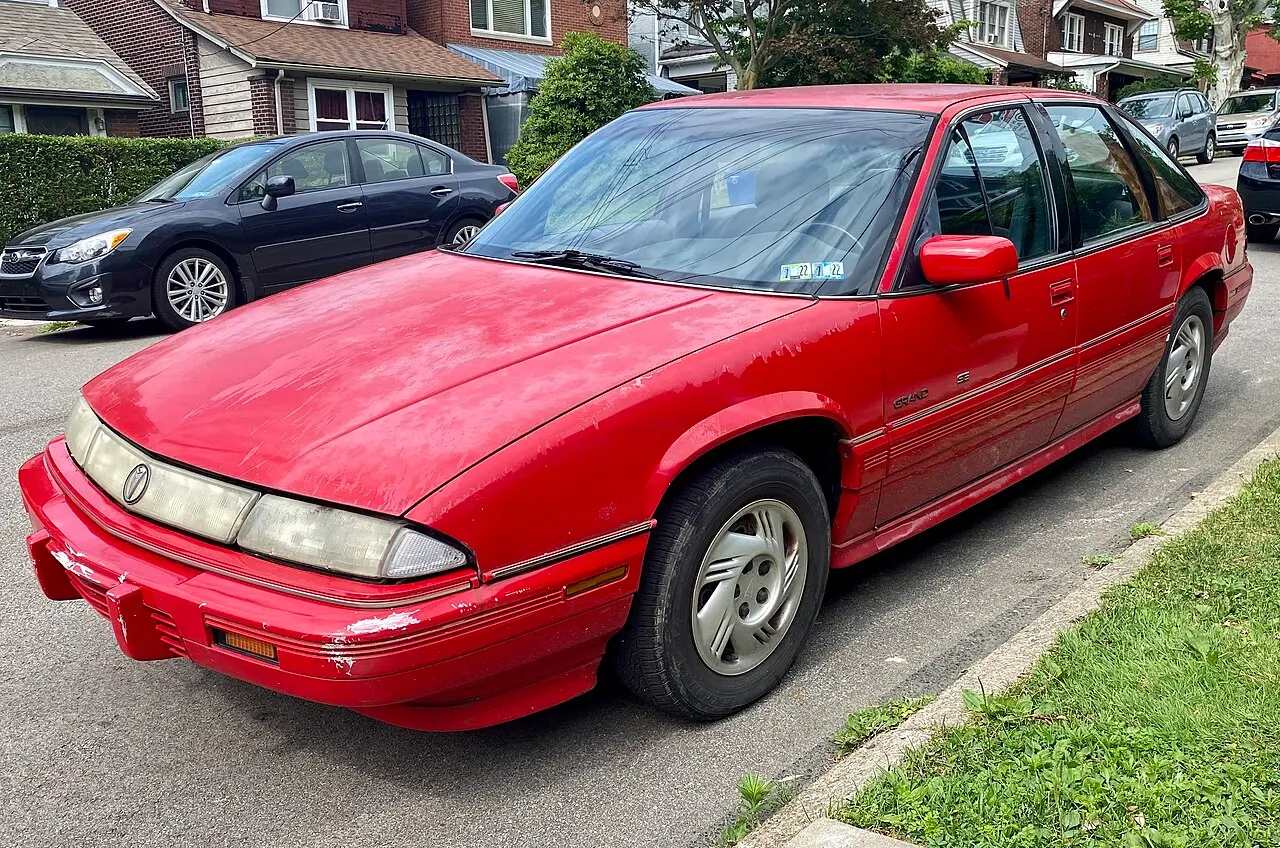
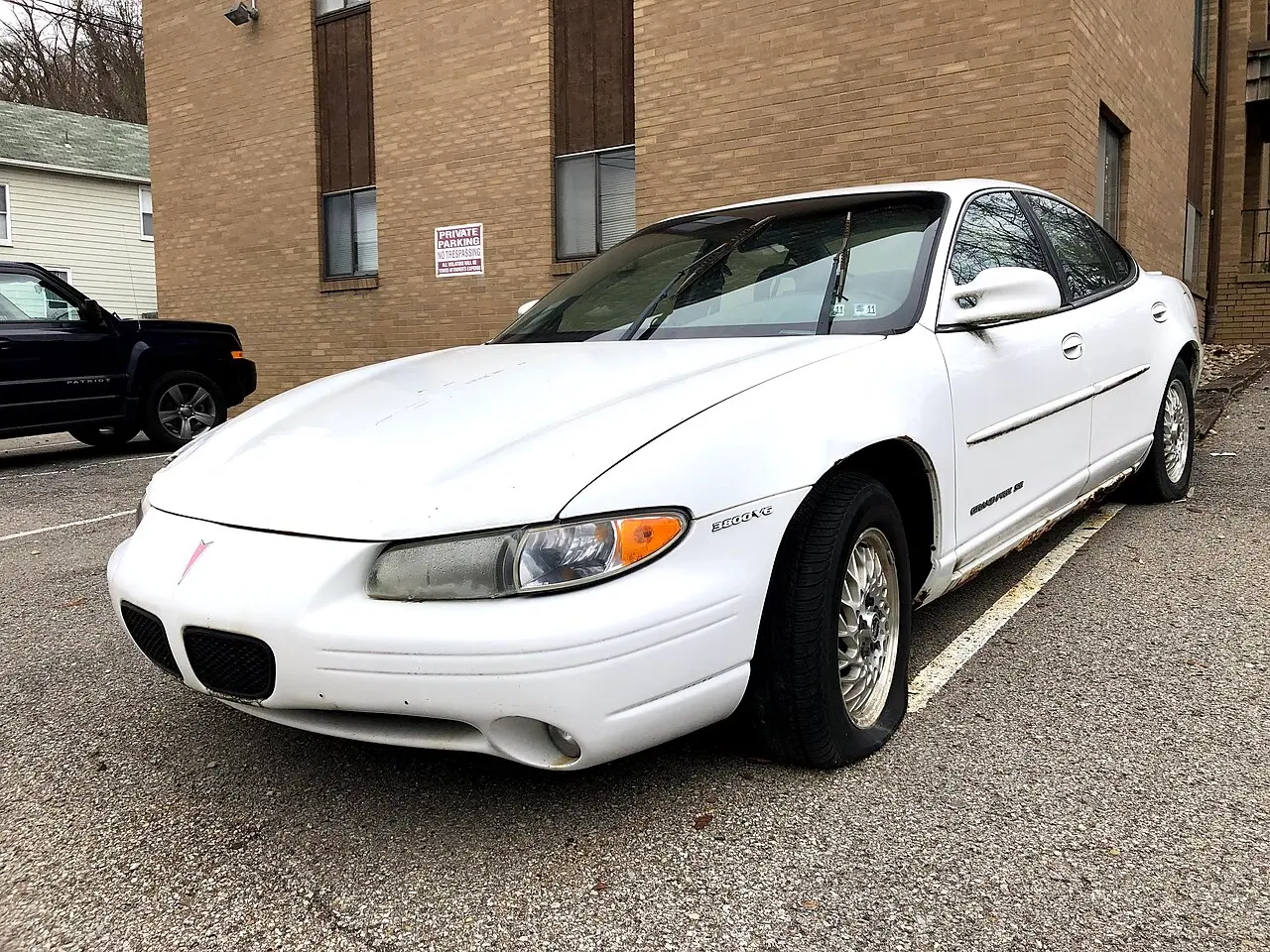
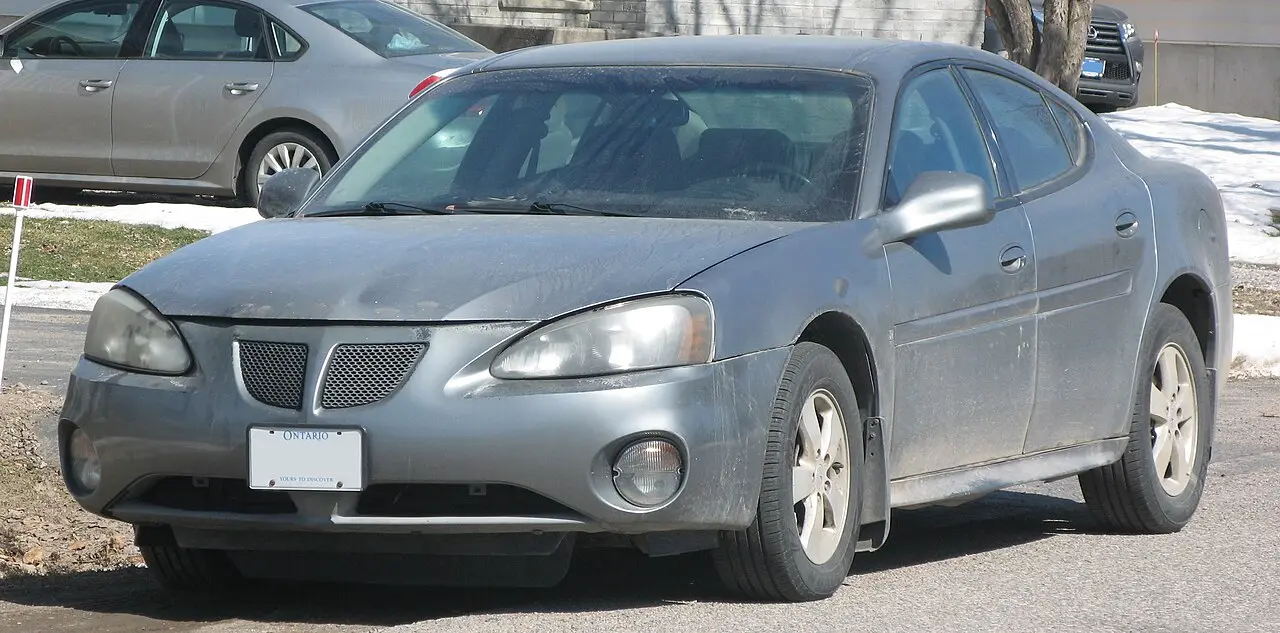
The generations covered here ran from 1984 to 2008. The fifth generation used the rear-wheel-drive G-body platform. From the sixth generation onward, the Grand Prix used the front-wheel-drive W-body platform. The later generations were sedans, broadening the model’s role beyond its coupe roots.
Grand Prix generations
The fifth generation ran from 1984 to 1987 and used the G-body platform. The sixth generation, from 1988 to 1996, moved to the W-body. The seventh followed from 1997 to 2003, and the eighth from 2004 to 2008; both also used the W-body platform.
The move to the W-body brought a change to front-wheel drive and a midsize format. Later sedans kept a low, coupe-like look, while the range included a choice of engine sizes.
Engines and fuel consumption
US EPA figures cover engines from 2.3 L to 5.7 L, including petrol and diesel versions. Canadian NRCan figures cover 3.1 L to 5.3 L petrol engines. The lowest listed US consumption is 10.7 L/100 km, and the best combined EPA rating is 22 MPG. Canada’s lowest listed figure is 11.1 L/100 km on the NRCan 5-cycle test.
The EPA and Canadian 5-cycle procedures differ, so figures from the two markets are not direct equivalents.
Where was the Grand Prix sold?
US EPA figures cover 1984 to 2008, while Canadian NRCan figures cover 1995 to 2008. The Canadian figures are for petrol versions and use the NRCan 5-cycle test.
Questions and answers
What years did the Grand Prix generations cover?
They run from the fifth generation (1984–1987) through the eighth (2004–2008), with the sixth from 1988–1996 and seventh from 1997–2003.
What engine sizes are covered?
US EPA figures span 2.3 L to 5.7 L. Canadian NRCan figures span 3.1 L to 5.3 L.
What is the Grand Prix’s best combined EPA rating?
The best combined EPA rating is 22 MPG; the lowest listed EPA consumption is 10.7 L/100 km.
How do the US and Canadian consumption figures differ?
The lowest listed figure is 10.7 L/100 km under the EPA procedure and 11.1 L/100 km under Canada’s NRCan 5-cycle test. The procedures differ, so the numbers are not direct equivalents.