Pontiac

Pontiac Formula

Pontiac Formula
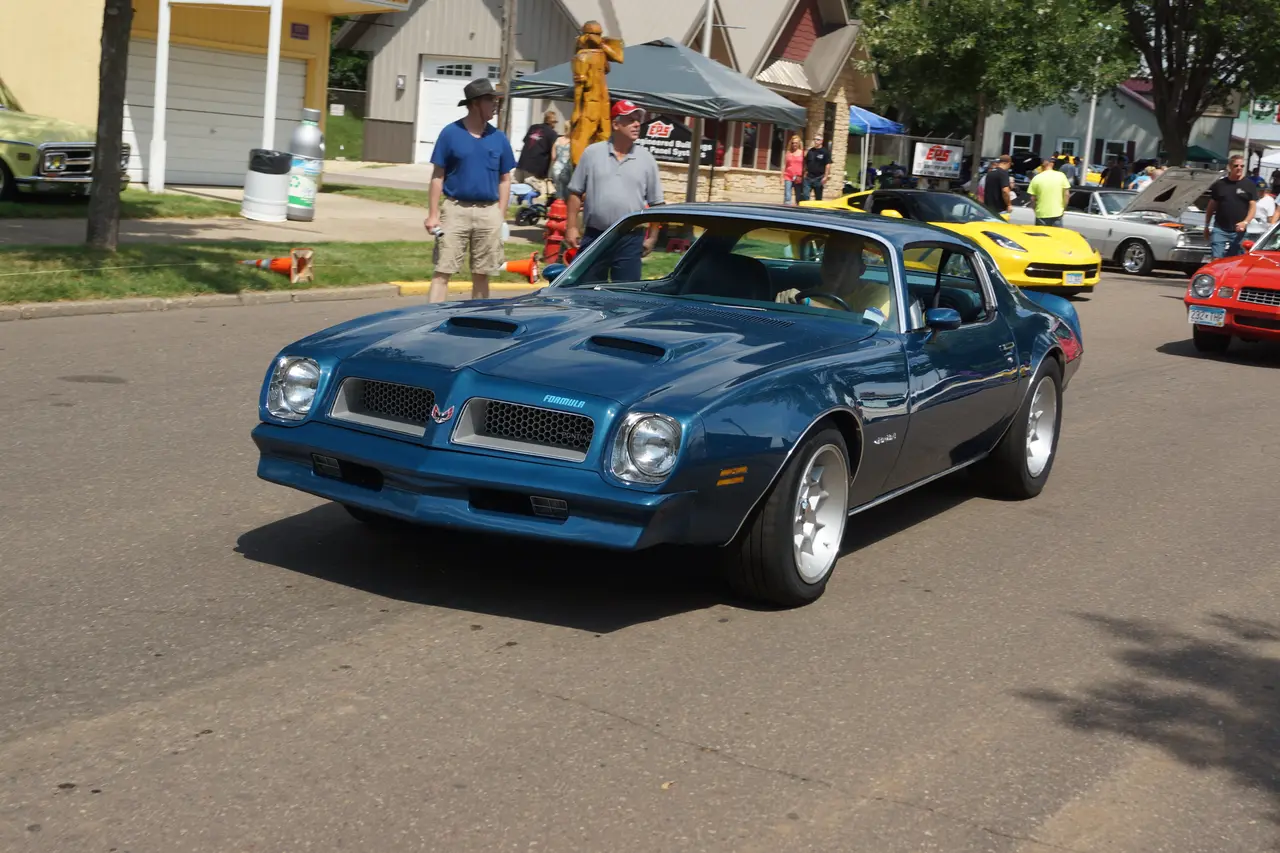
Photo: Greg Gjerdingen from Willmar, USA / Wikimedia Commons · CC BY 2.0

The official data lists 16 versions of the Pontiac Formula (1995–1999), in Canada. Each market publishes its own figures, measured on its own test procedure.

At a glance

Years in the data
1995–1999
Markets
Canada
Engines
3.4 L to 5.7 L
Fuels
Petrol
Lowest consumption (Canada)
11.5 L/100 km (5-cycle)

What is the Pontiac Firebird Formula?

Formula was a performance version of Pontiac’s Firebird, a sporty coupe in the brand’s range. It shared the Firebird’s low, sweeping shape and rear-wheel-drive layout, with its own place in the model lineup.

Generation and engines

The Canadian figures cover the fourth-generation Firebird Formula from 1995 to 1999. This generation adopted a more rounded shape than earlier Firebirds. Engine sizes ranged from 3.4 to 5.7 litres.

How economical was the Firebird Formula?

For Canada, NRCan’s five-cycle ratings show a lowest listed consumption of 11.5 L/100 km. The five-cycle procedure differs from WLTP and NEDC tests used in Europe and the EPA procedure used in the United States.

Where was the Firebird Formula sold?

The figures here are for Canada, where the Firebird Formula was part of Pontiac’s performance-car lineup.

Questions and answers

What is the Formula version?

It is a performance version of the Pontiac Firebird.

Which generation do these Canadian figures cover?

They cover the fourth generation from 1995 to 1999.

What engine sizes were available?

The listed range spans 3.4 to 5.7 litres.

What is the lowest listed Canadian consumption?

The lowest listed NRCan five-cycle figure is 11.5 L/100 km.

Formula fourth generation (1995–1999)

Model codes: F-body · Sold in: Canada · References: sportscarmarket.com, en.wikipedia.org

Canada 16 versions

Model years sold in Canada, from Natural Resources Canada fuel consumption ratings (5-cycle test).

Years and versionEngineFuelGearboxConsumption (combined)CO₂
1998–1999Subcompact3.8 LPetrol4-speed automatic11.7 L/100 km 5-cycle269 g/km
1997–1999Subcompact3.8 LPetrol5-speed manual11.5 L/100 km 5-cycle265 g/km
1999Subcompact5.7 LPetrol4-speed automatic12.9 L/100 km 5-cycle297 g/km
1999Subcompact5.7 LPetrol6-speed manual11.8 L/100 km 5-cycle271 g/km
1998Subcompact5.7 LPetrol4-speed automatic12.7 L/100 km 5-cycle292 g/km
1998Subcompact5.7 LPetrol6-speed manual13.0 L/100 km 5-cycle299 g/km
1997Subcompact3.8 LPetrol4-speed automatic12.0 L/100 km 5-cycle276 g/km
1996–1997Subcompact5.7 LPetrol6-speed manual13.3 L/100 km 5-cycle306 g/km
1997Subcompact5.7 LPetrol4-speed automatic13.5 L/100 km 5-cycle311 g/km
1996Subcompact3.8 LPetrol4-speed automatic11.7 L/100 km 5-cycle269 g/km
1996Subcompact3.8 LPetrol5-speed manual11.6 L/100 km 5-cycle267 g/km
1996Subcompact5.7 LPetrol4-speed automatic13.1 L/100 km 5-cycle301 g/km
1995Subcompact3.4 LPetrol4-speed automatic11.6 L/100 km 5-cycle267 g/km
1995Subcompact3.4 LPetrol5-speed manual11.6 L/100 km 5-cycle267 g/km
1995Subcompact5.7 LPetrol4-speed automatic13.1 L/100 km 5-cycle301 g/km
1995Subcompact5.7 LPetrol6-speed manual13.7 L/100 km 5-cycle315 g/km

Official figures are measured on standard test procedures and differ between markets. Your consumption depends on how, where and in what conditions you drive.