Plymouth

Plymouth Voyager

Plymouth Voyager
Photo: TheMercMan / Wikimedia Commons · CC BY-SA 3.0

The official data lists 31 versions of the Plymouth Voyager (1984–1999), in the United States and Canada. Each market publishes its own figures, measured on its own test procedure.

At a glance

Years in the data
1984–1999
Markets
United States, Canada
Engines
2.2 L to 3.8 L
Fuels
Petrol
Lowest consumption (United States)
10.7 L/100 km (EPA)
Lowest consumption (Canada)
11.6 L/100 km (5-cycle)

What is the Plymouth Voyager?

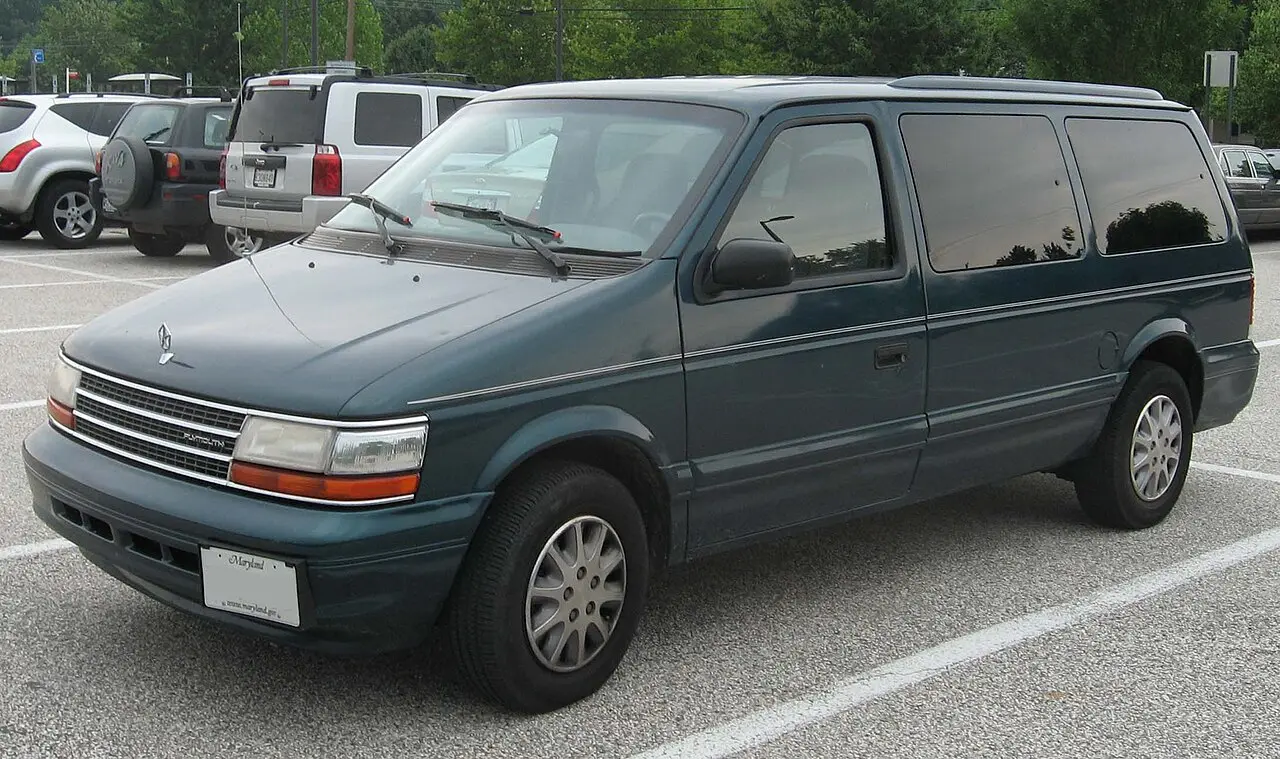
The Plymouth Voyager was a minivan designed to carry families and their luggage in a compact package. It joined Chrysler’s lineup for the 1984 model year, helping bring the minivan into mainstream family motoring. Its tall cabin and passenger-focused layout made it suited to everyday trips with people and luggage.

Voyager generations

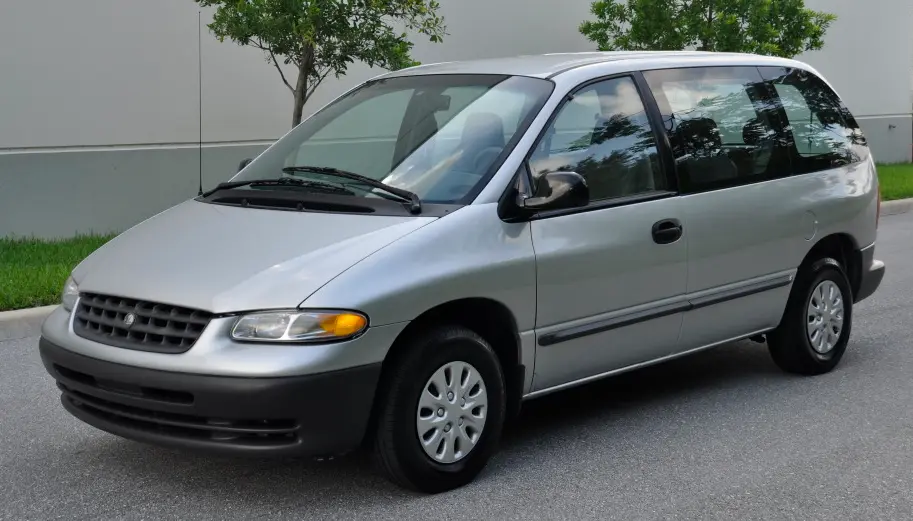
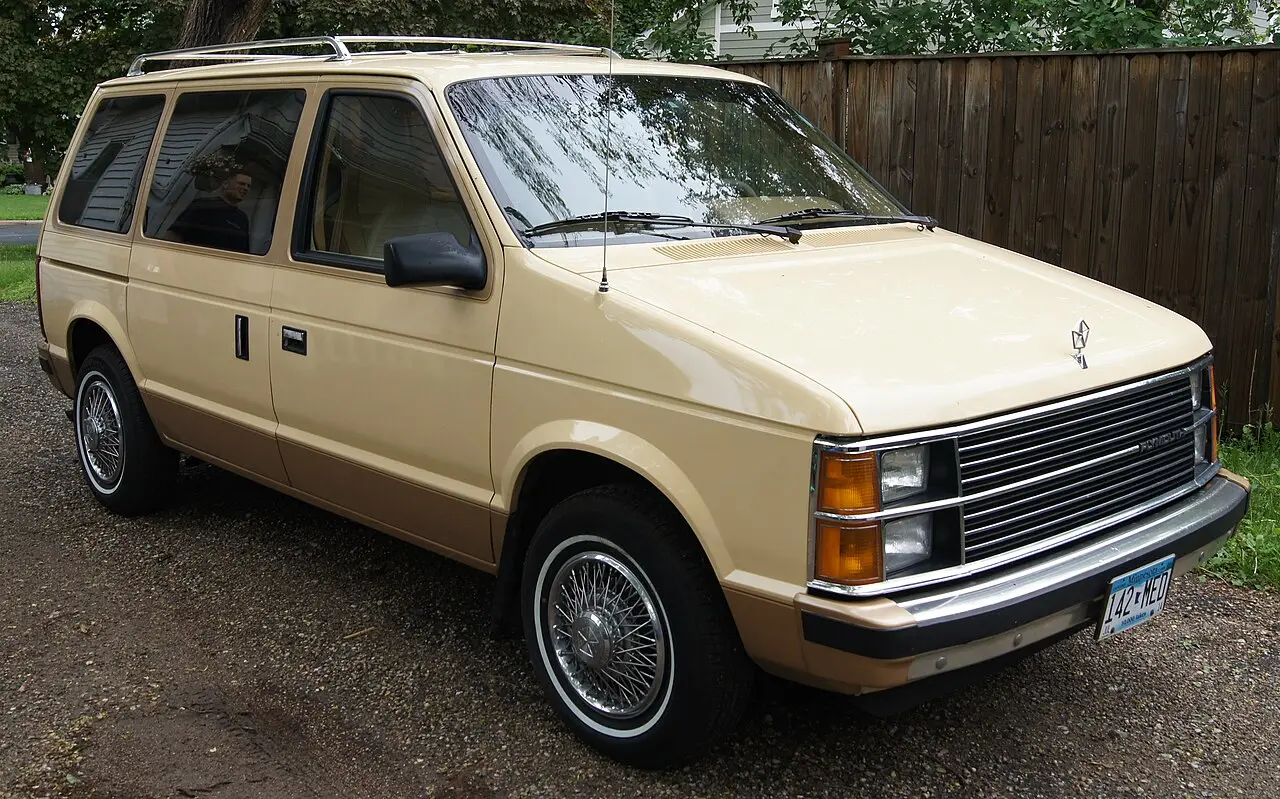
The Voyager had three generations: the first generation (1984–1990, code S), the second generation (1991–1995, code AS) and the third generation (1996–2000, code NS). Across those generations, it remained Plymouth’s family minivan. The third generation brought a more rounded shape and a defined entry-level place in Chrysler’s minivan range.

Engines and fuel consumption

United States EPA figures cover Voyager versions from 1984–1986 with petrol engines ranging from 2.2 L to 2.6 L. The best combined rating for that period is 22 MPG, and the lowest listed consumption is 10.7 L/100 km on the EPA test.

Canadian NRCan figures cover versions from 1995–1999 with petrol engines ranging from 2.4 L to 3.8 L. The lowest listed consumption is 11.6 L/100 km on the Canadian 5-cycle test. EPA and NRCan 5-cycle ratings use different procedures, so the market and test method matter when comparing the figures.

Where was the Voyager sold?

The Voyager’s listed markets are the United States and Canada. The US figures use the EPA procedure, while the Canadian figures use NRCan’s 5-cycle test. Together, they show the Voyager as a North American family minivan with a broad petrol engine range.

Questions and answers

How many Voyager generations are listed?

Three: 1984–1990, 1991–1995 and 1996–2000.

What is the best combined US EPA rating listed?

The best combined EPA figure is 22 MPG for the US versions shown.

What engine sizes appear in the US and Canadian figures?

US petrol versions range from 2.2 L to 2.6 L; Canadian versions range from 2.4 L to 3.8 L.

Why do the US and Canadian consumption figures use different tests?

The US figures use the EPA procedure, while the Canadian figures use NRCan’s 5-cycle test.
Voyager first generation (1984–1990)

Plymouth Voyager first generation
Photo: Greg Gjerdingen from Willmar, USA / Wikimedia Commons · CC BY 2.0

Model codes: S · References: en.wikipedia.org

Show all 12 versions

Voyager second generation (1991–1995)

Plymouth Voyager second generation
Photo: IFCAR / Wikimedia Commons · Public domain

Model codes: AS · References: en.wikipedia.org

Show all 4 versions

Voyager third generation (1996–2000)

Plymouth Voyager third generation
Photo: TheMercMan / Wikimedia Commons · CC BY-SA 3.0

Model codes: NS · References: en.wikipedia.org

Canada 15 versions

Model years sold in Canada, from Natural Resources Canada fuel consumption ratings (5-cycle test).

Years and versionEngineFuelGearboxConsumption (combined)CO₂
1998–1999Minivan3.0 LPetrol4-speed automatic12.3 L/100 km 5-cycle283 g/km
1999Minivan3.3 LPetrol4-speed automatic13.0 L/100 km 5-cycle299 g/km
1998–1999Minivan3.8 LPetrol4-speed automatic13.3 L/100 km 5-cycle306 g/km
1998Minivan2.4 LPetrol3-speed automatic11.7 L/100 km 5-cycle269 g/km
1998Minivan3.0 LPetrol3-speed automatic12.7 L/100 km 5-cycle292 g/km
1998Minivan3.3 LPetrol4-speed automatic12.9 L/100 km 5-cycle297 g/km
1997Minivan2.4 LPetrol3-speed automatic12.1 L/100 km 5-cycle278 g/km
1997Minivan2.4 LPetrol4-speed automatic12.7 L/100 km 5-cycle292 g/km
1997Minivan3.0 LPetrol3-speed automatic12.4 L/100 km 5-cycle285 g/km
1997Minivan3.3 LPetrol4-speed automatic12.9 L/100 km 5-cycle297 g/km
1996–1997Minivan3.8 LPetrol4-speed automatic13.3 L/100 km 5-cycle306 g/km
1996Minivan2.4 LPetrol3-speed automatic11.6 L/100 km 5-cycle267 g/km
1996Minivan2.4 LPetrol4-speed automatic12.5 L/100 km 5-cycle288 g/km
1996Minivan3.0 LPetrol3-speed automatic12.8 L/100 km 5-cycle294 g/km
1996Minivan3.3 LPetrol4-speed automatic12.8 L/100 km 5-cycle294 g/km

Official figures are measured on standard test procedures and differ between markets. Your consumption depends on how, where and in what conditions you drive.